
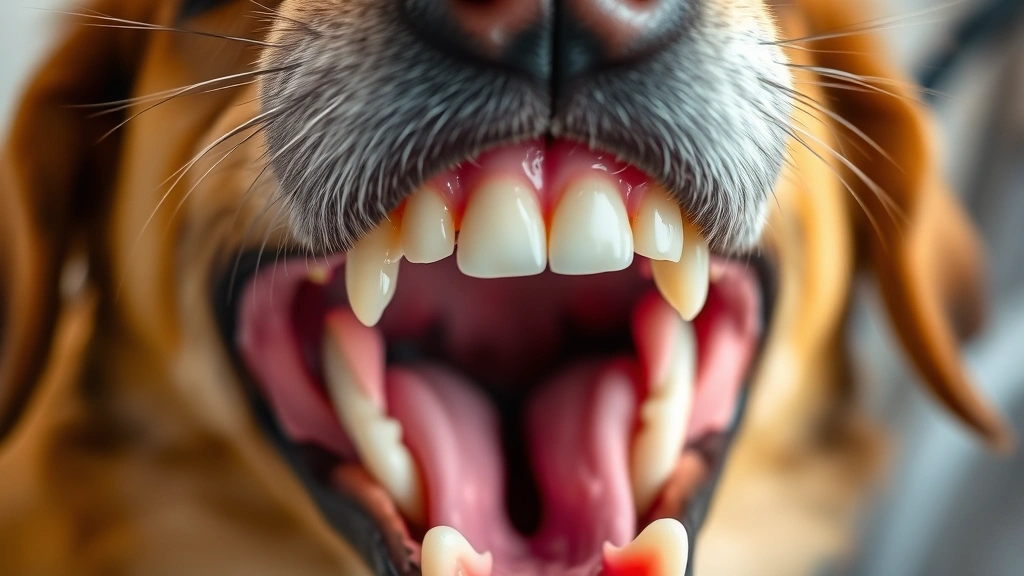
Can a Tooth Abscess Kill a Dog? Vet Insights on Serious Dental Infections
Dental health in dogs is often overlooked by pet owners, yet it plays a critical role in their overall wellbeing. A tooth abscess—a bacterial infection that forms around the root of a tooth—is more serious than many people realize. The question “can a tooth abscess kill a dog” deserves a straightforward answer: yes, it potentially can, though death is relatively rare when treated promptly. However, untreated dental abscesses can lead to life-threatening complications including sepsis, organ damage, and systemic infections that spread throughout your dog’s body.
Understanding the risks, recognizing warning signs, and seeking immediate veterinary care are essential for protecting your furry companion. This comprehensive guide explores what tooth abscesses are, how dangerous they can become, and what steps you should take if you suspect your dog has a dental infection.
What Is a Tooth Abscess in Dogs?
A tooth abscess is a localized bacterial infection that develops around the root of a tooth, typically beneath the gum line. When bacteria invade the pulp chamber—the inner part of the tooth containing nerves and blood vessels—they multiply and create a pocket of pus. This infected area becomes increasingly painful and can expand if left untreated, eventually breaking through the gum surface or spreading deeper into the jawbone and surrounding tissues.
Dogs are particularly susceptible to dental infections because their mouths contain numerous bacteria naturally. Poor dental hygiene, trauma to the tooth, gum disease, and fractures all increase infection risk. Unlike humans who can brush their teeth daily, most dogs never receive proper dental care, making abscesses relatively common in veterinary medicine.
The infection typically begins with tooth decay or periodontal disease, where bacteria colonize beneath the gum line. As the infection progresses, it creates an anaerobic environment—one without oxygen—where harmful bacteria thrive. The body’s immune response attempts to contain the infection by forming a protective wall of pus, creating the characteristic abscess.
How Serious Are Dental Abscesses?
The seriousness of a tooth abscess depends on several factors: the tooth affected, the size of the abscess, how long it’s been present, your dog’s age, immune system strength, and whether treatment is sought. According to the American Association of Feed Control Officials and veterinary dental specialists, dental infections in dogs can escalate from manageable to critical within days or weeks.
Tooth abscesses in the upper jaw are particularly concerning because they’re located close to the nasal passages and sinuses. An infection in this area can spread upward into the brain or laterally into the bloodstream more easily than lower jaw abscesses. Additionally, abscesses affecting the canine teeth or molars tend to be more serious due to their deeper roots and proximity to vital structures.
When a dog’s immune system is compromised—whether from age, illness, or other conditions—even a small abscess can become dangerous quickly. Senior dogs and those with diabetes, kidney disease, or cancer face elevated risk of serious complications from dental infections.
The American Animal Hospital Association emphasizes that bacterial infections originating in the mouth can seed throughout the body via the bloodstream, affecting the heart, kidneys, liver, and brain. This phenomenon, called bacteremia, occurs when bacteria enter the bloodstream through damaged gum tissue or infected tooth roots.
Warning Signs Your Dog Has a Tooth Abscess
Early detection is crucial for preventing serious complications. Pet owners should watch for these warning signs:
- Facial swelling—Swelling on one side of the face, particularly below the eye or along the jaw
- Bad breath—Noticeably foul odor coming from the mouth, beyond normal dog breath
- Difficulty eating—Reluctance to eat hard kibble, favoring one side of the mouth, or dropping food
- Drooling—Excessive drooling or drooling tinged with blood
- Pawing at the mouth—Frequent pawing or rubbing at the face or mouth area
- Visible discharge—Pus or blood draining from the mouth or a hole in the gum
- Behavioral changes—Lethargy, irritability, or reluctance to play and interact
- Fever—Elevated body temperature indicating systemic infection
- Swollen lymph nodes—Enlarged glands under the jaw or neck
Some dogs show subtle signs that owners might miss. A dog that suddenly becomes picky about food or avoids chewing toys may be experiencing dental pain. Others might tilt their head to one side when eating, indicating discomfort on the affected side.

Potential Life-Threatening Complications
While most dental abscesses respond well to treatment, untreated infections can develop into serious, potentially fatal conditions. Understanding these complications emphasizes why prompt veterinary care is essential.
Sepsis and Systemic Infection
The most serious complication is sepsis, where bacteria and their toxins spread throughout the bloodstream, triggering a severe inflammatory response. Sepsis causes organ dysfunction, drops in blood pressure, and can progress to septic shock—a life-threatening emergency where multiple organ systems fail. According to the ASPCA, sepsis in dogs has a mortality rate of 30-50% even with aggressive treatment.
Osteomyelitis
The infection can spread into the jawbone itself, causing osteomyelitis—bone infection. This condition is extremely painful and difficult to treat, sometimes requiring surgical removal of affected bone sections. Once bone is infected, antibiotics penetrate poorly, making treatment prolonged and expensive.
Brain Abscess and Meningitis
Upper tooth abscesses pose a unique danger: bacteria can travel upward through the nasal passages or bloodstream into the brain, forming brain abscesses or causing meningitis—inflammation of the membranes surrounding the brain and spinal cord. These conditions are medical emergencies with high mortality rates.
Cardiac Complications
Bacteria from oral infections can settle on heart valves, causing bacterial endocarditis. This condition damages the heart’s ability to function properly and can be fatal. Dogs with existing heart murmurs face even greater risk.
Kidney and Liver Damage
Chronic bacteremia from untreated dental infections can damage the kidneys and liver through repeated seeding of bacteria and immune complex deposition. This damage may be permanent, leading to chronic kidney or liver disease.
The risk of these complications increases significantly if the abscess ruptures internally, allowing bacteria to flood into surrounding tissues and the bloodstream all at once. This is why abscesses that appear to drain or rupture require immediate veterinary attention—they often need surgical intervention.
Treatment Options and Prevention
Veterinary Treatment
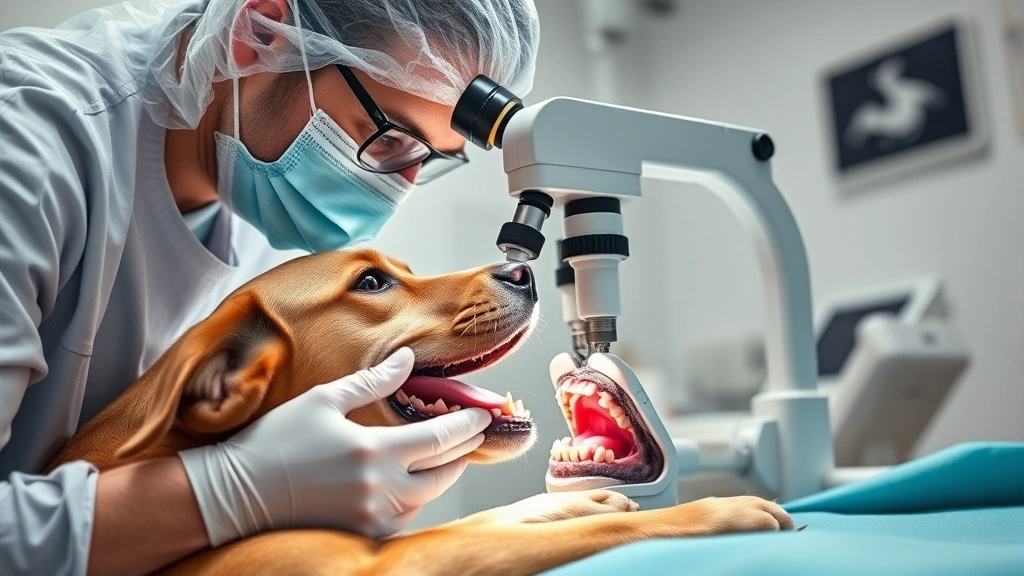
When you bring your dog to the veterinarian with suspected dental disease, they’ll perform a thorough oral examination, often under anesthesia. Dental X-rays are essential for identifying the abscess, assessing bone loss, and determining whether the tooth can be saved or must be extracted.
Treatment typically involves one of two approaches:
- Root canal therapy—Removing infected pulp and sealing the tooth to preserve it (available at veterinary dental specialists)
- Extraction—Removing the infected tooth completely (most common approach in general practice)
Antibiotics are prescribed to control infection, but they alone cannot cure an abscess—the infected tooth material must be removed. Antibiotics should be started immediately if signs of systemic infection are present (fever, lethargy, swollen lymph nodes).
Pain management is crucial during treatment and recovery. Your veterinarian will prescribe appropriate pain relief, as dental pain significantly impacts quality of life and healing.
Prevention Through Diet and Dental Care
Prevention is far superior to treatment. Regular dental care includes professional cleanings under anesthesia, daily tooth brushing if possible, and appropriate diet choices. Feeding your dog carrots as a natural abrasive can help mechanically clean teeth. Avoid feeding foods that promote dental disease—soft, sticky foods and excessive treats contribute to plaque buildup.
Interestingly, certain vegetables may support oral health. Broccoli contains compounds that have antimicrobial properties, though it shouldn’t replace proper dental care. Similarly, corn on the cob should be avoided as it can cause tooth fractures that lead to infections.
Some foods are directly harmful to oral health. Onions should never be fed to dogs as they’re toxic and can contribute to systemic health problems that compromise immune response to infections. While mushrooms are generally safe, moldy foods should be strictly avoided as they contain toxins that can impair immune function.
The American Veterinary Dental College recommends professional dental cleaning every 6-12 months depending on the individual dog’s risk factors. Early detection of dental disease through regular vet checkups can prevent abscess formation entirely.
Nutrition and Recovery After Dental Treatment
After tooth extraction or root canal therapy, your dog will need soft food for 7-10 days while the extraction site heals. Wet food, softened kibble, or prescription recovery diets work well during this period. Avoid hard treats, chew toys, and crunchy foods that could disturb the healing socket.
Maintaining good nutrition supports immune function during recovery. High-quality protein helps with tissue repair, while vitamins A, C, and E support immune response. Your veterinarian may recommend a therapeutic diet designed to support oral health and healing.
Pain management remains important during recovery. Follow your veterinarian’s instructions regarding pain medication and activity restriction. Most dogs return to normal activity within 2-3 weeks, though complete healing takes longer.
Long-term prevention involves establishing a dental care routine. Brush your dog’s teeth daily if possible using dog-specific toothpaste (never use human toothpaste). Schedule regular veterinary checkups where dental assessment is part of the examination. Consider professional cleanings annually or as recommended by your veterinarian.
FAQ
Can a dog die from a tooth abscess?
Yes, though death is uncommon with prompt treatment. Untreated abscesses can lead to sepsis, brain infection, or cardiac complications—all potentially fatal. The risk increases in senior dogs, immunocompromised dogs, or those with underlying health conditions. Immediate veterinary care is essential if you suspect an abscess.
How long can a dog live with an untreated tooth abscess?
This varies greatly depending on the abscess severity, location, and the dog’s overall health. Some dogs may live weeks or months with a slowly progressing abscess, while others could develop life-threatening complications within days. There’s no safe timeline—any suspected abscess requires veterinary evaluation.
What does a tooth abscess look like in dogs?
You might see facial swelling, especially below the eye or along the jaw. An abscess may rupture, creating a small hole in the gum with pus or blood drainage. Bad breath and difficulty eating are common signs. Only a veterinarian can definitively diagnose an abscess through examination and X-rays.
How much does dog tooth abscess treatment cost?
Costs vary widely based on location, the tooth affected, and whether extraction or root canal is performed. Extraction typically costs $500-$2,000, while root canal therapy may cost $1,500-$4,000. Professional cleaning under anesthesia adds $300-$800. Emergency treatment for systemic infection costs significantly more.
Can antibiotics alone treat a dog’s tooth abscess?
No. While antibiotics control infection and are necessary for systemic symptoms, they cannot cure an abscess. The infected tooth material must be physically removed through extraction or endodontic treatment. Antibiotics without tooth removal typically fail, and the abscess returns.
How can I prevent tooth abscesses in my dog?
Brush teeth daily, provide professional dental cleanings annually, feed appropriate diet, avoid hard chew toys that fracture teeth, and schedule regular veterinary checkups. Early treatment of gum disease prevents abscess formation. Some dogs benefit from water additives with antimicrobial properties.





