
Is Dog Food Safe for Cats? Vet Insights on Multi-Pet Feeding
If you have both dogs and cats at home, you’ve probably wondered whether it’s okay if your feline friend nibbles from your pup’s food bowl. It’s a common scenario in multi-pet households, and the answer isn’t as straightforward as you might think. While a small taste of dog food won’t typically cause immediate harm, regularly feeding dog food to cats can lead to serious nutritional deficiencies and health problems over time.
Cats and dogs have fundamentally different dietary requirements, and understanding these differences is crucial for keeping both pets healthy. This comprehensive guide explores the nutritional gaps between dog and cat food, explains why cats shouldn’t eat dog food regularly, and provides practical solutions for managing feeding time in households with multiple pets.
Key Nutritional Differences Between Cats and Dogs
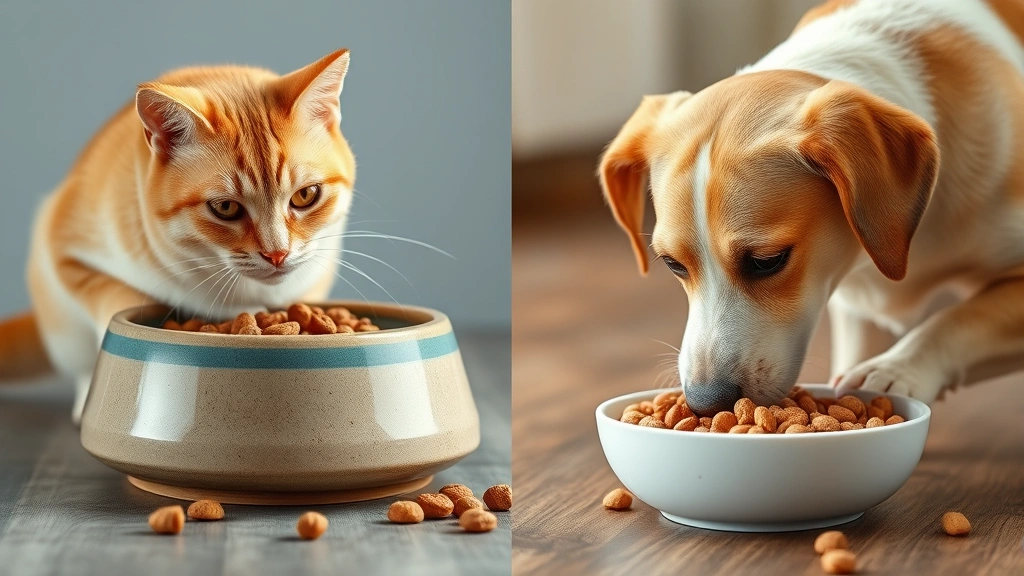
The most fundamental difference between cats and dogs lies in their evolutionary dietary needs. Dogs are facultative carnivores, meaning they can survive on a varied diet that includes plant-based ingredients. Cats, however, are obligate carnivores—they must consume meat to thrive. This distinction has profound implications for their nutritional requirements.
Protein Requirements: Cats need significantly more protein than dogs. Adult cats require a minimum of 26% crude protein in their diet, while adult dogs need only 18%. This isn’t just a matter of quantity; cats require specific amino acids that are primarily found in animal tissues. The most critical of these is taurine, an amino acid that cats cannot synthesize on their own and must obtain from their food.
Taurine Deficiency: This is perhaps the most serious concern when it comes to cats eating dog food. Dog food typically contains minimal taurine because dogs can produce their own taurine from other amino acids. Without adequate taurine, cats develop dilated cardiomyopathy (DCM), a potentially fatal heart condition. Cats also need taurine for proper vision, immune function, and reproduction. According to AAFCO standards, cat food must contain a minimum of 0.1% taurine on a dry matter basis.
Fat and Fatty Acids: While both species need fat, cats require higher levels of arachidonic acid, an omega-6 fatty acid that cats cannot synthesize from plant sources. Dog food often relies on plant-based oils that don’t provide adequate arachidonic acid for feline health. Additionally, cats need preformed vitamin A (retinol) from animal sources, whereas dogs can convert beta-carotene from plants into vitamin A.
Vitamin and Mineral Requirements: Cats have unique requirements for B vitamins, particularly niacin and thiamine. They also require higher levels of certain minerals like calcium and phosphorus. The ratios of these nutrients in dog food are formulated for canine metabolism and can create imbalances when consumed by cats over extended periods.
Why Dog Food Is Inadequate for Cats
Beyond the specific nutritional deficiencies, dog food is simply formulated differently from cat food. The composition, digestibility, and nutrient bioavailability all differ significantly between the two.
Ingredient Composition: Dog food often contains higher proportions of grains, vegetables, and plant-based proteins than cat food. While these ingredients are safe for dogs and can provide valuable nutrients, they don’t meet feline nutritional needs. Cats have a shorter digestive tract than dogs and are less efficient at digesting plant materials. They need foods with higher animal protein content and lower carbohydrate levels.
Caloric Density: Cat food is typically more calorie-dense than dog food because cats need more concentrated nutrition in smaller portions. Cats are also pickier eaters than dogs and tend to eat smaller meals throughout the day. Dog food may not provide the nutrient concentration cats require, forcing them to eat larger quantities to meet their nutritional needs.
Digestive Enzyme Production: Cats produce different digestive enzymes than dogs. They have lower levels of amylase, an enzyme that breaks down carbohydrates. This is why cats struggle to digest high-carbohydrate diets and why dog food, which often contains more carbs, may cause digestive upset in felines.
The ASPCA emphasizes that feeding species-appropriate diets is essential for optimal health. Cats require food specifically formulated to their unique metabolic needs, and dog food simply doesn’t meet these requirements.
Health Risks of Feeding Dog Food to Cats
Regular consumption of dog food can lead to numerous health problems in cats. Some develop gradually over months or years, while others can appear more quickly.
Taurine Deficiency and Heart Disease: As mentioned earlier, taurine deficiency can lead to dilated cardiomyopathy, a serious heart condition where the heart muscle becomes enlarged and weakened. This condition can develop silently and may not show symptoms until it’s advanced. Cats with DCM may experience lethargy, difficulty breathing, or sudden collapse. In severe cases, it can be fatal. Regular consumption of dog food significantly increases the risk of this devastating condition.
Vision Problems: Taurine is essential for maintaining healthy vision in cats. Deficiency can lead to progressive retinal degeneration and eventually blindness. Unlike some other health consequences of nutritional deficiency, vision loss from taurine deficiency may be irreversible.
Immune System Compromise: Inadequate taurine and other essential nutrients weaken the feline immune system, making cats more susceptible to infections and diseases. They may experience more frequent upper respiratory infections, urinary tract infections, and other illnesses.
Digestive Issues: Cats eating dog food may experience vomiting, diarrhea, or constipation. The higher carbohydrate content and different nutrient balance can upset their digestive systems. If your cat is experiencing diarrhea or other digestive issues, it’s important to ensure they’re eating appropriate food.
Weight Management Problems: Because dog food is less nutrient-dense for cats, they may need to eat more to feel satisfied. This can lead to obesity, which brings its own set of health problems including diabetes, joint issues, and reduced lifespan.
Reproductive and Developmental Issues: Pregnant or nursing cats require even higher levels of taurine. Deficiency during these critical periods can lead to birth defects, developmental abnormalities in kittens, and reproductive problems.
Poor Coat and Skin Health: Inadequate arachidonic acid and other fatty acids can result in dry, flaky skin and a dull coat. Cats may also experience increased itching and skin infections.
Practical Tips for Multi-Pet Feeding
Managing feeding time in a household with both cats and dogs requires strategy and commitment. Here are practical solutions to prevent your cat from eating dog food and vice versa.
Separate Feeding Areas: The most effective solution is to feed your pets in different rooms. Feed your cat in a quiet, secure location where your dog cannot access the food. Use baby gates or closed doors to create physical barriers. This approach ensures each pet eats only their species-appropriate diet.
Feeding Schedule Management: Instead of leaving food out all day, implement scheduled feeding times. Feed your cat and dog at different times or in quick succession, then remove uneaten food after 15-20 minutes. This prevents grazing and reduces opportunities for food swapping.
Elevated Feeders: Cats often prefer elevated food bowls, and this preference can work to your advantage. Place your cat’s food on a high shelf or elevated platform that your dog cannot reach. Many cats will feel more secure eating at height anyway, and this also promotes better digestion.
Microchip Feeders: Modern technology offers an elegant solution: microchip-activated feeders. These devices only open for the pet wearing the corresponding microchip, allowing each animal to access only their own food. While more expensive initially, they provide peace of mind and eliminate guesswork.
Crate Feeding: If you’re crate training your pets, use meal times as an opportunity to feed them in their respective crates. This keeps them separated and helps reinforce positive crate associations.
Supervision: During free-roaming time, supervise your pets closely. If your cat shows interest in the dog’s food or vice versa, gently redirect them. Consistent redirection helps establish boundaries over time.
Choose High-Quality Species-Appropriate Food: Ensure your cat is eating high-quality cat food with adequate taurine and your dog is eating appropriate dog food. Just as you might research can dogs eat broccoli or can dogs eat corn for occasional treats, you should ensure regular meals are species-appropriate. Look for AAFCO certification on pet food labels.
What to Do If Your Cat Eats Dog Food
If you discover your cat has been eating dog food, don’t panic. A single meal or occasional nibbles won’t cause immediate harm. However, take steps to prevent it from happening again.
Assess the Situation: Determine how much dog food your cat consumed and for how long. A one-time incident is far less concerning than weeks or months of regular consumption. If your cat has been eating dog food regularly, contact your veterinarian.
Monitor for Symptoms: Watch for signs of digestive upset like vomiting or diarrhea in the following days. These may resolve on their own, but persistent symptoms warrant veterinary attention.
Return to Proper Diet: Immediately ensure your cat has access only to appropriate cat food. Implement the feeding strategies outlined above to prevent recurrence.
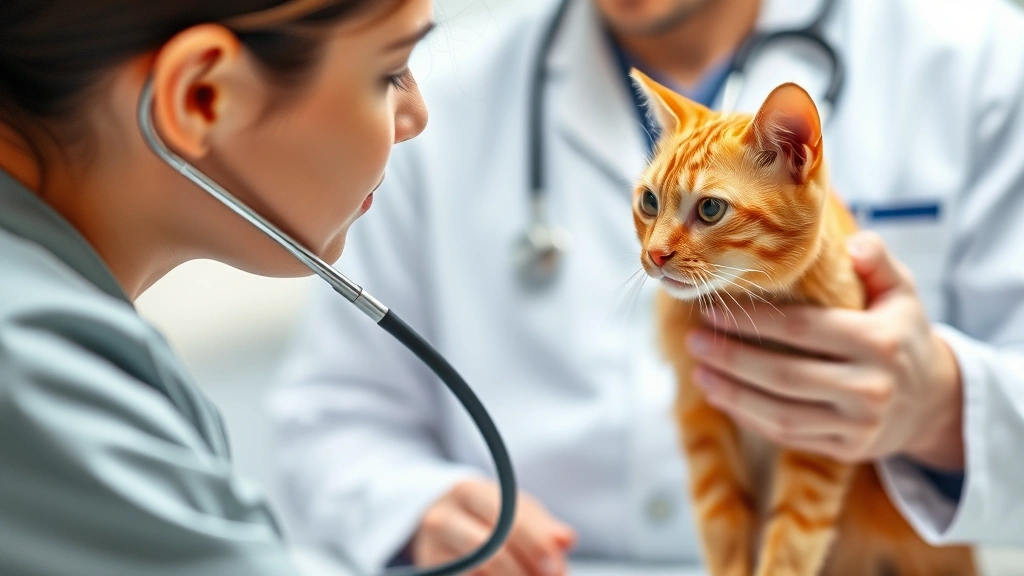
Schedule a Veterinary Check-up: If your cat consumed dog food for an extended period, schedule a veterinary examination. Your vet may recommend blood work to check for nutritional deficiencies or other health issues. They can also assess your cat’s heart health with an echocardiogram if taurine deficiency is a concern. The American Animal Hospital Association recommends regular wellness exams to catch nutritional problems early.
Nutritional Supplementation: In some cases, your vet may recommend taurine supplementation or other nutrients to correct deficiencies. Never supplement without veterinary guidance, as improper supplementation can create other imbalances.
FAQ
Can cats eat dog food for a day or two?
Occasional consumption of dog food won’t typically cause harm, but it shouldn’t become a regular practice. A day or two of dog food won’t create significant deficiencies, but you should immediately return your cat to species-appropriate food and implement feeding strategies to prevent recurrence.
What if my cat prefers dog food?
Some cats find dog food more palatable, but preference doesn’t make it appropriate. Gradually transition your cat back to quality cat food by mixing small amounts with the dog food, slowly increasing the ratio of cat food. You might also try different brands or formulations of cat food to find one your cat enjoys. If your cat consistently refuses cat food, consult your veterinarian.
Is wet cat food better than dry for preventing dog food consumption?
Both wet and dry cat food are appropriate, and the choice depends on your cat’s preferences and health needs. However, wet food often has a stronger aroma that cats find appealing, which might encourage them to eat their own food instead of the dog’s. Some cats also digest wet food more easily.
Can kittens eat dog food?
No, kittens absolutely should not eat dog food. Kittens have even higher nutritional requirements than adult cats, particularly for taurine, protein, and specific minerals needed for growth and development. Feeding dog food to kittens can cause serious developmental problems and deficiencies.
What about senior cats eating dog food?
Senior cats have specific nutritional needs that differ from adult cats and are certainly not met by dog food. Older cats often need higher quality protein and specific nutrients to maintain muscle mass and manage age-related conditions. Dog food is inappropriate for cats at any life stage.
Should I be concerned if my dog eats cat food?
While dogs can technically digest cat food better than cats can digest dog food, regular consumption of cat food isn’t ideal for dogs either. Cat food is too rich in protein and fat for most dogs and can contribute to obesity and digestive upset. Similar feeding strategies should keep dogs away from cat food.
How can I tell if my cat has taurine deficiency?
Early signs include lethargy, decreased appetite, and behavioral changes. More advanced symptoms include difficulty breathing, weakness, and collapse. Heart disease from taurine deficiency may be silent until it’s severe. Only a veterinarian can definitively diagnose taurine deficiency through blood tests and heart imaging.
Are there any dog foods safe for cats?
No dog food is formulated to meet feline nutritional requirements. While some high-quality dog foods might contain more taurine than average, they still don’t provide the complete nutritional profile cats need. Always feed cats food specifically formulated for cats.
Can I mix dog food and cat food for my cat?
No, mixing dog food with cat food reduces the nutritional appropriateness of the meal. Your cat should eat food formulated specifically for cats. If you’re trying to transition your cat to a new food, mix the new cat food with the old cat food, not with dog food.





