
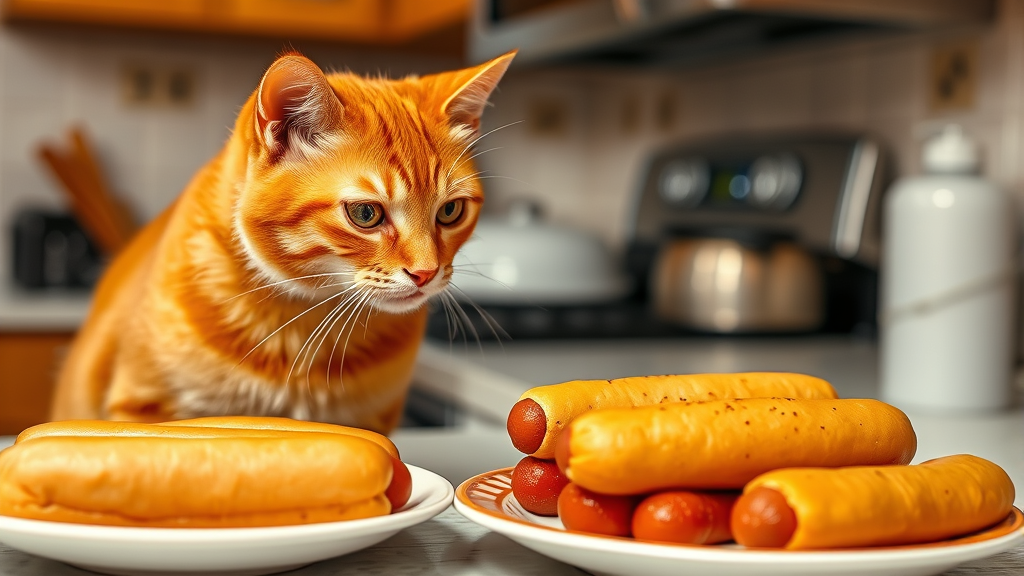
As pet owners, we often find ourselves wondering whether our feline companions can safely enjoy the same foods we do. One question that frequently arises during barbecues, picnics, or casual meals is whether cats can eat hot dogs. While these processed meat products might seem like a protein-rich treat that cats would enjoy, the reality is far more complex than it appears.
Hot dogs are a staple of American cuisine, beloved for their convenience and taste. However, when it comes to our cats, these seemingly harmless sausages can pose significant health risks. Understanding the ingredients, nutritional content, and potential dangers of hot dogs is crucial for every responsible cat owner who wants to keep their pet safe and healthy.
What Are Hot Dogs Made Of?
Hot dogs are highly processed meat products that contain a complex mixture of ingredients, many of which are unsuitable or potentially harmful to cats. The primary components include mechanically separated poultry, beef, pork, or a combination of these meats. However, it’s the additional ingredients that make hot dogs particularly problematic for feline consumption.
The most concerning ingredient in hot dogs is sodium nitrite, a preservative that gives the meat its characteristic pink color and helps prevent bacterial growth. While safe for human consumption in regulated amounts, cats have much smaller body weights and different metabolic processes, making them more susceptible to the toxic effects of nitrites. Additionally, hot dogs contain extremely high levels of sodium chloride (salt), often exceeding 400-500 milligrams per serving.
Other common ingredients include corn syrup, modified food starch, potassium lactate, and various spices and flavorings. Many hot dogs also contain garlic powder and onion powder, both of which are toxic to cats and can cause hemolytic anemia, a serious condition where red blood cells are destroyed faster than they can be produced.
Immediate Health Risks for Cats
When cats consume hot dogs, several immediate health risks can manifest within hours or days. The most common immediate concern is gastrointestinal upset, which can include vomiting, diarrhea, and abdominal pain. The high fat content in hot dogs can also trigger pancreatitis, a painful and potentially life-threatening inflammation of the pancreas.
The excessive sodium content poses another immediate threat. Cats require only about 21 milligrams of sodium per day, and a single hot dog can contain nearly 20 times this amount. This sodium overload can lead to dehydration, increased thirst, excessive urination, and in severe cases, sodium ion poisoning. Symptoms of sodium toxicity include tremors, seizures, and difficulty breathing.
Similar to concerns about processed meats like bacon, the preservatives and artificial additives in hot dogs can cause allergic reactions in sensitive cats. These reactions may manifest as skin irritation, itching, swelling, or respiratory distress. The nitrites and nitrates used as preservatives can also interfere with the blood’s ability to carry oxygen, leading to a condition called methemoglobinemia.
Long-Term Health Concerns
Regular consumption of hot dogs can lead to serious long-term health problems in cats. The high sodium content contributes to hypertension (high blood pressure), which can damage the kidneys, heart, and other vital organs over time. Cats with pre-existing kidney disease are particularly vulnerable, as their organs are already compromised and cannot effectively process excess sodium.
The processed nature of hot dogs means they offer little nutritional value while being high in calories, potentially leading to obesity. Overweight cats face increased risks of diabetes, arthritis, and cardiovascular disease. The artificial preservatives and chemicals used in hot dog production have also been linked to increased cancer risk in long-term studies, though more research is needed specifically regarding feline health impacts.
Just as other processed sausages pose risks to pets, the regular consumption of hot dogs can disrupt a cat’s digestive system and alter their gut microbiome. This disruption can lead to chronic digestive issues, nutrient malabsorption, and increased susceptibility to gastrointestinal infections.

Safe Protein Alternatives for Cats
Fortunately, there are many safe and nutritious protein alternatives that cats can enjoy as occasional treats. Cooked chicken breast, without seasoning or bones, provides high-quality protein that cats naturally crave. Small pieces of cooked fish, such as salmon or tuna, offer omega-3 fatty acids that support coat and skin health.
Plain, cooked turkey is another excellent option, provided it contains no added seasonings, garlic, or onions. For cats who enjoy variety, small amounts of cooked egg can provide protein and essential amino acids. However, eggs should always be thoroughly cooked to eliminate the risk of salmonella contamination.
Commercial cat treats specifically formulated for feline nutrition are often the safest option. These treats are designed to meet cats’ dietary requirements while providing enjoyable flavors and textures. Look for treats that list real meat as the first ingredient and avoid those with excessive fillers, artificial colors, or preservatives.
What to Do if Your Cat Eats Hot Dogs
If your cat has consumed hot dogs, the first step is to remain calm and assess the situation. Remove any remaining hot dog pieces to prevent further consumption. Note the amount consumed and the time of ingestion, as this information will be valuable if veterinary intervention becomes necessary.
Monitor your cat closely for the next 24-48 hours for signs of distress. Watch for symptoms such as vomiting, diarrhea, excessive thirst, lethargy, difficulty breathing, or unusual behavior. If your cat consumed a large amount of hot dog or shows any concerning symptoms, contact your veterinarian immediately.
Unlike concerns with other processed meats, hot dogs present multiple risk factors that can compound each other. Provide fresh water to help your cat stay hydrated and potentially dilute the excess sodium in their system. However, do not induce vomiting unless specifically instructed by a veterinary professional, as this can sometimes cause more harm than good.
Prevention and Safe Feeding Practices
Prevention is always better than treatment when it comes to keeping cats safe from harmful foods. Store hot dogs and other processed meats in secure containers or areas where cats cannot access them. During barbecues or outdoor gatherings, be especially vigilant about dropped food and ensure guests understand not to feed your cat human food.
Educate family members, especially children, about which foods are safe for cats and which should be avoided. Create a list of cat-safe treats and keep them readily available so there’s always a healthy alternative when the urge to share food arises. This approach is similar to the caution needed with other highly processed foods like spam.
Consider implementing a “no table scraps” policy to eliminate confusion and ensure your cat receives only nutritionally appropriate foods. If you want to include your cat in mealtime activities, prepare special cat-friendly portions of plain, cooked meat without any seasonings or additives.
Regular veterinary checkups are essential for monitoring your cat’s overall health and catching any issues early. Discuss your cat’s diet with your veterinarian and ask for specific recommendations based on your cat’s age, weight, and health status. Just as we consider the risks of feeding salami to pets, maintaining awareness of all processed meat risks is crucial for pet safety.
Frequently Asked Questions
Can cats eat just a small piece of hot dog?
Even small amounts of hot dogs can be harmful to cats due to their high sodium content, preservatives, and toxic ingredients like garlic and onion powder. According to the American Veterinary Medical Association, it’s best to avoid giving cats any amount of processed meats like hot dogs.
What should I do if my cat accidentally ate a hot dog?
Monitor your cat closely for 24-48 hours for symptoms like vomiting, diarrhea, excessive thirst, or lethargy. Provide fresh water and contact your veterinarian if you notice any concerning symptoms. The ASPCA Animal Poison Control Center recommends immediate veterinary consultation if large amounts were consumed.
Are there any hot dogs that are safe for cats?
No commercially available hot dogs are considered safe for cats. All hot dogs contain high levels of sodium, preservatives, and other ingredients that can be harmful to felines. Even “natural” or “organic” varieties typically contain problematic levels of salt and spices.
Why are hot dogs more dangerous for cats than dogs?
Cats are generally smaller than dogs and have different metabolic processes, making them more sensitive to sodium and preservatives. Additionally, cats are obligate carnivores with more specific dietary requirements. Research from National Institutes of Health shows that cats process certain compounds differently than dogs, making them more vulnerable to food toxicity.
What are the signs of sodium poisoning in cats?
Signs of sodium poisoning include excessive thirst, frequent urination, vomiting, diarrhea, tremors, seizures, and difficulty breathing. In severe cases, cats may become lethargic or lose coordination. These symptoms require immediate veterinary attention, as recommended by FDA’s Center for Veterinary Medicine.
Can cooking hot dogs differently make them safer for cats?
No, cooking methods cannot eliminate the harmful ingredients in hot dogs. The high sodium content, preservatives, and toxic spices remain dangerous regardless of how the hot dog is prepared. Similar concerns apply to other processed meats like beef jerky.
What healthy alternatives can I give my cat instead of hot dogs?
Safe alternatives include small pieces of plain, cooked chicken, turkey, or fish without seasonings. Commercial cat treats formulated specifically for felines are also excellent options. The Humane Society recommends sticking to foods specifically designed for cats to ensure proper nutrition and safety. Avoid giving your cat processed meats like ham as well, as they pose similar risks.





