
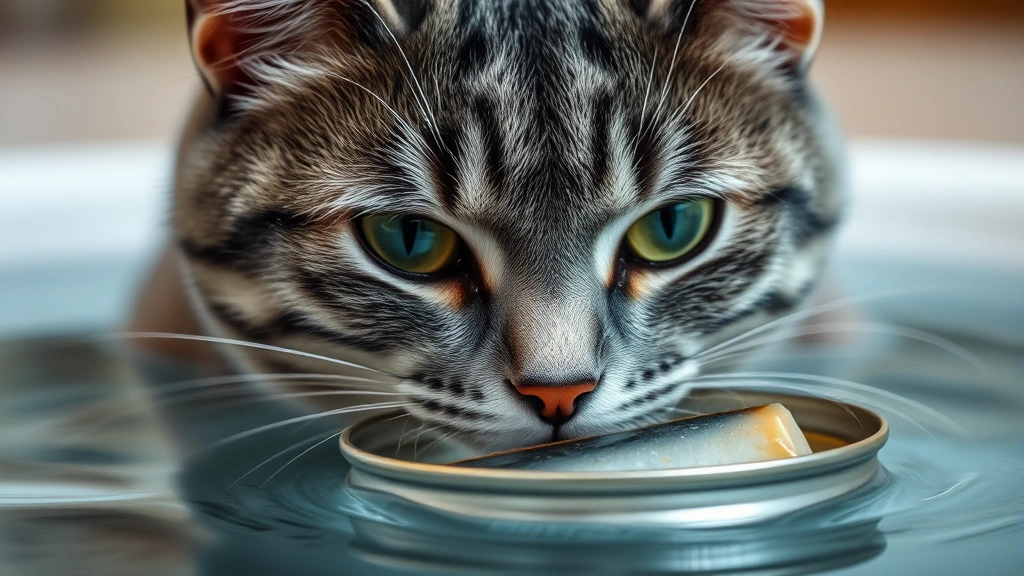
So, can cats eat tuna? The short answer is yes, but it’s way more complicated than just cracking open a can and letting your feline friend go to town. As a vet tech who’s seen countless cats with mercury poisoning and thiamine deficiencies, I’m here to break down the tuna truth that every cat owner needs to know.
Table of Contents
- The Tuna Temptation: Why Cats Go Crazy for It
- Raw vs. Canned Tuna: What’s the Difference?
- Mercury Concerns: The Heavy Metal Reality
- Thiamine Deficiency: The Vitamin B1 Problem
- Safe Tuna Serving Guidelines for Your Cat
- Tuna and Digestive Health: Probiotics Matter
- Tuna Addiction: Breaking the Habit
- Fresh vs. Canned: Nutritional Breakdown
- Coat Health and Tuna: The Omega Myth
- Special Populations: When to Avoid Tuna Entirely
- Recognizing Tuna Toxicity Symptoms
- Better Treat Alternatives to Tuna
- Frequently Asked Questions
- The Bottom Line: Tuna as an Occasional Treat
The Tuna Temptation: Why Cats Go Crazy for It
Let’s be real—cats lose their minds over tuna. There’s a reason tuna-flavored cat foods exist everywhere. Cats are obligate carnivores, meaning they need meat to survive, and tuna’s strong aroma and protein content trigger their natural hunting instincts. The smell alone can turn your calm, collected kitty into a drooling, demanding furball. But just because they want it doesn’t mean unlimited access is safe.

Raw vs. Canned Tuna: What’s the Difference?
When asking if cats can eat tuna, you need to understand the different forms. Raw tuna poses serious bacterial risks like Salmonella and E. coli, which can devastate a cat’s digestive system. Canned tuna in water is safer than raw, but canned tuna in oil adds unnecessary calories. The real problem? Most canned tuna for humans contains added salt and sometimes additives that aren’t ideal for cats. If you’re going to offer tuna, stick with canned tuna packed in water with zero added sodium—and keep portions tiny.

Mercury Concerns: The Heavy Metal Reality
Here’s where things get serious. Tuna accumulates mercury, a neurotoxin that builds up in your cat’s body over time. Regular tuna consumption can lead to mercury poisoning, causing neurological issues, tremors, and behavioral changes. According to PetMD, frequent tuna feeding is linked to vitamin E deficiency and thiamine depletion. This isn’t scaremongering—it’s veterinary reality. If your cat has been eating tuna daily for months, talk to your vet about testing.

Thiamine Deficiency: The Vitamin B1 Problem
Tuna contains an enzyme called thiaminase that destroys thiamine (vitamin B1), essential for your cat’s nervous system and metabolism. Cats fed exclusively or primarily on tuna develop thiamine deficiency, leading to loss of appetite, seizures, and neurological damage. This is why tuna should never be a dietary staple. It’s an occasional treat, not a meal replacement. Think of it like giving your kid candy instead of vegetables—sure, they’ll eat it, but the consequences are real.

Safe Tuna Serving Guidelines for Your Cat
So how much tuna is actually safe? Limit tuna treats to once or twice weekly, and keep portions to about a tablespoon. For kittens, check our kitten feeding schedule to understand their nutritional needs better—they’re even more vulnerable to imbalances than adult cats. Senior cats and those with kidney issues should avoid tuna almost entirely due to sodium content and mercury accumulation. Always use canned tuna in water, drain it completely, and never give your cat the liquid (it’s packed with sodium).

Tuna and Digestive Health: Probiotics Matter
If your cat does eat tuna occasionally, supporting their gut health becomes important. The high protein and potential for digestive upset means considering feline-specific probiotics to maintain healthy gut flora. This is especially true if your cat has a sensitive stomach or you notice any digestive changes after tuna treats. Probiotics help balance the microbiome and improve nutrient absorption, counteracting some of tuna’s less beneficial effects.

Tuna Addiction: Breaking the Habit
Many cats become tuna addicts, refusing regular cat food and demanding their fishy fix. This behavioral issue is real and frustrating. If your cat’s already hooked, gradual weaning is necessary. Mix tiny amounts of tuna with their regular food, slowly decreasing the ratio over weeks. Introduce new flavors and textures—chicken, turkey, or beef-based foods—to redirect their palate. Patience is key; some cats take months to adjust.

Fresh vs. Canned: Nutritional Breakdown
Fresh tuna has higher mercury levels than canned varieties because it’s a larger fish. Canned light tuna has less mercury than canned albacore (white) tuna. If you’re choosing between options, light tuna is the safer bet, though neither should be regular. The AAFCO doesn’t recommend tuna as a primary protein source for cats, which tells you something. Your cat’s main diet should be complete, balanced commercial cat food formulated to meet feline nutritional requirements.

Coat Health and Tuna: The Omega Myth
People assume tuna improves coat health because of omega-3s. While tuna does contain some omega-3s, the mercury and thiamine issues outweigh these benefits. For genuine coat health support, check out our guide on coat health feeding routine for safer, more balanced approaches. Fish oil supplements specifically formulated for cats are a better choice if you want to boost omega content.
Special Populations: When to Avoid Tuna Entirely
Certain cats should never eat tuna. Kittens under six months need balanced nutrition for development—tuna disrupts this. Senior cats with kidney disease can’t handle the sodium and mercury load. Pregnant or nursing cats need complete nutrition, not empty-calorie treats. Cats with hyperthyroidism, diabetes, or heart conditions should avoid tuna due to sodium content. If your cat falls into any of these categories, discuss treat options with your vet. For sedentary cats, see our sedentary cat portions guide to understand calorie management better.
Recognizing Tuna Toxicity Symptoms
Watch for signs your cat’s had too much tuna: tremors, loss of coordination, behavioral changes, vomiting, diarrhea, or appetite loss. Mercury poisoning can take time to manifest, so don’t ignore subtle neurological changes. If you notice anything odd after tuna exposure, call your vet immediately. Blood tests can measure mercury levels and thiamine status. Early intervention prevents serious complications.
Better Treat Alternatives to Tuna
Your cat doesn’t need tuna to be happy. Cooked chicken, turkey, or beef (unseasoned) are safer protein treats. Some cats enjoy small amounts of cooked salmon, which has lower mercury than tuna. Commercial treats formulated for cats are designed with proper nutrient balance. Freeze-dried meat treats offer the satisfaction without the risks. Even a few bites of these alternatives provide enrichment without the health concerns tuna brings.

Frequently Asked Questions
Can kittens eat tuna?
Kittens should avoid tuna entirely. Their developing nervous systems are extra vulnerable to thiamine deficiency and mercury toxicity. Focus on complete, balanced kitten food formulated for growth. Once they’re adults, occasional tiny portions might be okay, but early exposure to tuna isn’t worth the risk.
Is tuna water safe for cats?
Absolutely not. Tuna water contains concentrated sodium and mercury. It’s tempting to give cats the “juice” since they love it, but this is where most of the salt hides. Always drain canned tuna and never let your cat drink the liquid.
How often can cats eat tuna?
Once or twice weekly maximum, in portions no larger than a tablespoon. Many vets recommend even less—once weekly or biweekly. Treat it as an occasional indulgence, not a regular part of their diet.
What should I do if my cat eats a whole can of tuna?
One incident won’t cause immediate harm, but monitor your cat closely for the next 24-48 hours. Watch for vomiting, diarrhea, or behavioral changes. If symptoms appear, contact your vet. If your cat regularly raids the pantry, secure your tuna supply and consider environmental enrichment to redirect their behavior.
Is tuna in oil worse than tuna in water?
Yes. Tuna in oil adds unnecessary calories and fat, contributing to obesity—a major feline health issue. Tuna in water is the lesser evil, but neither should be frequent. Always choose water-packed options if you’re offering tuna.
Can cats with kidney disease eat tuna?
No. Cats with kidney disease need low-sodium diets, and tuna’s salt content is problematic. The mercury also stresses already-compromised kidneys. Stick with prescription renal diets formulated by veterinarians for these cats.
The Bottom Line: Tuna as an Occasional Treat
So, can cats eat tuna? Yes, occasionally and in moderation. But it’s not the superfood many people think it is. The risks—mercury accumulation, thiamine deficiency, sodium overload, and addiction—outweigh the occasional protein benefit. Treat tuna like dessert, not dinner. Your cat’s health depends on balanced, complete nutrition from quality commercial cat food, not human food scraps or fishy indulgences. If your cat’s already a tuna addict, work with your vet on a transition plan. And if you’re looking to boost their nutrition, explore safer alternatives that don’t come with heavy metal baggage. Your cat will thank you with years of healthy, purr-filled companionship.





