

Can Dogs Eat Bread?
As a dog owner, you’ve probably wondered whether it’s safe to share your sandwich or toast with your furry companion. Bread is one of the most common foods in human households, and it’s natural to question if our dogs can enjoy it too. The answer is nuanced: plain, unseasoned bread is generally safe for dogs in moderation, but there are important considerations and potential risks you need to understand before offering it to your pet.
Understanding what foods are safe for your dog is a crucial part of responsible pet ownership. While bread itself isn’t toxic to dogs, certain types of bread and preparation methods can pose serious health risks. In this comprehensive guide, we’ll explore everything you need to know about dogs and bread, including which types are safe, which ones to avoid, and what precautions you should take.
As a certified dog trainer and veterinary nutrition specialist, I’ve encountered countless questions from dog owners about bread consumption. This article draws on veterinary science, nutritional research, and practical experience to give you accurate, actionable information about feeding bread to your canine companion.
Table of Contents
Is Plain Bread Safe for Dogs?
Plain white or wheat bread without any added ingredients is generally considered safe for dogs to consume in small quantities. According to the American Kennel Club’s expert advice on bread, plain bread won’t harm your dog if given occasionally. However, “safe” doesn’t mean “beneficial” or “recommended.”
When you offer plain bread to your dog, you’re essentially providing empty calories. Bread contains mostly carbohydrates and very little nutritional value that your dog can’t obtain from their regular diet. Most commercial dog foods are already formulated with all the carbohydrates and nutrients your dog needs to thrive.
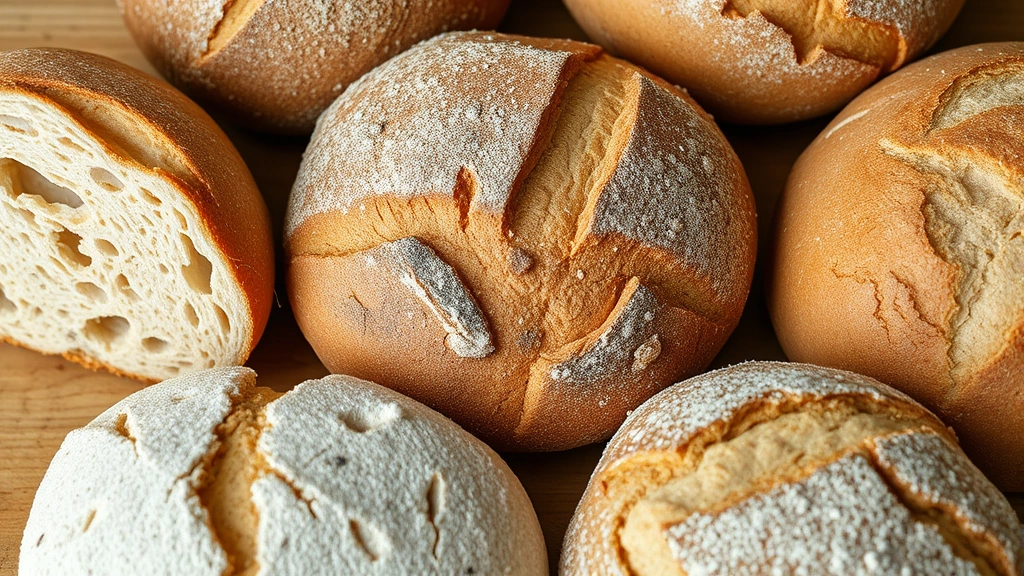
The key word here is “plain.” This means bread with no salt, sugar, seasoning, or any other additives. When bread is toasted, it becomes slightly harder and may be easier for your dog to digest, though this isn’t a significant advantage. Many dog owners find that plain bread can occasionally serve as a low-calorie treat or training reward, especially if you’re trying to maintain your dog’s weight.
Types of Bread to Avoid
Not all bread is created equal when it comes to dog safety. Several types of bread and bread-related products pose serious health risks to your canine companion and should never be fed to your dog.
Bread with Xylitol
This is perhaps the most dangerous type of bread for dogs. Xylitol is an artificial sweetener used in many “sugar-free” breads and baked goods. According to the Humane Society’s resource on bread for dogs, xylitol is extremely toxic to dogs and can cause severe hypoglycemia, liver damage, and even death. Even small amounts can be fatal, so always check ingredient labels carefully.
Bread with Raisins or Grapes
Some breads contain raisins, particularly certain types of whole wheat and specialty breads. Grapes and raisins are toxic to dogs and can cause acute kidney failure. Never give your dog any bread containing these ingredients, as the consequences can be life-threatening.
Garlic and Onion Bread
Flavored breads, particularly those containing garlic or onions, should be strictly avoided. Both garlic and onions contain compounds called thiosulfates that can damage dogs’ red blood cells and cause hemolytic anemia. This applies to all forms—fresh, powdered, or cooked.
High-Sodium Breads
Many commercial breads contain significant amounts of salt. Excessive sodium can lead to salt toxicity in dogs, causing vomiting, diarrhea, tremors, and in severe cases, seizures. Always opt for unsalted varieties if you choose to share bread with your dog.
Chocolate or Nut-Containing Breads
Breads with chocolate chips or macadamia nuts are dangerous. Chocolate contains theobromine, which is toxic to dogs, and macadamia nuts can cause weakness and tremors. Additionally, many nut butters used in bread contain xylitol.
Nutritional Value of Bread for Dogs
From a nutritional standpoint, bread offers very little that your dog actually needs. While it does contain some carbohydrates, fiber, and B vitamins, these nutrients are already present in adequate amounts in quality dog food.
A typical slice of white bread contains approximately 80-100 calories and very little protein or fat. For a small dog, this represents 5-10% of their daily caloric intake with minimal nutritional benefit. When considering can dogs eat rice, which offers similar carbohydrates, you’ll find bread provides even fewer beneficial nutrients than whole grains.
The carbohydrates in bread are rapidly converted to glucose in your dog’s bloodstream, which can lead to blood sugar spikes. This is particularly concerning for dogs with diabetes or those predisposed to weight gain. If your dog is on a carefully balanced diet—especially one prescribed for specific health conditions—adding bread can disrupt that balance.
Proper Portion Guidelines
If you decide to occasionally give your dog plain bread, strict portion control is essential. The general rule is that treats should comprise no more than 10% of your dog’s daily caloric intake, with the remaining 90% coming from their regular dog food.
For different dog sizes, here are appropriate portions:
- Small dogs (under 10 lbs): A small piece or corner of a slice, no more than once per week
- Medium dogs (10-50 lbs): Half a slice, no more than once or twice per week
- Large dogs (over 50 lbs): Up to one full slice, no more than once or twice per week
Remember that bread should never replace actual nutritious treats. When considering training rewards, items like can dogs eat white rice or low-calorie vegetables are often better options. Always ensure that adding bread doesn’t cause your dog to exceed their daily caloric needs, as this can quickly lead to weight gain and associated health problems.

Digestive Concerns and Risks
While plain bread isn’t toxic, it can cause several digestive issues in some dogs. Understanding these potential problems helps you make informed decisions about whether bread is appropriate for your specific pet.
Gastrointestinal Upset
Some dogs have sensitive digestive systems and may experience vomiting, diarrhea, or constipation after consuming bread. This is especially true for dogs with inflammatory bowel disease or other digestive conditions. If your dog has a sensitive stomach, bread is best avoided entirely.
Bloating and Gas
Bread can ferment in the digestive tract, causing bloating, gas, and discomfort. This risk is higher in deep-chested dog breeds prone to bloat, where even mild digestive disturbance can be problematic.
Choking Hazard
Fresh bread can become sticky and doughy in the mouth, potentially causing choking. Always ensure bread is soft enough that your dog can chew and swallow it safely, or consider toasted varieties that are firmer.
Dough Expansion Risk
Raw bread dough is particularly dangerous for dogs. As dough rises in the stomach, it can expand rapidly, causing bloating, vomiting, and potentially requiring emergency surgery. Raw dough also contains yeast, which produces ethanol and can lead to alcohol toxicity. Never allow your dog access to unbaked dough.
Healthy Bread Alternatives
If you’re looking to give your dog a treat or training reward, there are many options far superior to bread. These alternatives provide better nutritional value and pose fewer risks.
Whole grains like can dogs have brown rice offer more fiber and nutrients than bread. Rice is easier to digest and less likely to cause gastrointestinal upset. Fresh vegetables such as carrots, green beans, and sweet potatoes are low in calories, high in nutrients, and excellent for dental health.
Protein-based treats like plain cooked chicken, turkey, or lean beef provide essential amino acids and satisfy your dog’s natural carnivorous instincts better than carbohydrate-heavy bread. Many dogs find these treats far more rewarding and appealing than bread anyway.
For special occasions, consider dog-specific treats formulated to meet canine nutritional needs. These are designed with appropriate mineral and vitamin ratios and don’t contain potentially harmful ingredients. Frozen treats made from dog-safe ingredients like peanut butter (xylitol-free), pumpkin, or yogurt can be more exciting than plain bread.
Bread in Emergency Situations
There are rare scenarios where bread might serve a purpose in emergency situations, though it should never be a primary solution.
If a dog has accidentally ingested something toxic and you’re waiting for veterinary care, plain bread might help slow gastric motility and potentially protect the stomach lining temporarily. However, this should only be done under veterinary guidance, as it’s not appropriate for all toxins.
In truly dire survival situations, plain bread is safe enough as an emergency food source for a short period. However, this should never be confused with appropriate emergency preparedness, which should include proper emergency dog food supplies.
If your dog has accidentally consumed dangerous bread varieties (those containing xylitol, grapes, or chocolate), or if they’ve eaten raw dough, seek immediate veterinary attention. Contact your veterinarian or an emergency animal clinic right away, as these situations can be life-threatening.
Frequently Asked Questions
Can dogs eat bread crust?
Yes, plain bread crust is safe for dogs in small amounts. Crust is slightly harder and may be easier to chew and digest than soft bread. However, the same nutritional principles apply—it offers minimal nutritional value and should only be given occasionally as a treat.
Can dogs eat can dogs eat pancakes?
Plain pancakes without syrup, chocolate, or excessive butter are technically safe in very small quantities, but they share the same issues as bread—mostly empty calories with minimal nutritional benefit. Never give your dog pancakes with added ingredients like chocolate chips or syrup.
Is sourdough bread safe for dogs?
Plain sourdough without seeds, nuts, or seasonings is generally safe for dogs. The fermentation process actually makes some nutrients more bioavailable. However, it still offers minimal nutritional value and should only be given occasionally in small amounts.
Can dogs eat can dogs eat pretzels?
Unsalted, plain pretzels are technically safe for dogs, though they’re similarly devoid of nutritional value. Most commercial pretzels contain excessive salt, making them inappropriate for canine consumption. Always check ingredient labels and avoid any with salt, sugar, or seasonings.
What should I do if my dog ate bread with xylitol?
This is a medical emergency. Contact your veterinarian or emergency animal clinic immediately. Xylitol causes rapid insulin release, leading to severe hypoglycemia. Even small amounts can be fatal, so don’t wait to see if symptoms develop. Bring the bread package with you to the vet so they can assess the xylitol content.
Can puppies eat bread?
Puppies have developing digestive systems and shouldn’t be given bread regularly. Their nutritional needs are very specific for proper growth and development. Stick to puppy-formulated food and age-appropriate treats. If you want to give bread occasionally, wait until your dog is fully grown and use even smaller portions than recommended for adult dogs.
Is whole wheat bread better than white bread for dogs?
Whole wheat bread is marginally better nutritionally, containing more fiber and slightly more nutrients than white bread. However, the difference is negligible in the context of a balanced dog diet. Both should be given sparingly if at all. When considering grain options, can dogs have rice as an alternative grain provides better digestibility for most dogs.
Can bread help with an upset stomach?
While plain bread was historically recommended for upset stomachs, modern veterinary nutrition suggests better alternatives. Plain boiled rice or pumpkin puree are more effective and easier to digest. If your dog has gastrointestinal upset, consult your veterinarian rather than self-treating with bread.
How do I know if my dog has eaten too much bread?
Signs of overconsumption include vomiting, diarrhea, constipation, lethargy, or abdominal discomfort. If your dog exhibits any of these symptoms after eating bread, contact your veterinarian. Monitor your dog’s weight and body condition regularly—weight gain may indicate excessive treat consumption.





