
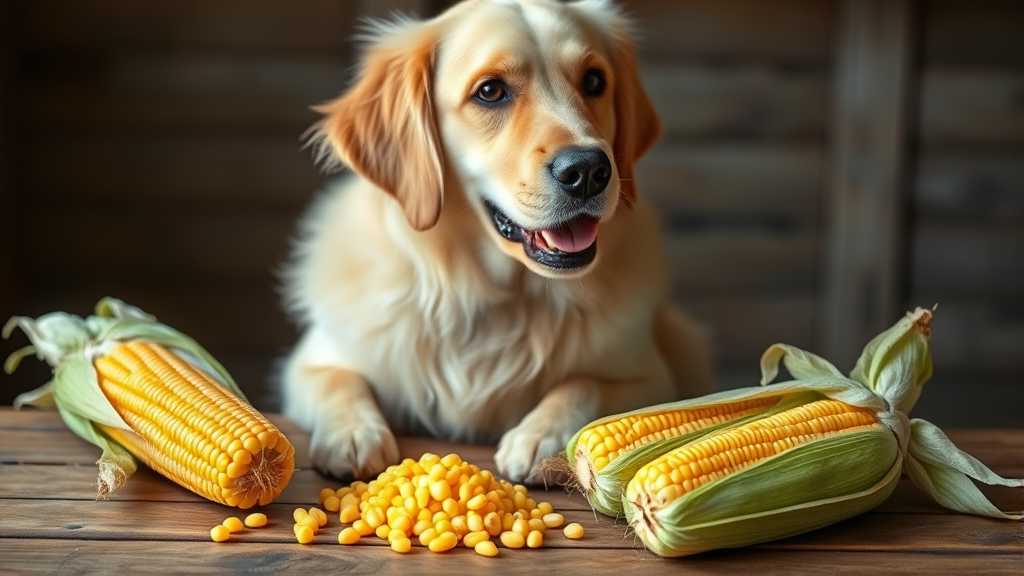
As pet owners, we often find ourselves questioning whether our furry friends can safely enjoy the same foods we do. Corn, a staple grain in many human diets, is one such food that frequently appears on our dinner plates and raises questions about its safety for dogs. Whether it’s leftover corn on the cob from a summer barbecue or corn kernels mixed into your dog’s commercial food, understanding the relationship between dogs and corn is crucial for responsible pet ownership.
The short answer is yes, dogs can eat corn in moderation, but there are important considerations every pet owner should understand before sharing this golden grain with their canine companion. From nutritional benefits to potential risks, preparation methods to serving sizes, there’s much more to know about feeding corn to dogs than meets the eye. This comprehensive guide will explore everything you need to know about corn and dogs, helping you make informed decisions about your pet’s diet.
Nutritional Value of Corn for Dogs
Corn offers several nutritional benefits that can contribute to your dog’s overall health when consumed appropriately. This cereal grain contains essential nutrients including carbohydrates, fiber, protein, and various vitamins and minerals. Can dogs eat corn safely while gaining these nutritional advantages? The answer lies in understanding what corn brings to the table nutritionally.
The primary macronutrient in corn is carbohydrates, which serve as an energy source for active dogs. Corn also contains dietary fiber, which supports healthy digestion and can help regulate bowel movements. Additionally, corn provides small amounts of protein, though it’s not a complete protein source like meat. The grain contains essential vitamins such as vitamin A, which supports eye health and immune function, and B-complex vitamins that aid in energy metabolism.
From a mineral perspective, corn contains phosphorus for bone health, magnesium for muscle function, and potassium for heart health. However, it’s important to note that while these nutrients are beneficial, corn should never replace the primary protein sources in your dog’s diet. According to the FDA’s guidance on pet food nutrition, dogs require a balanced diet with appropriate protein levels as their foundation.
Safety Considerations and Risks
While corn can be safe for most dogs, there are several important safety considerations that every pet owner must understand. The most significant risk comes from corn cobs, which pose a serious choking hazard and can cause intestinal blockage if swallowed. Dogs should never be given access to corn cobs, as they can become lodged in the digestive tract and require emergency surgical removal.
Some dogs may have allergies or sensitivities to corn, though true corn allergies are relatively rare. Signs of corn sensitivity can include digestive upset, skin irritation, or excessive scratching. If you notice any adverse reactions after feeding corn to your dog, discontinue immediately and consult your veterinarian. Can dogs have corn if they show signs of food sensitivities? It’s best to avoid corn entirely for sensitive dogs.
Another consideration is the high carbohydrate content in corn, which can contribute to weight gain if fed in large quantities. Overweight dogs or those with diabetes should have limited or no corn in their diet. The American Veterinary Medical Association emphasizes the importance of maintaining proper weight in dogs to prevent various health issues.
Safe Preparation Methods
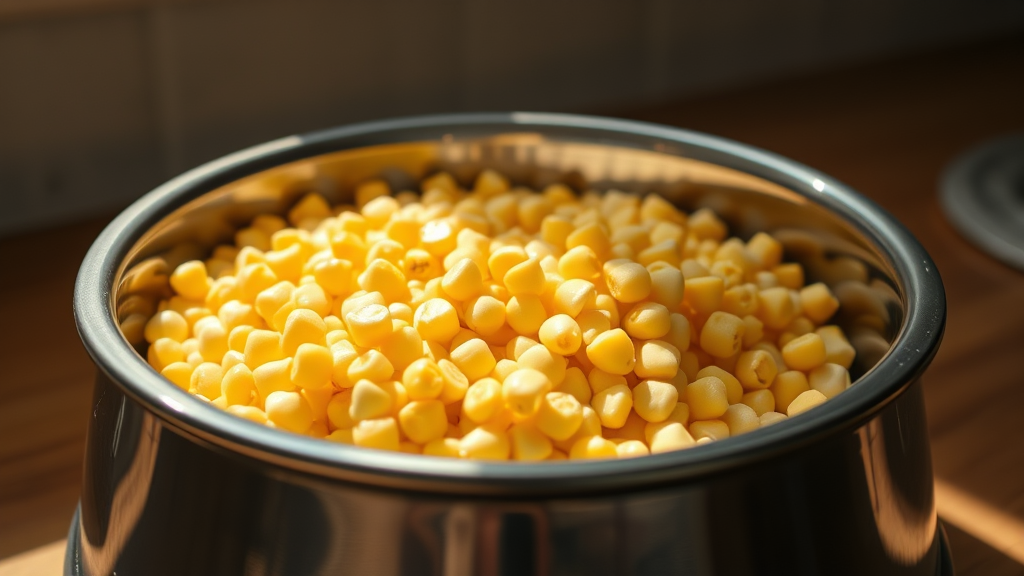
Proper preparation is crucial when feeding corn to your dog. Always remove kernels from the cob before serving, as the cob itself is dangerous for dogs to consume. Fresh corn kernels should be cooked without any seasonings, butter, salt, or other additives that could be harmful to dogs. Steaming or boiling plain corn kernels is the safest preparation method.
Canned corn can be an option, but only if it’s packed in water without added salt, sugar, or preservatives. Always rinse canned corn thoroughly before serving to remove excess sodium. Frozen corn kernels are also acceptable when thawed and served plain. Avoid corn products like popcorn with butter and salt, corn chips, or any processed corn snacks designed for human consumption.
When introducing corn to your dog’s diet, start with small amounts to gauge their tolerance. A few kernels mixed into their regular food is sufficient for initial testing. Is corn good for dogs when prepared correctly? Yes, but moderation and proper preparation are key to safety.
Serving Size Guidelines and Frequency
Determining the appropriate serving size for corn depends on your dog’s size, weight, and overall diet. As a general rule, treats and additional foods like corn should comprise no more than 10% of your dog’s daily caloric intake. For small dogs under 20 pounds, a tablespoon of corn kernels is sufficient. Medium dogs (20-50 pounds) can have up to two tablespoons, while larger dogs over 50 pounds may have up to three tablespoons.
Frequency is equally important as portion size. Corn should be offered as an occasional treat rather than a daily addition to your dog’s diet. Once or twice a week is appropriate for most healthy dogs. Remember that corn is relatively high in calories and carbohydrates, so regular feeding could lead to weight gain or nutritional imbalances.
Monitor your dog’s response to corn each time you offer it. Some dogs may experience digestive upset even with small amounts, while others tolerate it well. Always adjust serving sizes based on your individual dog’s needs and health status. The American Kennel Club provides additional guidance on safe vegetable and grain portions for dogs.

Healthy Grain Alternatives for Dogs
If you’re looking for grain alternatives that might be better suited for your dog, several options offer excellent nutritional benefits. Can dogs eat rice as a safer alternative? Rice, particularly brown rice, is often easier for dogs to digest and provides similar carbohydrate energy without some of the concerns associated with corn.
Can dogs eat quinoa for additional protein? Quinoa is considered a superfood that offers complete proteins along with essential amino acids. It’s generally well-tolerated by dogs and provides more nutritional density than corn. Can dogs eat brown rice for fiber benefits? Brown rice offers more fiber and nutrients than white rice while being gentler on the digestive system than corn.
Other healthy grain alternatives include oats, which are rich in beta-glucan fiber and can support heart health. Barley is another option that provides selenium and other minerals beneficial for dogs. When considering can dogs eat maize (another term for corn), remember that the same guidelines apply regardless of the terminology used.
Corn in Commercial Dog Foods
Many commercial dog foods contain corn as an ingredient, often listed as corn meal, ground corn, or corn gluten meal. This inclusion has sparked debate among pet owners and veterinarians about the appropriateness of corn in dog food. When used in high-quality commercial foods, corn can provide valuable carbohydrates and energy for active dogs.
However, the quality and processing of corn in commercial foods varies significantly. Some manufacturers use corn as an inexpensive filler, while others incorporate it as part of a balanced nutritional profile. The key is understanding how to read pet food labels and choosing products from reputable manufacturers that prioritize nutritional balance over cost reduction.
If you’re concerned about corn in your dog’s commercial food, look for grain-free alternatives or foods that list meat as the primary ingredient. The Association of American Feed Control Officials (AAFCO) provides guidelines for pet food standards and can help you make informed choices about commercial dog foods.
Warning Signs and When to Avoid Corn
Recognizing warning signs that indicate corn may not be suitable for your dog is crucial for their health and safety. Is corn bad for dogs in certain circumstances? Yes, particularly for dogs with specific health conditions or sensitivities.
Watch for signs of digestive upset including vomiting, diarrhea, excessive gas, or changes in bowel movements after feeding corn. Skin reactions such as itching, redness, or hot spots may indicate an allergic response. Behavioral changes like lethargy or loss of appetite could also signal that corn doesn’t agree with your dog’s system.
Dogs with diabetes should avoid corn due to its high glycemic index, which can cause blood sugar spikes. Overweight dogs should also have limited or no corn in their diet. Senior dogs with sensitive digestive systems may have difficulty processing corn and could benefit from easier-to-digest alternatives. According to The Humane Society, monitoring your dog’s reaction to new foods is essential for maintaining their health.
Frequently Asked Questions
Can puppies eat corn safely?
Puppies can eat small amounts of plain, cooked corn kernels once they’re eating solid food, typically after 8 weeks of age. However, their digestive systems are more sensitive than adult dogs, so introduce corn very gradually and in tiny amounts. Always remove kernels from the cob and ensure the corn is plain without any seasonings. Monitor puppies closely for any signs of digestive upset, and consult your veterinarian before adding any new foods to a puppy’s diet.
What should I do if my dog accidentally ate a corn cob?
If your dog ate a corn cob, contact your veterinarian immediately or call an emergency animal hospital. Corn cobs can cause serious intestinal blockage and may require surgical removal. Watch for symptoms like vomiting, loss of appetite, lethargy, difficulty defecating, or signs of abdominal pain. Do not induce vomiting unless specifically instructed by a veterinary professional, as this could cause additional complications.
Is popcorn safe for dogs to eat?
Plain, air-popped popcorn without salt, butter, or other seasonings can be safe for dogs in very small quantities as an occasional treat. However, avoid movie theater popcorn, flavored varieties, or popcorn with any additives. The kernels should be fully popped to prevent choking hazards, and unpopped kernels should be removed. Many veterinarians recommend avoiding popcorn altogether due to the potential choking risk and lack of nutritional benefits.
How can I tell if my dog is allergic to corn?
Signs of corn allergy in dogs include digestive issues like vomiting, diarrhea, or excessive gas, as well as skin problems such as itching, redness, hot spots, or excessive scratching. Some dogs may also experience ear infections or respiratory symptoms. If you suspect a corn allergy, eliminate corn from your dog’s diet completely and consult your veterinarian. They may recommend an elimination diet or allergy testing to confirm the diagnosis.
Can dogs eat corn silk or corn husks?
Dogs should not eat corn silk or corn husks. While not toxic, these parts of the corn plant are difficult to digest and can cause intestinal blockage or choking. Corn husks are particularly dangerous as they can become lodged in the digestive tract. Always remove all husks and silk before offering any corn to your dog, and dispose of these parts where your dog cannot access them.
Is frozen or canned corn better for dogs than fresh corn?
Fresh corn is generally the best option when properly prepared, but frozen corn (without seasonings) is also acceptable when thawed. If using canned corn, choose varieties packed in water without added salt, sugar, or preservatives, and rinse thoroughly before serving. Fresh corn allows you to control the preparation process completely, ensuring no harmful additives are included. Regardless of the type, always serve corn plain and in moderation.
Can corn help with my dog’s digestive issues?
Corn contains fiber that may help with some digestive issues, but it’s not typically recommended as a primary solution for digestive problems in dogs. Dogs with sensitive stomachs may actually find corn harder to digest than other grains like rice. If your dog has chronic digestive issues, consult your veterinarian for appropriate dietary recommendations rather than trying to self-treat with corn or other foods. A veterinarian can recommend appropriate therapeutic diets or treatments based on your dog’s specific needs.





