

Can Dogs Eat Poppy Seeds? Safety Tips for Pet Owners
If you’ve ever wondered whether those tiny poppy seeds scattered on your bagel are safe for your furry friend, you’re asking the right question. As a dog owner, it’s natural to want to share your favorite foods with your pup, but not all human foods are created equal when it comes to canine safety. Poppy seeds are one of those ingredients that deserves a closer look before you toss them Fido’s way.
The short answer? It’s complicated. While a stray poppy seed here and there won’t send your dog to the emergency vet, there are legitimate concerns about poppy seeds that every responsible pet owner should understand. From their botanical origins to their potential effects on your dog’s system, we’re diving deep into everything you need to know about poppy seeds and canine health.
Think of this guide as your comprehensive resource for making informed decisions about what treats and foods make it into your dog’s bowl. Because let’s face it, keeping our four-legged companions healthy and happy is what we’re all about here at Your Local Scoop.
What Are Poppy Seeds?
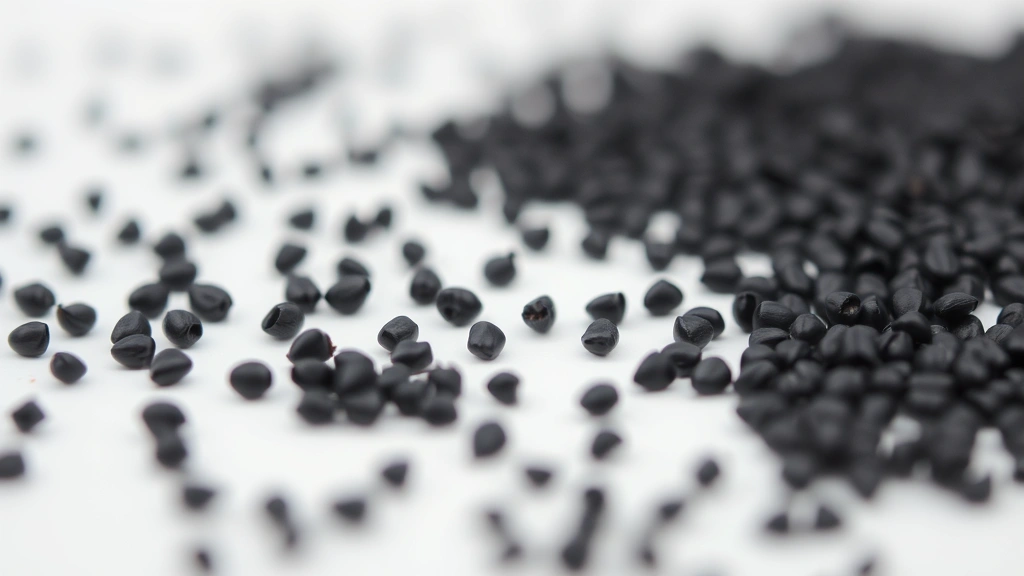
Poppy seeds come from the opium poppy plant (Papaver somniferum), a flowering plant that’s been cultivated for thousands of years. These tiny black or white seeds are popular in baking, cooking, and as toppings for bagels, muffins, and salads. They’re packed with nutrients like calcium, magnesium, and fiber, making them a nutritious addition to human diets.
The poppy plant itself contains various alkaloid compounds, which are naturally occurring organic substances found in many plants. While these alkaloids serve important purposes in human nutrition and traditional medicine, they present a different story when it comes to our canine companions. The concentration and type of alkaloids can vary significantly depending on where the poppy seeds are sourced and how they’re processed.
What makes poppy seeds particularly interesting from a toxicology standpoint is that they can contain trace amounts of opiates—yes, the same compounds found in opium. This is where things get serious for dog owners. The poppy plant naturally produces these alkaloids as part of its biochemistry, and while the amounts in culinary poppy seeds are typically very small, they’re still present.
Toxicity Concerns for Dogs
Here’s where we need to get real about poppy seeds and your dog’s health. The primary concern with poppy seeds for dogs isn’t a bacterial or chemical additive—it’s the naturally occurring alkaloids, particularly morphine and codeine, that are present in the seeds themselves. Dogs metabolize these compounds differently than humans do, making them more susceptible to their effects.
The ASPCA Animal Poison Control Center has documented cases of dogs experiencing adverse reactions to poppy seed consumption. While accidental ingestion of a single poppy seed is unlikely to cause serious harm, consuming larger quantities—like eating an entire poppy seed muffin or bagel—poses genuine risks.
Dogs have a lower body weight than humans, which means the concentration of alkaloids they ingest relative to their body mass can be much higher. A 10-pound Chihuahua eating the same amount of poppy seeds as a 170-pound human would experience significantly different effects. This is why portion size and frequency matter tremendously when discussing any potentially toxic food.
The alkaloid concentration in poppy seeds can also vary based on agricultural practices, growing conditions, and seed origin. Seeds sourced from certain regions may contain higher levels of morphine and codeine than others. This variability makes it even more difficult to predict exactly how much could be safely consumed, which is why veterinarians typically recommend avoiding them altogether.
Understanding Alkaloid Content
To understand why poppy seeds are problematic for dogs, we need to talk about alkaloids in more detail. Alkaloids are nitrogen-containing compounds that plants produce, often as a defense mechanism against insects and pests. In poppy plants, the primary alkaloids of concern are morphine, codeine, and papaverine.
Research published in peer-reviewed journals has shown that poppy seeds can contain measurable amounts of these opioid alkaloids. A study examining the alkaloid content of culinary poppy seeds found concentrations ranging from trace amounts to several micrograms per gram of seeds, depending on the seed source. While these amounts might seem negligible, remember that we’re talking about a species that weighs significantly less than humans.
When a dog ingests poppy seeds, these alkaloids are absorbed through the digestive system and can affect the central nervous system and other bodily functions. The effects depend on several factors: the dog’s weight, the amount consumed, the concentration of alkaloids in the specific seeds, and the individual dog’s sensitivity to opioids.
It’s worth noting that the American Kennel Club maintains a list of toxic foods for dogs, and while poppy seeds aren’t always highlighted as prominently as chocolate or xylitol, they’re still considered a food item to avoid. The reason they don’t make some “most dangerous” lists is that most dogs won’t consume large quantities of poppy seeds on their own.
Symptoms of Poppy Seed Poisoning
If your dog has somehow managed to consume a significant quantity of poppy seeds, knowing the warning signs is crucial. Poppy seed poisoning in dogs can manifest in several ways, and the severity depends on the amount consumed and your individual dog’s sensitivity.
Common symptoms of poppy seed toxicity include:
- Lethargy and depression – Your normally energetic pup might become unusually sluggish and unresponsive
- Dilated pupils – The alkaloids can affect the nervous system, causing noticeable changes in pupil size
- Tremors or muscle twitching – Involuntary muscle movements may occur
- Loss of appetite – Your dog might refuse meals or treats
- Vomiting and diarrhea – Gastrointestinal upset is common with many toxins
- Difficulty breathing – In severe cases, respiratory depression can occur
- Seizures – This represents a serious medical emergency requiring immediate veterinary attention
- Weakness or inability to stand – The alkaloids can affect motor control
If you notice any of these symptoms after your dog has consumed poppy seeds, contact your veterinarian immediately. Time is of the essence, and providing your vet with information about what your dog ate and approximately how much can help them provide appropriate treatment. Don’t wait to see if symptoms improve on their own—get professional help right away.
Safe Seed Alternatives for Dogs
The good news is that there are plenty of seed options that are actually beneficial for your dog and completely safe. If you want to give your pup the nutritional benefits of seeds without the risks, several alternatives exist that veterinarians commonly recommend.
Pumpkin seeds are an excellent choice for dogs, offering fiber, magnesium, and other nutrients that support digestive and urinary health. Many veterinarians actually recommend pumpkin seeds as part of a balanced diet for dogs.
Chia seeds are another fantastic option that provide omega-3 fatty acids and fiber. These tiny seeds can support skin and coat health while also promoting digestive wellness. They’re safe in appropriate quantities and can even be mixed into your dog’s regular food.
If you’re curious about other seed options, sesame seeds are generally safe for dogs in moderation, though they’re not as nutrient-dense as some other options. When considering any new food for your dog, it’s always wise to introduce it gradually and in small amounts to monitor for any adverse reactions.
For dogs with specific health needs, your veterinarian might recommend particular seeds or supplements. Some dogs benefit from flaxseeds for their omega-3 content, while others might do well with sunflower seeds. The key is choosing options that have been proven safe for canine consumption.
It’s also worth noting that when comparing seeds to other potential treats, you might wonder about which nuts can dogs eat. The same principle applies—some nuts are safe while others pose serious risks. Always research before offering any new food item to your furry friend.
Prevention and Safety Tips
The best approach to poppy seed safety is prevention. Since your dog can’t tell you they ate something potentially harmful, it’s up to you to keep dangerous foods out of reach and educate your family members about what’s safe for your pup.
Keep poppy seed foods secured: Store bagels, muffins, cakes, and other foods containing poppy seeds in places your dog can’t access. This includes countertops, dining tables, and open pantries. Many dogs are surprisingly resourceful when it comes to finding food, so think vertically when storing items.
Educate family and guests: Make sure everyone in your household and visiting family members understand that poppy seeds are off-limits for your dog. Well-meaning relatives might not realize the risks and could accidentally share a poppy seed bagel with Fido.
Read ingredient labels: Some baked goods and food products contain poppy seeds as a minor ingredient. Always check labels before offering any human food to your dog, especially processed or packaged items.
Be cautious with restaurant foods: When eating out, remember that many bagels, rolls, and desserts contain poppy seeds. Keep your dog away from your plate, and don’t assume a food is safe just because it came from a restaurant.
Speaking of foods to avoid, if you’re concerned about poppy seeds, you should also be aware of other dangerous ingredients. For instance, black pepper and other spices can also be problematic for dogs, and certainly chocolate is toxic to dogs and should never be given as a treat.
Contact poison control if needed: The Pet Poison Helpline and ASPCA Animal Poison Control are excellent resources if your dog ingests something potentially dangerous. They can provide guidance on whether your specific situation requires emergency veterinary care.
Maintain a pet first aid kit: While you’re being proactive about prevention, it’s also wise to have a pet first aid kit readily available. Include information about your veterinarian’s contact details and the nearest emergency vet clinic.
Frequently Asked Questions
Will a single poppy seed hurt my dog?
A single poppy seed is extremely unlikely to cause any harm to your dog. The concern arises with larger quantities, such as consuming an entire poppy seed muffin or bagel. The alkaloid concentration in one seed is so minimal that it poses negligible risk. However, it’s still best to prevent your dog from eating poppy seed-containing foods as a matter of principle, since you can’t predict exactly how many seeds they might consume if given the opportunity.
What should I do if my dog ate a poppy seed muffin?
Don’t panic, but do take action. First, try to estimate how much your dog ate and note the time of consumption. Monitor your dog closely for the next 24-48 hours for any of the symptoms mentioned earlier. If your dog appears lethargic, has dilated pupils, or shows any other concerning signs, contact your veterinarian or an emergency vet clinic immediately. Having this information ready will help your vet provide appropriate care if needed.
Are there any health benefits to giving dogs poppy seeds?
While poppy seeds do contain some nutrients like calcium and magnesium, the potential risks far outweigh any nutritional benefits for dogs. There are numerous other seed and food options that provide similar nutrients without the associated risks. Your dog can get all the nutrition they need from a high-quality dog food and safer supplement options.
How do I know if my dog is having an allergic reaction versus poppy seed poisoning?
Allergic reactions typically present with symptoms like itching, hives, swelling, or gastrointestinal upset, and they develop over time with repeated exposure. Poppy seed toxicity from alkaloid ingestion is more likely to cause neurological symptoms like tremors, dilated pupils, lethargy, or difficulty breathing. If you’re unsure, always contact your veterinarian for professional assessment.
Can small dogs be more affected by poppy seeds than large dogs?
Absolutely. A small dog’s body weight means that the same quantity of poppy seeds represents a much higher dose relative to their size. A Chihuahua consuming a few poppy seeds might experience effects that a 70-pound Labrador wouldn’t. This is why small breed owners need to be especially vigilant about keeping poppy seed foods away from their pets.
Is there an antidote for poppy seed poisoning?
There’s no specific antidote for poppy seed alkaloid toxicity. Veterinary treatment focuses on supportive care, which might include IV fluids, monitoring vital signs, and managing symptoms. In severe cases, your dog might need to be hospitalized for observation and care. This is another reason why prevention is so much better than trying to treat the problem after it occurs.





