
Yes, dogs can eat rice, and it’s actually one of the safest grains to offer your furry companion. Rice is a bland, easily digestible carbohydrate that veterinarians often recommend for dogs with sensitive stomachs or digestive upset. Whether plain white rice, brown rice, or even rice flour, this staple grain provides energy and can be a helpful addition to your dog’s diet when prepared correctly.
Rice has been used in commercial dog foods for decades and is considered a wholesome ingredient by pet nutrition experts. However, like any food, there are important guidelines to follow to ensure you’re feeding rice safely and beneficially to your canine friend. Understanding proper portions, preparation methods, and potential risks will help you make informed decisions about incorporating rice into your dog’s meals.
Is Rice Safe for Dogs?
Rice is absolutely safe for dogs when prepared properly and served in appropriate quantities. The Association of American Feed Control Officials (AAFCO) recognizes rice as a legitimate ingredient in pet food formulations. Most veterinarians agree that plain, cooked rice poses no toxicity risks to canines of any age or breed.
The safety of rice stems from its simple composition and low allergenic properties. Unlike some grains that trigger sensitivities in certain dogs, rice is rarely associated with adverse reactions. This makes it an excellent choice for dogs with food sensitivities or those recovering from gastrointestinal distress. Always ensure the rice is cooked thoroughly, as uncooked rice can be difficult for dogs to digest and may pose choking hazards.
If your dog has never eaten rice before, introduce it gradually in small amounts to monitor for any unusual reactions, though serious issues are uncommon. Watch for signs of digestive upset like vomiting, diarrhea, or constipation during the introduction phase.
Types of Rice and Which Are Best
Not all rice varieties are created equal when it comes to canine nutrition. Understanding the differences helps you choose the best option for your dog’s specific needs.
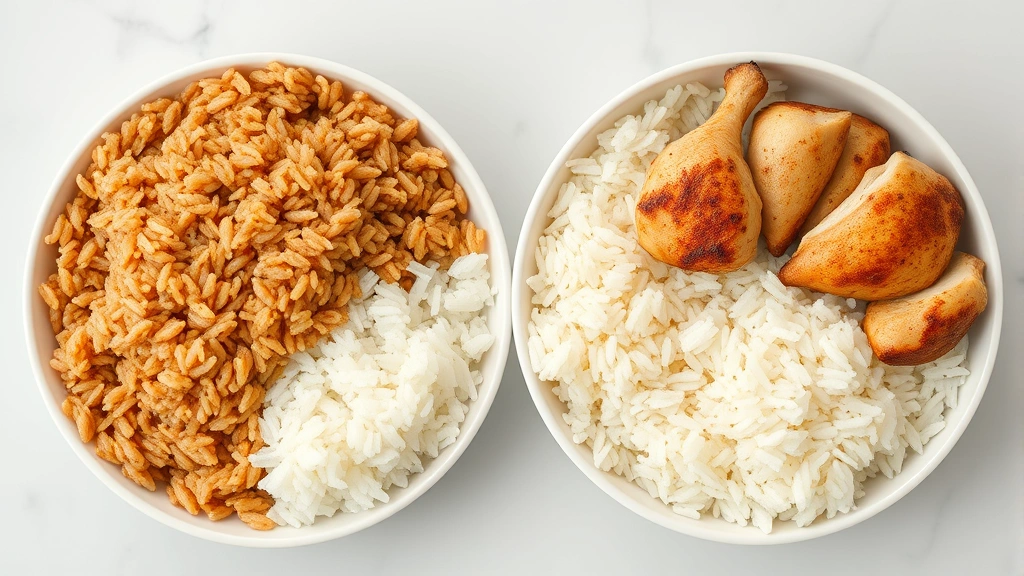
White Rice: This is the most commonly recommended type for dogs, especially those with digestive issues. White rice is easily digestible, bland, and gentle on upset stomachs. It has a lower fiber content than brown rice, making it ideal for dogs experiencing diarrhea or other gastrointestinal problems. Veterinarians frequently suggest white rice as part of a bland diet recovery protocol.
Brown Rice: More nutritious than white rice, brown rice contains additional fiber, vitamins, and minerals. However, it’s slightly harder to digest and takes longer to cook. Brown rice works well for healthy dogs without digestive sensitivities, as the extra nutrients can support overall wellness. It’s a better choice for long-term dietary inclusion rather than short-term digestive recovery.
Jasmine and Basmati Rice: These aromatic varieties are safe for dogs but offer no particular advantage over regular white or brown rice. They can be used occasionally but aren’t necessary for your dog’s diet.
Rice to Avoid: Never give your dog fried rice, as it often contains excessive salt, garlic, onions, or other seasonings that are harmful to dogs. Rice cakes and rice crackers may contain added salt or other ingredients unsuitable for canines. Instant or flavored rice packets should also be avoided due to additives and high sodium content.
When exploring grain options for your dog, you might also consider whether dogs can eat corn or other alternatives to rice.
Nutritional Benefits of Rice for Dogs
Rice provides several nutritional advantages that make it a valuable addition to your dog’s diet:
- Carbohydrates: Rice is an excellent source of energy-providing carbohydrates. These fuel your dog’s daily activities and maintain healthy blood sugar levels when consumed in moderation.
- B Vitamins: Brown rice especially contains B vitamins that support metabolism, nervous system function, and energy production. White rice contains some B vitamins, though in lower quantities due to processing.
- Minerals: Rice provides magnesium, phosphorus, and manganese, which contribute to bone health, enzyme function, and metabolic processes.
- Fiber: Brown rice offers dietary fiber that promotes healthy digestion and regular bowel movements, though white rice has minimal fiber content.
- Gluten-Free: Rice is naturally gluten-free, making it suitable for dogs with gluten sensitivities or celiac-like conditions.
- Hypoallergenic: Rice is one of the least allergenic grains, making it ideal for dogs with grain sensitivities or food allergies.
While rice provides nutritional value, it shouldn’t be your dog’s primary protein source. Instead, combine rice with quality animal proteins like chicken, beef, or fish for balanced nutrition.
How to Prepare Rice for Your Dog
Proper preparation ensures maximum safety and digestibility for your canine companion.
Basic Cooking Method: Cook rice in plain water without adding salt, butter, oils, or seasonings. Use a 2:1 water-to-rice ratio for white rice. Bring water to a boil, add rice, reduce heat, and simmer until rice is tender and water is absorbed (typically 15-20 minutes for white rice, 45 minutes for brown rice). Allow the rice to cool completely before serving to your dog.
Portion Preparation: Cook rice in batches suitable for your dog’s needs. Once cooled, you can refrigerate rice for up to four days in an airtight container. For longer storage, freeze individual portions in ice cube trays for convenient serving sizes.
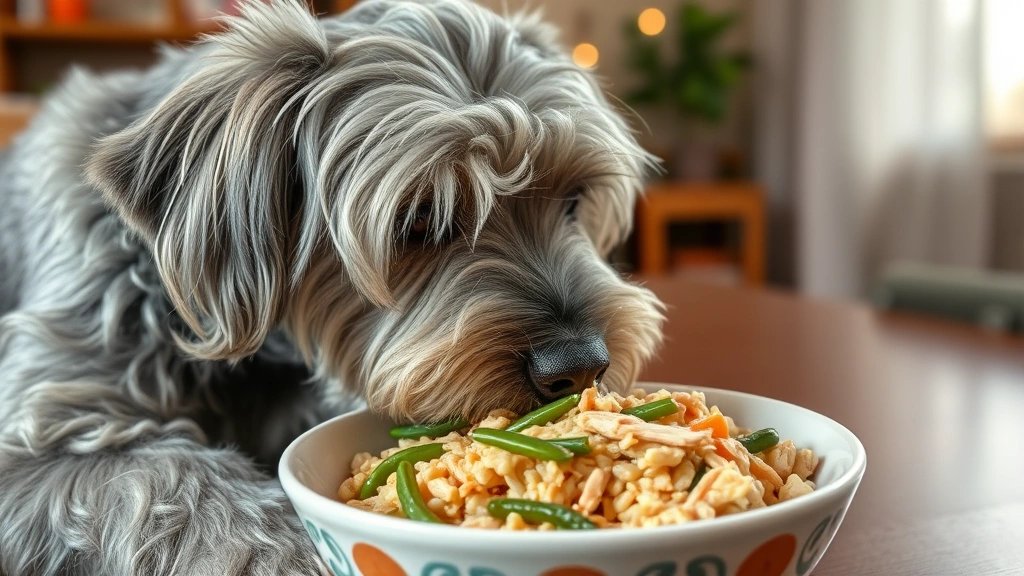
Mixing with Other Foods: Combine cooked rice with lean proteins and dog-safe vegetables for balanced meals. Mix rice with plain boiled chicken, ground turkey, or beef for a nutritious combination. You can also add dog-safe vegetables like carrots for dogs to create a complete meal.
Avoid These Preparation Methods: Never fry rice, add seasonings, or cook it in broth that contains onions or garlic. Don’t use fried rice, rice pilaf, or any rice dish intended for human consumption, as these typically contain harmful additives.
Portion Guidelines and Frequency
Determining appropriate rice portions depends on your dog’s size, age, and overall diet composition.
General Guidelines: Rice should comprise no more than 10% of your dog’s daily caloric intake. For a 50-pound dog, this typically translates to approximately ½ to ¾ cup of cooked rice daily. Smaller dogs (under 25 pounds) should receive ¼ to ½ cup, while larger dogs (over 75 pounds) can handle 1 to 1.5 cups daily.
Frequency: You can offer rice to your dog several times weekly as part of a balanced diet. Some dogs eat rice daily without issues, while others do better with it offered 3-4 times weekly. Listen to your dog’s digestive response and adjust frequency accordingly.
Puppies and Senior Dogs: Both puppies and senior dogs can eat rice, though portion sizes should reflect their smaller appetites. Puppies benefit from rice as an easily digestible carbohydrate source during growth phases. Senior dogs appreciate rice for its digestibility and gentle nature on aging digestive systems.
Weight Considerations: If your dog is overweight, limit rice portions since it’s calorie-dense. Consult your veterinarian about appropriate portions for weight management goals.
Rice for Digestive Issues
Rice is a classic veterinary recommendation for dogs experiencing digestive problems. Many vets suggest the “bland diet” approach combining rice with plain protein.
Diarrhea Treatment: When dogs experience diarrhea, white rice serves as a gentle, binding carbohydrate that helps firm up stools. The American Veterinary Medical Association frequently recommends rice as part of dietary management for acute gastroenteritis. Mix white rice with plain boiled chicken in a 1:1 ratio, offering small portions every 4-6 hours initially, then gradually returning to normal feeding schedules as symptoms improve.
Vomiting Recovery: After vomiting episodes, rice provides easily digestible nutrition without irritating the stomach lining. Start with very small portions (2-3 tablespoons) and gradually increase as your dog tolerates it. Combine with bland proteins like plain boiled chicken or ground turkey.
Sensitive Stomachs: Dogs with chronic digestive sensitivities often thrive on rice-based diets. The bland nature of white rice, combined with appropriate proteins, creates a foundation for sensitive stomach management. Many prescription digestive care diets contain rice as a primary ingredient.
When to Seek Veterinary Care: While rice can help manage mild digestive upset, persistent vomiting, diarrhea lasting more than a few days, or signs of severe illness require veterinary attention. Contact your vet if your dog shows lethargy, loss of appetite, or blood in stool.
Potential Risks and Concerns
While rice is generally safe, several considerations warrant attention:
Arsenic Content: Rice naturally absorbs arsenic from soil and water. The FDA monitors arsenic levels in rice to ensure safety for human consumption. For dogs, occasional rice consumption poses minimal risk, but daily large quantities over extended periods could theoretically accumulate arsenic. Varying your dog’s carbohydrate sources (rotating with sweet potato, oats, or barley) helps minimize potential exposure.
Nutritional Imbalance: Rice alone is incomplete nutrition. Never feed rice as your dog’s sole food source. Always combine rice with quality proteins, healthy fats, and essential nutrients from vegetables and supplements as recommended by your veterinarian.
Caloric Density: Rice is calorie-dense, so excessive portions can contribute to weight gain. Monitor total daily calories, especially for weight-conscious dogs.
Choking Hazard: Always ensure rice is fully cooked and cooled before serving. Uncooked rice kernels pose choking risks, especially for smaller dogs.
Individual Sensitivities: Though rare, some dogs may develop rice sensitivities with repeated exposure over months or years. If your dog suddenly shows allergic symptoms (itching, skin issues, ear infections) after long-term rice consumption, discuss alternatives with your veterinarian.
Rice and Other Safe Foods
Rice pairs well with many dog-safe foods to create nutritious, balanced meals. Your dog may also enjoy other safe vegetables and grains alongside rice.
Combine rice with broccoli for dogs in small quantities for added vitamins and fiber. You might also explore whether dogs can eat cauliflower as a nutritious vegetable addition. For more vegetable options, learn about why carrots are good for dogs and how they complement rice-based meals.
Protein Pairings: The best companions for rice are quality proteins. Plain boiled or baked chicken, lean ground turkey, and lean beef provide essential amino acids. Fish like salmon offers omega-3 fatty acids that support coat and skin health. These proteins should comprise 40-50% of your rice-based meal.
Vegetable Additions: Beyond the vegetables mentioned above, dogs safely enjoy sweet potatoes, green beans, peas, and pumpkin alongside rice. These add fiber, vitamins, and minerals while keeping meals interesting. Limit vegetables to 10-15% of the meal.
Healthy Fats: A small amount of healthy fat aids nutrient absorption and supports skin and coat health. Fish oil supplements, coconut oil (sparingly), or the natural fat from quality proteins provide these benefits.
Foods to Avoid with Rice: Never combine rice with toxic foods like onions, garlic, chocolate, grapes, raisins, xylitol-containing products, or excessive salt. These items can cause serious health issues regardless of rice’s safety.
FAQ
Can puppies eat rice?
Yes, puppies can safely eat rice. In fact, rice is an excellent choice for growing dogs as it provides easily digestible carbohydrates for energy. Use white rice in smaller portions appropriate for their size, and always combine it with high-quality puppy formula or appropriate proteins to ensure complete nutrition during critical growth phases.
Is brown rice better than white rice for dogs?
Brown rice offers more nutritional value with additional fiber, vitamins, and minerals compared to white rice. However, white rice is easier to digest and is preferred for dogs with sensitive stomachs or digestive issues. For healthy dogs without digestive concerns, brown rice is an excellent choice. Alternating between both varieties provides nutritional variety.
Can dogs eat rice every day?
Yes, most healthy dogs can eat rice daily without issues, provided it comprises no more than 10% of their daily caloric intake and is part of a balanced diet with quality proteins and vegetables. However, rotating carbohydrate sources occasionally (sweet potato, oats) provides nutritional variety and minimizes potential risks from any single food.
What should I do if my dog has diarrhea?
Start with small portions of plain white rice mixed with boiled chicken in a 1:1 ratio. Offer this bland diet in small amounts every 4-6 hours. If diarrhea persists beyond 2-3 days, worsens, or includes blood, contact your veterinarian immediately. The ASPCA recommends veterinary consultation for persistent digestive issues.
Can dogs eat rice cakes?
Plain, unsalted rice cakes are technically safe for dogs in moderation, but they offer minimal nutritional value and are often high in calories. Many commercial rice cakes contain added salt, sugar, or other ingredients unsuitable for dogs. It’s better to offer whole cooked rice instead of processed rice cakes.
Is rice good for senior dogs?
Yes, rice is excellent for senior dogs. Its easy digestibility suits aging digestive systems, and the carbohydrates provide energy. Senior dogs often benefit from white rice combined with lean proteins and easily digestible vegetables. The bland nature of rice can help manage the digestive sensitivities that sometimes develop with age.
Can rice cause allergies in dogs?
True rice allergies are uncommon in dogs, as rice is one of the least allergenic grains. However, some dogs may develop sensitivities with prolonged exposure or have underlying grain sensitivities. If your dog shows signs of allergies (itching, skin issues, ear infections, vomiting) potentially related to rice, consult your veterinarian about alternative carbohydrate sources.
How much rice can I give my dog?
Rice should comprise approximately 10% of your dog’s daily caloric intake. For a 50-pound dog, this typically means ½ to ¾ cup of cooked rice daily. Smaller dogs need proportionally less (¼ to ½ cup), while larger dogs can handle more (1 to 1.5 cups). Always adjust portions based on your dog’s size, activity level, and overall diet composition.