
As a devoted dog owner, you’ve likely encountered the dreaded flea infestation at some point. These tiny, persistent parasites don’t just make your furry friend miserable – they can also pose concerns for human family members. One of the most common questions pet parents ask is whether dog fleas can live in human hair, and more importantly, how to prevent this uncomfortable situation from occurring.
Understanding the relationship between dog fleas and human hair is crucial for maintaining a healthy household environment. While dog fleas primarily prefer their canine hosts, they can temporarily jump onto humans under certain circumstances. This comprehensive guide will explore the science behind flea behavior, effective prevention strategies, and what to do if you suspect fleas have made their way into your hair. By implementing the right prevention methods and treatment approaches, you can protect both your family and your beloved pet from these troublesome parasites.
Understanding Dog Fleas and Their Behavior
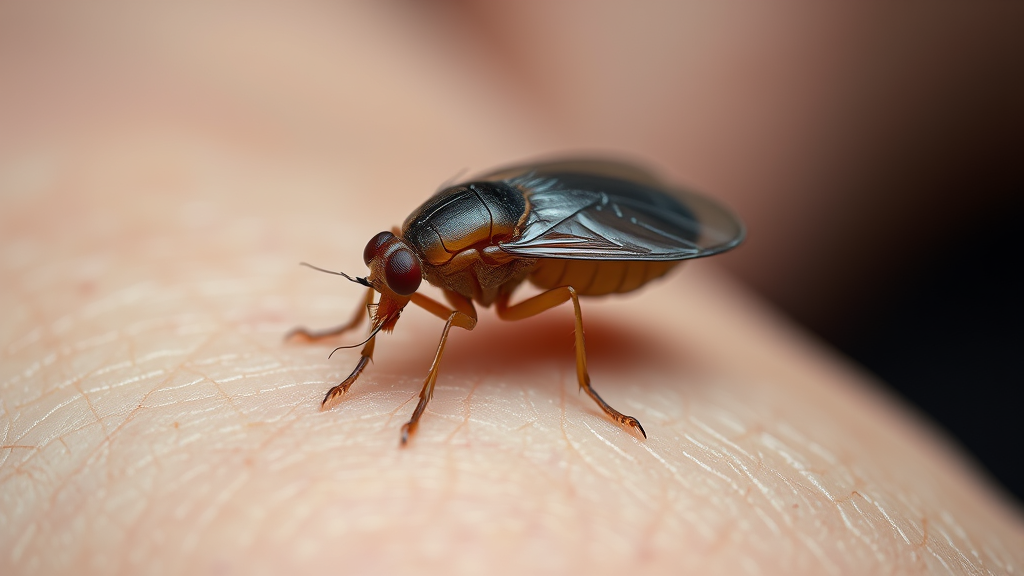
Dog fleas, scientifically known as Ctenocephalides canis, are small, wingless insects that have evolved specifically to parasitize canines. These resilient creatures measure approximately 1-3 millimeters in length and possess powerful hind legs that allow them to jump distances up to 100 times their body length. Understanding their biology is essential for effective prevention and control.
The flea life cycle consists of four distinct stages: egg, larva, pupa, and adult. Adult fleas spend most of their time on their host, feeding on blood and reproducing. Female fleas can lay up to 50 eggs per day, which fall off the host and develop in the surrounding environment. This means that for every flea you see on your dog, there are likely hundreds more in various stages of development throughout your home.
Dog fleas are opportunistic feeders, meaning they will bite humans if their preferred canine host is unavailable. However, they cannot complete their full life cycle on human blood alone. The Centers for Disease Control and Prevention explains that while fleas may bite humans, they typically do not establish permanent populations on human hosts due to biological incompatibilities.
Can Dog Fleas Actually Live in Human Hair?
The short answer is that dog fleas can temporarily reside in human hair, but they cannot establish a permanent colony there. Human hair lacks the specific conditions that dog fleas require for long-term survival and reproduction. The texture, density, and chemical composition of human hair differ significantly from dog fur, making it an unsuitable permanent habitat.
When dog fleas do end up in human hair, it’s typically a temporary situation. They may jump onto humans during feeding attempts or while searching for their preferred canine host. These fleas will usually either jump off within a few hours or die due to the inhospitable environment. The human scalp produces different oils and has a different pH level compared to dog skin, which makes it difficult for fleas to thrive.
However, this doesn’t mean you should ignore the possibility entirely. In heavily infested environments, fleas may temporarily inhabit human hair while searching for a more suitable host. This is particularly common in households where dog fleas have established large populations and are actively seeking blood meals from any available source.
Research published by the National Center for Biotechnology Information indicates that while cross-species flea transmission can occur, it’s typically temporary and doesn’t result in established infestations on inappropriate hosts.
Prevention Strategies for Dog Owners
Preventing fleas from affecting both your dog and your family requires a multi-faceted approach that addresses the source, environment, and potential human contact. The most effective strategy begins with consistent flea prevention for your canine companion. Modern flea preventatives, including topical treatments, oral medications, and flea collars, can provide month-long protection when used correctly.
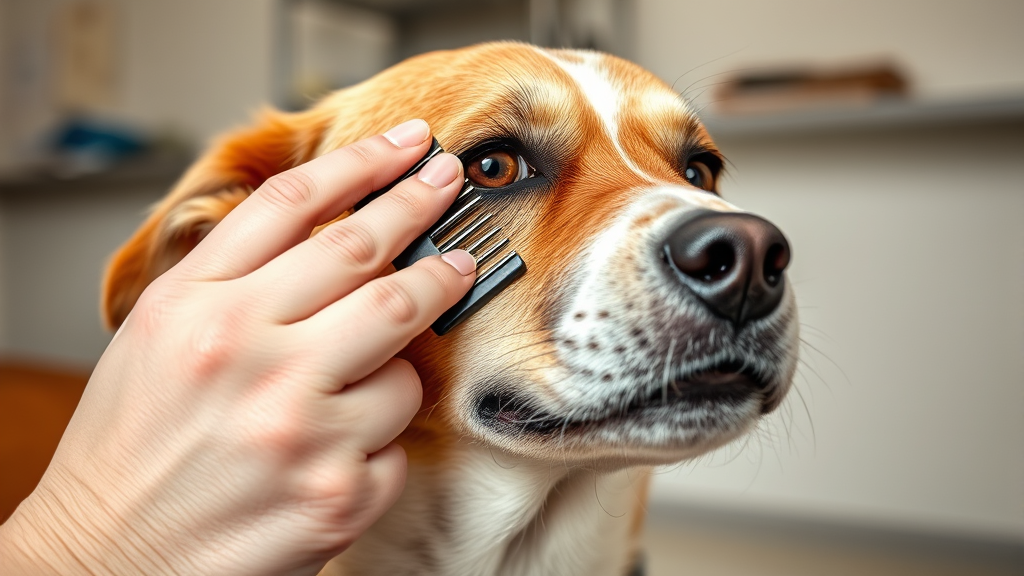
Regular grooming plays a crucial role in early detection and prevention. Brushing your dog daily with a fine-toothed flea comb allows you to spot fleas before they establish a significant population. Pay special attention to areas where fleas commonly hide, including the base of the tail, behind the ears, and around the neck area. Understanding what fleas look like on dogs helps with early identification and prompt treatment.
Maintaining a clean environment is equally important. Vacuum carpets, upholstery, and pet bedding regularly, paying particular attention to areas where your dog spends the most time. Wash your pet’s bedding in hot water weekly, and consider using diatomaceous earth or boric acid in carpeted areas as natural flea deterrents.
Personal protection measures include wearing long pants and socks when in heavily infested areas, using insect repellent containing DEET on exposed skin, and avoiding direct contact with infested animals until they’ve been properly treated. The American Veterinary Medical Association recommends consulting with your veterinarian to develop a comprehensive flea prevention plan tailored to your specific situation.
Identifying Fleas on Humans vs Dogs
Identifying fleas on humans requires different observation techniques compared to spotting them on dogs. On dogs, fleas are often visible as small, dark, fast-moving specks that dart through the fur when disturbed. They leave behind “flea dirt” – small, dark specks that turn reddish-brown when moistened, indicating digested blood.
On humans, fleas are more likely to be found around the ankles, feet, and lower legs, as these areas are closest to the ground where fleas typically jump from. Human flea bites appear as small, red, itchy bumps often arranged in clusters or lines. Unlike mosquito bites, flea bites tend to have a small, central red spot and are intensely itchy.
In human hair, fleas may be more difficult to detect due to their small size and the density of human hair compared to many dog coats. Look for excessive itching of the scalp, small moving specks near the hairline, or the presence of flea dirt on pillowcases or shirt collars. It’s important not to confuse fleas with other parasites – dogs can get lice, but these are different parasites with distinct characteristics.

Professional identification may be necessary in cases where infestations are suspected but difficult to confirm. Dermatologists and veterinarians can provide definitive identification and recommend appropriate treatment protocols. The Mayo Clinic provides detailed information about distinguishing flea bites from other insect bites and skin conditions.
Treatment Methods for Humans and Pets
When fleas are discovered on humans, immediate action is necessary to prevent further discomfort and potential secondary infections from scratching. For humans, treatment focuses on symptom relief and removing any fleas present. Wash hair thoroughly with regular shampoo, paying particular attention to the scalp and hairline areas where fleas might hide.
Anti-itch treatments can provide relief from flea bite symptoms. Over-the-counter antihistamines, topical corticosteroids, and calamine lotion can help reduce itching and inflammation. Avoid scratching bites to prevent secondary bacterial infections. If signs of infection develop, such as increased redness, warmth, or pus, consult a healthcare provider immediately.
For pets, treatment must be more comprehensive and systematic. Modern flea treatments for dogs include fast-acting oral medications that kill adult fleas within hours, topical treatments that provide extended protection, and environmental sprays that target flea eggs and larvae. Never use dog flea treatments on humans, as these products can be toxic to people.
Understanding how dogs get fleas in the first place helps prevent re-infestation. Common sources include contact with other infested animals, contaminated environments, and wildlife. The ASPCA recommends year-round flea prevention as the most effective approach to avoiding flea problems entirely.
Environmental Control and Home Management
Effective flea control extends far beyond treating the affected animals – it requires comprehensive environmental management. Fleas spend only about 5% of their life cycle on the host, with the remaining 95% developing in the surrounding environment. This means that successful flea elimination requires addressing the entire household ecosystem.
Thorough vacuuming is one of the most effective environmental control methods. Vacuum all carpeted areas, upholstery, pet bedding, and cracks between floorboards where flea eggs and larvae might hide. The vibration and suction of vacuuming also stimulates flea eggs to hatch, making them more susceptible to treatment. Dispose of vacuum bags immediately or wash bagless canisters with hot, soapy water.
Steam cleaning carpets and upholstery can eliminate fleas in all life stages. The high temperature kills eggs, larvae, pupae, and adults on contact. Focus on areas where pets spend the most time, including favorite sleeping spots and frequently traveled pathways. Professional pest control services may be necessary for severe infestations that don’t respond to home treatment methods.
Humidity control also plays a role in flea management. Fleas thrive in humid environments, so maintaining indoor humidity below 50% can help prevent flea development. Use dehumidifiers in basements and other damp areas, and ensure proper ventilation throughout the home. The Environmental Protection Agency provides detailed guidance on integrated pest management approaches for flea control.
Long-term Prevention and Maintenance
Maintaining a flea-free environment requires ongoing vigilance and consistent prevention practices. Establish a regular routine that includes monthly flea prevention for all pets, regardless of whether they go outdoors. Indoor pets can still encounter fleas through contact with other animals, contaminated items brought into the home, or fleas that enter on clothing or shoes.
Seasonal considerations are important for flea prevention strategies. Flea activity typically peaks during warm, humid months, but modern heating systems allow fleas to remain active year-round in many climates. Adjust prevention protocols based on local climate conditions and seasonal flea activity patterns in your area.
Regular veterinary consultations ensure that your flea prevention strategy remains effective and up-to-date. New products and treatment methods are continually being developed, and your veterinarian can recommend the most appropriate options based on your pet’s health status, lifestyle, and local flea populations. They can also help identify and address any factors that might make your pet more susceptible to flea infestations.
Education and awareness are crucial components of long-term flea prevention. Understanding the connection between humans getting fleas from dogs helps pet owners take appropriate precautions and respond quickly when problems arise. Stay informed about new developments in flea control and be prepared to adjust your prevention strategy as needed.
The Humane Society emphasizes that consistent, year-round prevention is far more effective and cost-efficient than treating established infestations. By implementing comprehensive prevention strategies and maintaining vigilance, pet owners can successfully protect both their families and their beloved companions from flea-related problems.
Frequently Asked Questions
Can dog fleas permanently live in human hair?
No, dog fleas cannot permanently establish themselves in human hair. While they may temporarily jump onto humans and briefly reside in hair, they cannot complete their full life cycle on human hosts. Human hair lacks the specific conditions, blood composition, and environment that dog fleas require for long-term survival and reproduction. Most fleas will either jump off within hours or die due to the unsuitable conditions.
How can I tell if there are fleas in my hair?
Signs of fleas in human hair include intense itching of the scalp, small dark specks moving near the hairline, and the presence of flea dirt (small black specks that turn reddish-brown when moistened) on pillowcases or clothing. You might also notice small red, itchy bite marks around the neck and scalp area. Use a fine-toothed comb to check for fleas and flea debris, paying special attention to areas behind the ears and at the nape of the neck.
What should I do if I find fleas in my hair?
If you discover fleas in your hair, wash it immediately with regular shampoo, focusing on thorough scrubbing of the scalp and hairline. Use a fine-toothed comb to remove any remaining fleas or debris. Treat any bite symptoms with anti-itch medications like antihistamines or topical treatments. Most importantly, address the source by treating your dog and thoroughly cleaning your home environment to prevent re-infestation.
Are dog fleas dangerous to humans?
While dog fleas are primarily a nuisance to humans, they can pose some health risks. Flea bites can cause allergic reactions, skin irritation, and secondary bacterial infections from scratching. In rare cases, fleas can transmit diseases, though this is much less common with dog fleas compared to other flea species. The main concern is typically the discomfort and itching associated with bites rather than serious health complications.
How long do fleas survive in human hair?
Fleas can only survive in human hair for a very short period, typically a few hours to a couple of days at most. Without access to their preferred canine host and suitable environmental conditions, fleas in human hair will either jump off in search of a better host or die. The human scalp environment is not conducive to flea survival due to different pH levels, oil composition, and hair structure compared to dog fur.
Can I use dog flea shampoo on my hair?
No, never use dog flea shampoo or other pet flea treatments on human hair or skin. These products contain chemicals that can be toxic to humans and may cause severe skin irritation, chemical burns, or other adverse reactions. Stick to regular human shampoo for washing hair and consult a healthcare provider if you need specific treatment for flea-related issues.
How do I prevent dog fleas from jumping onto me?
Prevent dog fleas from jumping onto you by maintaining consistent flea prevention for your pet, wearing long pants and socks in areas where fleas might be present, and using insect repellent on exposed skin when necessary. Regular vacuuming, washing pet bedding in hot water, and keeping grass cut short in outdoor areas also help reduce flea populations. Most importantly, treat any flea infestations on your dog promptly and thoroughly to eliminate the source.





