Can Dogs Get COVID? Vet Insights on Coronavirus and Your Pet
The COVID-19 pandemic raised countless questions for pet owners worldwide, and one of the most pressing concerns was whether our beloved dogs could contract the virus. As veterinarians continue to study coronavirus in animals, we now have substantial evidence and expert guidance to help you understand the risks, symptoms, and protective measures for your canine companion. This comprehensive guide draws from veterinary research and professional insights to give you peace of mind about your dog’s health during and after the pandemic.
Understanding whether dogs can get COVID is crucial for responsible pet ownership. While the initial uncertainty has given way to clearer scientific understanding, many dog owners still have questions about transmission, severity, and what steps they should take to keep their pets safe. Let’s explore what veterinarians and animal health organizations have learned about coronavirus in dogs.
Can Dogs Actually Get COVID-19?
Yes, dogs can get COVID-19, though the infection is relatively uncommon and typically mild compared to human cases. According to the American Animal Hospital Association, confirmed cases of SARS-CoV-2 infection in dogs have been documented worldwide. However, the good news is that dogs rarely develop severe illness from COVID-19, and serious complications are exceptionally rare.
The AAHA guidelines indicate that while dogs are susceptible to the virus, they appear to be less affected than cats or humans. Most infected dogs either show no symptoms at all or experience only mild respiratory signs. This is largely because dogs have different viral receptors and immune responses compared to humans, making them less likely to develop severe disease.
Research published by veterinary health organizations shows that asymptomatic infection is common in dogs. Many pets may contract the virus and recover without their owners ever knowing they were infected. This makes it difficult to determine the true prevalence of COVID in the dog population, as many mild or asymptomatic cases go undetected.
How Dogs Contract Coronavirus
Understanding transmission routes is essential for protecting your pet. Dogs primarily contract COVID-19 from infected humans through respiratory droplets. When an infected person coughs, sneezes, or speaks near a dog, virus particles can be inhaled by the animal. This is why keeping sick family members away from pets is important during illness.
Direct contact with an infected person’s respiratory secretions poses the greatest risk. If someone with COVID-19 pets or handles a dog extensively while contagious, transmission becomes more likely. Additionally, dogs may contact contaminated surfaces and then transfer the virus to their face or nose through grooming behaviors.
The ASPCA notes that dog-to-dog transmission of COVID-19 is possible but uncommon. Unlike some canine viruses, COVID-19 doesn’t spread easily between dogs in typical social situations. This means your dog can safely interact with other vaccinated or healthy dogs without significant COVID transmission risk.
Environmental contamination plays a minimal role in COVID transmission to dogs. The virus doesn’t survive long on most surfaces, and dogs are unlikely to contract COVID from contaminated food bowls or toys. Standard hygiene practices are sufficient to minimize any theoretical environmental risk.
Signs and Symptoms in Dogs
If your dog contracts COVID-19, you might observe several clinical signs, though many infected dogs remain completely asymptomatic. The most common symptoms include:
- Coughing: A dry or slightly productive cough may develop, particularly in dogs with respiratory involvement
- Sneezing: Nasal symptoms can occur, similar to upper respiratory infections
- Lethargy: Your dog might seem less energetic or interested in activities
- Loss of appetite: Infected dogs sometimes eat less than normal
- Difficulty breathing: In rare severe cases, labored breathing may occur
- Fever: While fever can accompany COVID, measuring it at home is difficult without a thermometer
The severity and duration of symptoms typically last 7-14 days in affected dogs. Most cases resolve without veterinary intervention, though monitoring your pet is always wise. If your dog shows persistent coughing or breathing difficulties, contacting your veterinarian is recommended to rule out other conditions.
It’s important to note that many of these symptoms overlap with other common canine illnesses, including kennel cough, influenza, and bacterial respiratory infections. This is why proper testing and diagnosis are essential before concluding your dog has COVID-19.
Testing and Diagnosis
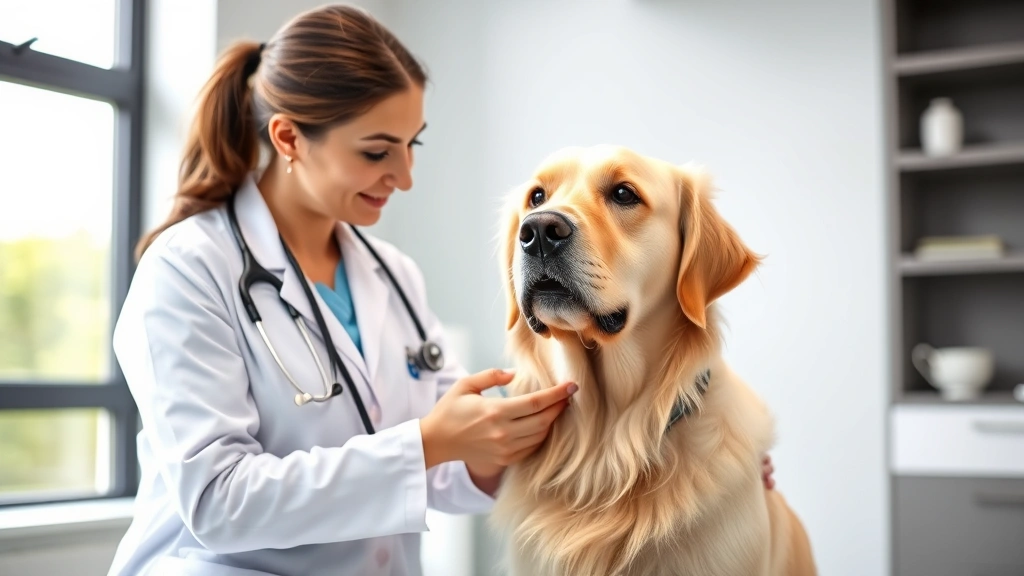
If you suspect your dog has COVID-19, your veterinarian can perform appropriate testing. The most reliable test is RT-PCR (reverse transcription polymerase chain reaction), which detects viral genetic material from respiratory samples. Vets typically collect samples through nasopharyngeal or oropharyngeal swabs.
Antigen tests are also available and provide faster results, though they’re generally less sensitive than RT-PCR tests. Your veterinarian will recommend the most appropriate testing method based on your dog’s symptoms and circumstances.
Testing is particularly important if your dog shows respiratory symptoms after close contact with a COVID-positive person. Knowing whether your dog has COVID helps you take appropriate precautions and avoid unnecessary treatment for other conditions. Additionally, if your dog tests positive, you can take extra measures to protect vulnerable household members.
The AAHA emphasizes that not all dogs with respiratory symptoms need COVID testing. Your veterinarian will help determine whether testing is warranted based on exposure history and clinical presentation.

Treatment and Recovery
Unfortunately, there’s no specific antiviral treatment for COVID-19 in dogs. Veterinary care focuses on supportive treatment and managing symptoms while the dog’s immune system fights the infection. This approach is similar to how human COVID is typically managed in mild cases.
Supportive care measures include:
- Ensuring adequate hydration and fluid intake
- Providing nutritious food to support immune function
- Allowing plenty of rest and limiting strenuous exercise
- Monitoring vital signs and overall condition
- Using humidifiers to ease respiratory symptoms if present
Most dogs recover completely from COVID-19 without long-term complications. The prognosis is generally excellent, particularly for young, healthy dogs without underlying health conditions. Senior dogs or those with pre-existing respiratory or cardiac issues may require closer monitoring, though severe outcomes remain rare.
After recovery, dogs likely develop some immunity to COVID-19, though the duration of immunity isn’t completely understood. Reinfection is possible but appears to be uncommon.
Protecting Your Dog from COVID
While COVID in dogs is typically mild, taking preventive measures is still prudent. If you’re sick with COVID-19, minimize contact with your dog as much as possible. This means having another household member handle feeding, walking, and play when feasible.
When you must interact with your dog while sick:
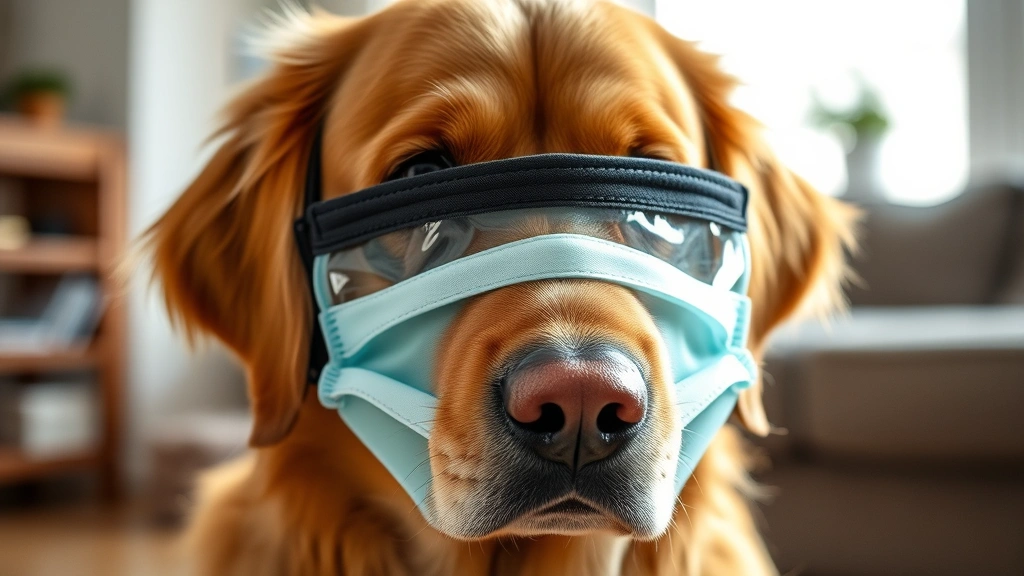
- Wear a mask if close contact is necessary
- Wash your hands before and after handling your pet
- Avoid kissing or allowing your dog to lick your face
- Clean frequently touched surfaces like food bowls and toys
Keeping your dog in good overall health strengthens their immune system and helps them fight off any infection. This includes maintaining a balanced diet, regular exercise, and routine veterinary care. Just as with humans, a healthy lifestyle provides the best defense against illness.
If your dog has underlying health conditions, discuss COVID prevention strategies specifically with your veterinarian. They may recommend additional precautions or monitoring if your pet is immunocompromised or has chronic respiratory disease.
Vaccination against COVID-19 is available for dogs in some regions, though it’s not widely used in the United States. Discuss with your veterinarian whether vaccination is appropriate for your individual dog based on risk factors and lifestyle.
COVID and Dog Nutrition
Maintaining excellent nutrition becomes even more important during potential COVID exposure or infection. A well-balanced diet supports immune function and helps dogs recover more quickly from illness. When your dog is sick, you might need to adjust their feeding approach temporarily.
If your dog has reduced appetite during illness, offering smaller, more frequent meals can help. Warming wet food slightly can make it more aromatic and appetizing. Ensure fresh water is always available, as hydration is critical during recovery.
Certain foods can support immune health in dogs. While your dog recovers, maintaining their regular high-quality diet is typically best. If you’re considering special supplements or dietary changes, consult your veterinarian first.
You might wonder about specific foods during this time. For instance, many owners ask whether dogs can eat carrots, which are excellent for immune support and provide hydration. Similarly, dogs can eat broccoli in moderation, offering valuable nutrients. Even dogs can eat corn safely, providing beneficial fiber. While these foods aren’t cures, they contribute to overall nutritional support.
Avoid foods that might compromise recovery. While dogs can eat cheese in small amounts, fatty foods might upset a recovering dog’s stomach. Similarly, why can’t dogs have chocolate is important to remember—never offer chocolate to a sick dog or any dog, as it’s toxic and could complicate recovery.
FAQ
Can my dog spread COVID-19 to me?
While theoretically possible, dog-to-human transmission of COVID-19 is extremely rare. The virus is primarily spread person-to-person. Your dog is far more likely to catch COVID from you than the reverse. Standard hygiene practices provide ample protection.
Should I wear a mask around my dog if I have COVID?
Wearing a mask during close contact with your dog is a reasonable precaution if you’re positive or symptomatic. However, the primary concern is protecting vulnerable people in your household, not your dog. Minimizing direct contact is more important than wearing a mask specifically for your pet’s protection.
Can puppies get COVID-19?
Yes, puppies can contract COVID-19, though they typically experience mild or no symptoms. Puppies with immature immune systems might be slightly more susceptible to complications, but severe disease remains rare. Maintain good hygiene practices around young puppies if you’re sick.
Is there a COVID vaccine for dogs?
COVID vaccines for dogs exist in some countries but aren’t widely administered in the United States. Discuss with your veterinarian whether vaccination is recommended for your specific dog based on risk factors, lifestyle, and local COVID prevalence.
How long can COVID survive on dog food or water bowls?
The virus doesn’t survive long on surfaces. Studies suggest SARS-CoV-2 remains viable for hours to days depending on surface type and conditions, but the amount of virus decreases significantly over time. Regular washing of food and water bowls with hot soapy water is sufficient protection.
What should I do if my dog tests positive for COVID?
If your dog tests positive, follow supportive care measures: ensure hydration, provide nutritious food, allow rest, and monitor symptoms. Contact your veterinarian if symptoms worsen or persist beyond two weeks. Isolate your dog from other pets if possible and maintain hygiene when handling them.
Can dogs get long COVID like humans?
Long COVID in dogs hasn’t been well documented in veterinary literature. Most dogs recover completely within 1-2 weeks without lingering effects. If your dog shows persistent symptoms beyond this timeframe, consult your veterinarian to rule out other conditions.