

The question “can dogs have autism” has become increasingly common among pet owners who notice unusual behaviors in their canine companions. While autism spectrum disorder (ASD) is a well-documented condition in humans, the scientific community continues to debate whether dogs can experience a similar neurological condition. Understanding the potential signs and similarities between canine behavioral patterns and autism-like traits can help pet owners better support their dogs and seek appropriate veterinary care when needed.
Many dog owners observe repetitive behaviors, social difficulties, or sensory sensitivities in their pets that mirror some characteristics of autism in humans. These observations have led to increased research interest in canine neurodevelopmental conditions and whether dogs can indeed be on a spectrum similar to autism. While the veterinary community has not officially recognized autism in dogs, there are documented cases of dogs displaying autism-like behaviors that warrant careful observation and professional evaluation.
What is Canine Autism?
Canine autism, while not officially recognized as a distinct disorder by veterinary organizations, refers to a collection of behaviors and traits in dogs that closely resemble autism spectrum disorder in humans. The American Veterinary Medical Association acknowledges that dogs can exhibit neurodevelopmental differences, though the terminology and diagnostic criteria remain under scientific scrutiny.
The concept of autism in dogs emerged from observations of repetitive behaviors, social withdrawal, and communication difficulties that some canines display from an early age. These behaviors often appear during puppyhood and persist throughout the dog’s life, suggesting a neurological basis rather than learned behaviors or environmental factors.
Research into canine neurodevelopment has shown that dogs share many neurological structures and functions with humans, making it plausible that similar conditions could occur across species. However, the complexity of diagnosing neurological conditions in animals, combined with the inability to communicate subjective experiences, makes definitive diagnosis challenging.
Some veterinary behaviorists prefer terms like “canine dysfunctional behavior” or “atypical canine behavior syndrome” rather than autism, as these descriptions focus on observable behaviors rather than making direct comparisons to human conditions. Regardless of terminology, the important factor is recognizing when a dog’s behavior patterns may require professional intervention and specialized care.
Behavioral Signs That May Indicate Autism-Like Traits
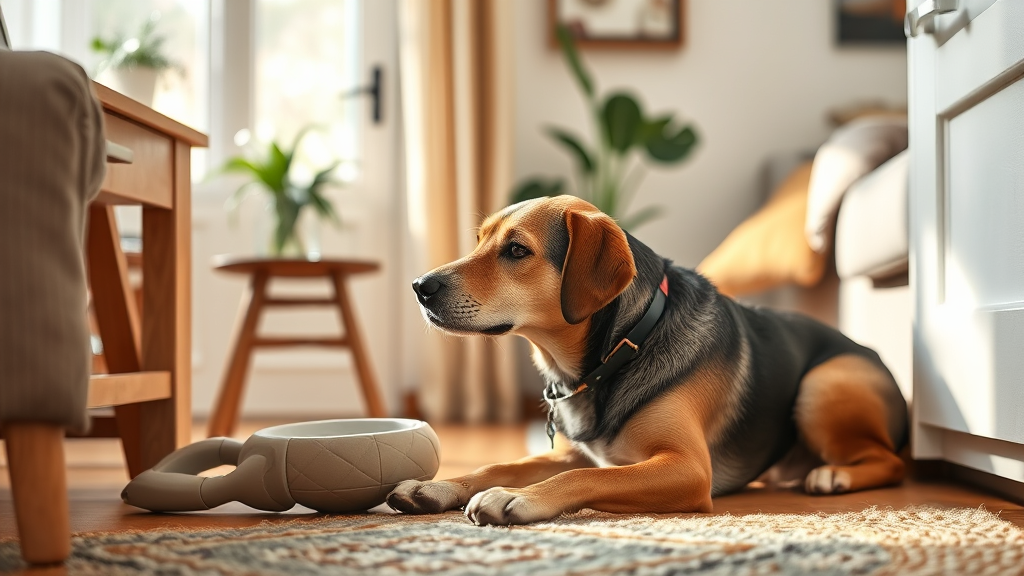
Dogs that may be on the autism spectrum typically display a constellation of behaviors that become apparent during puppyhood and continue into adulthood. These signs often include difficulties with social interaction, repetitive behaviors, and unusual responses to environmental stimuli. Understanding these signs can help owners identify when their dog might benefit from specialized behavioral support.
One of the most notable signs is a lack of typical social engagement with humans and other dogs. Unlike neurotypical dogs who naturally seek attention, play, and physical contact, dogs with autism-like traits may appear indifferent to social interactions or actively avoid them. They might not respond to their name being called, show little interest in play, or fail to make eye contact with their owners.
Physical manifestations can include unusual movement patterns such as spinning, tail chasing that goes beyond normal play behavior, or repetitive pacing. Some dogs may exhibit self-injuring behaviors like excessive licking that leads to hot spots, or they might engage in destructive repetitive actions like digging or chewing that serve no apparent purpose.
Changes in routine can be particularly distressing for these dogs, leading to increased anxiety, aggression, or withdrawal. They may become fixated on specific objects, locations, or activities, showing distress when these elements are altered or removed from their environment.
Social Interaction Difficulties in Dogs
Social interaction challenges represent one of the most significant indicators of potential autism-like traits in dogs. These difficulties manifest in various ways, from complete social withdrawal to inappropriate social responses that don’t align with typical canine behavior patterns.
Dogs with autism-like traits often struggle to read and respond appropriately to social cues from both humans and other dogs. They may not recognize play signals, fail to respond to calming signals from other dogs, or misinterpret friendly approaches as threats. This can lead to social conflicts or complete avoidance of social situations.
The lack of typical bonding behaviors is another key indicator. While most dogs naturally form strong attachments to their human family members, dogs on the spectrum may seem emotionally distant or indifferent to their owners’ presence. They might not greet their owners enthusiastically when they return home, show little interest in being petted, or fail to seek comfort when distressed.
Training challenges often arise due to these social difficulties. Traditional training methods that rely on social rewards like praise and attention may be ineffective, requiring alternative approaches that focus on the individual dog’s specific motivations and learning style.
Repetitive Behaviors and Compulsions
Repetitive behaviors, also known as stereotypies, are among the most recognizable signs of autism-like traits in dogs. These behaviors go beyond normal canine activities and become compulsive, often interfering with the dog’s daily functioning and quality of life.
Common repetitive behaviors include excessive tail chasing that continues well beyond puppyhood, spinning in circles for extended periods, repetitive barking or vocalization without apparent triggers, and obsessive licking of paws or other body parts. Unlike normal grooming behaviors, these actions become compulsive and may result in physical harm to the dog.
Some dogs develop fixations on specific objects or activities, such as obsessively carrying a particular toy, repeatedly opening and closing doors, or engaging in complex ritualistic behaviors around feeding time. These behaviors often increase during periods of stress or environmental change.
The intensity and duration of these repetitive behaviors distinguish them from normal canine activities. While all dogs may occasionally chase their tails or engage in repetitive play, dogs with autism-like traits perform these behaviors excessively and may become distressed if prevented from doing so.

Sensory Sensitivities and Processing Issues
Sensory processing difficulties are frequently observed in dogs displaying autism-like behaviors. These sensitivities can affect any of the five senses and may manifest as either hypersensitivity (over-responsiveness) or hyposensitivity (under-responsiveness) to various stimuli.
Auditory sensitivities are particularly common, with affected dogs showing extreme reactions to sounds that wouldn’t typically disturb other dogs. This might include excessive fear of common household sounds, vacuum cleaners, television, or even quiet noises like paper rustling. Some dogs may also exhibit unusual fascination with certain sounds, repeatedly seeking out or creating specific auditory experiences.
Tactile sensitivities can make these dogs uncomfortable with physical contact, grooming, or wearing collars and harnesses. They may show signs of distress when touched in certain areas or may seek out unusual textures to rub against or interact with compulsively.
Visual processing issues might cause dogs to be startled by moving shadows, become fixated on light patterns, or show unusual fear or fascination with reflective surfaces. Some dogs may have difficulty navigating familiar spaces or appear to not see objects that are clearly visible.
These sensory issues often contribute to the dog’s social difficulties and can trigger repetitive behaviors as coping mechanisms. Understanding a dog’s specific sensory profile is crucial for creating an environment that supports their comfort and well-being. This is particularly important when dogs display other concerning behaviors such as excessive shaking, which could be related to sensory overload or anxiety.
Communication and Learning Challenges
Dogs with autism-like traits often face significant communication and learning challenges that can affect their ability to interact effectively with their environment and caregivers. These difficulties may manifest in various ways, from delayed responses to commands to unusual vocalization patterns.
Learning challenges are often evident in training situations where these dogs may struggle to generalize learned behaviors across different contexts. A command learned in one room may not be recognized when given in another location, or behaviors that work with one family member may not transfer to others. This context-specific learning can make traditional training methods less effective.
Communication difficulties may include unusual vocalization patterns, such as excessive barking without apparent cause, or conversely, unusual quietness in situations where most dogs would vocalize. Some dogs may not develop typical communication signals or may use them inappropriately, leading to misunderstandings with both humans and other dogs.
The ability to read human body language and facial expressions may also be impaired, making these dogs less responsive to non-verbal cues that most dogs naturally understand. This can create challenges in daily interactions and may require owners to rely more heavily on verbal commands and consistent routines.
Diagnosis and Professional Assessment
Currently, there is no standardized diagnostic test for autism in dogs, making professional assessment crucial for understanding and addressing autism-like behaviors. Veterinary behaviorists and certified animal behavior consultants are best equipped to evaluate these complex behavioral patterns and develop appropriate management strategies.
The assessment process typically involves a comprehensive behavioral history, including detailed observations of the dog’s behavior patterns from puppyhood to the present. Owners are usually asked to document specific behaviors, their frequency, duration, and triggers, as well as any environmental factors that seem to influence the dog’s behavior.
A thorough medical examination is essential to rule out underlying health conditions that could contribute to behavioral symptoms. Conditions such as neurological disorders, sensory impairments, or chronic pain can sometimes mimic autism-like behaviors. The National Institutes of Health continues to support research into animal models of autism, which may eventually lead to better diagnostic tools.
Video documentation of the dog’s behavior in various situations can be particularly helpful for professionals to observe patterns that might not be evident during a single office visit. This documentation should include interactions with family members, responses to routine activities, and examples of repetitive or unusual behaviors.
Management and Support Strategies
Managing a dog with autism-like traits requires a comprehensive approach that focuses on creating a supportive environment, implementing appropriate behavioral interventions, and maintaining consistent routines. Success often depends on understanding the individual dog’s specific needs and triggers.
Environmental modifications play a crucial role in supporting these dogs. Creating predictable routines, minimizing sensory overload, and providing safe spaces where the dog can retreat when overwhelmed are essential strategies. This might involve using sound-dampening materials in the dog’s living space, maintaining consistent lighting, and avoiding sudden changes in the household routine.
Behavioral interventions should be tailored to the individual dog’s learning style and motivations. Traditional reward-based training may need modification, with some dogs responding better to food rewards, toys, or environmental enrichment rather than social praise. Positive reinforcement techniques remain important, but the specific rewards and timing may need adjustment.
Some dogs benefit from structured activities that provide mental stimulation while accommodating their specific needs. Puzzle toys, scent work, and controlled exercise can help redirect repetitive behaviors into more productive activities. It’s important to note that some concerning behaviors like eating inappropriate substances may require additional intervention strategies.
Medication may be considered in severe cases where behavioral interventions alone are insufficient. Anti-anxiety medications or supplements that support neurological function may help some dogs, though this should always be discussed with a veterinary professional. The American Society for the Prevention of Cruelty to Animals provides resources on behavioral medications for dogs.
Support for the family is equally important, as caring for a dog with special needs can be emotionally and physically demanding. Connecting with other owners of dogs with similar challenges, working with professional trainers experienced in special needs dogs, and maintaining realistic expectations are all crucial components of successful management.
Long-term success often requires ongoing assessment and adjustment of management strategies as the dog ages and circumstances change. What works during puppyhood may need modification as the dog matures, and new challenges may emerge that require professional guidance. Some dogs may also display emotional responses that owners might wonder about, such as whether dogs actually cry, which can be part of understanding their complete emotional and behavioral profile.
Frequently Asked Questions
Can dogs actually be diagnosed with autism?
Currently, there is no official diagnostic criteria for autism in dogs. While veterinarians and animal behaviorists recognize autism-like behaviors in some dogs, the condition is not formally recognized in veterinary medicine. Instead, professionals may diagnose dogs with “atypical behavior syndrome” or “canine dysfunctional behavior” while acknowledging similarities to human autism spectrum traits.
What causes autism-like behaviors in dogs?
The exact causes are not fully understood, but research suggests a combination of genetic, environmental, and developmental factors may contribute. Some studies indicate that certain breeds may be more predisposed to these behaviors, and early life experiences, including prenatal factors and early socialization, may play a role. Neurological development issues and brain chemistry differences are also being investigated as potential contributing factors.
Can autism-like behaviors in dogs be treated or cured?
While there is no cure for autism-like behaviors in dogs, many symptoms can be effectively managed through behavioral modification, environmental changes, and sometimes medication. The goal is to improve the dog’s quality of life and help them function better in their environment. Early intervention and consistent management strategies often lead to significant improvements in daily functioning and reduced stress for both the dog and their family.
Are certain dog breeds more likely to display autism-like behaviors?
Some research suggests that certain breeds, particularly those bred for specific traits like hunting or herding, may be more prone to developing repetitive behaviors and social difficulties. Bull terriers, German shepherds, and some toy breeds have been noted in studies, but autism-like behaviors can potentially occur in any breed. The key is recognizing individual behavioral patterns rather than making breed-based assumptions.
How early can autism-like behaviors be detected in puppies?
Signs may be noticeable as early as 8-12 weeks of age, though some behaviors may not become apparent until the puppy is several months old. Early signs include lack of typical social engagement, unusual responses to stimuli, repetitive behaviors, and delayed or atypical responses to training. However, it’s important to note that some behaviors that appear unusual in young puppies may be normal developmental phases, making professional evaluation important.
Should I avoid getting a dog if I suspect it has autism-like traits?
Dogs with autism-like behaviors can make wonderful companions with proper understanding and management. While they may require more specialized care and patience, many of these dogs form strong bonds with their families and can live fulfilling lives. The decision should be based on your ability to provide the necessary time, resources, and commitment to meet the dog’s special needs rather than avoiding them entirely.
How can I help my dog with autism-like behaviors during stressful situations?
Creating a calm, predictable environment is crucial. Maintain consistent routines, provide a quiet safe space where your dog can retreat, and minimize exposure to known triggers when possible. During unavoidable stressful situations, stay calm yourself, use soothing tones, and consider using anxiety-reducing tools like compression wraps or calming supplements as recommended by your veterinarian. Gradual desensitization to stressful stimuli, when done properly with professional guidance, can also help over time.





