

Can Dogs Be Bipolar? Expert Insights on Canine Mental Health
The question “can dogs be bipolar?” is one that many pet owners ask when their furry companions display sudden mood swings, behavioral changes, or seemingly unexplainable emotional fluctuations. While dogs cannot be diagnosed with bipolar disorder in the clinical sense that humans are, they can experience mood and behavioral changes that might superficially resemble bipolar symptoms. Understanding the difference between true bipolar disorder and the various conditions that can affect your dog’s emotional state is crucial for providing proper care and identifying when professional veterinary intervention is needed.
Dogs are complex emotional creatures with their own neurological systems, hormonal cycles, and psychological needs. When we observe rapid changes in their behavior—from extreme playfulness to withdrawn sadness, or from aggression to fearfulness—it’s natural to wonder if they’re experiencing something akin to human mental illness. However, veterinary science has yet to formally recognize bipolar disorder in canines. Instead, these behavioral shifts typically stem from identifiable medical, environmental, or psychological factors that responsible dog owners should understand and address.
Understanding Bipolar Disorder in Humans
Before we can address whether dogs can be bipolar, it’s important to understand what bipolar disorder actually is in humans. Bipolar disorder, also known as manic-depressive illness, is a mental health condition characterized by extreme shifts in mood, energy, and activity levels. People with bipolar disorder experience distinct periods of mania (elevated mood, increased energy, decreased need for sleep) alternating with periods of depression (low mood, fatigue, loss of interest in activities).
The diagnostic criteria for bipolar disorder in humans are very specific and involve prolonged episodes of mood disturbance, changes in sleep patterns, alterations in speech and thought patterns, and significant impairment in functioning. These episodes typically last for days or weeks and are documented through clinical observation and patient reporting. The condition is associated with specific neurochemical imbalances, particularly involving dopamine and serotonin, and often has a genetic component.
Can Dogs Actually Be Bipolar?
The straightforward answer is: dogs cannot be clinically diagnosed with bipolar disorder as it’s defined in human psychiatry. Veterinary medicine does not recognize bipolar disorder as a formal diagnosis in canines. However, this doesn’t mean dogs cannot experience mood fluctuations or behavioral changes that might appear bipolar-like to their owners.
The primary reason dogs aren’t diagnosed with bipolar disorder relates to how we define and diagnose mental health conditions. Bipolar disorder in humans requires subjective reporting of internal experiences—thoughts, feelings, and perceptions—that dogs cannot communicate. Additionally, the specific neurological pathways and neurotransmitter systems involved in human bipolar disorder may function differently in canine brains. While dogs do have neurotransmitters like serotonin and dopamine, the way these chemicals interact in their brains differs significantly from humans.
That said, dogs can experience mood disorders and behavioral problems that warrant professional attention. The key is identifying what’s actually causing your dog’s behavioral changes rather than self-diagnosing them with a human psychiatric condition.
Conditions That Mimic Bipolar Symptoms
Several genuine canine conditions can produce mood and behavioral changes that resemble bipolar symptoms. Understanding these conditions is essential for proper diagnosis and treatment.
Canine Anxiety Disorders represent one of the most common conditions that can mimic bipolar-like symptoms. Dogs with generalized anxiety may alternate between anxious, hyperactive states and withdrawn, depressive-like behavior. Separation anxiety, in particular, can cause dramatic behavioral shifts when owners are present versus absent.
Attention Deficit Hyperactivity Disorder (ADHD), while debated in veterinary circles, has been observed in some dogs. Dogs with ADHD may display impulsive behavior, hyperactivity, and difficulty focusing, which can alternate with periods of apparent lethargy or depression when overstimulated.
Impulse Control Disorders can cause dogs to display sudden aggression or inappropriate behavior followed by seemingly remorseful, withdrawn behavior. This pattern can appear bipolar but actually represents a neurological issue with impulse regulation.
Other conditions include compulsive disorders, which involve repetitive behaviors, and cognitive dysfunction, particularly in senior dogs, which can cause significant behavioral changes.
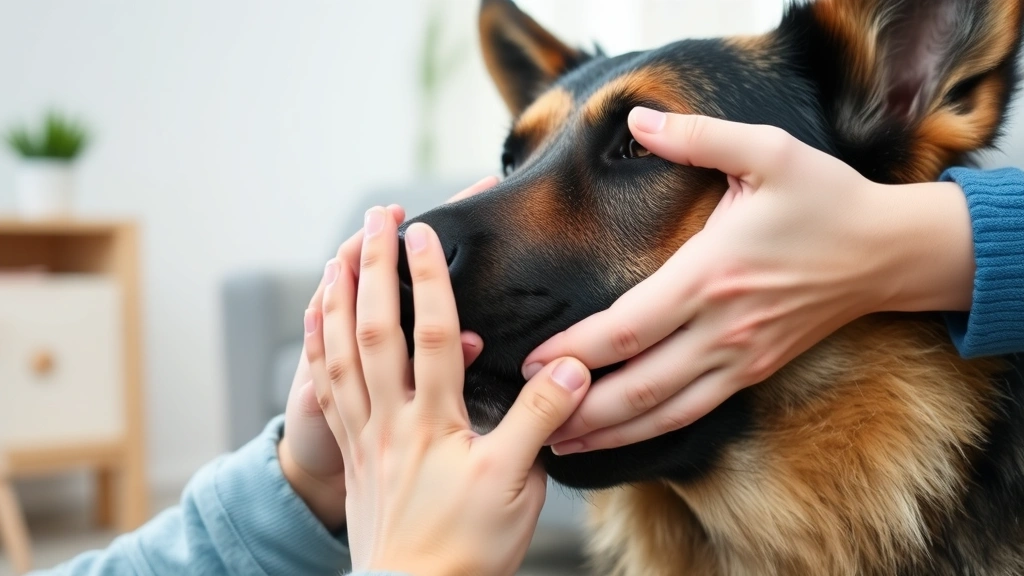
Medical Causes of Mood Swings in Dogs
Before assuming your dog has a behavioral disorder, it’s critical to rule out underlying medical conditions. Many physical health problems can cause dramatic changes in mood and behavior that might seem bipolar.
Hormonal Imbalances frequently trigger mood and behavioral changes. Thyroid disorders, particularly hypothyroidism, commonly cause lethargy, weight gain, and behavioral changes. Conversely, hyperthyroidism can cause anxiety, hyperactivity, and irritability. Cushing’s syndrome (hyperadrenocorticism) can produce anxiety, excessive thirst, and behavioral changes. Addison’s disease may cause depression, weakness, and behavioral shifts.
Neurological Conditions warrant serious consideration. Brain tumors, epilepsy, and other neurological disorders can produce sudden behavioral changes, aggression, anxiety, and mood fluctuations. Seizure disorders, in particular, can cause behavioral changes before, during, and after seizure events that might appear as mood swings.
Infections and Inflammatory Conditions can affect mood and behavior. Chronic pain from arthritis, hip dysplasia, or other conditions can make dogs irritable, withdrawn, or seemingly aggressive. Urinary tract infections, ear infections, and other infections can cause behavioral changes, particularly in senior dogs.
Nutritional Deficiencies can impact brain function and mood. Deficiencies in B vitamins, omega-3 fatty acids, and other nutrients essential for neurological health can contribute to behavioral problems. This is why ensuring your dog has a balanced, nutritious diet is foundational—consider whether your dog’s current food includes essential nutrients. Some owners explore options like can dogs eat broccoli and other whole foods as supplements, though this should be discussed with your veterinarian.
Medication Side Effects can also cause behavioral changes. Certain medications used to treat other conditions may have mood or behavior-altering side effects that create the appearance of bipolar-like symptoms.
Behavioral and Environmental Factors
Beyond medical causes, environmental and behavioral factors frequently explain apparent mood swings in dogs.
Stress and Anxiety Triggers are primary culprits. Dogs living in chaotic environments, experiencing frequent changes, or lacking routine often display behavioral instability. A dog might be hyperactive and destructive during stressful situations, then withdrawn and depressed when overwhelmed. This isn’t bipolar disorder—it’s a stress response.
Lack of Exercise and Mental Stimulation causes many behavioral problems. Dogs with pent-up energy often display hyperactivity alternating with destructive behavior or aggression. When finally exercised, they may seem calm and content, creating the illusion of mood swings. Adequate physical activity and mental enrichment are non-negotiable for canine behavioral health.
Social Factors significantly impact dog behavior. Dogs are pack animals with complex social needs. Isolation, lack of socialization, or poor relationships with family members can trigger behavioral problems that mimic mental illness. Additionally, changes in the household—new family members, departures, or schedule changes—can cause behavioral shifts.
Age-Related Factors deserve consideration. Puppies naturally display dramatic mood swings as they learn to regulate behavior and process emotions. Senior dogs may experience cognitive decline leading to behavioral changes. Understanding your dog’s life stage helps contextualize behavioral patterns.
Breed Predispositions also matter. Certain breeds are naturally more anxious, hyperactive, or sensitive than others. A naturally high-energy breed displaying normal exuberance might be misinterpreted as bipolar by an owner unfamiliar with breed characteristics.

When to Seek Veterinary Help
If your dog displays concerning behavioral changes, professional veterinary evaluation is essential. Your veterinarian can perform comprehensive assessments to identify underlying causes.
Red Flags That Warrant Immediate Attention:
- Sudden aggression or unprovoked attacks
- Extreme anxiety or panic behaviors
- Significant changes in eating or drinking
- Lethargy or excessive sleeping
- Seizure-like activity or loss of consciousness
- Self-injurious behavior
- Inability to recognize family members
- Dramatic personality changes in senior dogs
During your veterinary visit, bring detailed notes about your dog’s behavior patterns. Document when mood changes occur, what precedes them, how long they last, and what seems to help. This information is invaluable for your veterinarian’s diagnosis.
Your veterinarian will likely recommend blood work and physical examination to rule out medical causes. They may also refer you to a veterinary behaviorist—a specialist in animal behavior with advanced training—for complex behavioral issues.
Treatment Options and Management
Treatment depends entirely on the underlying cause of your dog’s behavioral changes. Once properly diagnosed, effective interventions are typically available.
Medical Treatment addresses underlying health conditions. If thyroid dysfunction is identified, thyroid medication can dramatically improve behavior. If pain is the issue, pain management through medication or other interventions often resolves behavioral problems. Treating infections, addressing nutritional deficiencies, and adjusting medications can all improve mood and behavior.
Behavioral Modification helps dogs learn better coping strategies. A qualified trainer or veterinary behaviorist can implement counterconditioning, desensitization, and other evidence-based techniques. This is particularly effective for anxiety, aggression, and impulse control issues.
Environmental Management reduces stress triggers. Creating a calm, predictable environment with consistent routines helps anxious dogs. Ensuring adequate exercise, providing mental stimulation through puzzle toys and training, and maintaining a structured daily schedule all support emotional regulation.
Medication may be appropriate for certain conditions. Veterinary behaviorists sometimes prescribe SSRIs (selective serotonin reuptake inhibitors) or other medications to help dogs with anxiety or compulsive disorders. These medications can be life-changing when used appropriately as part of a comprehensive treatment plan.
Nutritional Support matters more than many owners realize. Feeding high-quality dog food with appropriate levels of omega-3 fatty acids, B vitamins, and other nutrients supports brain health. Some owners explore dietary additions—such as discussing can dogs eat cheese as a training treat or can dogs eat rice as a digestive aid—though all dietary changes should align with veterinary guidance.
Consistency and Patience are fundamental. Behavioral and emotional issues typically don’t resolve overnight. Consistent implementation of recommended strategies, combined with patience and compassion, yields the best outcomes. Many dogs show significant improvement within weeks to months of appropriate intervention.
FAQ
What does bipolar behavior look like in dogs?
While dogs can’t have true bipolar disorder, bipolar-like behavior might include rapid mood swings from hyperactivity and aggression to withdrawal and lethargy, seemingly without external cause. However, such changes usually have identifiable triggers or underlying causes that should be investigated with a veterinarian.
Can dogs take medication for mood disorders?
Yes, veterinarians can prescribe medications for certain canine behavioral and mood conditions. SSRIs, anti-anxiety medications, and other pharmaceuticals may be appropriate depending on diagnosis. These should always be prescribed by a veterinarian and used alongside behavioral modification when possible.
How do I know if my dog’s behavior is normal or concerning?
Normal dog behavior varies by age, breed, and individual personality. Concerning behavior includes unprovoked aggression, extreme anxiety interfering with daily function, self-injurious behavior, or dramatic personality changes. When in doubt, consult your veterinarian for professional assessment.
Could my dog’s mood swings be related to diet?
Absolutely. Nutritional deficiencies, food allergies, or digestive issues can all impact mood and behavior. Ensuring your dog receives complete, balanced nutrition is foundational. If you have questions about specific foods—such as can dogs eat corn or other dietary components—discuss them with your veterinarian.
Is it possible my senior dog has developed a mental disorder?
Senior dogs can develop cognitive dysfunction (canine dementia), which causes behavioral changes. However, medical conditions are more common causes of behavioral changes in older dogs. Thyroid problems, arthritis, and other age-related health issues frequently cause behavioral shifts. Comprehensive veterinary evaluation is essential.
How can I help a dog with mood swings?
Start with a veterinary evaluation to identify underlying causes. Ensure your dog gets adequate exercise and mental stimulation, maintains a consistent routine, and receives proper nutrition. Consider consulting a veterinary behaviorist for specialized guidance. Many dogs benefit from a combination of medical treatment, behavioral modification, and environmental management.
What’s the difference between a dog having a bad day and having a disorder?
All dogs have occasional off days influenced by weather, disrupted routines, or minor stress. A disorder involves persistent patterns of behavioral or mood problems that interfere with normal functioning, occur without clear cause, or don’t improve with environmental adjustments. Consistent patterns warrant professional evaluation.





