
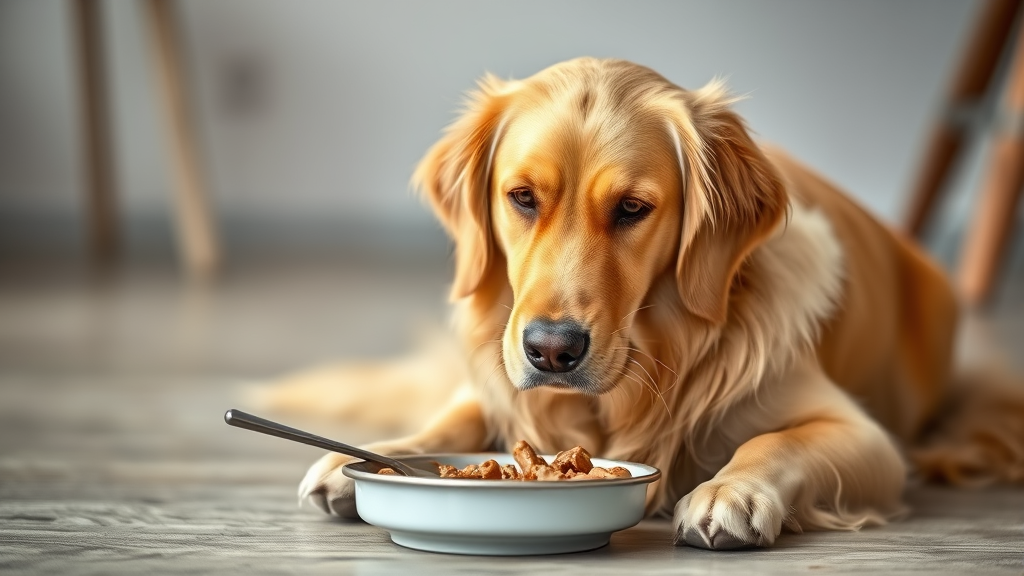
Have you ever wondered whether your furry companion can burp like humans do? The answer might surprise you! Dogs can indeed burp, and understanding their burping habits reveals fascinating insights into canine physiology and behavior. While dog burping is less common and noticeable than human burping, it’s a completely normal bodily function that serves important purposes for our four-legged friends.
Most dog owners have experienced their pet’s various digestive sounds, from rumbling stomachs to the occasional gas release. However, burping in dogs operates differently than in humans and can sometimes indicate underlying health issues that warrant attention. By learning about your dog’s burping patterns, you can better understand their digestive health and know when to seek veterinary care.
Can Dogs Actually Burp?
Yes, dogs can definitely burp! The anatomical structure of a dog’s digestive system allows for the release of gas through the mouth, just like in humans. However, there are some key differences in how and why dogs burp compared to their human companions.
Dogs have a simpler digestive tract than humans, with a shorter esophagus and different swallowing mechanics. When air enters their stomach during eating, drinking, or panting, it needs to escape somehow. While much of this trapped air is released through flatulence, some can travel back up through the esophagus and exit as a burp.
The frequency and audibility of dog burps vary significantly between individual animals. Some dogs burp regularly and loudly, while others do so quietly or infrequently that their owners never notice. Factors such as breed, size, eating habits, and individual anatomy all play roles in determining how often and how noticeably a dog will burp.
Unlike humans, dogs don’t typically burp on command or for social reasons. Their burping is purely physiological, occurring as a natural response to gas buildup in the stomach. This means that when you do hear your dog burp, it’s their body’s way of relieving pressure and maintaining digestive comfort.
Why Do Dogs Burp?
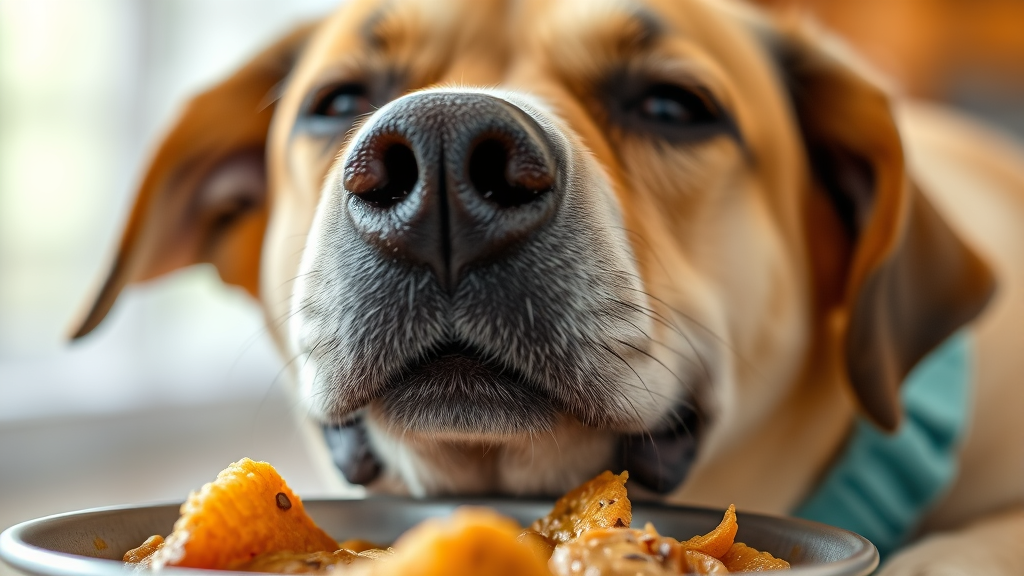
Understanding why dogs burp requires examining the various ways air enters their digestive system. The primary cause is aerophagia, which is the medical term for swallowing air. Dogs commonly swallow air while eating, drinking, panting, or even during periods of anxiety or excitement.
Fast eating is one of the most common reasons dogs develop gas that needs to be released through burping. When dogs gulp down their food quickly, they inevitably swallow significant amounts of air along with their meal. This behavior is often seen in multi-pet households where dogs feel they need to compete for food, or in rescue dogs who may have experienced food scarcity.
Drinking water rapidly can also lead to air swallowing, particularly after exercise or during hot weather when dogs are trying to cool down quickly. The gulping motion required to drink large amounts of water quickly naturally incorporates air into the digestive system.
Panting, while primarily a cooling mechanism, can also contribute to air swallowing. During extended panting sessions, dogs may inadvertently swallow some of the air they’re rapidly moving in and out of their mouths. This is particularly common during stress, excitement, or physical exertion.
Certain medical conditions can also increase burping frequency. Hiccups in dogs and burping sometimes occur together, as both involve irregular movement of the diaphragm and can be triggered by similar factors such as rapid eating or excitement.
Normal vs. Concerning Burping
Distinguishing between normal and problematic burping in dogs is crucial for maintaining your pet’s health. Normal burping typically occurs occasionally, usually after meals or drinking sessions, and doesn’t accompany other symptoms. These burps are generally quiet, odorless, and don’t cause distress to the dog.
Concerning burping patterns include excessive frequency, particularly loud or frequent burps, or burps accompanied by other digestive symptoms. If your dog’s burping is accompanied by vomiting, loss of appetite, lethargy, or abdominal discomfort, it may indicate underlying digestive issues that require veterinary attention.
The timing of burps can also provide important information. While post-meal burping is normal, persistent burping throughout the day, especially when not associated with eating or drinking, might suggest gastric issues or other health concerns.
Pay attention to any changes in your dog’s burping patterns. A dog that suddenly starts burping more frequently or develops loud, uncomfortable-sounding burps may be experiencing digestive upset. Similarly, if your dog develops hiccups alongside increased burping, this combination might warrant closer observation.
According to the American Veterinary Medical Association, digestive issues in dogs can manifest in various ways, and changes in normal gas patterns should be monitored as part of overall health assessment.
Factors That Affect Dog Burping
Several factors influence how often and how noticeably dogs burp, ranging from physical characteristics to environmental conditions. Understanding these factors can help you better manage your dog’s digestive comfort and identify potential areas for improvement.
Breed and size play significant roles in burping frequency and intensity. Brachycephalic breeds (those with flat faces) such as Bulldogs, Pugs, and Boston Terriers tend to swallow more air due to their compressed airways and altered breathing patterns. These breeds often burp more frequently and may also be more prone to other digestive issues.
Larger dogs typically produce more noticeable burps simply due to their size and larger stomach capacity. However, smaller dogs may actually burp more frequently relative to their size, especially if they eat quickly or are prone to anxiety.
Diet composition significantly affects burping patterns. Foods high in carbohydrates, particularly those that ferment easily, can increase gas production and subsequent burping. Commercial dog foods with excessive fillers or poor-quality ingredients may contribute to digestive upset and increased gas production.
Eating and drinking habits are perhaps the most controllable factors affecting dog burping. Dogs that eat rapidly, gulp their water, or eat while excited or stressed are much more likely to swallow air and subsequently burp. The type of food bowl used can also influence eating speed and air intake.
Environmental stress and anxiety can indirectly increase burping by affecting eating behaviors and causing increased panting or restlessness. Dogs in stressful situations may eat differently or pant more, leading to increased air swallowing.

Preventing Excessive Burping in Dogs
While some burping is normal and healthy, excessive burping can be uncomfortable for dogs and concerning for owners. Fortunately, several strategies can help reduce unnecessary air swallowing and subsequent burping in dogs.
Implementing slow-feeding techniques is one of the most effective ways to reduce burping. Puzzle feeders, slow-feed bowls with raised sections, or simply spreading food across a larger surface area can encourage dogs to eat more slowly and deliberately, reducing air intake during meals.
Elevating food and water bowls can help some dogs, particularly larger breeds, eat and drink more comfortably without gulping. However, this approach should be used cautiously, as elevated feeding has been associated with increased risk of gastric dilatation-volvulus (bloat) in some large, deep-chested breeds.
Managing meal timing and portion sizes can also help reduce burping. Instead of one or two large meals, consider offering smaller, more frequent meals throughout the day. This approach reduces the likelihood of rapid, competitive eating and helps maintain more consistent digestion.
Creating a calm eating environment is crucial for dogs that tend to eat anxiously or competitively. If you have multiple pets, consider feeding them separately to reduce food competition. Establishing regular meal times and maintaining a quiet, stress-free feeding area can help dogs eat more calmly.
For dogs that drink water rapidly, consider providing multiple water sources throughout your home or using water bowls designed to slow drinking. Some owners find success with puzzle water dispensers or bowls with floating objects that naturally slow water consumption.
Just as excessive burping can be concerning, other digestive issues like frequent flatulence may also indicate dietary or health problems that need attention.
When to Consult Your Veterinarian
While occasional burping is normal for dogs, certain situations warrant professional veterinary evaluation. Knowing when to seek help can prevent minor issues from becoming serious health problems.
Excessive burping accompanied by other digestive symptoms is always cause for concern. If your dog’s increased burping occurs alongside vomiting, diarrhea, loss of appetite, or visible discomfort, schedule a veterinary appointment promptly.
Sudden changes in burping patterns, especially in older dogs, should be evaluated. A dog that has never burped noticeably but suddenly starts burping frequently, or conversely, a dog that normally burps but stops doing so entirely, may be experiencing digestive changes that need assessment.
Signs of abdominal discomfort accompanying burping include restlessness, difficulty lying down comfortably, excessive drooling, or attempts to vomit without producing anything. These symptoms, particularly in large, deep-chested breeds, could indicate serious conditions like gastric dilatation-volvulus (bloat), which requires immediate emergency care.
The American Kennel Club emphasizes that bloat is a life-threatening emergency that can develop rapidly, and any signs of severe abdominal discomfort should be evaluated immediately.
Persistent burping lasting more than a few days, even without other obvious symptoms, should be discussed with your veterinarian. Sometimes, subtle changes in digestive patterns can be early indicators of developing health issues.
If your dog shows signs of illness such as fever or rapid breathing along with digestive changes, this combination suggests a more systemic problem requiring professional evaluation.
When consulting with your veterinarian about burping concerns, be prepared to discuss your dog’s eating habits, diet, recent changes in routine, and any other symptoms you’ve observed. This information helps veterinarians determine whether the burping is behavioral, dietary, or potentially medical in nature.
For dogs experiencing digestive upset, your veterinarian might recommend specific treatments or dietary modifications. Understanding safe remedies for upset stomach can be helpful, but always consult with your vet before administering any treatments.
Frequently Asked Questions
Is it normal for dogs to burp after every meal?
While some burping after meals can be normal, burping after every meal may indicate that your dog is eating too quickly or swallowing too much air. Consider using slow-feeding methods and monitor for other digestive symptoms. If the pattern persists or worsens, consult your veterinarian for evaluation.
Can certain dog breeds burp more than others?
Yes, brachycephalic breeds (flat-faced dogs) like Bulldogs, Pugs, and French Bulldogs tend to burp more frequently due to their compressed airways and altered breathing patterns. They naturally swallow more air while eating, drinking, and breathing, leading to increased burping. Large breed dogs may also produce more noticeable burps due to their size.
Should I be worried if my dog’s burps smell bad?
Occasional mildly odorous burps can be normal, especially after meals. However, consistently foul-smelling burps, particularly those resembling rotten eggs or accompanied by other symptoms like vomiting or loss of appetite, may indicate digestive issues or dietary problems that should be evaluated by a veterinarian.
How can I tell the difference between a burp and other digestive sounds?
Burps typically come from the mouth and sound like a brief release of air, similar to human burps but often quieter. This differs from stomach gurgling (borborygmi), which comes from the abdomen, or retching sounds, which involve visible abdominal contractions. If you’re unsure about the sounds your dog is making, record them to share with your veterinarian.
Can puppies burp, and is it different from adult dogs?
Yes, puppies can burp, and they may actually burp more frequently than adult dogs due to their enthusiastic eating and drinking habits. Puppies often eat and drink more rapidly and may swallow more air in the process. As they mature and develop better eating habits, excessive burping typically decreases. However, persistent digestive issues in puppies should be discussed with a veterinarian.
Are there any home remedies for excessive dog burping?
The most effective home management involves addressing the root causes: slow down eating with puzzle feeders, provide smaller, more frequent meals, ensure a calm eating environment, and encourage slower water consumption. However, avoid giving human antacids or gas remedies to dogs without veterinary approval, as these can be harmful. When digestive upset occurs, always consult your veterinarian for safe, appropriate treatments.
Can stress or anxiety cause increased burping in dogs?
Yes, stress and anxiety can indirectly increase burping by affecting eating behaviors and causing increased panting. Anxious dogs may eat more rapidly, pant more frequently, or exhibit other behaviors that lead to increased air swallowing. Managing your dog’s stress levels through environmental modifications, routine establishment, and possibly professional training can help reduce stress-related digestive issues. The Humane Society provides excellent resources for managing canine anxiety and stress-related behaviors.





