
Can Dogs Carry Bed Bugs? What Pet Experts Say
If you’ve ever dealt with a bed bug infestation, you know how stressful and frustrating the experience can be. These tiny parasites are notorious for hitching rides into our homes and causing sleepless nights. But here’s a question many pet owners ask: can dogs carry bed bugs? The short answer is yes, but not in the way you might think. While bed bugs won’t establish a permanent home on your dog’s fur like fleas do, they can absolutely use your furry friend as transportation to move around your home and find new places to hide.
Understanding the relationship between dogs and bed bugs is crucial for protecting both your pet and your home. Unlike other parasites such as fleas that dogs can get, bed bugs don’t prefer to live on animals at all. However, this doesn’t mean your dog is safe from bed bug encounters. In fact, your pet might unknowingly become a vector for these unwelcome pests, spreading them throughout your living space. This article will explore everything you need to know about bed bugs and dogs, including how to identify an infestation, protect your pet, and eliminate these pests from your home.
As pet experts continue to research parasites and their relationship with our canine companions, it’s important to separate fact from fiction. We’ll examine what veterinarians say about this concern and provide you with practical solutions to keep your home and your dog bed bug-free.
Understanding Bed Bugs and How They Work
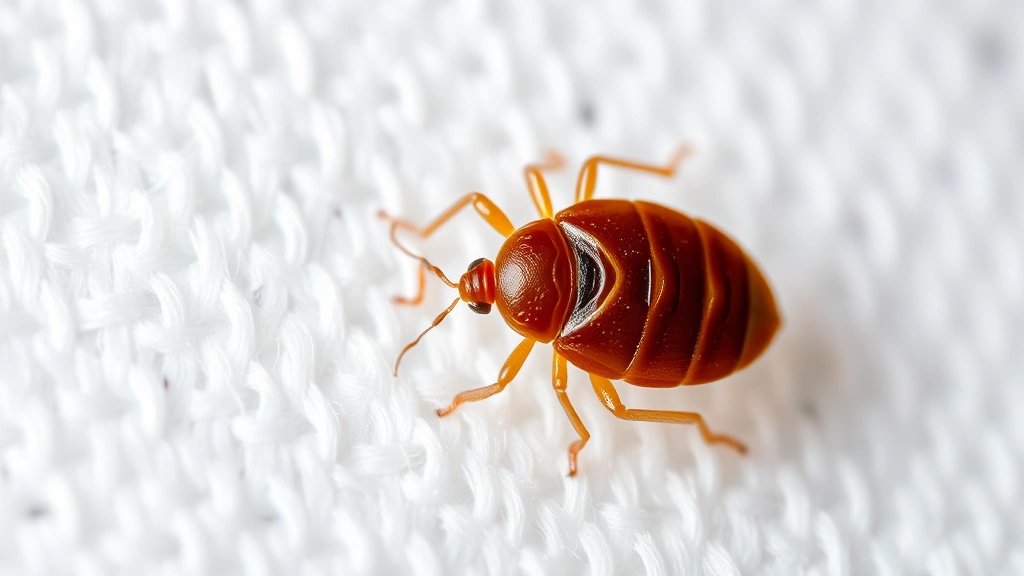
Bed bugs are small, reddish-brown insects that feed exclusively on blood. These parasites are approximately the size of an apple seed and can survive for several months without feeding. Unlike many other pests, bed bugs are not indicators of poor hygiene—they can infest even the cleanest homes and spread rapidly once established. Understanding their behavior is the first step in protecting your home and your dog.
These nocturnal creatures typically hide in mattresses, furniture, and other dark crevices during the day. They emerge at night to feed on their hosts, which are usually humans. However, bed bugs are opportunistic feeders and will bite dogs, cats, and other mammals if humans aren’t available. The bites themselves are usually painless at first, but they can cause itching and irritation afterward. Bed bugs inject an anticoagulant into the skin to keep blood flowing, which is why the bites can become quite uncomfortable.
The reproduction rate of bed bugs is alarming. A single female can lay hundreds of eggs in her lifetime, and the population can double within just a few weeks under ideal conditions. This rapid reproduction is why early detection and swift action are so critical when dealing with an infestation.

Can Dogs Actually Carry Bed Bugs?
Yes, dogs can carry bed bugs, but the answer requires some clarification. Bed bugs don’t live on dogs the way parasites like fleas do. Instead, they may temporarily attach to your dog’s fur or skin as a means of transportation. Your dog essentially becomes a vehicle for bed bugs to travel from one location to another—such as from an infested hotel room to your home, or from an infested neighbor’s apartment to yours.
According to the American Kennel Club, while dogs are not preferred hosts for bed bugs, they can still play a role in spreading infestations. The reason bed bugs don’t prefer to live on dogs is that canines groom themselves constantly and have fur that makes it difficult for bed bugs to find secure hiding spots. Additionally, dogs’ body temperature and skin pH are different from humans’, making them less attractive as permanent hosts.
However, this doesn’t mean your dog is completely safe. If your dog has been in an area with bed bugs—such as a friend’s home, a pet hotel, or even outdoors—they could potentially bring bed bugs back with them. Once in your home, these pests will abandon your dog and seek out human hosts, typically settling in your bedding, furniture, and other areas where you spend time.
Veterinary dermatologists note that while bed bugs won’t cause the same level of infestation on dogs as they do on humans, they can still bite your pet and cause discomfort. If your dog has been scratching more than usual or you notice small red bumps on their skin, it’s worth investigating whether bed bugs might be the culprit.
Signs Your Dog May Have Been Exposed to Bed Bugs
Detecting bed bug exposure on your dog can be challenging because the signs are subtle. Unlike what fleas look like on dogs, bed bugs don’t leave visible evidence on your pet’s fur. However, there are several indicators that your dog may have encountered bed bugs:
- Increased scratching and itching: Your dog may scratch more frequently, especially if they’ve been bitten by bed bugs. This itching can be particularly noticeable at night or after your dog has been sleeping.
- Red bumps or bite marks: Look for small red welts on your dog’s skin, particularly on areas with less fur or thinner skin. These are typically arranged in a line or cluster pattern.
- Restlessness at night: Your dog may have difficulty settling down or may move between sleeping spots frequently, trying to find a comfortable position.
- Behavioral changes: Some dogs become anxious or stressed if they’re experiencing discomfort from bed bug bites.
- Small dark spots on bedding: These could be bed bug feces or crushed bed bugs. If you notice these near your dog’s sleeping area, it’s a red flag.
It’s important to note that not all dogs will show obvious signs of bed bug exposure. Some dogs may not react strongly to bites, while others might show significant irritation. If you suspect your dog has been exposed to bed bugs, the best approach is to thoroughly inspect your entire home, not just your dog’s sleeping area.
How Bed Bugs Differ From Other Dog Parasites
Understanding the differences between bed bugs and other parasites is essential for proper identification and treatment. While how dogs get fleas involves direct contact with infested animals or environments, bed bugs have a different transmission pattern. Let’s break down the key differences:
Bed Bugs vs. Fleas: Fleas are parasites that actually live on your dog and feed continuously from their blood. Fleas can survive on dogs for weeks or even months, reproducing on the host. Bed bugs, by contrast, don’t establish residency on dogs. They’re temporary hitchhikers that prefer human hosts. Fleas are spread through direct animal contact, while bed bugs are primarily spread through travel and movement of infested items.
Bed Bugs vs. Lice: Similar to fleas, dogs can get lice, which are parasites that live on the dog’s body. Lice are species-specific, meaning dog lice won’t bite humans. Bed bugs, however, are not species-specific and will readily bite both dogs and humans. Lice are transmitted through direct contact with infested dogs, while bed bugs can be transported by any moving object or person.
Bed Bugs vs. Mites: Mites cause conditions like mange and are microscopic parasites that burrow into the skin. Bed bugs don’t burrow; they simply bite and feed on the surface. Mites require specific treatment protocols, while bed bugs require environmental treatment of your entire home.
One significant difference is that bed bug infestations require whole-home treatment, whereas flea and lice infestations can often be controlled through pet-specific treatments. This is because bed bugs hide in many places throughout your home, not just on your dog.
Transmission Risk: Moving From Dogs to Your Home
The real concern with dogs and bed bugs isn’t that your dog will become infested—it’s that your dog might inadvertently transport bed bugs into your home or spread them to other areas. Understanding this transmission risk is crucial for prevention.
Bed bugs are excellent hitchhikers. They can attach to your dog’s fur, collar, or bedding and travel with your pet from one location to another. Once they arrive at a new destination, they’ll seek out suitable hiding places and begin reproducing. This is particularly concerning if your dog frequents multiple locations, such as:
- Pet hotels or boarding facilities
- Veterinary clinics
- Dog parks or dog-friendly businesses
- Friends’ or family members’ homes
- Hotels or vacation rentals where you bring your dog
Research from the Centers for Disease Control and Prevention indicates that bed bugs are increasingly found in various public spaces, not just bedrooms. This means your dog could encounter bed bugs in unexpected places.
The transmission risk is bidirectional as well. Not only can your dog bring bed bugs home, but if your home is infested, your dog could potentially transport bed bugs to other locations they visit. This is why it’s important to address any bed bug problem immediately and thoroughly.
If you’ve recently returned from travel with your dog or visited a location where bed bugs might be present, take precautions. Inspect your dog’s bedding and belongings carefully. Consider isolating your dog’s sleeping area temporarily while you investigate whether bed bugs have been introduced to your home.
Prevention and Protection Strategies
The best approach to bed bugs is prevention. While you can’t completely eliminate the risk, especially if you travel with your dog, you can significantly reduce the likelihood of bringing bed bugs into your home. Here are practical strategies:
After Travel: When returning home from trips with your dog, inspect all luggage, bedding, and belongings before bringing them inside. Wash your dog’s travel bedding in hot water immediately. Consider leaving suitcases in a garage or sealed containers for a few days while you monitor for any signs of bed bugs.
Dog Bedding and Sleeping Areas: Regularly wash your dog’s bedding in hot water (at least 118°F) and dry it on high heat. Bed bugs cannot survive these temperatures. Keep your dog’s sleeping area clean and free of clutter where bed bugs could hide. Consider using a bed bug-proof mattress cover if your dog sleeps on furniture.
Regular Inspections: Periodically inspect your home for signs of bed bugs, especially if you’ve had recent visitors or travel. Look for small dark spots, shed skins, or the bugs themselves in mattress seams, furniture crevices, and baseboards.
Veterinary Care: Maintain regular veterinary check-ups for your dog. Your veterinarian can help identify signs of parasitic infestations early. While what causes hot spots on dogs can have various origins, excessive itching should always be evaluated by a professional to rule out parasites.
Careful Pet Hotel Selection: When boarding your dog, choose facilities that maintain strict cleanliness standards and have protocols for preventing parasitic infestations. Ask about their bed bug prevention measures and don’t hesitate to request references.
Home Maintenance: Maintain good housekeeping practices. Vacuum regularly, seal cracks and crevices where bed bugs could hide, and reduce clutter. While these measures won’t prevent bed bugs entirely, they make it harder for infestations to establish and spread.
Treatment and Elimination Options
If you discover bed bugs in your home, immediate action is essential. Treatment typically involves a combination of approaches:
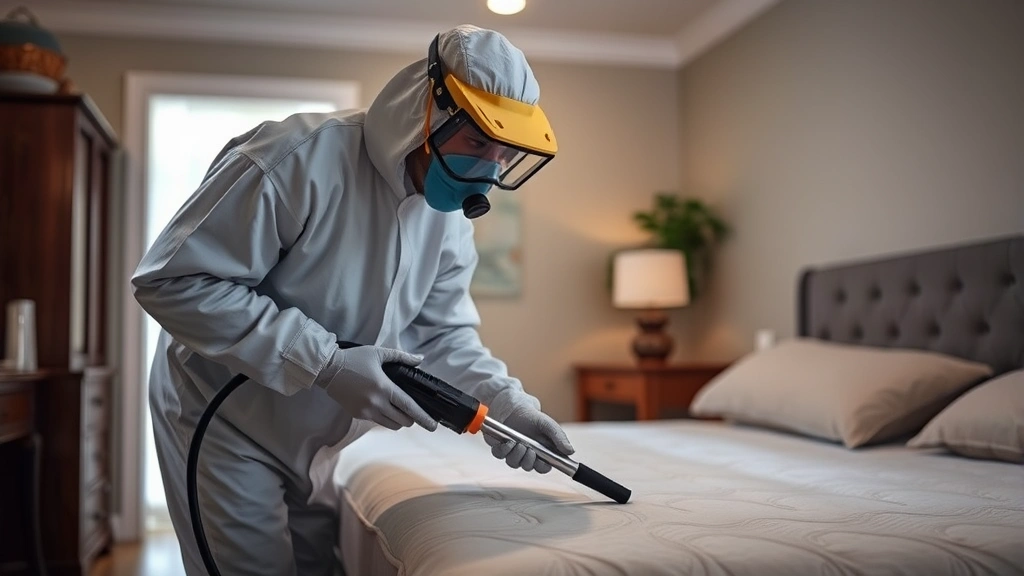
Professional Pest Control: This is usually the most effective option. Licensed pest control professionals use various methods to eliminate bed bugs, including heat treatments, chemical treatments, and integrated pest management approaches. The Environmental Protection Agency provides resources on bed bug treatment, and they recommend hiring professionals for severe infestations.
Heat Treatment: Some pest control companies use heat to raise the temperature of your entire home to levels that kill bed bugs at all life stages (typically 118°F or higher). This method is highly effective but can be expensive.
Chemical Treatments: Insecticides approved for bed bug treatment can be applied to infested areas. Multiple applications are usually necessary because bed bugs at different life stages may require repeated treatments. Always ensure any pesticides used are safe around pets.
DIY Approaches: While professional treatment is recommended, some people attempt to manage infestations themselves using:
- Diatomaceous earth (food-grade only, as it’s safer around pets)
- Vacuuming and steam cleaning
- Washing infested items in hot water
- Sealing cracks and crevices
For your dog specifically, if they’ve been bitten, your veterinarian may recommend:
- Topical treatments to soothe irritation
- Antihistamines to reduce itching
- Antibiotics if secondary skin infections develop from scratching
- Medicated baths to prevent infection
It’s crucial to note that you should never apply bed bug treatments directly to your dog without veterinary guidance. Your dog’s safety is paramount, and some pesticides can be harmful to pets.
When to Call Your Veterinarian
Your veterinarian is an important partner in addressing bed bug concerns. Contact your vet if:
- Your dog shows signs of excessive itching or skin irritation that you suspect might be from bed bugs
- Your dog has open sores or signs of infection from scratching
- You’ve confirmed a bed bug infestation in your home and want to discuss your dog’s exposure and any necessary treatments
- Your dog is showing behavioral changes like anxiety or restlessness that coincide with a suspected bed bug exposure
- You need guidance on safe ways to protect your dog during pest control treatment of your home
- Your dog has been bitten and is showing signs of allergic reactions or severe irritation
Your veterinarian can provide personalized advice based on your dog’s age, health status, and specific situation. They can also rule out other parasitic infestations that might cause similar symptoms. If you’re planning to use pest control services, discuss the specific products and methods with your vet beforehand to ensure they’re safe for your pet.
According to the ASPCA, veterinarians are trained to identify and manage parasitic concerns in pets, and they can provide guidance on protecting your dog during home treatment for bed bugs.
Frequently Asked Questions
Can bed bugs live permanently on dogs?
No, bed bugs cannot live permanently on dogs. Unlike fleas, which establish themselves on a host and reproduce there, bed bugs are temporary visitors. They may bite your dog for a blood meal, but they won’t establish a colony on your pet. Instead, they prefer to hide in your home’s furniture, bedding, and walls, emerging primarily at night to feed on humans.
Will my dog get sick from bed bug bites?
Most dogs won’t get sick from bed bug bites, though they may experience itching and discomfort. However, if your dog scratches excessively, they could develop secondary skin infections. In rare cases, dogs might have allergic reactions to bed bug saliva, resulting in more severe itching or swelling. If you notice concerning symptoms, consult your veterinarian.
How can I tell if my dog has bed bugs versus fleas?
The main difference is that fleas are visible on your dog’s fur and can be found throughout their coat, while bed bugs won’t be living on your dog. Fleas leave small black droppings (flea dirt) visible in the fur. Bed bugs are only temporary visitors and will leave small bite marks that appear in clusters or lines. If you see actual parasites moving on your dog’s skin, it’s more likely to be fleas.
Can I use flea treatments to prevent bed bugs on my dog?
Flea treatments won’t prevent bed bugs from using your dog as transportation. Since bed bugs are temporary visitors and don’t establish themselves on your dog like fleas do, flea prevention products aren’t effective against them. Prevention focuses on avoiding infested environments and inspecting your dog after potential exposure.
What should I do if I find bed bugs on my dog?
If you find bed bugs on your dog, remove them carefully with tweezers and place them in a sealed container or flush them down the toilet. Then, thoroughly inspect your entire home for signs of infestation. Contact a professional pest control service and your veterinarian. Wash your dog’s bedding in hot water and consider isolating their sleeping area while treatment is underway.
Can bed bugs spread from my dog to other pets?
While bed bugs can bite other pets, they don’t establish infestations on animals. However, bed bugs could use any pet as transportation to move around your home. If you have multiple pets, ensure all their bedding and sleeping areas are treated and regularly inspected during any bed bug treatment process.
Is it safe to use pesticides around my dog during bed bug treatment?
This depends on the specific pesticides used. Always inform your pest control professional that you have a dog and discuss safety precautions. Some treatments require you to remove pets from the home temporarily. Your veterinarian can advise you on specific products and whether they’re safe around your dog. Never apply pesticides directly to your dog without veterinary approval.





