
Can Dogs Digest Bones? What You Need to Know
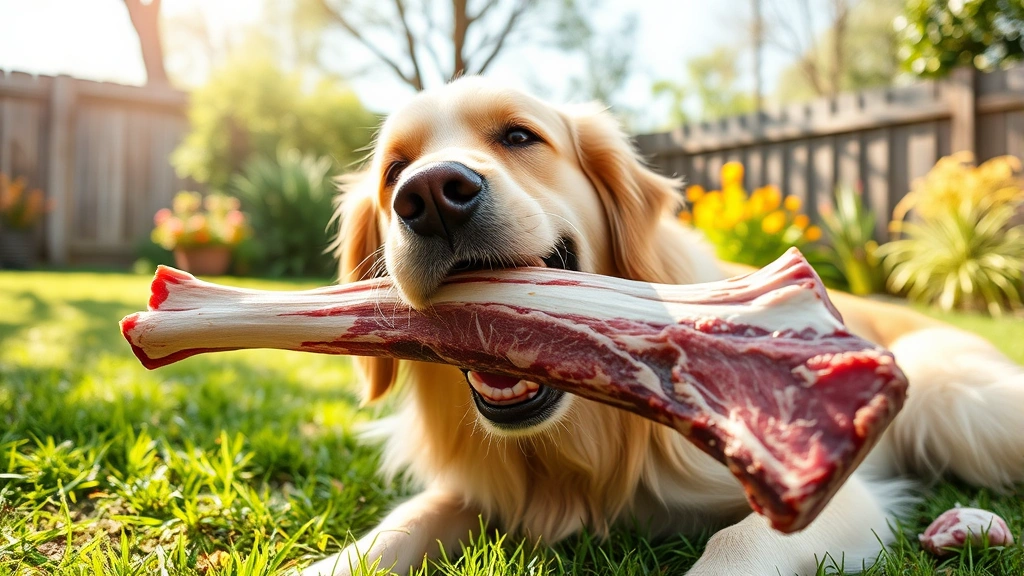
Your dog’s eyes light up the moment you pull out a bone from the kitchen, and honestly, it’s hard to resist that adorable enthusiasm. But before you toss that leftover bone across the room, you’re probably wondering: can dogs actually digest bones safely? It’s a question that deserves a thoughtful answer, because what seems natural might not always be what’s best for your furry friend.
The truth is, bone digestion in dogs is more complicated than a simple yes or no. While dogs have been gnawing on bones for thousands of years—and their wild ancestors certainly did—modern pet parents need to understand the nuances. Not all bones are created equal, and not all dogs handle them the same way. Some pups can munch on bones without a hitch, while others face serious health risks from the very same treat.
In this comprehensive guide, we’re breaking down everything you need to know about bone digestion in dogs, from what happens inside their stomach to which bones are safest (and which ones to avoid at all costs). By the end, you’ll be equipped to make the smartest decisions for your canine companion’s health and happiness.
How Dogs Digest Bones
Let’s start with the basics: how exactly does your dog’s digestive system handle bones? Understanding this process is crucial for making informed decisions about what you feed your pup.
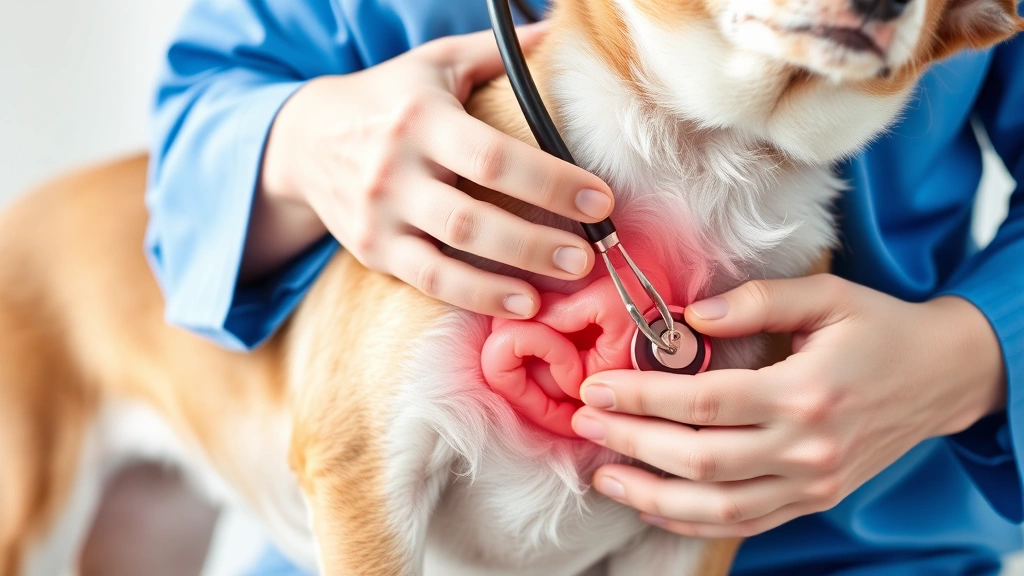
Dogs have remarkably strong stomach acid—significantly more acidic than human stomachs—which is one reason they can tolerate bones better than we can. When your dog swallows a bone, it travels down the esophagus and lands in the stomach, where powerful gastric juices begin breaking it down. This acidic environment can soften bones over time, making them easier to process through the digestive tract.
The entire digestive journey typically takes between 6 to 8 hours, though this varies based on the dog’s size, age, and individual metabolism. Larger dogs with faster metabolisms might process bones more quickly, while senior dogs or those with sensitive stomachs may take longer. How long it takes a dog to digest food depends on several factors including the type of bone and your dog’s digestive health.
It’s worth noting that while dogs’ stomachs are powerful, they’re not magical. Bones don’t simply dissolve into nothing. Instead, they break down into smaller fragments that pass through the intestines. If these fragments are small enough and smooth enough, they’ll typically exit through your dog’s stool without incident. However, if larger, sharper pieces make it through, that’s when problems arise.
The key factor here is bone composition. Raw bones tend to be softer and more pliable, allowing them to break down more readily in stomach acid. Cooked bones, on the other hand, become brittle and can splinter into sharp shards—a major concern we’ll explore in detail shortly.
Cooked Bones vs. Raw Bones: The Critical Difference
This is perhaps the most important distinction you need to understand. The cooking process fundamentally changes how bones behave in your dog’s digestive system, and not for the better.
Cooked Bones: The Real Danger
When you cook a bone—whether by boiling, roasting, grilling, or frying—the heat removes moisture and causes the bone structure to become rigid and brittle. This makes cooked bones far more likely to splinter into sharp, dangerous shards. These fragments can cause serious injuries to your dog’s mouth, throat, esophagus, and digestive tract. Even worse, they can cause intestinal blockages or perforations, which are life-threatening emergencies requiring surgical intervention.
This is why whether dogs can eat chicken bones becomes such a concern—most people offer their dogs cooked chicken bones from dinner leftovers. That roasted chicken carcass might smell delicious to your pup, but it’s genuinely hazardous.
Raw Bones: A Safer Option (With Caveats)
Raw bones are significantly safer than their cooked counterparts. They remain softer and more flexible, breaking down more readily in stomach acid rather than splintering into sharp pieces. Many raw bones can be partially or fully digested, with the minerals and nutrients being absorbed by your dog’s body.
However, raw bones aren’t risk-free. They can still cause issues if they’re too large, too hard, or if your dog has pre-existing digestive problems. Additionally, raw bones carry a small risk of bacterial contamination (like E. coli or Salmonella), which can affect both your dog and your family if proper hygiene isn’t maintained.
If you’re curious about whether dogs can eat raw chicken bones, the answer is more nuanced than with cooked bones, but still requires careful consideration and supervision.
Digestive Risks and Complications
While some dogs handle bones without any issues, the potential complications are serious enough that every dog owner should be aware of them.
Intestinal Blockages
One of the most common and serious complications from bone consumption is intestinal blockage. When bone fragments don’t break down sufficiently, they can accumulate and obstruct the intestines. Signs include vomiting, constipation, abdominal pain, lethargy, and loss of appetite. Blockages often require emergency surgery to resolve, which can cost thousands of dollars and put your dog’s life at risk.
Perforations and Tears
Sharp bone fragments can puncture or tear the intestinal lining, causing peritonitis (inflammation of the abdominal cavity). This is an extremely serious condition that requires immediate veterinary attention and surgery. Without treatment, it can be fatal.
Constipation
Even when bones don’t cause complete blockages, they can accumulate in the colon and cause severe constipation. Your dog might strain to defecate, produce hard, dry stools, or stop going altogether. While less immediately dangerous than blockages, constipation still causes significant discomfort and can lead to other complications.
Pancreatitis
High-fat bones, particularly from fatty meats, can trigger pancreatitis in susceptible dogs. This painful inflammation of the pancreas can be triggered by a single rich meal or can develop gradually with repeated exposure. Breeds like Schnauzers, Cocker Spaniels, and Poodles are particularly prone to this condition.
According to the ASPCA’s pet care guidelines, fatty foods should be limited in dogs’ diets, especially for those with a history of digestive issues.
Dental Damage
Chewing on very hard bones can crack or fracture your dog’s teeth, leading to pain, infection, and potentially tooth loss. Older dogs and small breed dogs are particularly susceptible to dental damage from hard bones.
Safe Alternatives to Bones
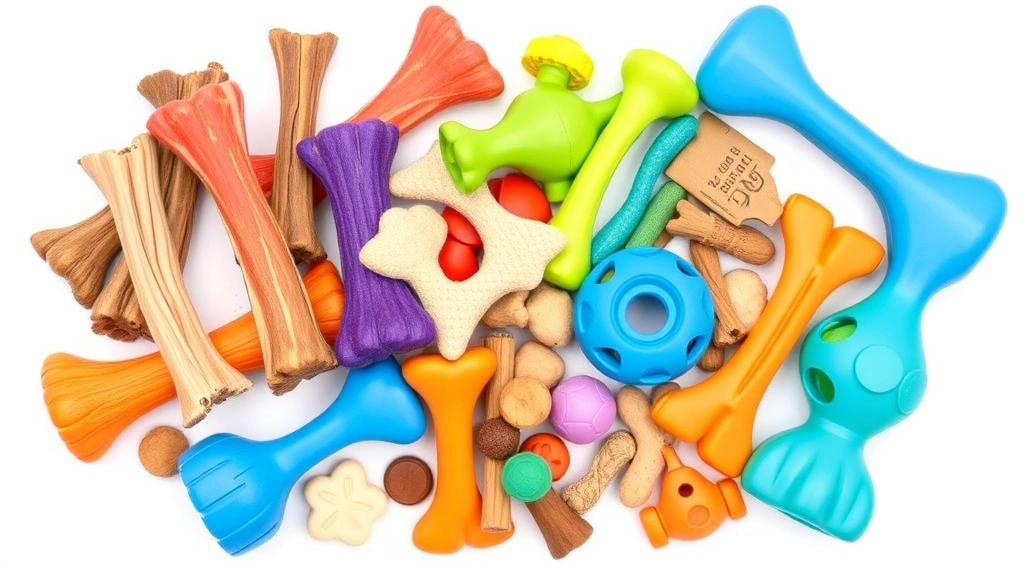
If you want to give your dog something satisfying to chew on without the risks associated with actual bones, you have plenty of excellent alternatives.
Commercially Prepared Chews
Products like bully sticks, yak chews, and rawhide alternatives are specifically designed to be digestible and safe. Look for options that are sourced from reputable manufacturers and avoid anything with artificial additives or preservatives.
Dental Chews
Many dental chews are formulated to clean your dog’s teeth while being completely safe to digest. They often include ingredients that promote oral health and freshen breath.
Frozen Treats
Frozen broth, peanut butter (xylitol-free), or yogurt can provide satisfying chewing experiences without the risks. Kong toys filled with frozen treats are particularly popular and engaging for dogs.
Interactive Puzzle Toys
Rather than focusing solely on chewing, consider puzzle toys that stimulate your dog’s mind. These can provide mental enrichment and keep your pup entertained for extended periods without any digestive risks.
If you’re still interested in learning more about whether dogs can eat bones or the reasons why dogs like bones, these resources provide additional context for understanding your dog’s natural instincts while helping you make safer choices.
Signs Your Dog Is in Trouble After Eating Bones
If your dog has already consumed bones, knowing the warning signs of complications is critical for getting prompt veterinary care.
Immediate Symptoms (Within Hours)
- Vomiting or retching: Particularly if it’s persistent or contains blood
- Difficulty swallowing: Indicating possible throat or esophageal injury
- Drooling excessively: May suggest mouth or throat pain
- Abdominal pain: Whining, hunching, or reluctance to move
- Loss of appetite: Refusing treats or meals
Delayed Symptoms (24-72 Hours Later)
- Constipation: Straining to defecate or no bowel movements
- Diarrhea: Loose stools or inability to control bowels
- Lethargy: Unusual tiredness or lack of interest in activities
- Abdominal distension: Bloated or swollen belly
- Repeated vomiting: Especially if it worsens over time
When to Seek Emergency Care
Don’t wait to see if symptoms resolve on their own. Contact your veterinarian immediately if you notice any of these signs, or if your dog ate bones and you’re concerned. According to the American Kennel Club’s expert advice, it’s always better to err on the side of caution with potential foreign body ingestion.
The Merck Veterinary Manual emphasizes that intestinal blockages and perforations are true emergencies requiring immediate surgical intervention in many cases.
Frequently Asked Questions
Can Dogs Digest Bones Completely?
Raw bones can be partially or mostly digested by dogs, with the softer parts breaking down in stomach acid and minerals being absorbed. However, some bone material—particularly the harder core—may not be fully digested and will pass through as part of the stool. Cooked bones are much less likely to be digested properly and are more likely to cause problems.
What Type of Raw Bones Are Safest?
Soft raw bones like chicken necks, lamb ribs, and beef knuckles are generally safer than hard, weight-bearing bones. Always supervise your dog while they’re chewing, choose bones appropriate for your dog’s size, and avoid any bones that are already cracked or splintered.
How Do I Know if My Dog Has a Bone Fragment Stuck?
Signs include persistent vomiting, inability to eat or drink, severe abdominal pain, constipation followed by diarrhea, lethargy, and loss of appetite. If you suspect a blockage, seek veterinary care immediately. Your vet can perform X-rays or ultrasounds to diagnose the problem.
Should I Be Concerned if My Dog Ate a Cooked Bone?
Yes, absolutely. While not every dog will develop complications from a single cooked bone, the risk is real and serious. Monitor your dog closely for the next 48-72 hours for any signs of distress. Contact your vet if you notice anything unusual, and don’t hesitate to seek emergency care if symptoms develop.
Are There Any Bones That Are Always Safe?
No bones are 100% risk-free for every dog. Individual factors like age, size, health status, and chewing habits all play a role in determining risk. What’s safe for one dog might be dangerous for another. This is why many veterinarians recommend avoiding bones altogether and opting for safer alternatives.
Can Puppies Digest Bones?
Puppies have developing digestive systems and are generally more vulnerable to blockages and other complications. It’s best to avoid giving puppies any bones until they’re fully grown, and even then, proceed with caution. Stick to safer options rather than chicken bones and other potential hazards.
What Should I Do if I Want to Give My Dog Bones?
If you’re determined to offer bones, follow these guidelines: only offer raw bones, never cooked ones; choose bones appropriate for your dog’s size; always supervise; remove the bone after 15-20 minutes if not fully consumed; never give bones that are cracked, splintered, or too hard; and avoid high-fat bones. Still, consulting with your veterinarian first is the smartest choice.
Can Bone Broth Be a Safe Alternative?
Yes! Bone broth made specifically for dogs (without onions, garlic, or excess salt) can provide some of the nutritional benefits of bones without the digestive risks. It’s a wonderful way to add nutrients and flavor to your dog’s meals while keeping them safe.
The Bottom Line
So, can dogs digest bones? Technically, yes—but whether they should is a different question entirely. While dogs’ digestive systems are designed to handle bones better than ours, modern pet dogs face real risks from bone consumption, particularly from cooked bones. The potential complications—blockages, perforations, constipation, and pancreatitis—are serious enough that many veterinarians recommend avoiding bones altogether.
Your dog’s enthusiasm for bones is natural and understandable, but as their caretaker, you have the power to protect them from unnecessary risks. By choosing safer alternatives and making informed decisions about what your pup consumes, you’re investing in their long-term health and happiness. When in doubt, always consult with your veterinarian—they know your individual dog’s health history and can provide personalized guidance for your furry friend’s dietary needs.





