

Can Dogs Drink Alkaline Water? What Vets Recommend
If you’re scrolling through pet wellness blogs or chatting with other dog owners at the park, you’ve probably heard someone mention alkaline water as a health miracle. It’s trendy, it’s marketed as beneficial for humans, and naturally, pet parents wonder: can dogs drink alkaline water too? The short answer is yes, dogs can drink alkaline water, but whether they should is a more nuanced conversation that deserves some serious consideration.
The pet wellness industry is booming, and with it comes a flood of products promising to optimize your dog’s health. Alkaline water sits right in that sweet spot of popularity—it’s not inherently harmful, but it’s also not necessarily the fountain of youth for your furry friend. Before you invest in an alkaline water system or start filling your pup’s bowl with pH-boosted H2O, let’s dig into what the research actually says and what veterinarians recommend.
Your dog’s hydration needs are important, and understanding what water is best for them is part of responsible pet ownership. Let’s break down everything you need to know about alkaline water for dogs, from the science behind it to practical recommendations from veterinary professionals.
What Is Alkaline Water?
Alkaline water is water that has a higher pH level than regular tap water. On the pH scale, which ranges from 0 to 14, neutral water sits at 7. Alkaline water typically measures between 8 and 9.5 on this scale. This increased pH is achieved through various methods, including electrolysis machines, mineral additives, or natural mineral springs.
The concept of alkaline water gained popularity in Japan and has since spread across North America, where wellness enthusiasts swear by its purported health benefits. The marketing claims are compelling: improved hydration, better nutrient absorption, and even anti-aging properties. But here’s the thing—most of these claims are based on preliminary research or anecdotal evidence rather than robust scientific studies.
When water becomes alkaline, it typically contains minerals like calcium, magnesium, potassium, and sodium. These minerals are added either naturally through filtration or artificially through ionization. Some alkaline water products also contain antioxidants that manufacturers claim can neutralize harmful free radicals in the body.
How Alkaline Water Works in the Body
To understand whether alkaline water is appropriate for dogs, we need to understand how it interacts with the body. The premise behind alkaline water is based on the “acid-alkaline diet” theory, which suggests that consuming more alkaline foods and beverages can neutralize excess acid in the body and improve overall health.
Your dog’s body, like yours, maintains a carefully balanced pH level. The stomach is highly acidic (pH around 1.5-3.5), which is essential for digestion. The blood maintains a slightly alkaline pH of around 7.35-7.45. This balance is crucial for proper bodily function, and your dog’s body has sophisticated mechanisms to regulate it regardless of what they consume.
When your dog drinks alkaline water, their digestive system doesn’t simply accept it as-is. The stomach acid immediately works to neutralize the alkalinity, breaking it down into its component parts. Some minerals may be absorbed if the body needs them, but the alkaline properties themselves don’t persist beyond the stomach.

This is an important distinction: your dog’s body is remarkably efficient at maintaining its own pH balance through respiration, kidney function, and metabolic processes. Drinking alkaline water won’t significantly alter your dog’s internal pH, regardless of what marketing materials suggest. The body simply won’t allow it.
Is Alkaline Water Safe for Dogs?
The straightforward answer is: yes, alkaline water is generally safe for dogs in moderation. It’s not toxic, and it won’t cause immediate harm if your dog drinks it. However, “safe” doesn’t automatically mean “beneficial” or “necessary.”
Most veterinarians agree that plain, fresh water remains the gold standard for canine hydration. According to the Association of American Feed Control Officials, dogs don’t have special pH requirements for their drinking water. Your dog’s body is equipped to handle various water sources and will regulate its own chemistry accordingly.
The potential concern with alkaline water isn’t toxicity—it’s unnecessary supplementation. Some dogs with specific health conditions might benefit from controlled mineral intake, while others could face complications. For instance, dogs prone to kidney stones or certain urinary conditions might need to avoid high-mineral water, which some alkaline products contain.
Additionally, if your dog has underlying health issues or is taking medications, the minerals in alkaline water could potentially interact. This is why consulting with your veterinarian before making dietary changes—including water changes—is always wise.
What Veterinarians Actually Recommend
When you ask veterinarians about alkaline water for dogs, you’ll typically hear a consistent message: stick with regular, clean water. The American Veterinary Medical Association doesn’t recommend alkaline water for dogs, primarily because there’s insufficient evidence supporting its benefits for canine health.
Dr. Karen Becker, a proactive and integrative wellness veterinarian, notes that while alkaline water isn’t harmful, dogs don’t have the same biological need for it that marketing suggests. She emphasizes that proper nutrition, adequate exercise, and regular veterinary care are far more impactful for your dog’s health than the pH of their drinking water.
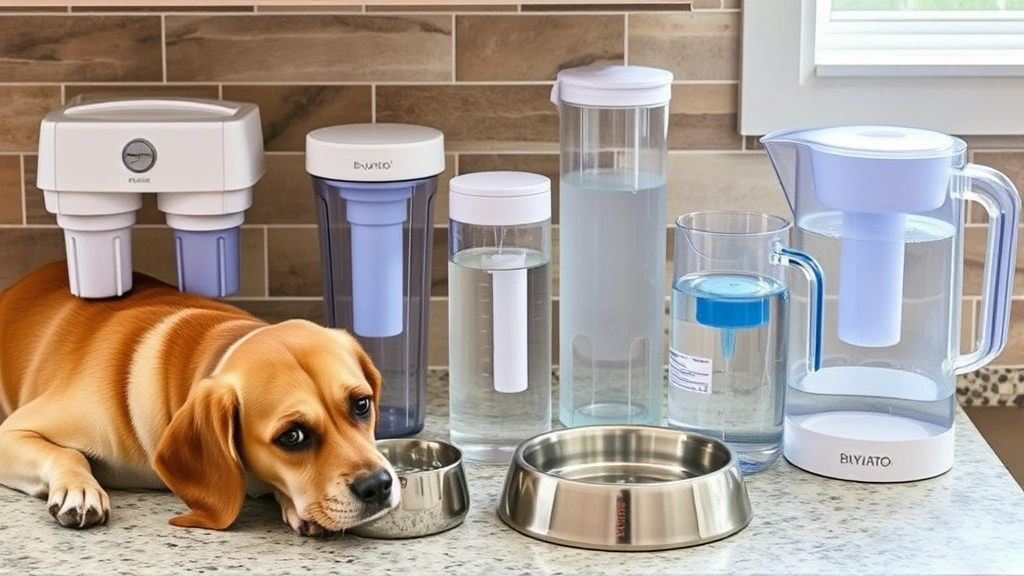
Most veterinary schools teach that the best water for dogs is filtered or dechlorinated tap water—essentially, water that’s clean and free from contaminants. If you’re concerned about tap water quality, a simple carbon filter pitcher or under-sink filtration system is often recommended over specialized alkaline systems.
Your veterinarian might recommend specific water modifications only in cases where your dog has particular health conditions. For example, dogs with certain types of urinary crystals might benefit from lower-mineral water, while others might need specific mineral support. These recommendations are always individualized based on your dog’s unique health profile.
Potential Benefits and Concerns
The Potential Benefits (With Caveats)
While evidence is limited, some proponents of alkaline water for dogs cite potential benefits:
- Improved hydration: Some claim the smaller water molecule clusters in ionized alkaline water allow for better cellular absorption. However, this “hexagonal water” theory lacks substantial scientific backing.
- Mineral supplementation: Alkaline water contains minerals that dogs need in their diet. However, your dog’s regular food and fresh water typically provide adequate minerals.
- Antioxidant properties: Certain alkaline waters contain antioxidants that theoretically could support immune function, though evidence in dogs is minimal.
The Concerns Worth Considering
On the flip side, there are legitimate reasons to approach alkaline water with caution:
- Mineral overload: Dogs with certain health conditions, such as struvite urinary stones or calcium oxalate crystals, might be negatively affected by high-mineral water. If you’re concerned about your dog’s urinary health, read our guide on why your dog might be drinking too much water.
- Electrolyte imbalance: Excessive mineral intake could potentially affect electrolyte balance, particularly in dogs with kidney disease or heart conditions.
- Medication interactions: The minerals in alkaline water could theoretically interact with certain medications, though this is rare.
- False sense of security: Relying on alkaline water instead of addressing actual health issues could delay proper treatment.
The most important consideration is that your dog’s health depends on a balanced diet, regular exercise, preventive veterinary care, and adequate hydration—not on the pH of their water.
Better Water Alternatives for Your Dog
If you’re looking to optimize your dog’s hydration and overall wellness, there are better places to focus your energy and resources:
Filtered Tap Water
A simple carbon filter pitcher or faucet-mounted filter removes chlorine, sediment, and some contaminants without adding unnecessary minerals. This is often the most practical and cost-effective solution for most dog owners.
Bone Broth
If you want to add something special to your dog’s diet, bone broth is worth exploring. It provides hydration along with collagen and minerals in a form your dog’s body can easily utilize. Make sure it’s dog-safe and contains no harmful ingredients like onions or garlic.
Coconut Water
For occasional supplementation, coconut water can be a hydrating treat, though it shouldn’t replace regular water. It contains electrolytes and is naturally lower in sodium than sports drinks designed for humans.
Fresh, Clean Water
Honestly, the best thing you can do for your dog’s hydration is ensuring they always have access to fresh, clean water. Change the water daily, keep the bowl clean, and encourage drinking throughout the day, especially during warm weather or after exercise.
Proper Nutrition
Focus on providing high-quality dog food that meets AAFCO standards. A balanced diet is where your dog gets most of their necessary minerals and nutrients. If you’re unsure about portion sizes, check out our article on how much food to feed your dog.
Frequently Asked Questions
Is alkaline water better than regular water for dogs?
Not necessarily. While alkaline water isn’t harmful, regular filtered water is just as hydrating and doesn’t carry the same cost or complexity. Your dog’s body maintains its own pH balance regardless of water alkalinity. Veterinarians generally recommend standard clean water over alkaline alternatives for most dogs.
Can I give my dog alkaline water every day?
Yes, alkaline water is safe for daily consumption in most dogs. However, there’s no proven benefit to doing so, and it’s an unnecessary expense. If your dog has specific health conditions—particularly urinary or kidney issues—consult your veterinarian before making the switch.
What’s the difference between alkaline water and regular tap water for dogs?
The main difference is pH level. Alkaline water has a higher pH (typically 8-9.5) compared to neutral tap water (pH 7). Alkaline water may contain added minerals, while tap water composition varies by location. For dogs, the functional difference is minimal since their bodies regulate internal pH independently.
Could alkaline water help with my dog’s arthritis or joint problems?
While some proponents claim alkaline water helps with inflammation and joint health, there’s insufficient scientific evidence supporting this in dogs. If your dog has arthritis, focus on proven interventions: appropriate exercise, weight management, joint supplements (if recommended by your vet), and pain management under veterinary supervision.
My dog has kidney disease—is alkaline water safe?
This depends on your dog’s specific condition and the mineral content of the alkaline water. Dogs with kidney disease often need controlled mineral and electrolyte intake. Always consult your veterinarian before changing your dog’s water source when they have a medical condition.
Are there any dogs that should definitely avoid alkaline water?
Dogs with urinary crystal issues, kidney disease, heart conditions, or those taking certain medications should avoid alkaline water unless specifically approved by their veterinarian. Additionally, puppies should stick with regular water as their nutritional needs are best met through proper puppy food.
What about other beverages—can dogs drink milk or coffee?
Most adult dogs are lactose intolerant, so milk isn’t ideal. Coffee and caffeine are toxic to dogs and should never be given. Stick with water as your dog’s primary beverage. Occasional treats like bone broth or coconut water are fine, but water should make up the vast majority of their liquid intake.
How do I know if my dog is properly hydrated?
Signs of proper hydration include moist gums, normal skin elasticity (skin should snap back quickly when gently pulled), and clear eyes. Your dog should be interested in water and drinking regularly throughout the day. If you notice excessive thirst, lethargy, or other concerning symptoms, contact your veterinarian.





