
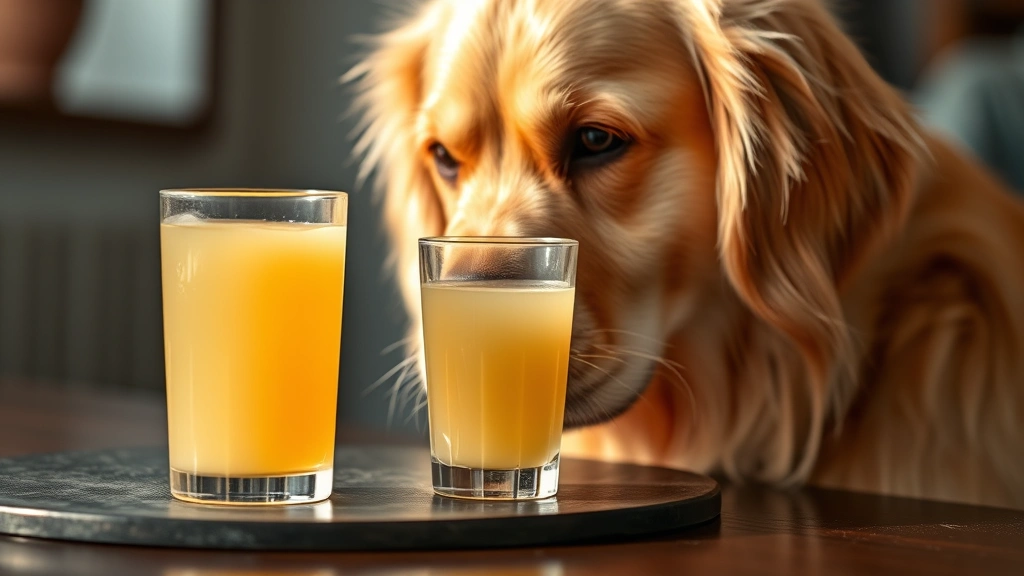
Can Dogs Drink Apple Juice? What Vets Recommend
As a dog owner, you’ve probably wondered whether it’s safe to share some of your favorite beverages with your furry best friend. Apple juice is a refreshing drink for humans, but can dogs drink apple juice? The answer isn’t as straightforward as a simple yes or no. While small amounts of unsweetened, diluted apple juice might be tolerated by some dogs, most veterinarians recommend avoiding it altogether due to its high sugar content and potential health risks.
Your dog’s digestive system is quite different from yours, and what seems like a harmless treat could actually cause problems. In this comprehensive guide, we’ll explore everything you need to know about apple juice and your canine companion, including what veterinarians recommend, the risks involved, and safer alternatives to keep your pup hydrated and healthy.
Whether you’re considering giving your dog a taste of apple juice or you’ve already done so and want to understand the implications, this article will provide you with evidence-based information to make the best decision for your pet’s wellbeing.
Is Apple Juice Safe for Dogs?
The short answer is that apple juice is not recommended for dogs. While apples themselves can be a safe and nutritious treat in moderation, the juice form concentrates sugars and removes beneficial fiber. Most commercial apple juices contain added sugars, preservatives, and other ingredients that aren’t ideal for canine consumption.
If you’re considering giving your dog apple juice, it’s important to understand that even small amounts can cause digestive upset in sensitive dogs. Some dogs may tolerate a tiny taste of diluted, unsweetened apple juice without immediate problems, but this doesn’t mean it’s safe or beneficial for them. The risks generally outweigh any potential benefits.
When thinking about what beverages are appropriate for your dog, it’s worth comparing apple juice to other options. For instance, many pet owners wonder about whether dogs can drink milk, and similarly, apple juice should be approached with caution. Your dog’s primary beverage should always be fresh, clean water.
The Sugar Content Problem
One of the primary concerns with apple juice for dogs is its remarkably high sugar content. A typical 8-ounce glass of apple juice contains approximately 24 grams of sugar—equivalent to about 6 teaspoons. For a small dog weighing just 10 pounds, this amount of sugar represents a significant portion of their daily caloric intake.
Dogs don’t require sugar in their diet, and excessive sugar consumption can lead to several health complications. The ASPCA warns that high-sugar foods and beverages can contribute to obesity, dental problems, and metabolic issues in dogs. Unlike humans, dogs lack the dietary need for sweet-tasting foods, and their taste preferences don’t include a craving for sugary drinks.
Commercial apple juices often contain additional sugars beyond what naturally occurs in apples. Some brands add high-fructose corn syrup or other sweetening agents to enhance flavor. Even juices labeled as “100% apple juice” contain concentrated natural sugars that are problematic for dogs. If you’re also wondering about whether dogs can drink coconut water, you’ll find that beverages beyond plain water generally carry similar concerns about sugar and additives.
The sugar in apple juice can cause rapid blood sugar spikes in dogs, which is particularly concerning for dogs with diabetes or those at risk for developing the condition. Senior dogs and dogs with pre-existing health conditions are especially vulnerable to the negative effects of high-sugar beverages.
Potential Health Risks
Beyond the sugar content, apple juice poses several other health risks to dogs that every responsible pet owner should understand. These risks range from immediate digestive upset to long-term metabolic problems.
Digestive Issues: Apple juice can cause stomach upset, diarrhea, and vomiting in dogs, particularly those with sensitive digestive systems. The high acidity of apple juice irritates the stomach lining and can disrupt the delicate balance of gut bacteria. If your dog experiences digestive problems after consuming apple juice, you might want to reference our guide on what to feed a dog with diarrhea.
Dental Problems: The acidity and sugar in apple juice work together to damage tooth enamel and promote bacterial growth in the mouth. Dogs already prone to dental issues are at increased risk of decay and gum disease from sugary beverages.
Obesity: Regular consumption of apple juice contributes to weight gain and obesity in dogs. Obesity in dogs leads to joint problems, reduced mobility, shortened lifespan, and increased risk of various diseases including diabetes and heart disease.
Pancreatitis: Some dogs are susceptible to pancreatitis, an inflammation of the pancreas that can be triggered by high-fat or high-sugar foods and beverages. This condition is painful and potentially life-threatening.
Artificial Sweeteners: Some apple juices contain artificial sweeteners like xylitol, which is toxic to dogs. Even small amounts of xylitol can cause severe hypoglycemia, liver damage, and death in canines.
What Veterinarians Recommend
Veterinary professionals are remarkably consistent in their recommendation regarding apple juice for dogs: avoid it. The American Kennel Club advises pet owners to stick to water as the primary beverage for dogs, with occasional treats being appropriate only in very limited quantities and only under specific circumstances.
Dr. Jennifer Coates, a veterinary nutritionist, emphasizes that dogs have no nutritional requirement for juice of any kind. Their dietary needs are best met through high-quality dog food and fresh water. Any treats or extra beverages should make up no more than 10% of a dog’s daily caloric intake, and this should consist of dog-appropriate foods rather than human beverages.
Most veterinarians recommend that if you want to give your dog a fruit-based treat, whole apples (without seeds) are a better choice than apple juice, as they provide fiber and require more chewing, which benefits dental health. However, dogs should not eat apple cores, as they contain cyanogenic compounds that can be harmful.
Veterinary organizations universally recommend making water the centerpiece of your dog’s hydration strategy. This is especially important for dogs that don’t seem interested in drinking enough. If you’ve noticed your dog isn’t drinking enough water, there are many safe strategies to encourage hydration without resorting to sugary beverages.
Safe Beverage Alternatives
Your dog doesn’t need variety in their beverages—water is genuinely all they require. However, if you’re looking for occasional treat options or ways to make hydration more interesting, there are several safe alternatives to apple juice.
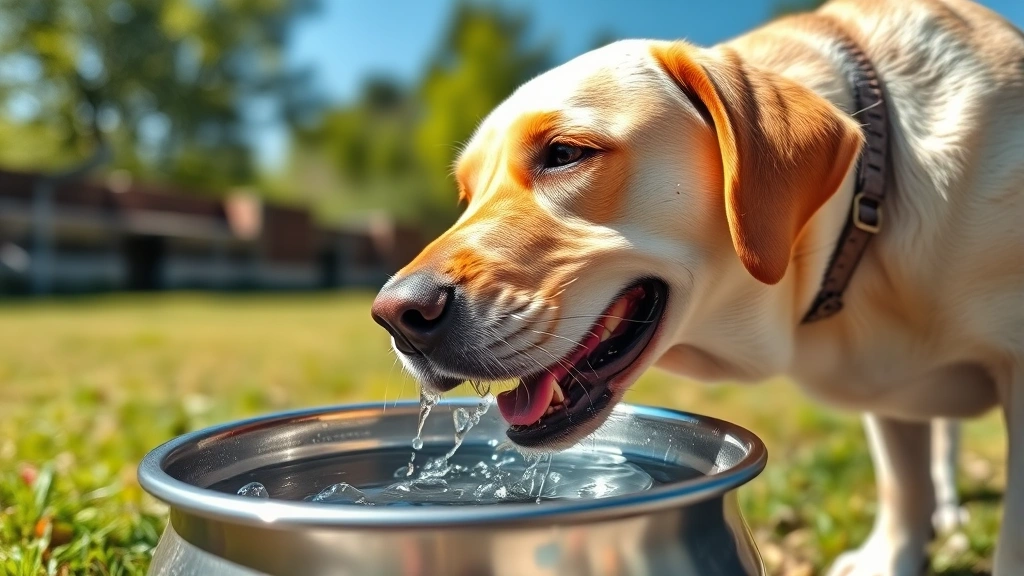
Plain Water: This is the gold standard and should make up 99% of your dog’s fluid intake. Fresh, clean water supports kidney function, aids digestion, regulates body temperature, and maintains overall health. Always ensure your dog has access to clean water throughout the day.
Bone Broth: Low-sodium bone broth (with no onions or garlic) can be a tasty, hydrating treat. It provides collagen and other beneficial compounds. Offer it in small quantities as an occasional treat, not as a replacement for water.
Dog-Specific Beverages: Some companies make hydration products specifically formulated for dogs with appropriate electrolyte balance and no harmful additives. These can be useful during hot weather or after exercise, but should still be given in moderation.
Diluted Vegetable Broth: Unsalted vegetable broth diluted with water can add flavor without the sugar problems of fruit juices. Keep portions small and ensure there are no harmful ingredients like onions or garlic.
Ice Cubes: Many dogs enjoy chewing on ice cubes, which provides hydration and mental stimulation. However, avoid giving ice to dogs with sensitive teeth or certain dental conditions.
Watermelon Water: If you’ve been wondering about why your dog is drinking so much water, offering hydrating whole foods like watermelon (seedless) might be more appropriate than juices. The high water content satisfies the desire for flavorful hydration without the sugar concentration of juice.
What to Do if Your Dog Drinks Apple Juice
If your dog has accidentally consumed apple juice, don’t panic. Most dogs can tolerate small amounts without serious immediate consequences. However, you should monitor your pet closely for the following symptoms over the next 24-48 hours:
- Vomiting or retching
- Diarrhea or loose stools
- Abdominal pain or bloating
- Lethargy or unusual behavior
- Loss of appetite
- Excessive thirst
If your dog consumed a large amount of apple juice or shows any of these symptoms, contact your veterinarian. Be prepared to provide information about the quantity consumed, the type of apple juice (commercial, homemade, with additives), and when it was consumed.
For dogs that consumed juice containing xylitol, seek emergency veterinary care immediately, as xylitol toxicity requires prompt treatment. The ASPCA Animal Poison Control Center can provide guidance if you’re uncertain about specific ingredients.
Prevention is always better than treatment. Store apple juice and other beverages in secure locations where your dog cannot access them. Educate family members and guests about what foods and drinks are safe for your dog, and politely but firmly decline offers of inappropriate treats from well-meaning friends.
Keeping Your Dog Properly Hydrated
Proper hydration is essential for your dog’s health, but it doesn’t require fancy beverages. Here are evidence-based strategies to ensure your dog stays well-hydrated throughout the day.
Provide Fresh Water Constantly: Your dog should have access to clean, fresh water at all times. Change the water daily and wash the bowl regularly to prevent bacterial growth and stale water.
Multiple Water Stations: If you have a large home or multiple dogs, place water bowls in different areas to encourage drinking and ensure every dog has easy access.
Water Bowl Material: Some dogs prefer certain bowl materials. Stainless steel and ceramic are generally better than plastic, which can harbor bacteria and may cause allergic reactions in sensitive dogs.
Temperature Preference: Many dogs prefer room-temperature water to cold water, though some enjoy cool water during hot weather. Experiment to see what your dog prefers.
Fountains and Filters: Some dogs are attracted to moving water. A dog water fountain can encourage drinking, and filtered water removes impurities that might make your dog reluctant to drink.
Monitor Intake: Watch your dog’s drinking habits. Excessive thirst can indicate health problems, while insufficient drinking can lead to dehydration. Changes in water consumption should be discussed with your veterinarian.
Hydrating Foods: Dogs get some hydration from their food. High-moisture dog foods and whole foods like watermelon and green beans contribute to overall fluid intake.
Exercise Considerations: Increase water availability during and after exercise, especially in hot weather. Dogs can become dehydrated quickly, particularly during physical activity.
Frequently Asked Questions
Can puppies drink apple juice?
No, puppies should not drink apple juice. Young dogs have even more sensitive digestive systems than adult dogs and are more vulnerable to the negative effects of sugar and additives. Puppies should drink water and, if needed, specially formulated puppy formula until they transition to regular dog food and water.
Is unsweetened apple juice safer for dogs?
While unsweetened apple juice is better than juice with added sugars, it’s still not recommended for dogs. Unsweetened apple juice still contains concentrated natural sugars that are problematic for canine health. The lack of added sugars doesn’t make it appropriate for regular consumption.
Can dogs drink apple cider vinegar?
Apple cider vinegar is sometimes promoted for health benefits, but it’s acidic and can irritate your dog’s digestive system and tooth enamel. While tiny amounts might be tolerated, it’s not necessary for your dog’s health and carries more risks than benefits. Consult your veterinarian before giving your dog any vinegar products.
What about organic or homemade apple juice?
Homemade or organic apple juice may avoid certain pesticides and additives, but it doesn’t solve the fundamental problem: the high concentration of natural sugars. Organic apple juice is still inappropriate for dogs for the same reasons commercial apple juice is problematic.
Can dogs drink apple juice in tiny amounts?
While a few drops of apple juice likely won’t cause immediate harm to most dogs, there’s no benefit to giving it, and even small amounts contribute to sugar consumption and potential digestive upset. It’s better to avoid it entirely rather than establish a habit of giving your dog inappropriate beverages.
What should I do if my dog keeps trying to drink my apple juice?
Store beverages securely and don’t leave drinks unattended where your dog can access them. Train your dog to respect your personal items using positive reinforcement. Offer your dog water instead when they seem interested in your beverage, and reward them for drinking from their own bowl.
Are there any health conditions where apple juice might be beneficial for dogs?
No. There are no veterinary-recognized health conditions in dogs where apple juice is the recommended treatment or beneficial. If your dog has a specific health concern, your veterinarian will recommend appropriate foods and beverages specifically formulated for that condition.
Can senior dogs drink apple juice?
Senior dogs should definitely avoid apple juice. Older dogs are more prone to obesity, diabetes, dental disease, and digestive issues—all conditions that apple juice can exacerbate. Senior dogs benefit most from high-quality nutrition and fresh water.





