
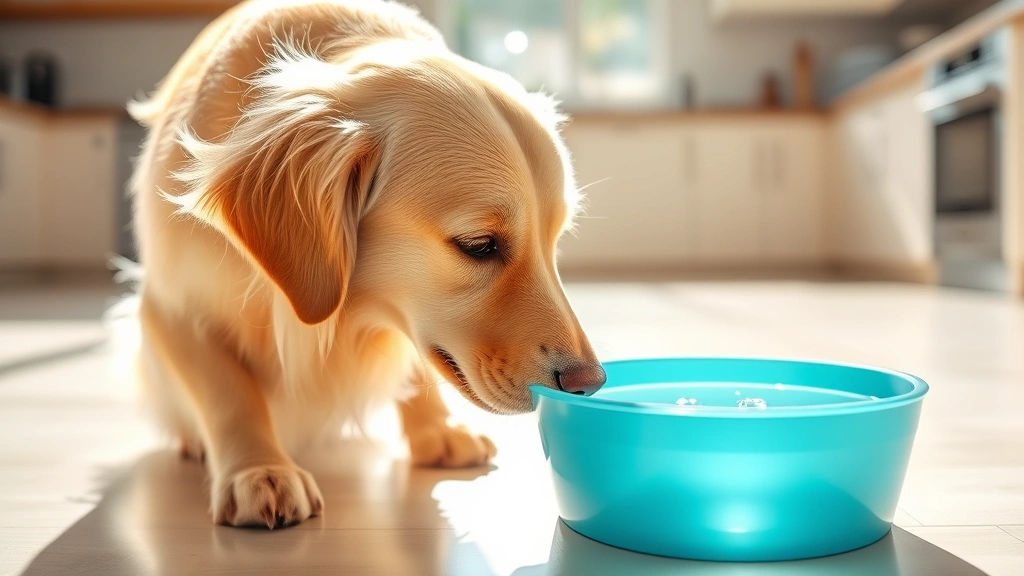
Can Dogs Drink Soda Water? Vet’s Advice on Carbonated Beverages
As a dog owner, you’ve probably wondered about sharing your favorite beverages with your furry companion. When you’re enjoying a refreshing glass of soda water on a hot day, it’s natural to consider whether your pup might enjoy a sip too. The short answer is: plain soda water is generally safe for dogs in small quantities, but there are important nuances every pet parent should understand.
Carbonated water itself—the plain, unflavored variety—poses minimal risk to most healthy dogs. However, the carbonation can cause digestive discomfort, and many commercially available carbonated drinks contain additives that are genuinely harmful to canines. Before you let your dog lap up any fizzy beverage, let’s explore what veterinarians recommend and what you absolutely need to avoid.
Is Plain Soda Water Safe?
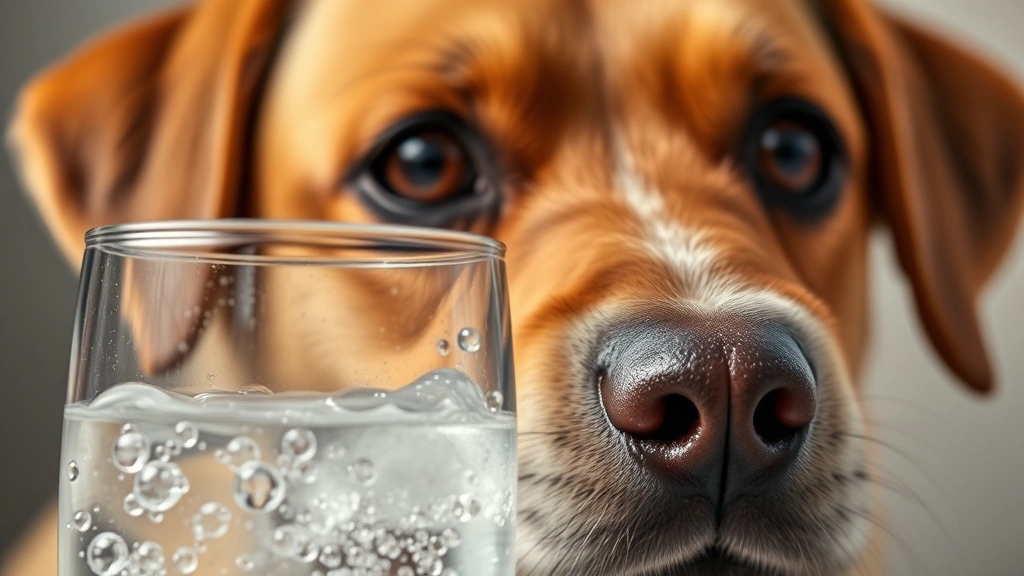
Plain soda water—carbonated water with no additives, sweeteners, or flavorings—is technically non-toxic to dogs. This means that a small amount won’t cause poisoning or immediate harm to your pet. According to veterinary guidelines, the main concern isn’t the water itself but rather the bubbles and any ingredients that might be added to commercial varieties.
The carbonation process adds carbon dioxide gas to water, creating those characteristic bubbles. When your dog consumes carbonated water, this gas enters their digestive system. For most dogs, a small taste or lick of plain soda water won’t cause problems. However, regularly allowing your dog to drink carbonated beverages isn’t recommended by most veterinarians.
The American Kennel Club emphasizes that fresh, plain water remains the gold standard for canine hydration. If your dog accidentally drinks a small amount of plain soda water, there’s no need to panic or rush to an emergency veterinary clinic. Simply monitor your pet for any signs of discomfort and ensure they have access to regular water.
How Carbonation Affects Dogs
Understanding how carbonation impacts your dog’s body is crucial for making informed decisions about what beverages to offer. Dogs have sensitive digestive systems that differ significantly from human systems, making them more susceptible to gastrointestinal upset from unusual substances.
Gas and Bloating
When carbonated water enters a dog’s stomach, the carbon dioxide bubbles can cause gas accumulation. This leads to bloating, which creates discomfort and can trigger excessive burping or flatulence. While this might seem amusing, chronic bloating in dogs can be genuinely uncomfortable and may lead to more serious conditions.
Stomach Distension
In rare cases, excessive carbonation consumption could theoretically contribute to gastric dilatation, though this is uncommon with simple carbonated water. Certain breeds, particularly large and deep-chested dogs like German Shepherds and Great Danes, are predisposed to bloat—a potentially life-threatening emergency. These breeds should absolutely avoid carbonated beverages entirely.
Esophageal Irritation
The carbonation can create mild irritation in your dog’s esophagus and mouth. Some dogs may experience temporary discomfort when swallowing fizzy beverages. If you notice your dog coughing, gagging, or showing signs of throat irritation after consuming carbonated water, discontinue offering it immediately.
Dangerous Carbonated Drinks to Avoid
While plain soda water might be acceptable in tiny quantities, most carbonated beverages on store shelves contain ingredients that are actively harmful to dogs. This is where pet owners need to exercise extreme caution.
Diet and Regular Soda
Soda—whether diet or regular—is absolutely off-limits for dogs. Regular soda contains excessive sugar, which contributes to obesity, dental problems, and diabetes in canines. Diet sodas are even more dangerous because they typically contain xylitol, an artificial sweetener that is toxic to dogs. Even small amounts of xylitol can cause severe hypoglycemia, liver damage, and potentially death. The ASPCA maintains detailed information about toxic substances, and xylitol is consistently listed as one of the most dangerous.
Flavored Sparkling Water
Many flavored sparkling water brands contain artificial sweeteners, natural flavors, and other additives that may not be appropriate for dogs. Some brands use stevia or erythritol, which are generally safer than xylitol but still not recommended for regular consumption. Always read ingredient labels carefully before considering any flavored beverage for your pet.
Carbonated Alcoholic Beverages
This should go without saying, but any alcoholic carbonated drink is extremely dangerous for dogs. Alcohol is toxic to canines and can cause serious neurological damage, respiratory depression, and death. Keep all beer, wine, and cocktails far away from your furry friend.
Kombucha and Probiotic Drinks
While some carbonated health drinks might seem beneficial, they often contain ingredients unsuitable for dogs. Kombucha, for example, contains small amounts of alcohol from fermentation and caffeine, both of which are problematic for canines. Additionally, the carbonation and unusual microbes could upset your dog’s digestive system.
Digestive and Health Concerns
Beyond the immediate discomfort of carbonation, there are broader health considerations when thinking about what beverages to offer your dog.
Disruption of Gut Flora
Dogs have a delicate balance of beneficial bacteria in their digestive tract. Introducing unusual substances like carbonated water or flavored beverages can disrupt this balance. This disruption may lead to diarrhea, constipation, or other digestive issues. If your dog has a sensitive stomach or existing digestive problems, carbonated beverages are especially inadvisable.
Dental Health Impact
Even plain carbonated water is slightly acidic due to the dissolved carbon dioxide forming carbonic acid. While this acidity level is minimal, regular exposure could potentially contribute to dental erosion over time. Your dog’s teeth are precious, and maintaining dental health is crucial for overall wellness. Stick with water to protect your pet’s smile.
Behavioral Reinforcement
When you allow your dog to drink from your glass, you’re reinforcing the behavior of showing interest in human beverages. This can create problems when your dog encounters sodas, coffee, or other dangerous drinks at a friend’s house or during outdoor activities. It’s better to establish clear boundaries about what your dog can and cannot consume.
Safe Hydration Alternatives
Instead of experimenting with carbonated water or other beverages, focus on providing your dog with engaging and safe hydration options.
Plain Filtered Water
This remains the gold standard for canine hydration. Ensure your dog always has access to fresh, clean water. Change the water bowl daily and clean it regularly to prevent bacterial growth. Some dogs prefer running water, so consider a pet water fountain to encourage drinking.
Bone Broth (Unsalted)
Low-sodium bone broth is an excellent hydration boost that many dogs find delicious. It provides electrolytes and has joint-supporting benefits. Ensure it contains no garlic, onions, or excessive salt before offering it to your pet.
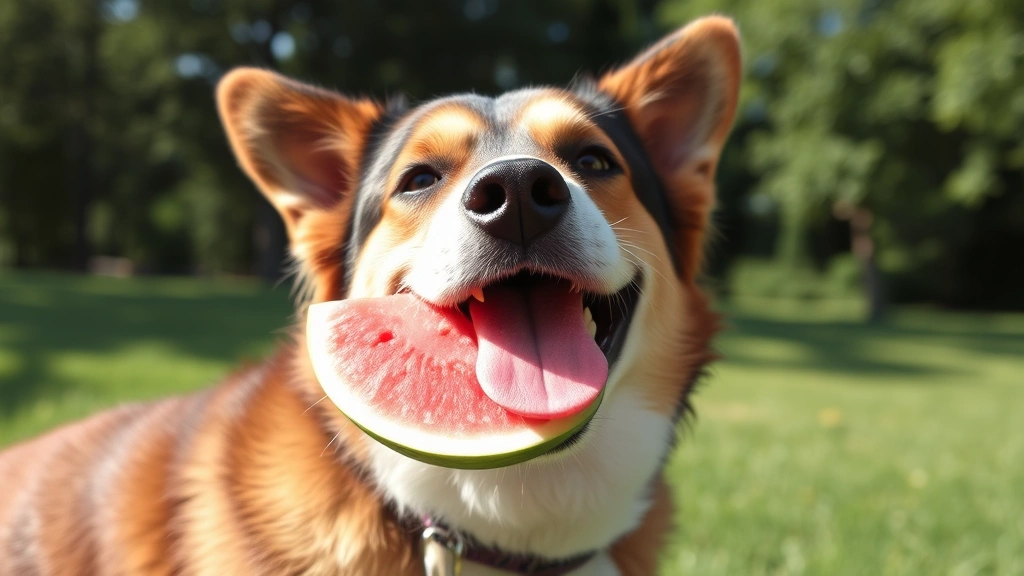
Watermelon and Cucumber
These hydrating foods are safe for dogs and provide moisture along with nutrients. They’re especially refreshing on hot days. Simply remove seeds and serve in appropriate portions. Similar to how carrots are good for dogs, these vegetables offer hydration with health benefits.
Homemade Frozen Treats
Create ice cubes from plain water or diluted bone broth. These frozen treats provide hydration and mental stimulation. Your dog will enjoy licking and chewing them, especially during warm weather.
Dog-Specific Beverages
Some companies produce beverages specifically formulated for dogs. These typically contain appropriate electrolytes and no harmful additives. Always check ingredients and consult your veterinarian before introducing new products.
If you’re interested in understanding what other human foods and beverages are appropriate for dogs, explore resources about whether dogs can eat broccoli, corn safety for dogs, and cheese consumption for canines. These guides provide comprehensive information about canine nutrition.
FAQ
Can dogs drink sparkling water with no additives?
Plain sparkling water with absolutely no additives is technically safe in very small amounts, but it’s not recommended as a regular beverage. The carbonation can cause digestive discomfort. Stick with regular water for daily hydration.
What should I do if my dog drinks soda?
If your dog consumed a small amount of regular soda, monitor them for signs of distress. If they drank diet soda containing xylitol, contact your veterinarian or ASPCA Animal Poison Control immediately. Xylitol toxicity requires urgent medical attention.
Are there any health benefits to carbonated water for dogs?
No. Plain water provides all the hydration dogs need without the risks associated with carbonation. There are no established health benefits to offering carbonated beverages to canines.
Can puppies drink soda water?
Puppies have even more sensitive digestive systems than adult dogs. Avoid carbonated beverages entirely for puppies. Focus on providing fresh water and age-appropriate nutrition.
Which dog breeds should avoid carbonation most?
Large and deep-chested breeds like German Shepherds, Great Danes, Boxers, and Saint Bernards are predisposed to bloat and should absolutely never consume carbonated beverages. However, all dogs benefit from avoiding these drinks.
Is carbonated water better or worse than regular soda?
Carbonated water is significantly safer than soda, but it’s still not ideal for regular consumption. Regular soda is genuinely dangerous due to sugar, caffeine, or artificial sweeteners. Plain water remains the best choice for your dog’s health.
Your dog’s health and safety should always be your top priority when deciding what to share with them. While a tiny taste of plain soda water won’t harm most dogs, there’s simply no good reason to offer it. The potential for digestive upset, dental concerns, and behavioral reinforcement of poor habits outweigh any momentary enjoyment your dog might experience. Stick with fresh water, and your pup will be healthier and happier for it. When in doubt about any beverage or food, consult your veterinarian—they know your dog’s specific health needs best. Additionally, the Merck Veterinary Manual provides evidence-based information about canine nutrition and safety that can guide your decision-making.





