
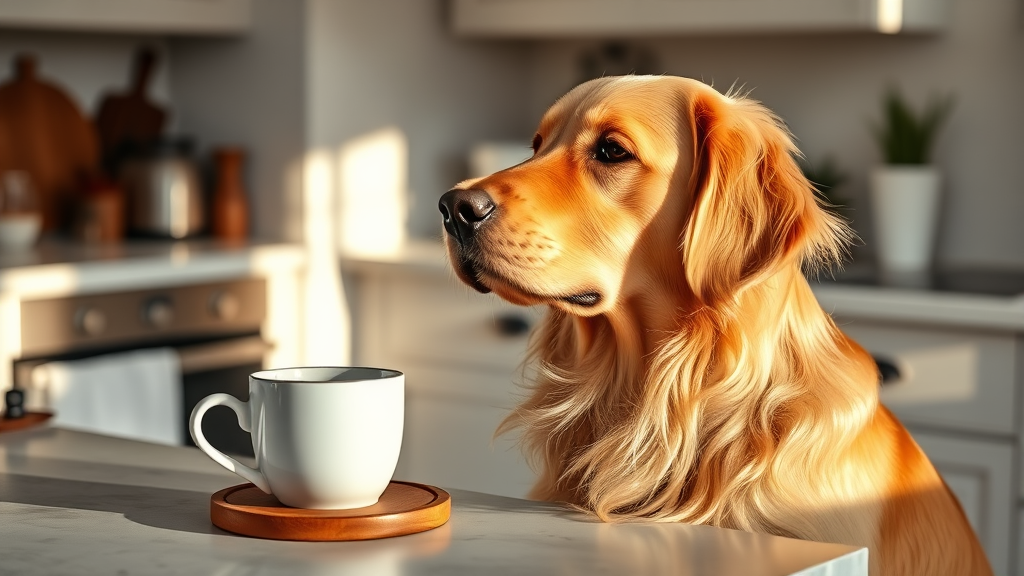
As a dog owner, you’ve probably experienced that moment when your furry companion gives you those irresistible puppy eyes while you’re enjoying your morning cup of coffee. It’s natural to wonder if sharing a small taste would be harmless, but the answer is a definitive no. Coffee contains substances that can be extremely dangerous for dogs, and understanding why is crucial for keeping your pet safe and healthy.
While coffee might be the fuel that gets us through our busy days, it can be a serious health hazard for our canine companions. The same compounds that give us energy and alertness can cause severe toxicity in dogs, leading to potentially life-threatening symptoms. This comprehensive guide will explore exactly why coffee poses such a significant risk to dogs and what you need to know to protect your pet.
Understanding Caffeine Toxicity in Dogs
The primary reason dogs can’t have coffee lies in their inability to metabolize caffeine effectively. Unlike humans, dogs process caffeine much more slowly, which means the substance stays in their system longer and at higher concentrations. According to the ASPCA Animal Poison Control Center, caffeine belongs to a group of compounds called methylxanthines, which also includes theobromine found in chocolate.
When dogs consume caffeine, their bodies cannot break it down efficiently through their liver enzymes. This leads to a buildup of the stimulant in their bloodstream, affecting multiple organ systems simultaneously. The cardiovascular and nervous systems are particularly vulnerable to caffeine’s effects, which can result in dangerous changes to heart rate, blood pressure, and neurological function.
The molecular structure of caffeine allows it to cross the blood-brain barrier easily in dogs, leading to central nervous system stimulation that can be overwhelming for their smaller bodies. This is why even small amounts of coffee can cause significant reactions in dogs, regardless of their size, though smaller dogs are at higher risk due to their lower body weight.
Recognizing the Signs of Coffee Poisoning
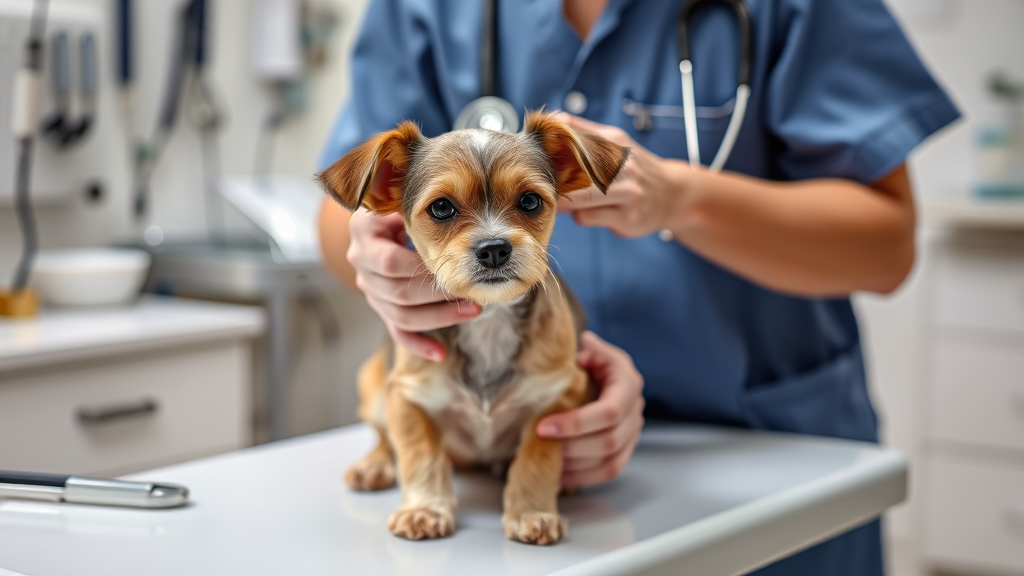
Coffee poisoning in dogs can manifest through various symptoms that typically appear within 30 minutes to 2 hours after consumption. Early recognition of these signs is crucial for prompt treatment and the best possible outcome. The American Veterinary Medical Association emphasizes that quick identification and response can be life-saving.
The most common initial symptoms include restlessness, hyperactivity, and excessive panting. Dogs may appear unusually anxious or agitated, pacing around the house or unable to settle down. As the caffeine continues to affect their system, more severe symptoms can develop, including vomiting, diarrhea, and increased urination.
Cardiovascular symptoms are particularly concerning and may include rapid or irregular heartbeat, elevated blood pressure, and abnormal heart rhythms. Neurological signs can progress from mild tremors to severe muscle rigidity, seizures, and in extreme cases, coma. The severity of symptoms generally correlates with the amount of caffeine consumed and the dog’s body weight.
Advanced stages of caffeine toxicity may present with hyperthermia (elevated body temperature), collapse, and potentially fatal cardiac arrhythmias. It’s important to note that symptoms can worsen over time as the caffeine continues to circulate in the dog’s system, making immediate veterinary intervention essential.
How Much Coffee is Dangerous for Dogs?
The toxic dose of caffeine for dogs is much lower than what might affect humans. According to veterinary toxicology experts, mild symptoms can occur with doses as low as 20 mg of caffeine per kilogram of body weight, while severe toxicity typically occurs at doses of 40-50 mg/kg or higher. To put this in perspective, a typical 8-ounce cup of brewed coffee contains approximately 80-100 mg of caffeine.
This means that even a small dog weighing 10 pounds (4.5 kg) could experience mild toxicity from consuming less than half a cup of coffee. For smaller breeds like Chihuahuas or Yorkshire Terriers, even a few sips could be dangerous. Larger dogs have a higher threshold, but they’re not immune to caffeine’s effects, especially if they consume multiple cups worth of coffee or coffee grounds.
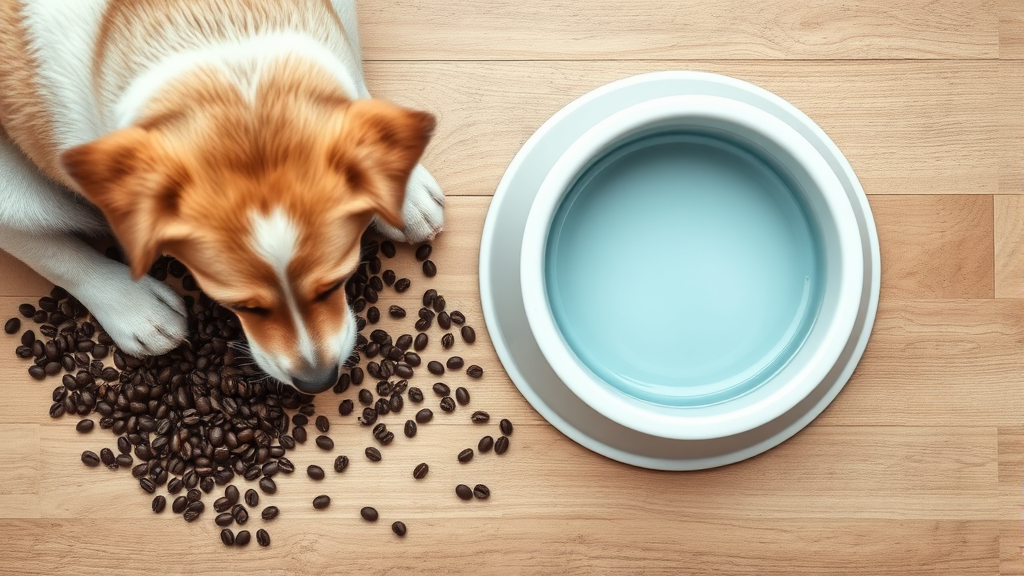
Coffee grounds pose an additional risk because they contain concentrated caffeine and can cause intestinal blockages. Espresso and other concentrated coffee products are particularly dangerous due to their higher caffeine content. The Pet Poison Helpline notes that used coffee grounds still retain significant amounts of caffeine and remain toxic to dogs.
What to Do if Your Dog Drinks Coffee
If you suspect your dog has consumed coffee, immediate action is crucial. The first step is to remain calm and assess the situation quickly. Determine how much coffee your dog may have consumed and when the ingestion occurred. This information will be vital for veterinary professionals to provide appropriate treatment recommendations.
Contact your veterinarian or pet poison control hotline immediately, even if your dog isn’t showing symptoms yet. The ASPCA Animal Poison Control Center operates 24/7 and can provide specific guidance based on your dog’s size, the amount consumed, and the time of ingestion. They may recommend inducing vomiting if the ingestion was recent and your dog is conscious and alert.
However, inducing vomiting should only be done under professional guidance, as there are specific circumstances where it may not be safe. Never attempt to make your dog vomit if they’re unconscious, having seizures, or showing signs of severe distress. In some cases, knowing how to make your dog throw up safely can be helpful, but professional consultation is always preferred.
While waiting for professional help or traveling to the veterinary clinic, monitor your dog closely for any changes in behavior or symptoms. Keep your dog calm and comfortable, and avoid giving them any food, water, or medications unless specifically instructed by a veterinary professional.
Treatment Options and Recovery Process
Veterinary treatment for coffee poisoning focuses on removing the caffeine from the dog’s system and managing symptoms as they arise. If the ingestion was recent, veterinarians may induce vomiting using safe, professional methods or perform gastric lavage (stomach pumping) to remove remaining coffee from the stomach.
Activated charcoal is commonly administered to bind any remaining caffeine in the digestive system and prevent further absorption. This treatment is most effective when given within a few hours of ingestion. Intravenous fluid therapy helps support kidney function and aids in flushing caffeine from the system more quickly.
For dogs experiencing severe symptoms, hospitalization may be necessary for intensive monitoring and supportive care. This might include medications to control seizures, regulate heart rhythm, or manage blood pressure. Temperature regulation is also important, as caffeine can cause dangerous elevations in body temperature.
The recovery timeline varies depending on the amount of caffeine consumed and how quickly treatment was initiated. Most dogs who receive prompt treatment recover fully within 24-48 hours. However, severe cases may require several days of intensive care, and some dogs may experience lasting effects if treatment is delayed significantly.
Prevention Strategies for Pet Owners
The best approach to protecting your dog from caffeine toxicity is prevention through careful management of coffee and other caffeinated products in your home. Store coffee beans, ground coffee, and used coffee grounds in secure containers that your dog cannot access. This is particularly important for curious dogs who might be attracted to the smell of coffee.
Be mindful of where you place your coffee cups, especially if you have a dog who likes to investigate countertops or tables. Never leave unattended coffee within reach of your pet, and be extra cautious during busy mornings when you might be distracted. Consider using travel mugs with secure lids to minimize the risk of spills or accidental consumption.
Educate all family members and house guests about the dangers of giving coffee to dogs. Sometimes well-meaning individuals might think a small taste won’t hurt, but as we’ve learned, even small amounts can be problematic. This education extends to other caffeinated products like tea, energy drinks, and chocolate, similar to understanding why dogs can’t have chocolate.
If you enjoy coffee-flavored treats or desserts, ensure these are also kept away from your dog. Many coffee-flavored products contain both caffeine and other potentially harmful ingredients. When disposing of coffee grounds, use secure garbage containers that your dog cannot access, as some dogs are attracted to digging through trash.
Safe Beverage Alternatives for Dogs
While dogs can’t safely enjoy coffee, there are plenty of safe beverage options you can offer your furry friend. Fresh, clean water should always be the primary beverage for dogs, as proper hydration is essential for their health and well-being. Some dogs enjoy ice cubes as a refreshing treat, especially during warm weather.
Bone broth made specifically for dogs can be a nutritious and appealing alternative that provides both hydration and flavor. Ensure any bone broth you offer is low in sodium and doesn’t contain onions, garlic, or other harmful ingredients. You can make homemade bone broth using dog-safe ingredients or purchase commercial versions designed for pets.
Some pet stores offer “puppuccinos” or dog-safe coffee alternatives made from ingredients like carob, which provides a coffee-like appearance without the harmful caffeine. However, even these should be given in moderation and as occasional treats rather than regular beverages.
When considering any alternative beverages, it’s important to understand what’s safe for dogs. For instance, many people wonder about dairy products, so knowing whether dogs can drink milk or if dogs can have milk is valuable information for pet owners looking for treat options.
Frequently Asked Questions
Can a small amount of coffee really hurt my dog?
Yes, even small amounts of coffee can be dangerous for dogs. Due to their slower caffeine metabolism, dogs can experience toxic effects from amounts that would be harmless to humans. A few sips might cause mild symptoms in larger dogs, but could be serious for smaller breeds. It’s always better to err on the side of caution and keep coffee completely away from dogs.
What should I do if my dog accidentally licks up spilled coffee?
If your dog has only licked up a small amount of spilled coffee, monitor them closely for any symptoms of caffeine toxicity such as restlessness, rapid breathing, or tremors. Contact your veterinarian for guidance, especially if your dog is small or shows any concerning symptoms. Even minor exposures should be taken seriously, and professional advice is always recommended.
Are decaffeinated coffee and coffee grounds safe for dogs?
Decaffeinated coffee still contains small amounts of caffeine and should not be given to dogs. Additionally, both regular and decaf coffee grounds can cause intestinal blockages if consumed in large quantities. The safest approach is to keep all coffee products, including decaf varieties and used grounds, away from your pets.
How long does it take for caffeine poisoning symptoms to appear in dogs?
Symptoms of caffeine poisoning typically begin to appear within 30 minutes to 2 hours after consumption, though this can vary based on the amount consumed and the dog’s size. Early symptoms include restlessness and hyperactivity, while more severe symptoms like tremors, seizures, or cardiac issues may develop later. If you suspect caffeine ingestion, don’t wait for symptoms to appear before seeking help.
Can coffee poisoning in dogs be fatal?
Yes, severe caffeine toxicity can be fatal in dogs if left untreated. Deaths typically result from cardiac arrhythmias, seizures, or hyperthermia. However, with prompt veterinary treatment, most dogs recover fully. The key is recognizing the emergency quickly and getting professional help immediately. The FDA’s guidance on dangerous foods emphasizes the importance of immediate intervention in poisoning cases.
Is it safe to give dogs pain medication if they’re showing signs of distress from coffee consumption?
Never give dogs human pain medications or any medication without veterinary guidance, especially during a poisoning emergency. Many human medications can be toxic to dogs and may worsen their condition. If you’re wondering what painkillers you can give your dog, the answer is only those prescribed or recommended by a veterinarian. During a caffeine poisoning emergency, focus on getting professional veterinary care rather than attempting home treatment.
What other common household items contain caffeine that I should keep away from my dog?
Besides coffee, many household items contain caffeine including tea, chocolate, energy drinks, some sodas, and certain medications. Energy drinks are particularly dangerous due to their high caffeine content. Some weight loss supplements and pain relievers also contain caffeine. If your dog has consumed chocolate, knowing what to do if your dog eats chocolate is equally important, as chocolate contains both caffeine and theobromine, making it doubly dangerous for pets.





