
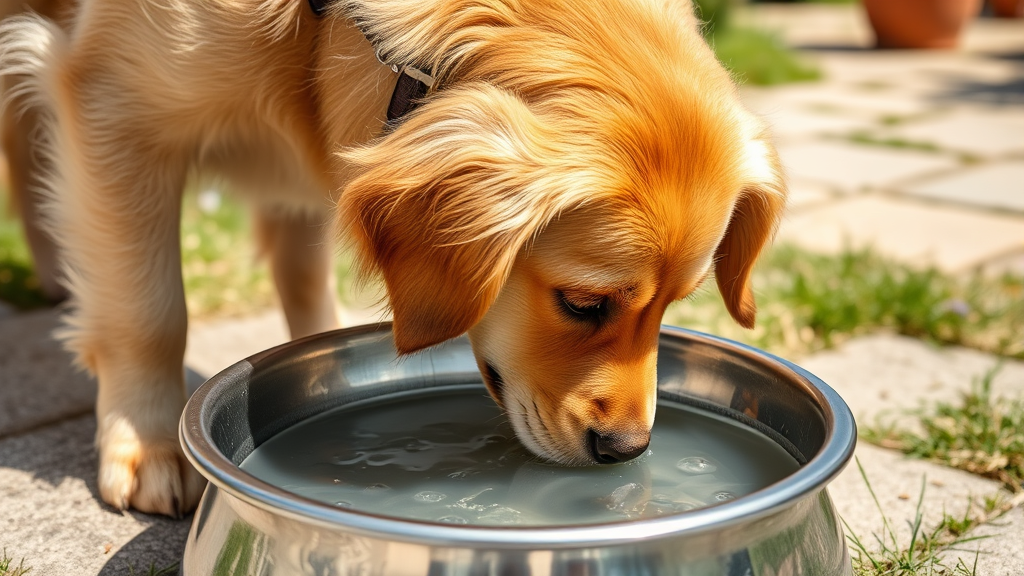
As a responsible dog owner, you’ve likely wondered about what beverages are safe for your furry companion, especially during hot summer days or after vigorous exercise. The question “can dogs drink Gatorade” frequently comes up when pet parents see their pups panting heavily and want to help them rehydrate quickly. While the colorful sports drink might seem like a logical choice for replenishing electrolytes, the reality is more complex than you might expect.
Understanding what your dog can and cannot consume is crucial for their health and wellbeing. Just as with human foods and beverages, many products designed for people can pose risks to our canine companions. Before reaching for that bottle of Gatorade to help your dehydrated dog, it’s essential to understand the ingredients, potential risks, and safer alternatives available for keeping your pet properly hydrated.
What’s Actually in Gatorade
To understand whether Gatorade is safe for dogs, we must first examine its ingredients. The popular sports drink contains water, sugar, salt, citric acid, natural flavoring, sodium citrate, monopotassium phosphate, and various artificial colors. While these ingredients serve specific purposes for human athletes, they can have different effects on our canine companions.
The primary components that concern veterinarians are the high sugar content and artificial additives. A typical 20-ounce bottle of Gatorade contains approximately 34 grams of sugar, which is significantly more than dogs should consume. The American Kennel Club emphasizes that dogs have different nutritional needs than humans, and excessive sugar can lead to various health complications.
Additionally, Gatorade contains artificial colors and flavors that serve no nutritional purpose for dogs. These additives can potentially cause digestive upset or allergic reactions in sensitive animals. The sodium content, while beneficial for human athletes, can also be problematic for dogs, especially those with heart conditions or kidney issues.

Safety Concerns for Dogs
When considering whether dogs can drink Gatorade, several safety concerns arise that pet owners must understand. The most immediate concern is the high sugar content, which can lead to gastrointestinal upset, including diarrhea and vomiting. For dogs with diabetes, even small amounts of sugary drinks can cause dangerous blood sugar spikes.
The artificial sweeteners found in some Gatorade varieties pose an even greater threat. Xylitol, commonly used in sugar-free products, is extremely toxic to dogs and can cause rapid insulin release, leading to severe hypoglycemia and potentially liver failure. While not all Gatorade products contain xylitol, it’s crucial to check labels carefully.
Long-term consumption of high-sugar beverages can contribute to obesity in dogs, which is already a significant health concern affecting over 50% of pets in the United States according to the American Veterinary Medical Association. Obesity in dogs can lead to numerous health problems, including joint issues, heart disease, and diabetes.
The artificial colors in Gatorade can also cause problems for some dogs. While most dogs can tolerate small amounts of artificial colors without immediate adverse effects, some may experience allergic reactions or digestive sensitivities. These reactions can manifest as skin irritation, itching, or gastrointestinal distress.
When Dogs Need Electrolyte Replacement
Understanding when dogs actually need electrolyte replacement is crucial for making informed decisions about their hydration needs. Unlike human athletes who lose significant amounts of electrolytes through sweat, dogs primarily cool themselves through panting and have different physiological needs.
Dogs may require electrolyte replacement in specific situations, such as prolonged vomiting or diarrhea, which can lead to significant fluid and electrolyte loss. In such cases, knowing what to feed dog with diarrhea becomes essential for proper recovery. However, these situations typically require veterinary-approved solutions rather than commercial sports drinks.
Extreme heat exposure or intense physical activity might also create a need for electrolyte replacement, but plain water is usually sufficient for most dogs. The Centers for Disease Control and Prevention notes that proper hydration is essential for all mammals, but the method of achieving it varies by species.
It’s important to recognize that dogs’ electrolyte needs are different from humans. Their kidneys are highly efficient at conserving electrolytes, and their natural diet typically provides adequate minerals for normal function. Most healthy dogs can maintain proper electrolyte balance with access to fresh water and a balanced diet.

Safe Hydration Alternatives
When your dog needs hydration support, several safe alternatives exist that are specifically designed for canine physiology. Plain, fresh water remains the gold standard for dog hydration and should always be the first choice for healthy dogs.
For dogs recovering from illness or experiencing mild dehydration, veterinary-approved electrolyte solutions designed specifically for pets are available. These products are formulated with the correct balance of electrolytes for dogs and don’t contain harmful additives or excessive sugars found in human sports drinks.
Some pet owners wonder about other liquid alternatives, such as whether can dogs drink milk or exploring options like can dogs drink coconut water. While coconut water is generally safer than Gatorade due to its natural electrolytes and lower sugar content, plain water remains the best choice for routine hydration.
Homemade electrolyte solutions can be prepared under veterinary guidance for specific situations. A simple mixture of water with a small amount of salt and sugar can provide electrolyte replacement when commercial pet products aren’t available, but this should only be done with professional supervision.
Ice cubes or frozen treats made from water or low-sodium chicken broth can provide hydration while offering cooling relief during hot weather. These alternatives are much safer than commercial sports drinks and can be more appealing to some dogs.
Recognizing Dehydration in Dogs
Recognizing the signs of dehydration in dogs is crucial for maintaining their health and determining when intervention is necessary. Understanding how long can a dog go without water can help you appreciate the urgency of proper hydration.
Early signs of dehydration include lethargy, dry gums, and reduced skin elasticity. You can test skin elasticity by gently pinching the skin on your dog’s neck or back – in well-hydrated dogs, the skin should snap back immediately. If it takes longer than two seconds, dehydration may be present.
More severe dehydration symptoms include sunken eyes, excessive panting, loss of appetite, and dark-colored urine. In extreme cases, dogs may experience weakness, collapse, or altered mental state. These severe symptoms require immediate veterinary attention.
It’s also important to monitor changes in drinking habits. If you notice why is my dog drinking so much water or conversely, drinking much less than usual, this could indicate underlying health issues that require professional evaluation.
The Humane Society recommends checking your dog’s hydration status regularly, especially during hot weather or periods of increased activity. Prevention is always better than treatment when it comes to dehydration.
When to Seek Veterinary Care
Certain situations require immediate veterinary attention rather than attempting home remedies or offering sports drinks. If your dog shows signs of severe dehydration, heat stroke, or has consumed potentially toxic substances, professional medical care is essential.
Heat stroke is a medical emergency that can occur when dogs are exposed to high temperatures for extended periods. Signs include excessive panting, drooling, vomiting, diarrhea, and collapse. In these situations, immediate cooling and professional treatment are necessary – sports drinks are not appropriate and can actually worsen the condition.
If your dog has accidentally consumed Gatorade, especially sugar-free varieties that may contain xylitol, contact your veterinarian immediately. Even if symptoms aren’t immediately apparent, toxic ingredients can cause delayed reactions that require professional monitoring and treatment.
Persistent vomiting or diarrhea lasting more than 24 hours requires veterinary evaluation, as these conditions can quickly lead to dangerous dehydration and electrolyte imbalances. In such cases, intravenous fluid therapy may be necessary to restore proper hydration levels safely and effectively.
The ASPCA Animal Poison Control Center provides 24-hour emergency consultation for pet poisoning cases and can offer guidance when dogs have consumed inappropriate substances.
Prevention and Best Practices
Preventing dehydration and maintaining proper hydration is much easier than treating problems after they occur. Establishing good hydration habits and understanding your dog’s needs can help avoid emergency situations and keep your pet healthy year-round.
Always ensure fresh, clean water is available to your dog at all times. Water bowls should be cleaned daily and refilled with fresh water. During hot weather or increased activity, check and refill water bowls more frequently to ensure adequate supply.
When traveling or spending time outdoors, bring portable water containers and offer water breaks regularly. Dogs should have access to shade and rest periods during hot weather, and exercise should be limited during peak temperature hours.
Understanding that some beverages that might seem harmless, such as questioning whether can dogs have milk or considering options like can dogs have coconut water, helps you make informed decisions about what to offer your pet.
Regular veterinary checkups can help identify potential health issues that might affect your dog’s hydration needs. Dogs with kidney disease, diabetes, or heart conditions may have special hydration requirements that your veterinarian can address.
Creating a pet-safe environment means keeping human beverages, including sports drinks, out of reach of curious dogs. Many dogs will drink anything accessible to them, regardless of whether it’s safe, so prevention through proper storage is essential.
Frequently Asked Questions
Can dogs drink Gatorade in small amounts?
While a few licks of Gatorade likely won’t cause immediate harm to most dogs, it’s not recommended even in small amounts. The high sugar content and artificial additives provide no benefit to dogs and can cause digestive upset. Plain water is always the better choice for canine hydration.
What should I do if my dog accidentally drank Gatorade?
If your dog consumed a small amount of regular Gatorade, monitor them for signs of digestive upset like vomiting or diarrhea. Ensure they have access to fresh water. However, if they consumed sugar-free Gatorade or a large quantity, contact your veterinarian immediately, as these situations can be more serious.
Are there any sports drinks that are safe for dogs?
Commercial sports drinks designed for humans are generally not safe for dogs. Instead, look for veterinary-approved electrolyte solutions specifically formulated for pets. These products are designed with canine physiology in mind and don’t contain harmful additives found in human beverages.
How can I tell if my dog is dehydrated?
Signs of dehydration include dry or sticky gums, reduced skin elasticity (skin takes longer than 2 seconds to return to normal after being pinched), lethargy, sunken eyes, and decreased urination. Severe dehydration may cause weakness, vomiting, or collapse and requires immediate veterinary attention.
What’s the best way to keep my dog hydrated during exercise?
Provide frequent water breaks during exercise, especially in warm weather. Bring portable water containers and a collapsible bowl for easy access. Allow your dog to rest in shade between activities and avoid intense exercise during the hottest parts of the day. Plain water is sufficient for most exercise sessions.
Can puppies drink Gatorade if they’re dehydrated?
No, puppies should never be given Gatorade. Their developing digestive systems are even more sensitive to sugar and artificial additives than adult dogs. If a puppy appears dehydrated, contact your veterinarian immediately for appropriate treatment recommendations.
When should I give my dog electrolytes instead of plain water?
Electrolyte replacement should only be considered when recommended by a veterinarian, typically after significant fluid loss from illness, vomiting, or diarrhea. For routine hydration needs, including after exercise or during hot weather, plain fresh water is sufficient and safest for healthy dogs.





