

Can Dogs Drink Pepto Bismol? Vet Advice on Safety and Alternatives
If your furry friend has been dealing with digestive issues, you might have wondered whether reaching for that bottle of Pepto Bismol in your medicine cabinet could help. After all, it works for us humans when our stomachs are upset, so shouldn’t it work for dogs too? The answer isn’t quite that simple, and understanding the risks and alternatives is essential for keeping your pup safe and healthy.
As pet owners, we want nothing more than to ease our dogs’ discomfort when they’re experiencing stomach troubles. Whether it’s diarrhea, vomiting, or general nausea, watching your beloved companion suffer is heartbreaking. However, before you consider giving your dog any over-the-counter medication, it’s crucial to understand what veterinarians recommend and why certain human medications can be problematic for our canine companions.
In this comprehensive guide, we’ll explore everything you need to know about Pepto Bismol and dogs, including what the active ingredients are, potential risks, safer alternatives, and when you should contact your veterinarian. Let’s dive into the facts so you can make informed decisions about your dog’s health.
What Is Pepto Bismol and How Does It Work?
Pepto Bismol is an over-the-counter antacid and anti-diarrheal medication that has been a staple in medicine cabinets for generations. The pink liquid has become synonymous with digestive relief for millions of people worldwide. It’s designed to soothe upset stomachs, reduce inflammation in the digestive tract, and help control diarrhea through its unique formulation of active ingredients.
The medication works by coating the stomach lining and reducing inflammation, which can provide relief from various gastrointestinal discomforts. For humans, it’s generally safe and effective when used as directed. However, the canine digestive system is quite different from ours, which is why what works for humans doesn’t always work for dogs.
Many pet owners assume that because a medication is safe for humans and available without a prescription, it must be safe for their pets as well. This is a common misconception that can lead to unintended harm. Dogs metabolize medications differently than humans do, and their bodies may react unpredictably to substances that are considered harmless for us.
Understanding the Active Ingredients
The primary active ingredient in Pepto Bismol is bismuth subsalicylate. This compound is what gives the medication its distinctive pink color and provides the therapeutic effects. When you’re considering whether dogs can have Pepto Bismol, it’s important to understand exactly what this ingredient does and how it might affect your pet.
Bismuth subsalicylate works in several ways: it reduces inflammation in the stomach lining, acts as an antimicrobial agent against certain bacteria, and helps decrease fluid secretion in the intestines. While these properties are beneficial for humans, they can pose specific challenges for dogs. The salicylate component of the compound is particularly concerning because it’s related to aspirin, and aspirin can be problematic for dogs in certain situations.
Beyond the bismuth subsalicylate, Pepto Bismol also contains other inactive ingredients such as salicylic acid, magnesium aluminum silicate, and various flavorings. Some formulations may include additional compounds that could interact with your dog’s medications or exacerbate existing health conditions. This complexity makes it even more important to consult with your veterinarian before administering any Pepto Bismol to your dog.
Safety Concerns for Dogs
When considering whether you can give a dog Pepto Bismol, several safety concerns come into play. The salicylate content is the primary worry for veterinarians. Dogs that are sensitive to salicylates or aspirin-like compounds may experience adverse reactions ranging from mild to severe. Additionally, certain dog breeds and individual dogs with specific health conditions are at higher risk for complications.
Dogs with bleeding disorders, ulcers, or those taking blood thinners should definitely avoid Pepto Bismol. The medication can increase bleeding risk in these animals. Similarly, dogs with kidney disease or those prone to dehydration need careful monitoring, as bismuth subsalicylate can affect fluid balance and kidney function.
Another significant concern is the potential for bismuth accumulation in the body. While occasional use might not cause immediate problems, repeated dosing of Pepto Bismol could lead to bismuth toxicity over time. This is particularly concerning if you’re giving your dog the medication without veterinary supervision and without proper dosing guidelines.
Age also plays a role in safety considerations. Puppies and senior dogs may have more sensitive digestive systems and could be more susceptible to adverse effects. Additionally, pregnant or nursing dogs should avoid Pepto Bismol entirely, as the medication could potentially affect developing puppies or transfer through breast milk.
Potential Risks and Side Effects
If you’re wondering if you can give your dog Pepto Bismol, you should be aware of the potential side effects and risks. These can range from minor gastrointestinal upset to more serious complications. Understanding these risks will help you make an informed decision about your pet’s care.
Common side effects may include:
- Darkened stools: This is actually an expected side effect due to the bismuth content, but it can be alarming if you’re not aware of it
- Constipation: Pepto Bismol can have a binding effect, which might worsen or create constipation issues in your dog
- Nausea and vomiting: Some dogs may experience increased nausea rather than relief
- Loss of appetite: Your dog might refuse food after taking the medication
- Lethargy: Some dogs become unusually tired or inactive
More serious risks include allergic reactions, which could manifest as hives, facial swelling, or difficulty breathing. Salicylate sensitivity can cause more severe symptoms including excessive drooling, vomiting, or neurological signs. In rare cases, bismuth toxicity can develop, leading to tremors, confusion, or seizures.
There’s also the risk of drug interactions if your dog is currently taking other medications. Pepto Bismol can interfere with the absorption of certain drugs or enhance the effects of others, potentially leading to overdose situations or reduced efficacy of necessary medications.

Safer Alternatives for Dog Digestive Issues
Fortunately, there are several safer alternatives to Pepto Bismol that can help address your dog’s digestive issues. When your pup is experiencing stomach troubles, you don’t have to resort to human medications. Veterinarians have identified and recommended several options that are specifically formulated for canine digestive health.
Veterinary-Approved Medications: Your veterinarian can prescribe medications specifically designed for dogs, such as famotidine (an H2 blocker) or omeprazole (a proton pump inhibitor). These medications address acid reflux and stomach upset without the risks associated with Pepto Bismol. They’re formulated at appropriate dosages for dogs and have been extensively tested for canine safety.
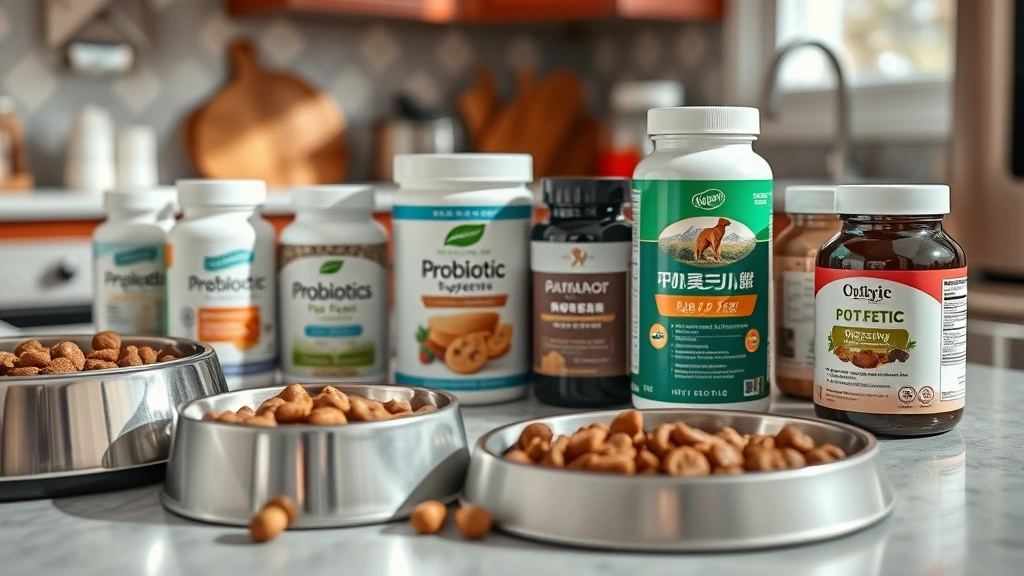
Probiotics and Prebiotics: These beneficial bacteria and their food sources can help restore healthy gut flora. Products specifically formulated for dogs, such as FortiFlora or other veterinary-approved probiotic supplements, can be highly effective for digestive issues. They work by promoting the growth of beneficial bacteria that aid in digestion and immune function.
Digestive Enzymes: Pancreatic enzyme supplements can help dogs with digestive difficulties, particularly those with pancreatitis or exocrine pancreatic insufficiency. These enzymes assist in breaking down food, making it easier for your dog’s system to process meals.
Bland Diet: Sometimes the simplest solution is the best one. A temporary diet of boiled chicken and white rice can give your dog’s digestive system a break while it recovers. This approach is often recommended by veterinarians for mild digestive upset.
When your dog has diarrhea, dietary adjustments combined with proper hydration are often the first line of treatment. Similarly, if your dog is experiencing constipation, increasing fiber intake and water consumption can help significantly.
For general upset stomach relief, many veterinarians recommend starting with dietary modifications and monitoring before moving to medications. This conservative approach often resolves minor digestive issues without exposing your dog to unnecessary medication risks.
Natural Remedies: Some natural options like pumpkin puree (plain, not pie filling) can help with both diarrhea and constipation by regulating bowel movements. Bone broth can be soothing to the digestive tract, and slippery elm bark is a traditional remedy that some veterinarians support for digestive health.
When to Call Your Veterinarian
Knowing when to seek professional help is crucial for your dog’s well-being. While some digestive upset is normal and can often be managed at home, certain situations require immediate veterinary attention. Understanding these red flags will help you provide the best care for your furry friend.
You should contact your veterinarian if your dog experiences:
- Persistent vomiting or diarrhea: If these symptoms last more than 24 hours, professional evaluation is necessary
- Blood in stool or vomit: This always warrants immediate veterinary attention
- Severe abdominal pain: Whimpering, hunched posture, or reluctance to move indicates a serious problem
- Signs of dehydration: Dry gums, lethargy, or loss of skin elasticity require immediate care
- Inability to eat or drink: This can quickly lead to serious complications
- Fever: An elevated temperature combined with digestive issues suggests an infection
- Recent ingestion of toxins: If your dog has eaten something potentially harmful, call your vet immediately
- Multiple dogs affected: If several pets in your home are sick, this could indicate a contagious condition
Additionally, if your dog has any pre-existing health conditions such as kidney disease, diabetes, or gastrointestinal disorders, you should always consult your veterinarian before giving any over-the-counter medication, including Pepto Bismol. Your vet needs to consider your individual dog’s medical history when making treatment recommendations.
Prevention Tips for Digestive Health
The best approach to managing digestive issues is prevention. By taking proactive steps to maintain your dog’s digestive health, you can reduce the likelihood of stomach troubles and avoid situations where you’re searching for emergency remedies like Pepto Bismol.
Quality Nutrition: Feed your dog a high-quality, balanced diet appropriate for their age, size, and health status. Look for foods with named meat sources and avoid those with excessive fillers or artificial additives. Consistent, quality nutrition is the foundation of good digestive health.
Gradual Diet Changes: When switching your dog’s food, do it gradually over 7-10 days. Abrupt diet changes are a common cause of digestive upset. Mix increasing amounts of the new food with the old food until the transition is complete.
Portion Control: Overfeeding is a common cause of digestive issues. Follow feeding guidelines based on your dog’s weight and activity level, and avoid free-feeding if possible.
Limited Table Scraps: Human food can be hard on a dog’s digestive system. Stick to dog-safe treats and avoid giving your pup leftovers from your meals.
Regular Exercise: Physical activity promotes healthy digestion and helps maintain a healthy weight, which reduces digestive stress.
Fresh Water: Ensure your dog always has access to clean, fresh water. Proper hydration is essential for digestive function.
Regular Veterinary Check-ups: Preventive care allows your veterinarian to catch potential issues early before they become serious problems.
Stress Reduction: Anxiety and stress can trigger digestive issues in dogs. Provide a calm environment and appropriate mental stimulation to keep your dog emotionally balanced.
Frequently Asked Questions
Is Pepto Bismol toxic to dogs?
Pepto Bismol isn’t necessarily toxic to dogs in small, one-time doses, but it carries significant risks due to its salicylate content and bismuth accumulation potential. The medication is not formulated for canine metabolism, and veterinarians generally advise against its use. If your dog has accidentally ingested Pepto Bismol, contact your veterinarian or ASPCA Animal Poison Control for guidance.
Can I give my dog Pepto Bismol for diarrhea?
While Pepto Bismol does have anti-diarrheal properties in humans, it’s not recommended for dogs. There are safer alternatives specifically formulated for canine use. Your veterinarian can recommend appropriate treatments based on your dog’s specific situation, which might include probiotics, dietary changes, or prescription medications designed for dogs.
What’s a safe dose of Pepto Bismol for dogs?
This is a tricky question because veterinarians generally don’t recommend Pepto Bismol for dogs at any dose. Even if someone suggests a dosage, the risks outweigh the potential benefits. Always consult with your veterinarian before giving any medication to your dog, as they can recommend safer alternatives specifically formulated for canine use.
Are there dog-specific antacids I can use?
Yes, absolutely. Your veterinarian can prescribe medications like famotidine or omeprazole, which are safe and effective for dogs. Additionally, many over-the-counter supplements designed specifically for dogs, such as probiotics and digestive enzymes, can support digestive health without the risks associated with human medications.
What should I do if my dog ate Pepto Bismol?
If your dog has ingested Pepto Bismol, don’t panic. For a small accidental dose, most dogs will be fine. However, contact your veterinarian or Pet Poison Helpline for professional guidance. Provide information about your dog’s weight and the amount consumed. Watch for any unusual symptoms and report them to your vet immediately.
How long does it take for a dog to recover from digestive upset?
Recovery time depends on the cause of the digestive upset. Mild cases caused by dietary indiscretion often resolve within 24-48 hours with appropriate care, including dietary rest and hydration. More serious conditions may take longer and require veterinary treatment. If symptoms persist beyond 24 hours or worsen, seek professional help.
Can puppies have Pepto Bismol?
Puppies should never be given Pepto Bismol. Their digestive systems are still developing, and they’re more sensitive to medications. Additionally, puppies have different nutritional and hydration needs, making them particularly vulnerable to complications from inappropriate medications. Always consult your veterinarian about puppy health concerns.
What’s the difference between Pepto Bismol and dog-formulated alternatives?
The main differences are that dog-formulated products are created with canine metabolism in mind, use appropriate dosages for dogs, and have been tested for safety in dogs. They don’t contain salicylates or other compounds that can be problematic for dogs. Additionally, veterinary products are backed by research specific to canine use, whereas Pepto Bismol is formulated for human physiology.





