

Can Dogs Eat Almond Milk?
As a dog owner, you want to provide your furry companion with the best nutrition possible. With the rise of plant-based alternatives in human diets, many pet parents wonder whether almond milk is a safe option for their dogs. This question becomes especially relevant when you consider that can dogs have milk is a common concern among veterinarians and pet nutritionists worldwide. Understanding the safety and nutritional implications of almond milk for canines requires careful examination of ingredients, potential risks, and healthier alternatives.
Almond milk has become increasingly popular as a dairy alternative for humans due to its lower calorie content and suitability for those with lactose intolerance. However, what works well for humans doesn’t always translate to being safe for dogs. Your dog’s digestive system and nutritional needs differ significantly from yours, making it essential to evaluate whether almond milk fits into their dietary requirements. This comprehensive guide will help you make informed decisions about what beverages and supplements are appropriate for your beloved pet.
The good news is that plain, unsweetened almond milk in small quantities is generally considered safe for most dogs. However, flavored varieties, those containing added sugars, or almond milk with xylitol can pose serious health risks. Before offering any new food or beverage to your dog, understanding the complete picture of potential benefits and dangers is crucial for their long-term health and wellness.
Table of Contents
- Understanding Almond Milk Basics
- Safety Concerns for Dogs
- Nutritional Content Analysis
- Digestive Impact on Canines
- Safer Beverage Alternatives
- Proper Serving Guidelines
- Frequently Asked Questions
Understanding Almond Milk Basics
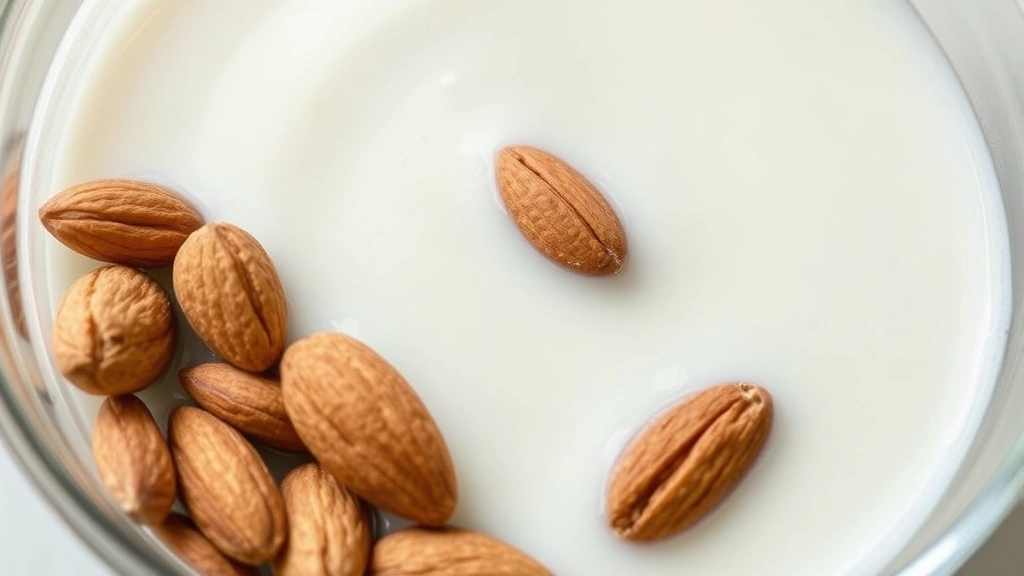
Almond milk is a plant-based beverage created by blending almonds with water and then straining the mixture to remove solids. The resulting liquid contains minimal nutritional content from almonds themselves, as most of the nutrient density remains in the pulp that’s filtered out. Commercially produced almond milk typically contains water, almonds, and various additives including thickeners, emulsifiers, and sometimes sweeteners or flavorings.
The manufacturing process significantly impacts what ends up in the final product. Most store-bought almond milk contains less than 2% actual almonds, with the remaining composition consisting of water and processing agents. Many brands also fortify their almond milk with vitamins and minerals like calcium and vitamin D to make it more nutritionally comparable to dairy milk. Understanding these details is particularly important when considering whether this beverage is appropriate for your dog’s diet.
Homemade almond milk, made by blending raw or roasted almonds with water, differs substantially from commercial varieties. It typically contains a higher percentage of actual almonds and fewer additives, making it potentially safer for dogs in very small quantities. However, even homemade versions should only be offered occasionally and in minimal amounts due to the fat content in almonds.
Safety Concerns for Dogs
While plain, unsweetened almond milk is generally safe for dogs in small quantities, several safety concerns warrant serious consideration. The most critical danger involves xylitol, a sugar alcohol used as a sweetener in many commercial almond milk brands. Xylitol is extremely toxic to dogs, even in small amounts, and can cause rapid insulin release leading to severe hypoglycemia, liver failure, and death. Always check product labels carefully before offering any almond milk to your dog, as can dogs drink coconut water and similar beverages often contain this dangerous sweetener.
Added sugars present another significant concern. Regular consumption of sugary beverages contributes to obesity, dental problems, and diabetes in dogs. Many flavored almond milk varieties contain substantial amounts of added sugars, making them inappropriate for canine consumption. Vanilla, chocolate, and other flavored options should be avoided entirely, as some may contain additional toxic ingredients like chocolate or xylitol.
The high fat content in almonds can also cause digestive upset in dogs, particularly those with sensitive stomachs or a history of pancreatitis. Even small amounts of almond milk might trigger vomiting, diarrhea, or more serious gastrointestinal issues in susceptible individuals. Additionally, almonds themselves are considered choking hazards and should never be given to dogs whole.
Some dogs may experience allergic reactions to almonds or other ingredients in commercial almond milk. Signs of allergic reactions include itching, skin irritation, vomiting, or diarrhea. If your dog shows any adverse symptoms after consuming almond milk, discontinue use immediately and contact your veterinarian.
Nutritional Content Analysis
From a nutritional standpoint, almond milk offers very little benefit to dogs. A typical serving of unsweetened commercial almond milk contains approximately 30-40 calories per cup, with minimal protein and fat content. Dogs require complete and balanced nutrition specifically formulated for their species, which almond milk simply cannot provide. Can dogs have coconut water represents a similar category of beverages that lack essential canine nutrients.
The primary macronutrient composition of almond milk is water, making it nutritionally insufficient as a dietary supplement or meal replacement. While some brands fortify their products with calcium and vitamin D, dogs already receive these nutrients in adequate amounts through properly formulated commercial dog foods or balanced homemade diets. The addition of these vitamins to almond milk doesn’t make it a nutritious choice for dogs, as the overall nutritional profile remains deficient.
Almonds themselves contain some beneficial nutrients including vitamin E, magnesium, and fiber. However, the commercial almond milk production process removes most of these nutrients, leaving behind a beverage that’s primarily water with minimal nutritional value. For dogs that need nutritional supplementation, working with your veterinarian to identify appropriate options is far more effective than offering almond milk.

Digestive Impact on Canines
Dogs have evolved as carnivores with digestive systems optimized for processing animal proteins and fats. Plant-based beverages like almond milk can challenge their digestive systems in several ways. Many adult dogs experience lactose intolerance, and while almond milk isn’t a dairy product, its high water and fat content can still cause digestive upset.
The fat content in almond milk, though modest compared to whole almonds, may trigger pancreatitis in dogs with predispositions to this condition. Pancreatitis is a serious inflammatory condition that can become life-threatening if not properly managed. Dogs with a history of digestive issues, obesity, or previous pancreatitis episodes should never consume almond milk, even in tiny quantities. Understanding how beverages affect your dog’s digestive health is as important as knowing can dogs have yogurt, another popular food item that sparks questions among pet owners.
Some dogs develop sensitivities to plant-based products, resulting in vomiting, diarrhea, gas, or abdominal discomfort. The additives commonly found in commercial almond milk, such as guar gum or carrageenan, may contribute to these digestive disturbances. Introducing any new beverage slowly and in minimal quantities allows you to observe your dog’s individual response before offering more.
Hydration in dogs is best achieved through fresh, clean water. Water supports every physiological function and requires no digestion or processing. Almond milk provides no hydration advantage over water and introduces unnecessary complications to your dog’s digestive system. Therefore, offering water remains the optimal choice for keeping your dog properly hydrated throughout the day.
Safer Beverage Alternatives
If you’re looking to provide your dog with beverages beyond plain water, several safer options exist. Bone broth, specifically prepared for dogs without added salt, garlic, or onions, offers both hydration and nutritional benefits including collagen and minerals. Many dogs enjoy the taste of bone broth, making it an excellent occasional treat during warm months when served chilled.
Plain, unsweetened coconut water in very small quantities may be offered to healthy adult dogs, though it should never replace water as the primary beverage. If you’re considering this option, consult your veterinarian first, as individual dogs respond differently. Similar to questions about can dogs have coconut water, professional guidance helps ensure safety.
Low-sodium vegetable broth can serve as an occasional treat, providing hydration with minimal calories. However, ensure the broth contains no onions, garlic, or excessive sodium, as these ingredients are harmful to dogs. Homemade broths prepared specifically for dogs offer better control over ingredients than commercial varieties.
For dogs needing additional hydration or experiencing health issues, consult your veterinarian about specialized rehydration solutions formulated for canines. These products are designed to replace electrolytes and support recovery from illness or dehydration far more effectively than any plant-based milk alternative.
Proper Serving Guidelines
Should you decide to offer plain, unsweetened almond milk to your dog after consulting with your veterinarian, strict guidelines must be followed. The maximum recommended amount is one to two tablespoons per day for medium-sized dogs, with smaller amounts for smaller breeds. Large breed dogs might tolerate slightly larger quantities, but almond milk should never constitute more than 10% of your dog’s daily caloric intake.
Always choose unsweetened, unflavored varieties with minimal additives. Read product labels carefully, checking for xylitol, artificial sweeteners, added sugars, and other potentially harmful ingredients. If you’re uncertain about any ingredient, contact the manufacturer or ask your veterinarian before offering the product to your dog.
Introduce almond milk gradually if you choose to offer it at all. Start with just a few drops mixed into your dog’s regular food, then observe your dog for 24-48 hours for any signs of digestive upset, allergic reactions, or other adverse effects. If your dog tolerates this minimal amount well, you might gradually increase to one tablespoon, but never exceed two tablespoons per day.
Monitor your dog’s overall health and weight when offering any supplemental beverages. If your dog begins gaining weight or experiencing digestive issues, discontinue almond milk immediately. Remember that almond milk provides no essential nutrients your dog cannot obtain from a properly balanced diet, making it purely optional.
Puppies, senior dogs, dogs with existing health conditions, and those prone to digestive issues should generally avoid almond milk entirely. The developing digestive systems of puppies and the compromised systems of senior or ill dogs require careful dietary management that excludes unnecessary additions like plant-based milk alternatives.
Frequently Asked Questions
Is almond milk toxic to dogs?
Plain, unsweetened almond milk in small quantities is not toxic to most healthy adult dogs. However, almond milk containing xylitol is extremely toxic and can cause severe illness or death. Many flavored varieties and some unsweetened products contain xylitol, making label reading absolutely essential. If your dog accidentally ingests almond milk containing xylitol, contact your veterinarian or poison control immediately.
What happens if my dog drinks almond milk?
Most dogs that consume small amounts of plain almond milk experience no ill effects. However, some may develop digestive upset including vomiting, diarrhea, or abdominal discomfort. Dogs with sensitive stomachs or pancreatitis predispositions may experience more serious complications. Monitoring your dog for 24 hours after consumption helps identify any adverse reactions.
Can puppies have almond milk?
Puppies should not consume almond milk. Their developing digestive systems require carefully controlled nutrition from specialized puppy food formulas. Introducing unnecessary beverages or food items complicates their nutritional balance and may cause digestive upset during critical growth periods. Additionally, if you’re considering medications or supplements for puppies, understanding what’s safe is crucial—for instance, knowing can dogs have benadryl requires professional veterinary guidance.
Is almond milk better than regular milk for dogs?
Neither almond milk nor regular dairy milk is necessary for dogs. Most adult dogs are lactose intolerant, making dairy milk unsuitable. Almond milk offers no nutritional advantage over dairy milk and introduces plant-based ingredients that dogs don’t require. Fresh water remains the best beverage choice for canine hydration and health. If you’re evaluating various dairy products for your dog, researching options like can dogs have yogurt may be helpful, though plain water should always be the primary beverage.
How much almond milk can a dog safely drink?
Healthy adult dogs can safely consume one to two tablespoons of plain, unsweetened almond milk per day, though this is entirely optional. Smaller breeds should receive proportionally less, typically one tablespoon or less. Almond milk should never comprise more than 10% of your dog’s daily caloric intake and should only be offered occasionally as a treat, not regularly.
What are the signs of almond milk toxicity in dogs?
If your dog consumed almond milk containing xylitol, watch for signs of poisoning including vomiting, loss of appetite, lethargy, abdominal pain, or tremors. More severe symptoms like seizures or loss of consciousness indicate a medical emergency. If regular almond milk causes digestive upset, you may observe vomiting, diarrhea, gas, or decreased appetite. Any concerning symptoms warrant immediate veterinary attention. For other substance concerns, understanding can dogs have pepto bismol and similar products helps you make informed decisions about treatment options.
Should I give my dog almond milk for health reasons?
There is no health reason to give your dog almond milk. Dogs receive complete and balanced nutrition from properly formulated commercial dog foods or carefully planned homemade diets. Almond milk offers no unique benefits, nutrients, or medicinal properties that benefit canine health. If your dog has specific health concerns, consult your veterinarian about appropriate dietary modifications or supplements rather than experimenting with almond milk.
Conclusion: While plain, unsweetened almond milk in tiny quantities is unlikely to harm most healthy adult dogs, it offers no nutritional benefit and introduces unnecessary risks. The primary concerns—xylitol toxicity, added sugars, digestive upset, and potential pancreatitis triggers—make almond milk an unwise choice for canine consumption. Your dog’s hydration and nutritional needs are best met through fresh water and a balanced diet formulated specifically for their species. If you have questions about your individual dog’s dietary needs or whether any specific food or beverage is appropriate, consulting with your veterinarian remains the best course of action. For authoritative information on this topic, resources like the AKC’s expert advice on almond milk and PetMD’s nutritional guidance provide evidence-based recommendations. Additionally, the AVMA’s feeding guidelines and Humane Society resources offer comprehensive information about canine nutrition and food safety.





