

Can Dogs Eat American Cheese? Safety Tips and Guidelines
If you’ve ever enjoyed a slice of American cheese and wondered whether your furry best friend could have a taste, you’re not alone. Many dog owners find themselves asking this question, especially when their pup gives them those irresistible puppy-dog eyes from across the kitchen table. The good news is that American cheese isn’t toxic to dogs, but there are important considerations you need to understand before sharing this dairy treat with your canine companion.
American cheese is a processed dairy product that’s quite different from natural cheeses. Its unique composition, including emulsifiers, preservatives, and additives, makes it worth examining more closely. While a small piece occasionally won’t harm most healthy dogs, understanding the potential risks and benefits will help you make informed decisions about your pet’s diet.
In this comprehensive guide, we’ll explore everything you need to know about feeding American cheese to your dog, including nutritional information, potential health concerns, safe serving practices, and healthier alternatives. Whether you’re a first-time dog owner or an experienced pet parent, this information will help you keep your furry friend safe and healthy.
Is American Cheese Safe for Dogs?
The short answer is yes, American cheese is generally safe for most dogs when given in moderation. However, this doesn’t mean you should regularly incorporate it into your dog’s diet. American cheese differs significantly from other cheese varieties, making it important to understand what your dog is actually consuming.
When we talk about whether dogs can eat cheese in general, the answer is nuanced. American cheese, being a processed product, contains ingredients that natural cheeses don’t have. These additives are generally recognized as safe for human consumption by the FDA, but that doesn’t automatically mean they’re ideal for canine nutrition.
The key to safely feeding American cheese to your dog lies in understanding portion control and your individual dog’s dietary needs. Some dogs tolerate dairy products better than others, and factors like age, weight, and overall health status play crucial roles in determining whether American cheese is appropriate for your pet.
According to the American Kennel Club, treats—including cheese—should make up no more than 10% of your dog’s daily caloric intake. This guideline helps ensure that your dog maintains a balanced diet and doesn’t develop nutritional imbalances from excessive treat consumption.
Nutritional Content and Composition
Understanding what’s actually in American cheese helps explain why moderation is so important. A single slice of processed American cheese typically contains approximately 60-80 calories, 5-7 grams of fat, and 4-5 grams of protein. It also contains around 150-200 milligrams of sodium per slice.
American cheese is fundamentally different from cheddar cheese and other natural cheeses because it’s made from a blend of cheese and other dairy and non-dairy ingredients. These typically include whey, milk fat, milk solids, and various emulsifying salts like sodium citrate and sodium phosphate. Some brands also include artificial colors and preservatives.
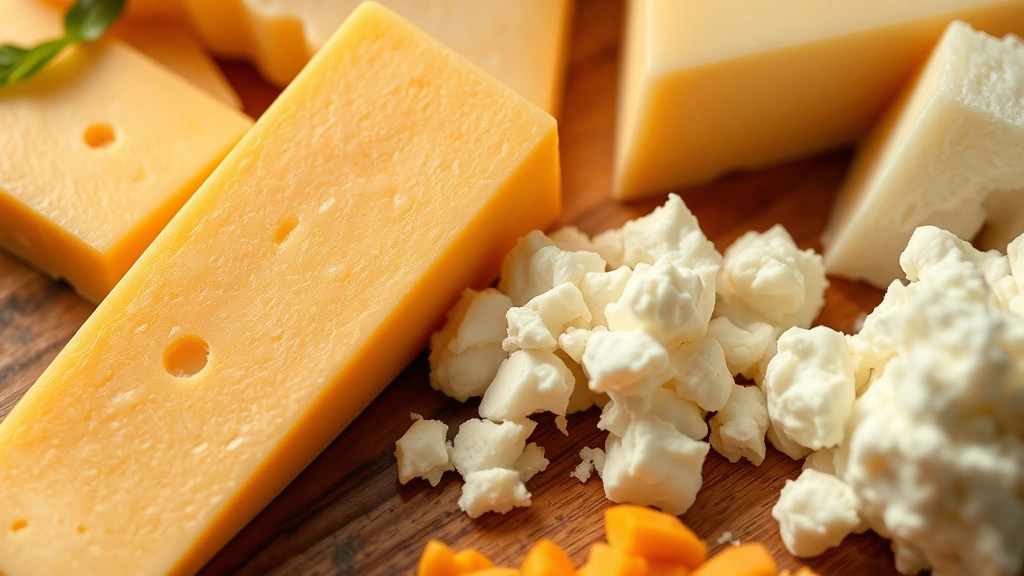
The high sodium content in American cheese is one of the primary concerns for dog owners. While occasional consumption of a small amount won’t cause problems for most dogs, regular consumption could contribute to excessive sodium intake, which can be problematic for dogs with certain health conditions, particularly heart disease or hypertension.
The fat content is another consideration, especially for dogs prone to pancreatitis or obesity. Dogs that are overweight or have a history of digestive issues should avoid high-fat foods like American cheese. The protein content, while beneficial, is not significantly higher than what your dog should already be getting from their regular diet.
Potential Risks and Health Concerns
While American cheese won’t poison your dog, there are several potential risks worth considering. The most significant concern for many dogs is digestive upset. Many adult dogs experience some degree of lactose intolerance, which can lead to symptoms like vomiting, diarrhea, gas, and bloating after consuming dairy products.
The processed nature of American cheese means it contains additives that some dogs may be sensitive to. Sodium phosphate, sodium citrate, and other emulsifying salts can cause digestive issues in sensitive dogs. Additionally, some brands contain artificial colors and preservatives that might trigger allergic reactions in susceptible individuals.
For dogs with food allergies, American cheese can be particularly problematic. Since it’s made from milk, it contains milk proteins that can trigger allergic responses. Dogs with dairy allergies should absolutely avoid American cheese and all other dairy products.
The high fat content poses a risk for certain dog breeds and individuals. Dogs with a history of pancreatitis should never consume American cheese, as high-fat foods can trigger acute pancreatitis, a serious and potentially life-threatening condition. Overweight dogs and senior dogs with slower metabolisms should also be cautious about consuming high-fat treats.
Research from ASPCA Animal Poison Control indicates that while cheese itself isn’t toxic, the additives in processed cheese products warrant careful consideration. Always monitor your dog for adverse reactions when introducing any new food.
Safe Serving Guidelines
If you’ve decided that your dog can safely have American cheese, following proper serving guidelines is essential. The most important rule is moderation. A single small piece, roughly the size of a pea, is an appropriate serving for most dogs.
For small dogs (under 20 pounds), a quarter-slice of American cheese occasionally is sufficient. Medium dogs (20-50 pounds) can have up to a half-slice occasionally, and larger dogs (over 50 pounds) might tolerate a full slice, but this should be a rare treat, not a regular occurrence.
When determining how much food to give your dog, remember that treats like American cheese should be subtracted from their daily caloric allowance. If you’re giving your dog a piece of American cheese as a treat, you should reduce their regular food portion slightly to maintain their appropriate caloric intake.
Never use American cheese as a primary training treat. While dogs love the taste, there are much healthier options available that provide better nutritional value. Plain, unsalted chicken or specially formulated dog treats are superior alternatives.
Always remove the plastic wrapper before giving American cheese to your dog. Many dogs will swallow the wrapper along with the cheese, which can cause intestinal blockages. It’s best to unwrap the cheese and cut it into appropriate portions before offering it to your pet.
Lactose Intolerance in Dogs
Lactose intolerance is more common in adult dogs than many pet owners realize. While puppies produce lactase, the enzyme needed to digest lactose, most adult dogs experience a natural decrease in lactase production as they age. This means that many dogs have difficulty digesting dairy products, including American cheese.
The symptoms of lactose intolerance in dogs include loose stools, diarrhea, vomiting, gas, and abdominal discomfort. Some dogs may experience mild symptoms, while others might have more severe reactions. If your dog has never consumed dairy products before, it’s wise to introduce American cheese in very small quantities and monitor for any digestive upset.
Interestingly, the processing of American cheese actually breaks down some of the lactose, making it slightly more digestible than fresh milk or milk products. However, this doesn’t mean lactose-intolerant dogs can consume it without problems. The lactose content is reduced but not eliminated.
If your dog has shown signs of lactose intolerance with other dairy products, it’s best to avoid American cheese altogether. The risk of digestive upset isn’t worth the minimal nutritional benefit. There are plenty of non-dairy treats that your dog will enjoy just as much.

Healthier Cheese Alternatives
If you want to share a cheese treat with your dog, there are healthier options than American cheese. Natural cheeses that are lower in sodium and processed additives are generally better choices when given in appropriate portions.
Cottage cheese is an excellent alternative to American cheese for dogs. It’s lower in lactose than many other dairy products, making it easier to digest. Plain, unsalted cottage cheese can be given in small amounts and is actually beneficial for dogs due to its protein content and probiotic properties.
Another great option is Greek yogurt for dogs. This creamy treat is high in protein, contains beneficial probiotics for digestive health, and is lower in lactose than regular yogurt. Make sure to choose plain, unsweetened varieties without artificial sweeteners like xylitol, which is toxic to dogs.
Mozzarella cheese is another option worth considering. It’s lower in lactose and sodium compared to American cheese, making it a safer choice for occasional treats. Soft cheeses like mozzarella are also less likely to cause digestive upset.
For dogs that tolerate dairy well, aged cheddar cheese in very small amounts can be a tasty treat. The aging process significantly reduces lactose content, making it more digestible than fresh cheeses. However, cheddar is still higher in fat and sodium, so it should be given sparingly.
The safest and healthiest treat option remains specially formulated dog treats designed specifically for canine nutrition. These treats are created with dogs’ digestive systems and nutritional needs in mind, making them a far superior choice to human foods like American cheese.
Signs Your Dog May Have a Problem
If you’ve given your dog American cheese and are concerned about potential adverse reactions, knowing what to watch for is important. Digestive upset is the most common issue, and signs include vomiting, diarrhea, constipation, excessive gas, or abdominal bloating.
Watch for behavioral changes as well. If your dog seems lethargic, uninterested in food, or is displaying signs of abdominal pain (such as a hunched posture or reluctance to move), contact your veterinarian. These could indicate a more serious issue than simple lactose intolerance.
Allergic reactions, while less common, can occur. Signs of a food allergy include itching, skin redness, ear infections, or excessive licking of paws. If you notice any of these symptoms developing after your dog consumes American cheese, discontinue feeding it immediately and consult your veterinarian.
Some dogs may experience pancreatitis symptoms after consuming high-fat foods like American cheese. Signs include severe vomiting, abdominal pain, loss of appetite, and lethargy. Pancreatitis is a serious condition requiring immediate veterinary attention.
According to Veterinary Partner, any significant change in your dog’s health or behavior following consumption of a new food warrants professional evaluation. It’s always better to err on the side of caution when it comes to your pet’s health.
Frequently Asked Questions
Can puppies eat American cheese?
Puppies can technically consume small amounts of American cheese, but it’s generally not recommended. Puppies have developing digestive systems and are more sensitive to new foods. Additionally, puppies don’t need the extra calories and sodium that American cheese provides. Stick to age-appropriate puppy food and treats designed for their nutritional needs.
Is American cheese better or worse than other cheeses for dogs?
American cheese is generally considered worse than natural cheeses for dogs due to its high sodium content and artificial additives. Natural cheeses like mozzarella or aged cheddar, while still high in fat, at least provide more authentic dairy nutrition without the processed ingredients.
Can dogs eat American cheese with other foods?
While combining American cheese with other foods doesn’t necessarily make it safer, some combinations are better than others. Never use American cheese as a wrapper for medications or supplements, as this can increase consumption amounts. If using cheese as a training treat, keep the piece small and don’t combine it with other high-calorie treats in the same session.
What should I do if my dog accidentally ate a lot of American cheese?
If your dog consumed a large amount of American cheese, monitor them closely for signs of digestive upset or pancreatitis. Most dogs will experience only mild symptoms if any. Ensure your dog has access to fresh water and their regular food. Contact your veterinarian if your dog shows signs of vomiting, severe diarrhea, or abdominal pain.
Are there any dogs that should never eat American cheese?
Yes, certain dogs should absolutely avoid American cheese. Dogs with dairy allergies, lactose intolerance, pancreatitis, obesity, or heart conditions should never consume American cheese. Senior dogs and dogs with sensitive digestive systems should also avoid it. Always consult your veterinarian before introducing new foods to your dog’s diet, especially if your dog has any health conditions.
Can I use American cheese to hide medication?
While American cheese can be used to hide medication, it’s not the best choice. The processed nature of American cheese can interfere with medication absorption, and the high fat and sodium content make it a poor nutritional choice for this purpose. Ask your veterinarian for recommendations on better options for administering medication.
How often can dogs safely eat American cheese?
American cheese should be an occasional treat at most, given no more than once or twice per month in very small amounts. Most dogs will be healthier if American cheese is avoided altogether in favor of more nutritious treat options.





