
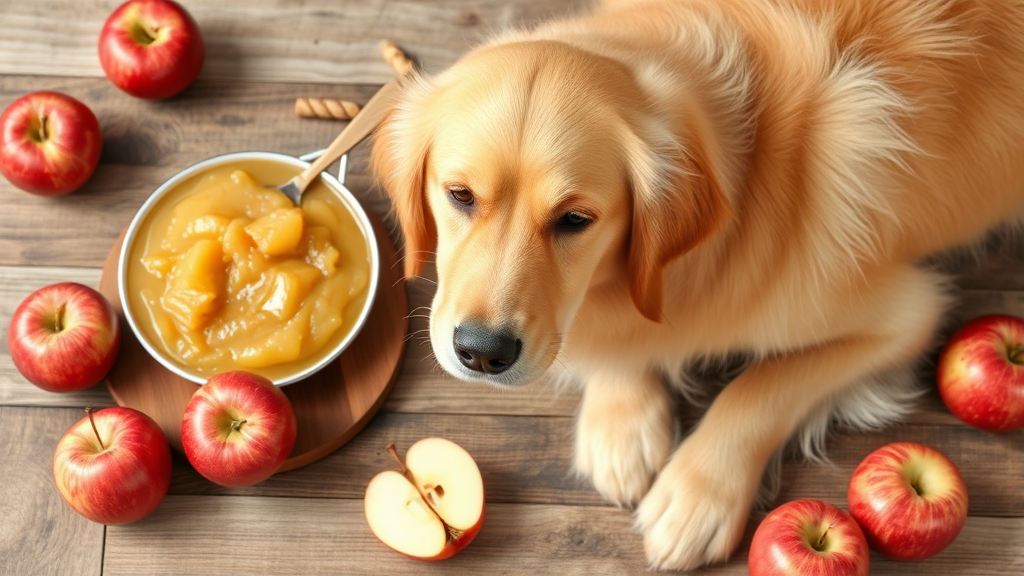
As dog owners, we constantly find ourselves wondering about the safety of various human foods for our furry companions. One question that frequently arises is: can dogs eat apple sauce? This sweet, smooth treat is a staple in many households, and it’s natural to want to share it with our four-legged family members.
Applesauce can indeed be safe for dogs when prepared and served correctly, but there are important considerations every pet owner should understand. The key lies in choosing the right type of applesauce and serving it in appropriate quantities. While plain, unsweetened applesauce offers some nutritional benefits, many commercial varieties contain ingredients that could be harmful to dogs.
Nutritional Benefits of Applesauce for Dogs
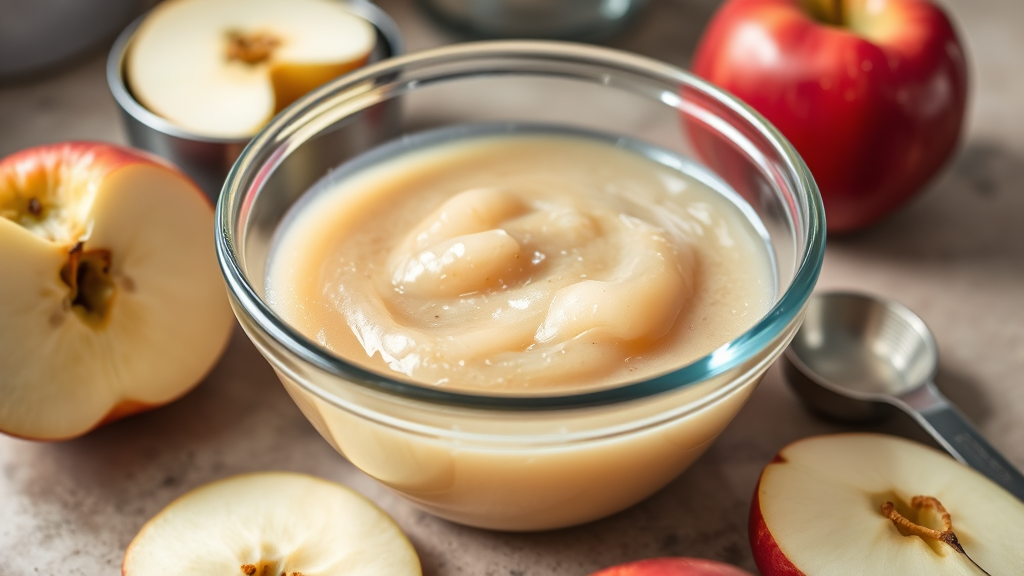
Plain, unsweetened applesauce can provide several nutritional benefits for dogs when given in moderation. Apples are naturally rich in essential vitamins and minerals that support canine health. According to the American Kennel Club, apples contain vitamin A, vitamin C, and dietary fiber that can benefit dogs’ overall health.
The vitamin C content in applesauce acts as an antioxidant, helping to boost your dog’s immune system and protect against cellular damage. While dogs naturally produce their own vitamin C, additional dietary sources can provide extra support, especially for senior dogs or those recovering from illness.
Fiber is another valuable component found in applesauce. This nutrient aids in digestive health by promoting regular bowel movements and supporting beneficial gut bacteria. However, it’s crucial to introduce fiber gradually to prevent digestive upset. The potassium present in apples also supports heart health and proper muscle function in dogs.
Potential Risks and Concerns
While plain applesauce can be beneficial, many commercial varieties pose significant risks to dogs. The primary concern is added sugar, which can lead to obesity, dental problems, and potentially diabetes in dogs. The American Veterinary Medical Association warns against feeding dogs foods high in sugar content.
Artificial sweeteners present an even greater danger, particularly xylitol, which is extremely toxic to dogs. Even small amounts of xylitol can cause rapid insulin release, leading to severe hypoglycemia, liver damage, and potentially death. Always check ingredient labels carefully before offering any applesauce to your dog.
Preservatives and artificial additives commonly found in commercial applesauce can also cause digestive upset or allergic reactions in sensitive dogs. Cinnamon, while not toxic in small amounts, can cause mouth irritation and digestive issues when consumed in larger quantities. Some dogs may also be allergic to apples themselves, though this is relatively rare.
High sugar content, even from natural sources, can contribute to weight gain and dental decay. Dogs’ digestive systems aren’t designed to process large amounts of sugar, making moderation absolutely essential when offering any sweet treats, including can dogs eat dates and other sweet fruits.
Safe Types of Applesauce for Dogs
When selecting applesauce for your dog, always choose unsweetened, organic varieties without any additives. The ingredient list should contain only apples and possibly water. Avoid any products containing sugar, corn syrup, artificial sweeteners, preservatives, or spices like cinnamon.
Organic applesauce is preferable because it reduces exposure to pesticides and other chemicals that might be present on conventionally grown apples. The FDA recommends reading all ingredient labels carefully when selecting foods for pets.
Baby food applesauce can be a good option, as these products typically contain fewer additives and are made with simpler ingredients. However, always verify that the baby food doesn’t contain onion powder or other ingredients harmful to dogs, as some baby foods do include these additives.
The safest option is to make your own applesauce at home, giving you complete control over the ingredients. This ensures your dog receives only pure apple goodness without any potentially harmful additives or excessive sugar content.
Serving Guidelines and Portion Control
Proper portion control is crucial when offering applesauce to dogs. Even the safest, plainest applesauce should only be given as an occasional treat, not a regular part of your dog’s diet. According to PetMD, treats should make up no more than 10% of a dog’s daily caloric intake.
For small dogs weighing under 25 pounds, limit applesauce to no more than one teaspoon per serving. Medium-sized dogs (25-50 pounds) can have up to one tablespoon, while large dogs over 50 pounds may have up to two tablespoons. These portions should only be offered once or twice per week at most.
Start with even smaller amounts when introducing applesauce to your dog’s diet, allowing their digestive system to adjust gradually. Monitor your dog for any signs of digestive upset, including diarrhea, vomiting, or excessive gas, and discontinue feeding if any issues arise.
Remember that applesauce is quite different from whole apples. While dogs can safely consume apple flesh, you should avoid can dogs eat apple cores due to the choking hazard and cyanide content in apple seeds.
Homemade Applesauce Recipes for Dogs
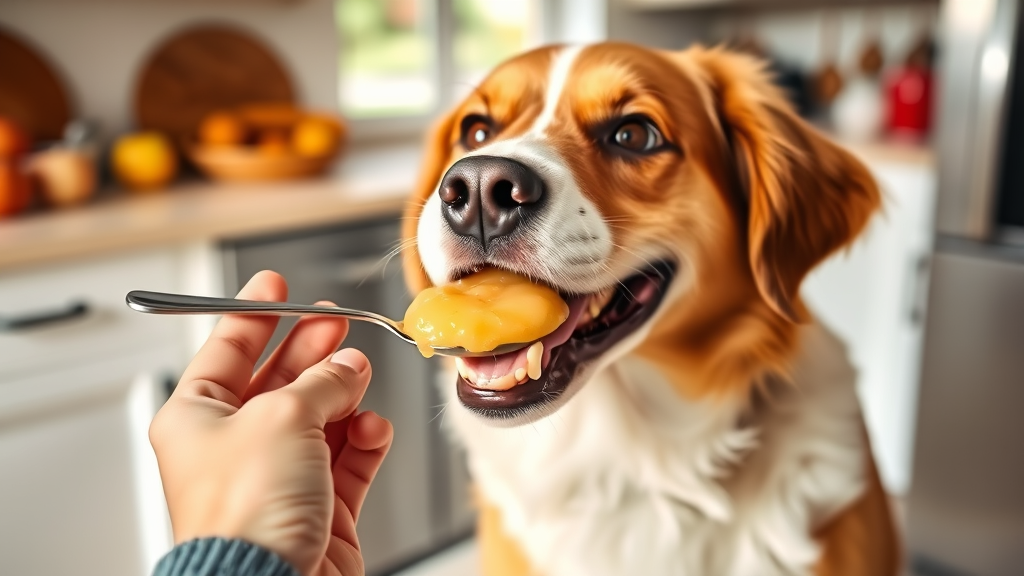
Creating homemade applesauce for your dog is simple and ensures complete ingredient control. Start with organic apples, wash them thoroughly, and remove all seeds, stems, and cores. Peel the apples to reduce fiber content and make digestion easier for sensitive dogs.
To make basic dog-safe applesauce, chop 4-5 medium apples and place them in a saucepan with just enough water to prevent sticking. Cook over medium heat for 15-20 minutes until the apples are soft and easily mashed. Use a potato masher or food processor to achieve your desired consistency.
Allow the homemade applesauce to cool completely before serving to your dog. Store any leftover applesauce in the refrigerator for up to one week, or freeze in ice cube trays for longer storage. These frozen portions make convenient, measured treats for hot summer days.
Consider adding other dog-safe fruits to create variety, such as can dogs eat pumpkin puree or mashed can dogs eat sweet potato for additional nutritional benefits and flavor combinations your dog might enjoy.
Warning Signs to Watch For
After giving your dog applesauce, monitor them carefully for any adverse reactions. Immediate signs of digestive upset include vomiting, diarrhea, excessive drooling, or loss of appetite. If your dog shows any of these symptoms, discontinue feeding applesauce immediately and contact your veterinarian if symptoms persist.
Signs of xylitol poisoning, which can occur if your dog accidentally consumes sugar-free applesauce, include weakness, loss of coordination, vomiting, and collapse. The ASPCA’s Animal Poison Control Center emphasizes that xylitol toxicity requires immediate emergency veterinary care.
Long-term overconsumption of applesauce, even the plain variety, can lead to weight gain, dental problems, and potential diabetes. Watch for gradual changes in your dog’s weight, energy levels, or eating habits that might indicate dietary issues.
Some dogs may develop allergic reactions to apples, though this is uncommon. Symptoms can include itching, skin irritation, ear infections, or gastrointestinal upset. If you suspect an apple allergy, eliminate all apple products from your dog’s diet and consult with your veterinarian about appropriate testing.
Other Safe Fruits for Dogs
If your dog enjoys applesauce, they might also appreciate other dog-safe fruits in moderation. Can dogs eat blackberries is another common question, and the answer is yes – these berries provide antioxidants and fiber when given in small quantities.
The Humane Society provides comprehensive lists of safe and unsafe foods for pets. Many fruits can be healthy treats when prepared properly and given in appropriate portions.
Stone fruits require special consideration, as the pits can be dangerous. While can dogs have peaches and can dogs eat apricots in small amounts, always remove pits completely and serve only the flesh.
Tropical fruits like can dogs eat papaya can also be safe options, providing different vitamins and enzymes that support digestion. Melons such as can dogs have cantaloupe offer hydration and natural sweetness while being relatively low in calories.
Always introduce new fruits gradually and in small amounts to assess your dog’s tolerance and prevent digestive upset. Variety in treats can provide different nutritional benefits while keeping your dog interested and engaged.
Frequently Asked Questions
Can puppies eat applesauce?
Puppies can have small amounts of plain, unsweetened applesauce after they’re weaned and eating solid food, typically around 8 weeks of age. However, their portions should be much smaller than adult dogs – no more than a quarter teaspoon for very small puppies. Always introduce new foods gradually and consult your veterinarian about appropriate treats for growing puppies, as their nutritional needs are quite specific.
How often can I give my dog applesauce?
Applesauce should be considered an occasional treat, not a regular part of your dog’s diet. Limit applesauce treats to once or twice per week at most, and always in appropriate portion sizes based on your dog’s weight. Remember that treats should comprise no more than 10% of your dog’s daily caloric intake, and applesauce contains natural sugars that can add up quickly.
What should I do if my dog ate applesauce with sugar or artificial sweeteners?
If your dog consumed applesauce containing sugar, monitor them for digestive upset but it’s usually not an emergency unless consumed in very large quantities. However, if the applesauce contained xylitol or other artificial sweeteners, contact your veterinarian or emergency animal hospital immediately, as these substances are highly toxic to dogs and require prompt medical attention.
Can diabetic dogs have applesauce?
Diabetic dogs should generally avoid applesauce due to its natural sugar content, even in unsweetened varieties. The natural fruit sugars can affect blood glucose levels and interfere with diabetes management. Always consult with your veterinarian about appropriate treats for diabetic dogs, as they may recommend specific low-sugar or sugar-free alternatives designed for diabetic pets.
Is applesauce good for dogs with upset stomachs?
Plain, unsweetened applesauce can sometimes help dogs with mild digestive issues due to its fiber content and easy digestibility. However, it’s not typically recommended as a primary treatment for upset stomachs. For dogs with digestive problems, it’s better to stick to veterinarian-recommended bland diets like plain rice and chicken, and always consult your vet for persistent stomach issues.
Can dogs be allergic to applesauce?
While apple allergies in dogs are relatively rare, they can occur. Signs of an apple allergy may include itching, skin irritation, digestive upset, or respiratory symptoms. If you suspect your dog has an apple allergy, eliminate all apple products from their diet and consult your veterinarian. They may recommend allergy testing to confirm the diagnosis and identify other potential allergens.
What’s the difference between giving dogs whole apples versus applesauce?
Whole apples provide more fiber and require chewing, which can help with dental health, but they also pose choking hazards and contain seeds that should be removed. Applesauce is easier to digest and portion control, but it’s more concentrated in sugars and lacks the dental benefits of chewing. Both can be safe when prepared properly, but whole apples require more preparation to ensure safety, while applesauce offers convenience and easier digestion for sensitive dogs.





