

Yes, can dogs eat apples? Absolutely! Apples are one of the safest and most nutritious fruits you can share with your furry best friend. But before you start tossing apple slices at Fido like you’re at a farmer’s market, there are some important things every dog owner needs to know to keep their pup safe and healthy.
Table of Contents
- Are Apples Safe for Dogs? The Short Answer
- Nutritional Benefits of Apples for Dogs
- The Apple Seed Danger: What You Really Need to Know
- How to Safely Prepare Apples for Your Dog
- Portion Control: How Much Apple Can Your Dog Eat?
- Apple Varieties: Are Some Better Than Others?
- Signs Your Dog Might Have an Apple Allergy
- Creative Ways to Serve Apples to Your Dog
- Apples vs. Other Dog-Friendly Fruits
- When to Avoid Giving Your Dog Apples
- The Bottom Line on Apple Safety
- Frequently Asked Questions
Are Apples Safe for Dogs? The Short Answer
Dogs can definitely eat apples in moderation. In fact, apples are packed with vitamins, minerals, and fiber that can benefit your dog’s health. The real trick is understanding how to prepare them properly and knowing the portion sizes that work best for your dog’s size and dietary needs. Think of apples as nature’s dental floss for dogs—they’re crunchy, they’re nutritious, and they can even help freshen your dog’s breath.
Nutritional Benefits of Apples for Dogs
Apples are nutritional powerhouses for canines. They contain vitamin C for immune support, vitamin A for eye health, and potassium for heart function. The fiber content in apples can support digestive health, which is especially useful if your dog is on a limited ingredient diet timing plan. Plus, apples are low in calories, making them an excellent treat option for dogs watching their waistline as part of a pet obesity prevention program. According to the American Kennel Club, apples are among the safest human foods for dogs when prepared correctly.
The Apple Seed Danger: What You Really Need to Know
Here’s where things get serious. Apple seeds contain amygdalin, a compound that can break down into cyanide when digested. Before you panic and throw out every apple in your kitchen, let’s be real: your dog would need to eat a massive quantity of apple seeds to experience any harmful effects. We’re talking hundreds of seeds. Still, the safest approach is to always remove the seeds and core before giving your dog any apple. It takes literally 30 seconds and eliminates any risk whatsoever.
How to Safely Prepare Apples for Your Dog
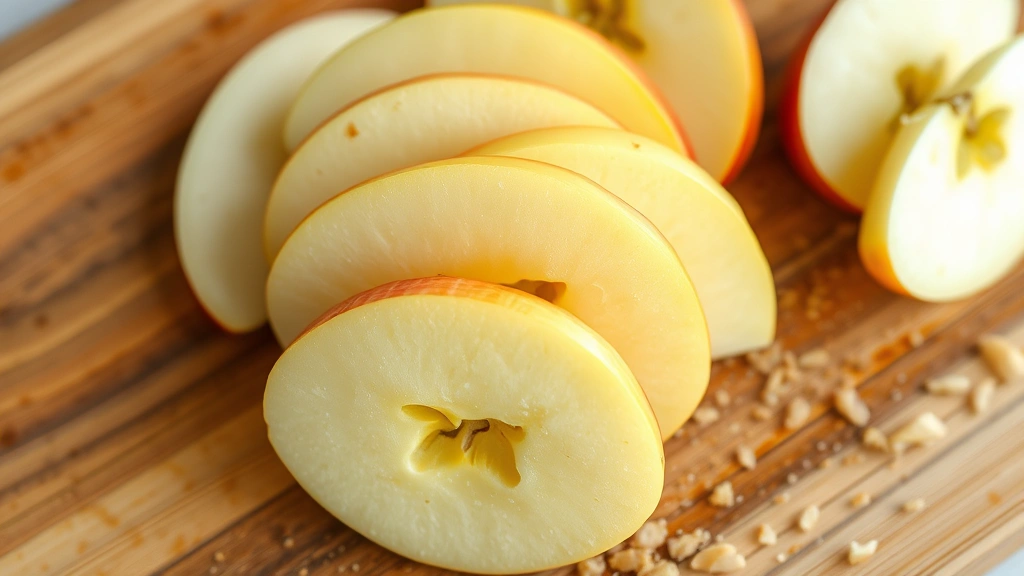
Preparation is key when it comes to apple safety. Start by washing the apple thoroughly to remove any pesticide residue. Cut the apple into bite-sized pieces that match your dog’s size and chewing ability. Remove the entire core and all seeds—don’t leave any behind. For small dogs, slice the apple into thin pieces. For larger breeds, you can offer slightly bigger chunks. Raw apples are fine, and many dogs actually prefer the crunch. You can also freeze apple slices for a refreshing summer treat.
Portion Control: How Much Apple Can Your Dog Eat?
The golden rule is the 10% treat rule: treats should make up no more than 10% of your dog’s daily caloric intake. For a medium-sized dog, this typically means one or two apple slices per day is plenty. Consult your weight-based feeding guide to determine exactly how much your individual dog should be eating. Small dogs should get even smaller portions—think one or two tiny slices. Large dogs can handle more, but still keep it moderate. Remember, apples are treats, not meal replacements.
Apple Varieties: Are Some Better Than Others?
Most apple varieties are safe for dogs, including Granny Smith, Fuji, Honeycrisp, and Red Delicious. Avoid any apples that have been treated with excessive pesticides or waxes—organic apples are your best bet. Green apples tend to be slightly less sweet than red varieties, which some owners prefer for weight management. The variety matters less than the preparation method, so choose whichever apples you have on hand as long as you remove the seeds and core properly.
Signs Your Dog Might Have an Apple Allergy
While rare, some dogs can have sensitivities to apples. Watch for vomiting, diarrhea, itching, or swelling after eating apples. If your dog has a sensitive stomach or digestive issues, introduce apples slowly and monitor their reaction. Check your pet supplement interaction checker if your dog is on supplements or medications, as apples can occasionally interact with certain treatments. If you notice any adverse reactions, discontinue apples and consult your veterinarian. For dogs with sensitive stomach supplements or dietary restrictions, always check with your vet before introducing new foods.
Creative Ways to Serve Apples to Your Dog
Get creative with apple treats! Freeze apple slices for a refreshing summer snack. Mix finely chopped apples with your dog’s regular food as a nutritious topper. Make apple and peanut butter frozen treats by combining unsweetened applesauce with peanut butter and freezing in ice cube trays. You can even bake homemade apple dog treats using dog-safe recipes. Just remember to keep portions reasonable and always remove seeds and cores. According to PetMD, many dogs enjoy the natural sweetness of apples as a healthier alternative to processed treats.
Apples vs. Other Dog-Friendly Fruits
Apples are great, but they’re not your only fruit option. Bananas, blueberries, watermelon, and pumpkin are all dog-safe alternatives. Each fruit offers different nutritional benefits, so rotating between safe fruits keeps things interesting for your pup. However, avoid grapes, raisins, avocados, and citrus fruits, which can be toxic to dogs. Apples remain one of the most accessible and nutritious options for most dog owners.
When to Avoid Giving Your Dog Apples
Skip the apples if your dog has diabetes—the natural sugars could cause blood sugar spikes. Dogs with severe digestive issues might struggle with the fiber content. If your dog is overweight and on a strict calorie-controlled diet, apples should be minimal or eliminated. Always consult your veterinarian if your dog has any pre-existing health conditions before introducing new foods. Some medications can interact with foods, so it’s worth a quick check with your vet.
The Bottom Line on Apple Safety
Can dogs eat apples? Yes, with proper preparation and moderation. Remove the seeds and core, control portions, and monitor your dog for any adverse reactions. Apples can be a fantastic, nutritious treat that your dog will love. They’re affordable, accessible, and packed with health benefits. Just use common sense, follow the guidelines above, and your dog can safely enjoy this crispy, refreshing fruit.
Frequently Asked Questions
Can dogs eat applesauce?
Yes, but only unsweetened applesauce without added sugars or xylitol. Check the label carefully—many commercial applesauces contain added sugars that aren’t ideal for dogs. Homemade applesauce is your safest bet. Offer it in small quantities as an occasional treat.

What should I do if my dog eats apple seeds?
Don’t panic. A few apple seeds won’t harm your dog. Monitor them for any unusual symptoms like vomiting or lethargy. If your dog consumed a large quantity of seeds (which is unlikely), contact your veterinarian or poison control. In most cases, a few accidental seeds will pass through their system without issue.
Can puppies eat apples?
Yes, puppies can eat apples once they’re weaned and eating solid food. Start with very small pieces and ensure all seeds are removed. Puppies have smaller stomachs, so tiny portions are essential. Always supervise and introduce new foods gradually.
Are dried apples safe for dogs?
Dried apples are technically safe but less ideal than fresh apples. They’re more concentrated in natural sugars and can be a choking hazard. If you offer dried apples, cut them into very small pieces and supervise closely. Fresh apples are generally the better choice.
Can dogs eat apple pie or apple products?
No. Apple pie, apple juice, and processed apple products often contain added sugars, spices, or ingredients like xylitol that are toxic to dogs. Stick to plain, fresh apples only. Avoid anything with added sweeteners or baking ingredients.
How often can I give my dog apples?
A few times per week is perfectly fine for most dogs. You don’t need to give apples daily—variety is the spice of life. Mix in other dog-safe fruits and treats to keep your pup’s diet balanced and interesting.





