

As pet owners increasingly seek to share healthier foods with their furry companions, the question of whether dogs can safely eat avocado has become more common. This creamy, nutrient-rich fruit has gained popularity as a superfood for humans, but its safety for canines remains a topic of considerable debate among veterinarians and pet nutritionists.
The answer isn’t simply yes or no – it’s more nuanced than many pet owners realize. While avocados contain beneficial nutrients, they also contain compounds that can be problematic for dogs. Understanding the risks, benefits, and proper precautions is essential for any dog owner considering sharing this trendy fruit with their pet.
Understanding Persin: The Main Concern
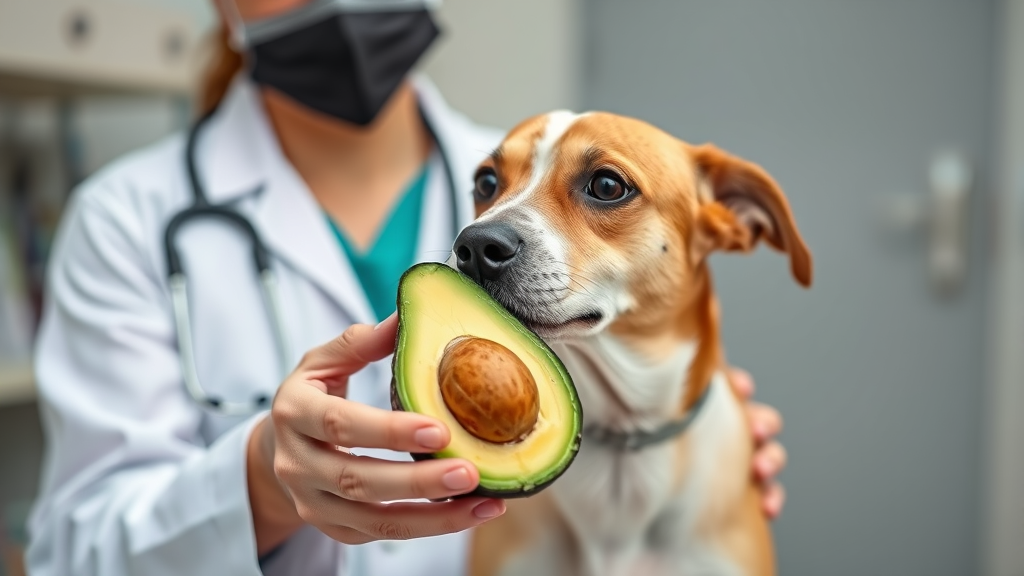
The primary concern with feeding avocados to dogs centers around a compound called persin. This natural antifungal toxin is found throughout the avocado plant, including the fruit, leaves, bark, and pit. According to the ASPCA Animal Poison Control Center, persin can cause digestive upset in dogs, though the sensitivity varies significantly among individual animals.
Persin concentrations are highest in the leaves and bark of the avocado tree, with lower levels found in the fruit itself. The pit contains moderate levels, while the flesh typically has the lowest concentration. This variation in persin content explains why some dogs may consume small amounts of avocado flesh without immediate adverse effects, while others may experience digestive distress.
Research from veterinary toxicologists indicates that dogs are generally less sensitive to persin than other animals such as birds, rabbits, and large animals like horses and cattle. However, this doesn’t mean avocados are completely safe for canine consumption. The American Veterinary Medical Association recommends caution when considering any human food for pets.
Avocado’s Nutritional Profile for Dogs
Despite the concerns about persin, avocados do contain several nutrients that could theoretically benefit dogs. The fruit is rich in healthy monounsaturated fats, particularly oleic acid, which supports cardiovascular health and can contribute to a shiny coat. Avocados also contain vitamins K, C, and E, along with folate and potassium.
The high fiber content in avocados can support digestive health when consumed in appropriate amounts. Additionally, the fruit contains antioxidants like lutein and zeaxanthin, which may support eye health. However, it’s important to note that dogs can obtain these same nutrients from safer, more appropriate food sources specifically formulated for their dietary needs.
One consideration for pet owners exploring are avocados good for dogs is that the high fat content, while containing beneficial fats, can also contribute to weight gain and potentially trigger pancreatitis in susceptible dogs. The caloric density of avocados means that even small portions can add significant calories to a dog’s daily intake.
Safe Preparation and Serving Guidelines
If you decide to offer your dog a small amount of avocado after consulting with your veterinarian, proper preparation is crucial. Always remove the pit completely, as it poses both a choking hazard and contains higher levels of persin. The pit can also cause intestinal blockage if swallowed, requiring emergency surgical intervention.
Remove all skin from the avocado flesh, as the skin contains higher concentrations of persin than the fruit itself. Offer only very small amounts – no more than a few small cubes for a large dog, and even less for smaller breeds. Start with tiny portions to assess your dog’s individual tolerance.
Never allow your dog access to avocado leaves, bark, or other parts of the avocado plant if you have avocado trees in your yard. These plant parts contain much higher levels of persin and pose a greater toxicity risk. Some pet owners wonder about can dogs have avocado oil as an alternative, which may have different safety considerations than whole fruit.
Potential Health Benefits
When given in very small, controlled amounts, some dogs may experience certain benefits from avocado consumption. The healthy fats can contribute to coat shine and skin health, similar to how omega-3 fatty acids from fish oil supplements benefit dogs. The vitamin E content acts as an antioxidant, potentially supporting immune function.
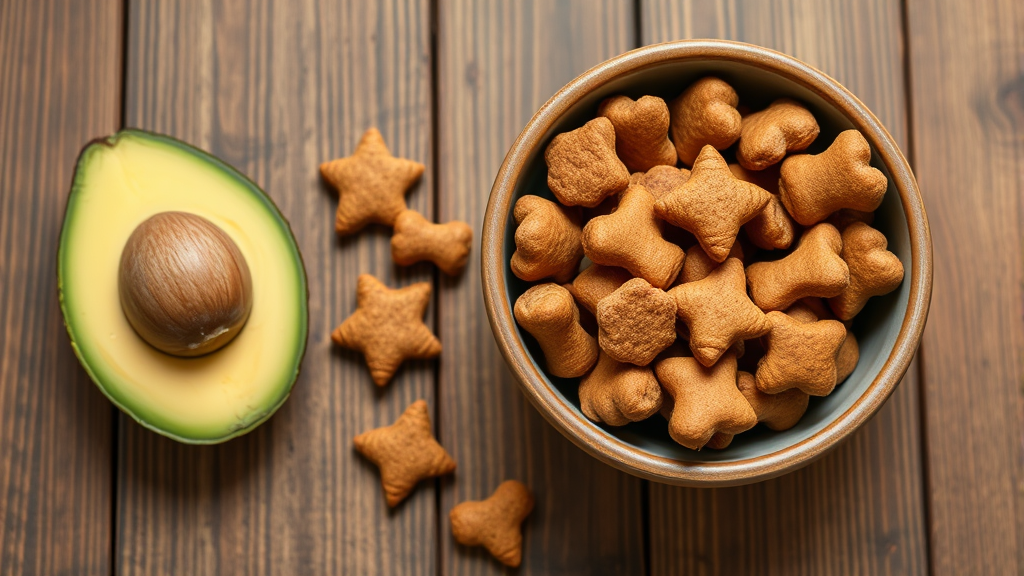
Some commercial dog foods and treats actually include avocado meal or oil in their formulations, suggesting that processed avocado products may be safer than fresh fruit. These products undergo processing that may reduce persin content while retaining beneficial nutrients. The FDA Center for Veterinary Medicine regulates pet food ingredients, including those derived from avocados.
The anti-inflammatory properties of avocados, attributed to their omega-3 fatty acid content and antioxidants, might theoretically benefit dogs with inflammatory conditions. However, these potential benefits must be weighed against the risks, and safer alternatives are generally recommended by veterinary professionals.
Risks and Dangers to Consider
Beyond persin toxicity, several other risks are associated with dogs consuming avocados. The high fat content can trigger acute pancreatitis, a serious and potentially life-threatening condition. Dogs with a history of pancreatitis or sensitive digestive systems are at particularly high risk.
The avocado pit presents multiple dangers, including choking, tooth damage, and intestinal obstruction. Even if a dog manages to swallow a pit without choking, the smooth, large size makes it likely to cause a blockage that requires surgical removal. According to Cornell University’s College of Veterinary Medicine, intestinal foreign bodies are among the most common emergency surgeries performed on dogs.
Some dogs may experience allergic reactions to avocados, manifesting as skin irritation, digestive upset, or respiratory symptoms. Unlike other common food allergens, avocado allergies in dogs are relatively rare but can be severe when they occur. Just as with concerns about whether can dogs eat onions or are tomatoes bad for dogs, individual sensitivities can vary significantly.
Safer Alternative Treats
Given the potential risks associated with avocados, many safer alternatives can provide similar nutritional benefits without the concerns. Blueberries offer antioxidants and are generally safe for dogs in moderation. Sweet potato provides fiber and vitamins while being easier to digest.
For dogs needing healthy fats for coat and skin health, fish oil supplements specifically formulated for pets are a safer choice than avocado. These supplements provide omega-3 fatty acids without the risk of persin toxicity or pancreatitis from high-fat foods.
Commercial dog treats designed to support coat health often contain ingredients like flaxseed, salmon oil, or coconut oil, which provide similar benefits to the healthy fats in avocados. The Humane Society provides extensive lists of safe and unsafe foods for pets, helping owners make informed decisions about treats and snacks.
What to Do If Your Dog Eats Avocado
If your dog consumes avocado, especially large amounts or parts like the pit or skin, prompt action is important. First, assess what parts of the avocado were consumed and in what quantity. If only a small amount of flesh was eaten, monitor your dog closely for signs of digestive upset, including vomiting, diarrhea, or loss of appetite.
Contact your veterinarian immediately if your dog consumed the pit, large amounts of avocado, or if you notice any concerning symptoms. Signs of intestinal obstruction from swallowing a pit include repeated vomiting, inability to defecate, lethargy, and loss of appetite. These symptoms require immediate veterinary attention.
Keep your veterinarian’s emergency contact information readily available, along with the contact information for the nearest animal emergency clinic. The ASPCA Animal Poison Control Center (1-888-426-4435) is also available 24/7 for toxicity emergencies, though consultation fees may apply.
Just as you would respond to emergencies involving other potentially dangerous foods like chocolate (knowing why cant dogs have chocolate and what to do if dog eats chocolate), quick response and professional guidance are key to ensuring your dog’s safety.
Frequently Asked Questions
Can dogs eat avocado in small amounts safely?
While some dogs may tolerate very small amounts of avocado flesh without immediate problems, veterinarians generally recommend avoiding avocados altogether due to persin toxicity risks and high fat content. The risk-benefit ratio doesn’t favor avocado as a dog treat, especially when safer alternatives are available.
What should I do if my dog ate an avocado pit?
Contact your veterinarian immediately if your dog swallowed an avocado pit. The pit poses serious risks including choking, intestinal blockage, and higher persin exposure. Emergency veterinary care may be necessary to prevent life-threatening complications, particularly if the pit causes an obstruction.
Are there any benefits to giving dogs avocado oil instead of fresh fruit?
Some pet owners consider can dogs have avocado oil as an alternative, but even avocado oil should be used cautiously. While processing may reduce persin content, the high fat content still poses risks for pancreatitis. Consult your veterinarian before adding any oils to your dog’s diet.
How much avocado is toxic to dogs?
There’s no established toxic dose of avocado for dogs, as sensitivity varies greatly among individual animals. Some dogs may show no symptoms after eating small amounts of flesh, while others may experience digestive upset from minimal exposure. This unpredictability is why avoidance is generally recommended.
Can puppies eat avocado?
Puppies should never be given avocado, as their developing digestive systems are more sensitive to toxins and dietary changes. Young dogs are also more likely to choke on pits or experience severe intestinal blockages. Stick to puppy-appropriate foods and treats recommended by your veterinarian.
What are the signs of avocado poisoning in dogs?
Signs of avocado-related illness in dogs include vomiting, diarrhea, loss of appetite, lethargy, difficulty breathing, and abdominal pain. If your dog consumed an avocado pit, watch for signs of intestinal obstruction such as repeated vomiting, inability to defecate, and severe abdominal discomfort. Seek veterinary care if any of these symptoms occur.
Are some dog breeds more sensitive to avocado than others?
While there’s no definitive research showing breed-specific sensitivity to persin, smaller dogs may be more affected by the high fat content due to their size, and dogs with sensitive stomachs or a history of pancreatitis are at higher risk regardless of breed. Individual sensitivity varies more than breed-specific reactions when it comes to avocado consumption.





