
Can Dogs Eat Beans and Rice? Vet Insights
Beans and rice are staple foods in many human diets, offering excellent nutrition and affordability. But what about our canine companions? The short answer is yes—dogs can eat beans and rice in moderation, but there are important considerations pet owners should understand. This combination is actually recommended by veterinarians for certain situations, particularly when managing digestive issues or creating homemade dog food diets. However, not all beans are safe, preparation methods matter significantly, and portion control is essential to prevent nutritional imbalances.
Understanding what human foods are safe for dogs requires looking beyond simple yes-or-no answers. Beans and rice offer legitimate nutritional benefits, including plant-based protein, fiber, and essential vitamins. Many commercial dog foods incorporate these ingredients for good reason. Yet veterinary professionals emphasize that this food combination should complement, not replace, a complete and balanced canine diet. Whether you’re considering adding beans and rice to your dog’s meals or have been recommended this combination by your vet, this comprehensive guide will help you make informed decisions about your pet’s nutrition.
Which Beans Are Safe for Dogs?
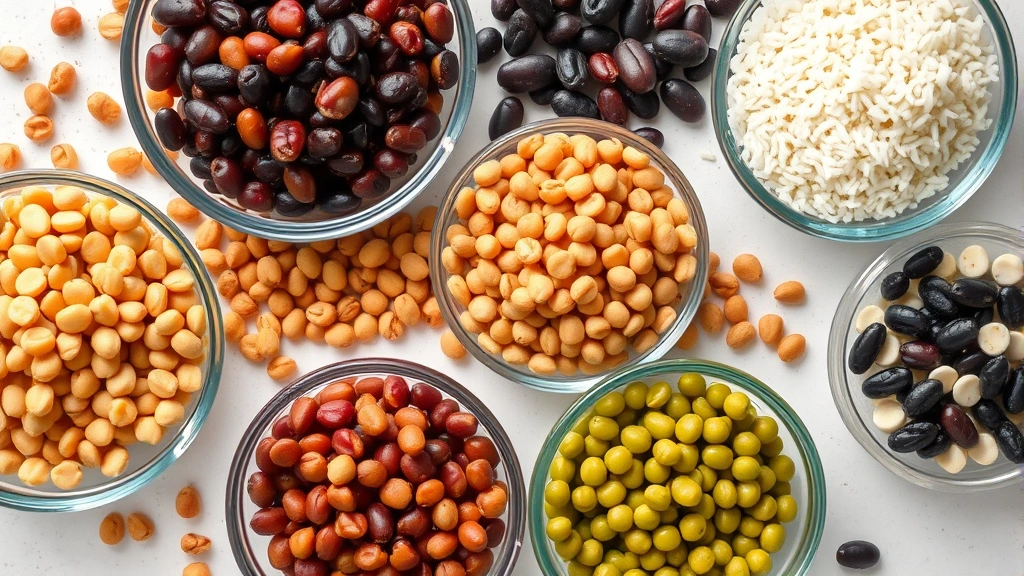
Not all beans are created equal when it comes to canine safety. The most dog-friendly beans include black beans, kidney beans, pinto beans, and chickpeas. These varieties are generally well-tolerated by most dogs and provide substantial nutritional benefits. Cooked beans are always preferable to raw beans, as cooking breaks down complex carbohydrates and makes nutrients more bioavailable for your dog’s digestive system.
Several beans should be avoided entirely. Raw or undercooked beans contain phytohaemagglutinin, a toxic compound that causes gastrointestinal distress in dogs. Refried beans often contain excessive salt, garlic, or onions—all problematic for canine health. Baked beans typically contain added sugars and seasonings that aren’t appropriate for dogs. Soy beans, while not toxic, are often genetically modified and highly processed in commercial products.
Canned beans present a mixed situation. While the beans themselves are safe after cooking during the canning process, the sodium content can be problematic. A single serving of canned beans can contain 300-500mg of sodium, which exceeds a small dog’s daily sodium needs. If using canned beans, thoroughly rinse them under fresh water to remove approximately 40% of the sodium content. Better yet, cook dried beans yourself to control salt levels completely.
The preparation method dramatically impacts safety. Dried beans must be soaked overnight and cooked thoroughly until soft—typically 1-2 hours depending on bean type. Pressure cookers or slow cookers work excellently for this purpose. Never season beans with garlic, onions, salt, or spices when preparing them for your dog. Plain, cooked beans are the safest option.
Rice Benefits and Preparation
Rice is one of the most digestible grains for dogs, making it particularly valuable for canines with sensitive stomachs or gastrointestinal issues. Both white and brown rice are safe, though they differ nutritionally. White rice is more easily digestible due to the removal of the bran and germ layers, making it the preferred choice for dogs recovering from diarrhea or vomiting. Brown rice retains these nutrient-rich layers, offering more fiber and B vitamins, but requires longer digestion time.
For optimal preparation, cook rice in plain water without salt, butter, oil, or broth. The standard ratio is one part rice to two parts water. Bring to a boil, then reduce heat and simmer until water is absorbed—approximately 15-20 minutes for white rice, 30-40 minutes for brown rice. The rice should be soft and easily digestible. Some veterinarians recommend the “bland diet” approach of mixing plain cooked rice with boiled, skinless chicken for dogs with digestive upset.
Many dog owners and veterinarians recommend rice for dogs as a temporary dietary adjustment during health issues. However, rice alone lacks complete nutrition for long-term feeding. It’s primarily a carbohydrate source and should always be combined with protein sources like beans, meat, or eggs for nutritional completeness. The combination of rice and beans actually creates a complete protein profile, which is why this pairing appears so frequently in veterinary-recommended homemade dog food recipes.
Instant or flavored rice products should be avoided. These often contain added sodium, preservatives, or artificial ingredients unnecessary for dogs. Sushi rice, risotto, or rice prepared with butter and seasonings are also inappropriate. Stick to plain, simply-prepared white or brown rice for your canine companion.
Nutritional Profile and Balance
The beans and rice combination offers several nutritional advantages when properly balanced. Beans provide plant-based protein, ranging from 15-20% of their dry weight. They’re also rich in fiber, promoting healthy digestion and satiety. Chickpeas and black beans are particularly high in antioxidants and contain essential minerals like iron, manganese, and phosphorus. Rice contributes easily-digestible carbohydrates and B vitamins necessary for energy metabolism.
However, this combination alone cannot serve as a complete diet. Dogs require all ten essential amino acids, and while beans and rice together form a complete protein, the proportion may not match canine nutritional requirements. Dogs are facultative carnivores with higher protein requirements than many plant-based foods can provide. The optimal approach combines beans and rice with animal-based proteins like chicken, beef, fish, or eggs.
According to the Association of American Feed Control Officials (AAFCO), adult dogs require minimum 18% crude protein on a dry matter basis. Puppies need 22% or higher. Beans and rice alone typically provide 8-12% protein when combined in typical proportions. Adding meat sources brings the total protein content into appropriate ranges.
Fat content is another consideration. Dogs require adequate fat for skin and coat health, immune function, and nutrient absorption. Beans are low in fat, and rice contains minimal fat content. This is why many veterinary-recommended homemade diets include added fat sources like fish oil or coconut oil. Consulting with a veterinary nutritionist before creating long-term homemade diets ensures your dog receives balanced nutrition.
Portion Guidelines and Feeding
Beans and rice should never constitute more than 10-15% of your dog’s daily caloric intake if you’re supplementing a commercial diet. For a 50-pound dog consuming approximately 1000 calories daily, this means 100-150 calories from beans and rice. One cup of cooked beans and rice combined contains roughly 300-400 calories, so small portions are appropriate.
The appropriate serving size depends on your dog’s size, age, activity level, and overall health status. Small dogs (under 25 pounds) should receive no more than 2-4 tablespoons of the beans and rice mixture daily. Medium dogs (25-60 pounds) can tolerate 4-8 tablespoons daily. Large dogs (over 60 pounds) might receive up to 1 cup daily, provided this comprises less than 15% of total calories and they’re receiving a complete diet from other sources.
When introducing beans and rice for the first time, start with very small amounts—1-2 tablespoons—and observe your dog for 24-48 hours. Watch for digestive upset including diarrhea, constipation, excessive gas, or vomiting. Some dogs have difficulty digesting legumes due to individual sensitivities or insufficient digestive enzymes. A gradual introduction over 7-10 days allows their digestive system to adapt.
Frequency matters as well. Beans and rice can be offered 2-3 times weekly without concern, assuming your dog maintains a balanced diet otherwise. Daily feeding of beans and rice risks nutritional imbalances, particularly in growing puppies or senior dogs with specific dietary requirements. For dogs on homemade diets composed primarily of beans and rice with meat, consult your veterinarian about appropriate ratios and supplementation needs.
Health Conditions and Special Cases
Veterinarians frequently recommend plain beans and rice for dogs experiencing gastrointestinal distress. The bland, easily-digestible nature of this combination helps settle upset stomachs and firm loose stools. When a dog suffers from acute diarrhea or vomiting, veterinarians often recommend a temporary diet of white rice and boiled chicken for 3-7 days. Adding plain cooked beans to this regimen provides additional fiber and nutrients as recovery progresses.
Dogs with diabetes benefit from the fiber content in beans, which slows glucose absorption and helps maintain stable blood sugar levels. However, beans contain carbohydrates that affect blood glucose, so portion control and veterinary monitoring are essential. Never adjust a diabetic dog’s diet without consulting their veterinarian, as this could interfere with insulin dosing.
Senior dogs often benefit from the nutrient density beans provide, particularly the antioxidants that support cognitive function and joint health. The fiber aids digestive regularity in older dogs, and the easily-digestible carbohydrates provide sustained energy. However, senior dogs may have dental issues making cooked beans easier to consume than kibble.
Dogs with food allergies need careful consideration. Legume allergies are less common than meat or grain allergies, but they do occur. If your dog has a history of food sensitivities, introduce beans cautiously. Dogs with pancreatitis or certain digestive disorders may not tolerate beans well due to their fat content, even though it’s relatively low. Always consult your veterinarian before making dietary changes for dogs with existing health conditions.
Pregnant or nursing dogs have increased nutritional requirements. While beans and rice can supplement their diet, they shouldn’t replace high-quality commercial foods formulated for reproductive stages. Puppies require specific nutrient ratios for proper growth—beans and rice alone are insufficient and could cause developmental issues.
Preparation Tips and Safety
Proper preparation is absolutely critical for canine safety when feeding beans and rice. Start with dried beans from reputable sources. Sort through them carefully, removing any discolored beans, stones, or debris. Rinse thoroughly under running water. Soak overnight (8-12 hours) in fresh water—this reduces oligosaccharides that cause gas and improves digestibility.
Drain the soaking water completely and rinse again. Place beans in a pot with fresh water, using a 3:1 water-to-bean ratio. Bring to a boil and maintain a rolling boil for 10 minutes—this is crucial for destroying phytohaemagglutinin toxins. Reduce heat and simmer until beans are completely soft and easily mash between your fingers. Undercooked beans retain toxins; overcooked beans are preferable from a safety standpoint.
Cool the cooked beans completely before serving. Never serve hot food to dogs, as it can burn their mouths and throats. Store cooked beans in airtight containers in the refrigerator for up to 5 days or freeze for up to 3 months. Frozen beans and rice can be thawed and served as-is or mixed into other foods.
When combining with rice, mix in appropriate proportions based on your dog’s needs. A typical ratio might be 1 part cooked beans to 2 parts cooked rice, though this varies. Some dogs do better with more rice and less beans initially. Consider adding a small amount of plain cooked meat, eggs, or fish to create a more nutritionally complete meal.
Related foods worth understanding include broccoli for dogs and corn safety, which often appear in homemade dog food recipes. Carrots are excellent additions to bean and rice meals, providing fiber and dental benefits. Cheese can add palatability in small amounts, though it increases calories and fat content.
Never add seasonings, salt, garlic, onions, or spices to beans and rice prepared for dogs. These ingredients can cause serious health problems. Garlic and onions are particularly toxic, damaging red blood cells and causing hemolytic anemia. Even small amounts in prepared foods can accumulate to dangerous levels over time.
FAQ
Is beans and rice a complete diet for dogs?
No, beans and rice alone do not provide complete nutrition for dogs. While this combination creates a complete protein profile, it lacks adequate fat, certain vitamins, and minerals necessary for optimal health. Dogs require animal-based protein sources and should receive a diet formulated to meet AAFCO standards. Beans and rice work best as supplements to commercial dog food or as components of veterinarian-approved homemade diets that include meat, organs, and appropriate supplementation.
Can dogs eat canned beans?
Canned beans are safe for dogs if thoroughly rinsed to remove sodium. However, homemade cooked beans are preferable because you control salt content completely. If using canned beans, drain the liquid completely and rinse under running water for several minutes. Check labels to ensure no added garlic, onions, or other harmful seasonings. Avoid refried beans and baked beans entirely due to their additives and high sodium content.
How often can I feed my dog beans and rice?
Beans and rice can be offered 2-3 times weekly as a supplement to your dog’s regular diet. If your dog eats a homemade diet composed primarily of beans and rice with meat, daily feeding is possible—but nutritional balance must be verified by a veterinary nutritionist. Never exceed 15% of daily calories from beans and rice if supplementing a commercial diet, as this could create nutritional imbalances over time.
What beans should I avoid giving my dog?
Avoid raw or undercooked beans entirely, as they contain toxic compounds causing severe digestive upset. Skip refried beans, baked beans, and any canned beans with added seasonings, garlic, or onions. Soy beans are generally avoided due to genetic modification and processing concerns. Stick to plain, thoroughly-cooked black beans, kidney beans, pinto beans, or chickpeas prepared specifically for your dog.
Can beans and rice help with dog diarrhea?
Yes, plain cooked white rice is frequently recommended for dogs with diarrhea because it’s highly digestible and bland. Adding plain cooked beans provides fiber that can help firm stools, though you should start with rice alone and gradually introduce beans. For acute diarrhea, consult your veterinarian before making dietary changes. If diarrhea persists beyond 48 hours or worsens, professional veterinary care is necessary.
Is brown rice better than white rice for dogs?
Both are safe, but they serve different purposes. White rice is more digestible and better for dogs with sensitive stomachs or gastrointestinal issues. Brown rice retains more nutrients and fiber, making it preferable for healthy dogs not experiencing digestive problems. Some dogs tolerate brown rice perfectly well, while others benefit from the easier digestibility of white rice. Your dog’s individual needs should guide your choice.
Should I add oil or butter to beans and rice for my dog?
Plain beans and rice without added oil or butter are safest. If your dog needs additional fat for skin and coat health, consult your veterinarian about appropriate supplements like fish oil rather than cooking oils or butter. Added fats increase calories significantly and may contribute to pancreatitis in susceptible dogs. Let your veterinarian guide supplementation decisions based on your dog’s specific health status.





