
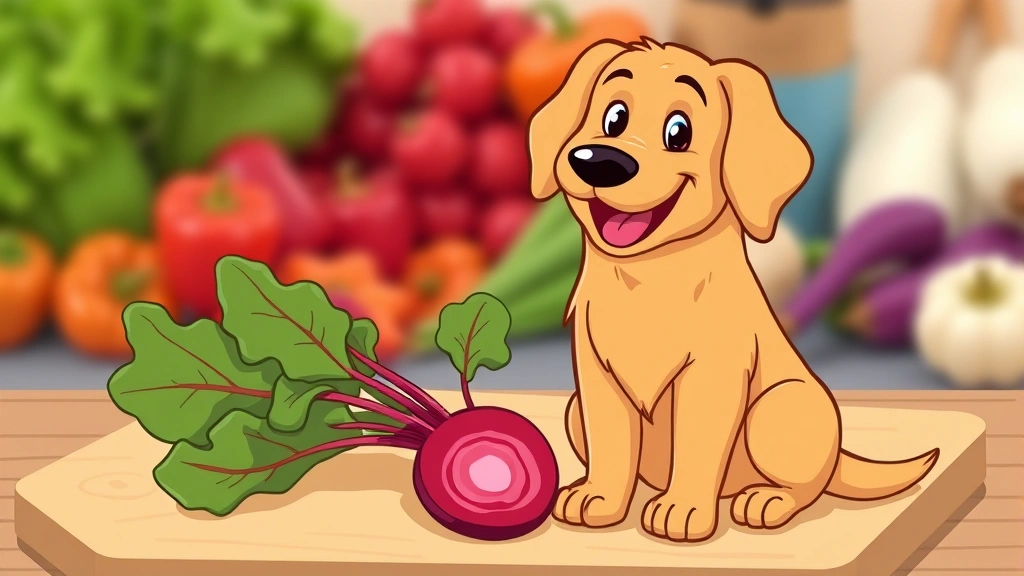
Your dog is staring at your dinner plate again. This time, it’s beets. You’re wondering: can dogs eat beets safely? The answer is yes—but there’s a right way and a wrong way to do it. Beets aren’t toxic, and they actually pack some solid nutritional perks for your pup. That said, they’re not a free pass to dump them into every meal. Let me break down what you need to know about beets and your dog, from portion sizes to prep methods, so you can make an informed decision about adding this earthy vegetable to your dog’s diet.
Are Beets Safe for Dogs?
Let’s cut to the chase: yes, dogs can eat beets safely. Beets are not on the toxic foods list for dogs, unlike grapes, chocolate, or xylitol-containing products. Your dog’s digestive system can handle beets without triggering an emergency vet visit. That’s the good news.
The caveat? Beets should be an occasional treat, not a dietary staple. They’re fine in moderation, but they’re also not something your dog needs to survive and thrive. Think of them like a bonus snack, similar to how you might enjoy a piece of candy—nice, but not necessary.
According to the American Kennel Club (AKC), vegetables can be a healthy addition to a dog’s diet, though they should never replace a complete and balanced commercial dog food. The key is understanding that can dogs eat beets doesn’t automatically mean they should eat them daily or in large quantities.
One thing to watch: beets contain naturally occurring compounds called nitrates. While these aren’t dangerous at the levels found in beets, they’re worth noting if your dog has specific health conditions. More on that later.
Nutritional Benefits of Beets for Dogs
Here’s where beets actually shine. If you’re asking can dogs eat beets, you might also want to know why you’d bother. The answer: beets pack some legit nutrients that can support your dog’s health.
Fiber: Beets are loaded with fiber, which supports digestive health and can help regulate bowel movements. If your dog struggles with occasional constipation, a small amount of beet can help. However, too much fiber can cause the opposite problem—diarrhea. Balance is everything.
Vitamins and minerals: Beets contain folate, manganese, potassium, and vitamin C. These support immune function, bone health, and overall metabolic processes. Your dog’s body uses these nutrients for everything from fighting off infections to maintaining healthy joints.
Antioxidants: Beets are rich in betalains and other antioxidants, which help combat free radicals in your dog’s body. This may reduce inflammation and support cognitive function in aging dogs. Some research suggests these compounds could help with joint health, though studies in dogs specifically are limited.
Natural detoxification: Beets contain compounds that support liver function, helping your dog’s body naturally process and eliminate toxins. This is especially beneficial for older dogs or those with liver concerns (though always check with your vet first).
The bottom line: beets aren’t a superfood miracle, but they’re a nutrient-dense addition to your dog’s diet when offered appropriately. They’re similar to other vegetables like collard greens or raw celery—good for you, good for your dog in moderation.
How to Prepare Beets for Your Dog
Preparation matters. A lot. The way you serve beets can make them safer and more digestible for your pup.
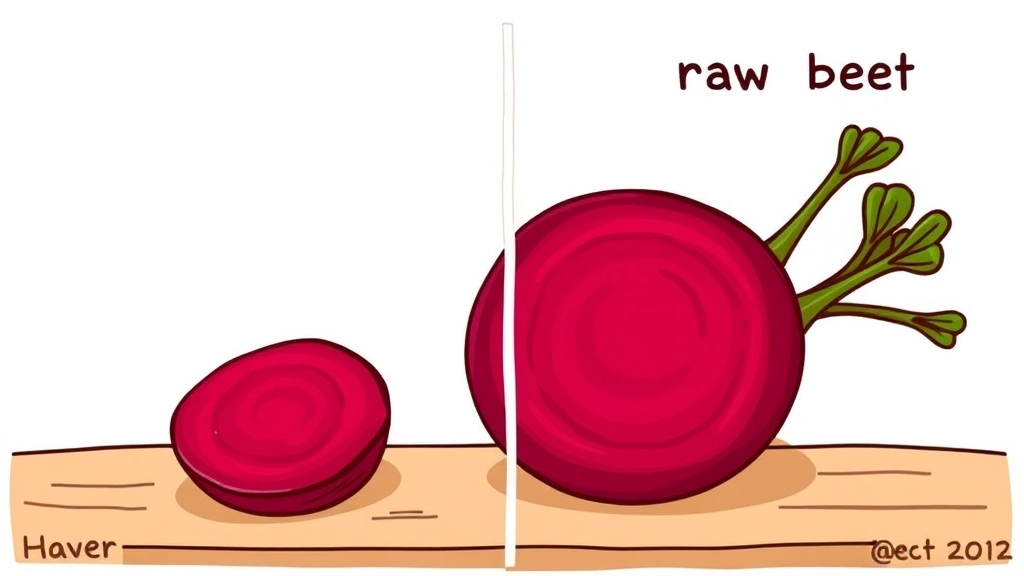
Raw vs. cooked: Both are safe, but cooked beets are easier for dogs to digest. Cooking breaks down the cell walls, making nutrients more bioavailable and reducing the risk of digestive upset. If you’re new to feeding your dog beets, start with cooked.
Cooking method: Boiling or steaming beets is best. Avoid roasting with oils, garlic, onions, or salt—these additions aren’t safe or necessary for your dog. Plain and simple is the way to go.
Peel and chop: Always peel the beet skin. While it’s not toxic, it can be tough to digest and may cause choking in smaller dogs. Cut beets into small, manageable pieces. For a small dog, think pea-sized. For a large breed, you can go slightly bigger, but never larger than a marble.
Avoid canned and pickled: Canned beets often contain added sugars and sodium. Pickled beets have vinegar and salt that aren’t ideal for dogs. Stick with fresh or frozen beets you prepare yourself.
Remove the greens (mostly): Beet greens are actually safe for dogs and nutritious, but they contain oxalates—compounds that can interfere with calcium absorption in large amounts. A small amount of beet greens is fine, but don’t make them a regular part of your dog’s diet. If you do serve them, chop them finely and mix with other foods.
Pro tip: Cook a batch of plain beets on Sunday and store them in the fridge in an airtight container. They’ll last about 3-5 days, making it easy to add a small piece to your dog’s meal throughout the week.
Portion Size and Frequency
This is where many dog owners go wrong. Just because something is safe doesn’t mean unlimited access.
The 10% rule: Treats and additions (including beets) should make up no more than 10% of your dog’s daily caloric intake. The other 90% should come from a complete and balanced dog food. This ensures your dog gets all necessary nutrients without imbalances.
Small dogs (under 20 lbs): Start with a piece about the size of a pea or small grape. Once or twice per week is plenty. This gives you room to observe how your dog’s digestive system responds.
Medium dogs (20-60 lbs): A piece about the size of a marble or small grape. One to three times per week is reasonable.
Large dogs (over 60 lbs): A piece about the size of a grape or cherry. You can go up to three times per week.
These portions sound tiny because they are. Remember, your dog doesn’t need beets. They’re a supplement, not a meal. The goal is to add variety and nutrients without disrupting the nutritional balance of their regular food.
Frequency matters: Introduce beets slowly. Start with a tiny piece once per week and observe your dog for the next 24-48 hours. Watch for changes in stool consistency, energy levels, or appetite. If everything looks normal, you can gradually increase frequency. If your dog experiences digestive upset, back off and try again in a few weeks.
Risks and Concerns You Should Know
While can dogs eat beets is generally a yes, there are specific situations where you should be cautious or avoid them altogether.
Digestive upset: Beets are high in fiber. Too much fiber too fast can cause diarrhea or constipation. This is especially true if your dog isn’t used to vegetables. Start small and go slow. If your dog already has diarrhea or sensitive digestion, skip beets for now.
Choking hazard: Beets are somewhat firm, even when cooked. If your dog gulps food without chewing, beets could pose a choking risk. Always cut them into appropriately sized pieces, and supervise while your dog eats.
Bezoars (rare): In extremely rare cases, large amounts of fibrous vegetables can form blockages in the digestive tract. This is incredibly uncommon with small portions of beets, but it’s a reason to stick to the portion guidelines.
Kidney disease: Beets contain potassium. Dogs with kidney disease often need to limit potassium intake. If your dog has been diagnosed with kidney disease, check with your vet before offering beets.
Oxalates and calcium absorption: Beet greens contain oxalates, which can interfere with calcium absorption. This is only a concern with large, frequent amounts, but dogs prone to kidney stones should avoid beet greens.
Urinary discoloration: This one won’t hurt your dog, but it might freak you out. Beets contain pigments that can temporarily color your dog’s urine or stool red or dark pink. This is completely harmless and will resolve within 24-48 hours. It’s not blood—it’s just beet pigment. But if you’re not expecting it, it can be alarming.
Existing health conditions: Dogs with diabetes should have beets in moderation due to their natural sugar content. Dogs with heart conditions or on blood pressure medications should consult their vet, as beets have been studied for blood pressure benefits in humans and might interact with medications.
Safety Warning: Never feed your dog pickled beets, beets with added salt or garlic, or beet juice in large quantities. Stick to plain, cooked, unseasoned beets in small portions.
Best Practices for Feeding Beets to Your Dog
If you’ve decided can dogs eat beets is a yes for your specific dog, here’s how to do it right.
- Check with your vet first if your dog has any health conditions, takes medications, or has a sensitive digestive system. A 30-second conversation can prevent problems.
- Introduce gradually. Add a tiny piece to your dog’s regular meal. Observe for 24-48 hours before increasing the amount or frequency.
- Cook and peel. Always offer cooked, peeled beets. Raw beets are harder to digest and pose a greater choking risk.
- Keep portions tiny. Seriously. A piece the size of a pea or grape is plenty for most dogs.
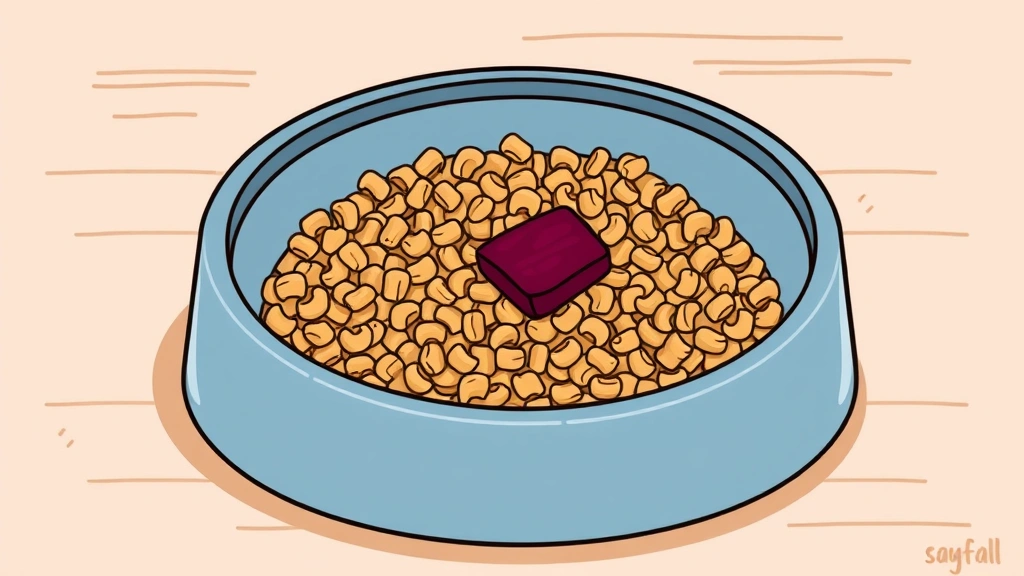
- Mix with regular food. Don’t serve beets as a standalone treat. Mix them into your dog’s regular kibble or meal so they’re not the focal point.
- Monitor stool consistency. This is your best indicator of how well your dog is tolerating beets. If stools become loose or hard, reduce frequency or stop.
- Stay consistent. If you’re offering beets weekly, keep it to the same day and amount. Consistency helps you spot any patterns or issues.
- Avoid beet juice. While a tiny taste of fresh beet juice is probably fine, don’t make it a habit. Juice concentrates the sugars and removes the fiber, making it less balanced nutritionally.
Think of beets as a supplement to a complete diet, not a replacement for quality dog food. Your dog’s main nutrition should come from a balanced commercial diet formulated to meet AAFCO (Association of American Feed Control Officials) standards.
Other Dog-Friendly Vegetables Similar to Beets
If you’re exploring vegetable options for your dog, you’re not limited to beets. There are plenty of safe, nutritious alternatives that offer similar or complementary benefits.
Carrots: Lower in sugar than beets, carrots are excellent for dental health and packed with beta-carotene. They’re also safer for dogs prone to digestive issues. Raw or cooked both work, though raw is better for teeth.
Pumpkin: Higher in fiber than beets and great for digestive health. Plain pumpkin puree (not pie filling) can help with both diarrhea and constipation. Many dogs love the taste too.
Sweet potatoes: More nutrient-dense than regular potatoes and naturally sweet. Always cook and peel them. Great for skin and coat health.
Collard greens: Like beet greens but with lower oxalate content. Collard greens are packed with vitamins and minerals. Chop finely and offer occasionally.
Celery: Low-calorie and refreshing. Raw celery can help clean teeth, though it’s best cut into small pieces to prevent choking.
Green beans: Low in calories, high in fiber and vitamins. Fresh, frozen, or lightly cooked all work. One of the safest vegetable options.
Brown rice: While technically a grain, not a vegetable, brown rice is a great carbohydrate source and often recommended for dogs with digestive upset. Always cook thoroughly.
The key is variety. Rotating between different vegetables ensures your dog gets a broader spectrum of nutrients and prevents boredom. It also reduces the risk of any single compound accumulating to problematic levels.
Frequently Asked Questions
Can dogs eat raw beets?
– Yes, but cooked is better. Raw beets are harder to digest and pose a greater choking risk. If you do offer raw beets, peel and cut them into very small pieces, and supervise closely. Most vets recommend cooking beets for dogs to maximize digestibility and safety.
How much beet can I give my dog?
– Follow the 10% rule for treats. A small dog gets a pea-sized piece once or twice weekly. Medium dogs get a marble-sized piece once to three times weekly. Large dogs get a grape-sized piece up to three times weekly. These are guidelines, not minimums—smaller portions are always safer when starting out.
Will beets cause my dog’s poop to turn red?
– Yes, and this is completely normal. Beet pigments are not digested and will color your dog’s stool red or dark pink within 12-24 hours. This is harmless and will resolve within 48 hours of the last beet. It’s not blood, so don’t panic.
Can puppies eat beets?
– Yes, but be extra cautious. Puppies have developing digestive systems and are more prone to upset. Start with an even tinier portion (pea-sized) and wait longer before increasing. Puppies should get most of their nutrition from puppy food formulated for their growth needs.
Are beet greens safe for dogs?
– Yes, in small amounts. Beet greens are nutritious but contain oxalates that can interfere with calcium absorption. Chop finely and offer occasionally (once or twice per month), not regularly. Don’t make them a staple.
Can dogs with diabetes eat beets?
– Beets contain natural sugars, so diabetic dogs should have them rarely and in very small portions. Always consult your vet before offering beets to a diabetic dog. Your vet may recommend lower-sugar alternatives like green beans or carrots instead.
What if my dog vomits after eating beets?
– Stop offering beets immediately. Vomiting suggests your dog’s digestive system isn’t tolerating them well. If vomiting continues or is accompanied by other symptoms, contact your vet. Some dogs simply don’t tolerate vegetables well, and that’s okay—stick to their regular food.
Can I give my dog beet juice?
– Not regularly. Beet juice concentrates the sugars and removes the fiber, making it less balanced nutritionally. A tiny taste (like a teaspoon) is probably fine, but don’t make it a habit. Whole beets are always better than juice.
Do beets help with dog breath?
– Not directly. While beets contain compounds that support oral health in humans, there’s no strong evidence they improve dog breath. If your dog has persistent bad breath, it’s usually a sign of dental disease or other health issues—see your vet.
Can I feed my dog canned or pickled beets?
– No. Canned beets often contain added sugars and sodium. Pickled beets have vinegar and excess salt that aren’t appropriate for dogs. Always use fresh or frozen beets you cook yourself with no added ingredients.
What should I do if my dog eats a large amount of beets?
– Don’t panic. A large amount of beets isn’t toxic and likely won’t cause an emergency. However, your dog might experience digestive upset—diarrhea or constipation—within 24-48 hours. Monitor stool consistency and contact your vet if your dog seems uncomfortable or symptoms persist beyond 48 hours. If your dog is vomiting or acting lethargic, call your vet immediately.
Are there any dog breeds that shouldn’t eat beets?
– Not breed-specific, but individual health conditions matter more. Dogs with kidney disease, diabetes, or digestive sensitivities should avoid or minimize beets. Small breeds and dogs prone to choking should have extra-small portions. Always consider your individual dog’s health history.
How do I know if my dog likes beets?
– Offer a small piece and observe. Some dogs love them; others ignore them. If your dog doesn’t show interest, don’t force it. There are plenty of other vegetables to try. Not every dog needs to eat every food.
Final thought: Asking can dogs eat beets shows you care about your dog’s nutrition and safety. The answer is yes, but with important caveats about portion size, preparation, and individual health considerations. Beets can be a nice occasional addition to your dog’s diet, but they’re not necessary for a healthy, happy dog. When in doubt, stick with your vet’s recommendations and your dog’s regular, complete diet. Your dog will thrive either way.





