

Are Blackberries Safe for Dogs? Vet Insights
If you’ve ever caught your furry friend eyeing your blackberry smoothie or noticed them munching on wild berries during a walk, you’ve probably wondered: are blackberries safe for dogs? The good news is that blackberries are generally safe for dogs to eat in moderation, making them a nutritious treat option for many pet owners. Unlike some fruits that pose serious risks, blackberries contain beneficial compounds and few toxic concerns for canine companions.
However, like all treats, there are important guidelines to follow. Understanding the nutritional benefits, potential risks, and proper serving sizes will help you make informed decisions about incorporating blackberries into your dog’s diet. This comprehensive guide breaks down everything veterinarians recommend about feeding blackberries to your beloved pet.
Are Blackberries Safe for Dogs?
Yes, blackberries are safe for dogs when offered appropriately. According to the American Kennel Club, blackberries are non-toxic and can be a healthy occasional treat. They don’t contain any compounds that are inherently poisonous to canines, unlike grapes or raisins, which pose serious toxicity risks.
The key to safe blackberry consumption lies in moderation and proper preparation. Most veterinarians agree that blackberries should comprise no more than 10% of your dog’s daily caloric intake, consistent with treat guidelines for all foods outside their regular diet. Fresh, whole blackberries are the safest option, though frozen blackberries can also work well for dogs who enjoy cold treats.
Dogs of different sizes have different capacity for treats. A small Chihuahua might safely enjoy 2-3 blackberries, while a larger Golden Retriever could handle a small handful. Always introduce new foods gradually and monitor your dog’s response before making them a regular addition to treat rotation.
Nutritional Benefits of Blackberries
Blackberries pack impressive nutritional value into their small packages, offering several compounds that support canine health:
- Antioxidants: Blackberries contain anthocyanins and other polyphenols that help combat free radicals and support cellular health
- Fiber: The natural fiber content aids digestive function and can help regulate bowel movements in dogs
- Vitamin C: This immune-supporting vitamin helps maintain healthy skin and coat
- Vitamin K: Essential for blood clotting and bone metabolism
- Manganese: Supports bone development and metabolic function
- Low Sugar: Compared to many fruits, blackberries contain relatively modest sugar levels
The antioxidant profile of blackberries is particularly noteworthy for aging dogs. Research published in veterinary nutrition journals suggests that antioxidant-rich foods may support cognitive function and reduce inflammation in senior dogs. However, blackberries should never replace veterinary-recommended supplements or medications for specific health conditions.
Interestingly, the fiber content in blackberries can be beneficial for dogs with certain digestive issues, though this should be discussed with your veterinarian. The seeds within blackberries are completely digestible and safe, unlike some other berry seeds.

How to Serve Blackberries Safely
Proper preparation and serving methods ensure your dog gets maximum benefit from blackberries while minimizing any potential issues:
- Wash thoroughly: Rinse blackberries under running water to remove pesticides, dirt, and bacteria that could harm your dog
- Serve whole or mashed: Whole blackberries work best for most dogs, though mashing them can help with smaller breeds or senior dogs with dental issues
- Remove any stems or leaves: While not toxic, stems and leaves provide no nutritional value and can be choking hazards
- Freeze for variety: Many dogs enjoy frozen blackberries as a refreshing treat, especially on warm days
- Mix into meals: Blackberries can be mixed into your dog’s regular kibble or wet food for added nutrition
- Use as training rewards: Blackberries make excellent, low-calorie training treats for positive reinforcement
Organic blackberries are preferable when possible, as they minimize pesticide exposure. However, conventionally grown blackberries that are properly washed are also acceptable. Never serve blackberries that show signs of mold or decay, as these can cause digestive upset.
For dogs with sensitive stomachs, introducing blackberries gradually over several days allows their digestive system to adjust. Start with just one or two berries and observe for any adverse reactions before increasing the quantity.
Potential Risks and Concerns
While blackberries are generally safe, certain situations warrant caution:
Choking Hazard: For small breeds or dogs who gulp food without chewing, whole blackberries could present a minor choking risk. Mashing or cutting them into smaller pieces eliminates this concern entirely.
Digestive Upset: Introducing too many blackberries at once can cause loose stools or diarrhea due to their fiber content. This is typically mild and resolves quickly, but prevention through gradual introduction is ideal.
Allergic Reactions: Though rare, some dogs may have allergies to berries. Watch for itching, hives, or facial swelling after consumption and contact your veterinarian if these occur.
Sugar Content: While blackberries are relatively low in sugar, dogs with diabetes should have their blackberry intake monitored and approved by their veterinarian. High-sugar fruits like grapes present greater concerns than blackberries.
Seed Impaction: In extremely rare cases, the accumulation of seeds could theoretically cause issues, but this would require consumption of enormous quantities. Normal blackberry treats pose no realistic risk.
The ASPCA Animal Poison Control Center does not list blackberries as a concern, reinforcing their safety profile for canine consumption.
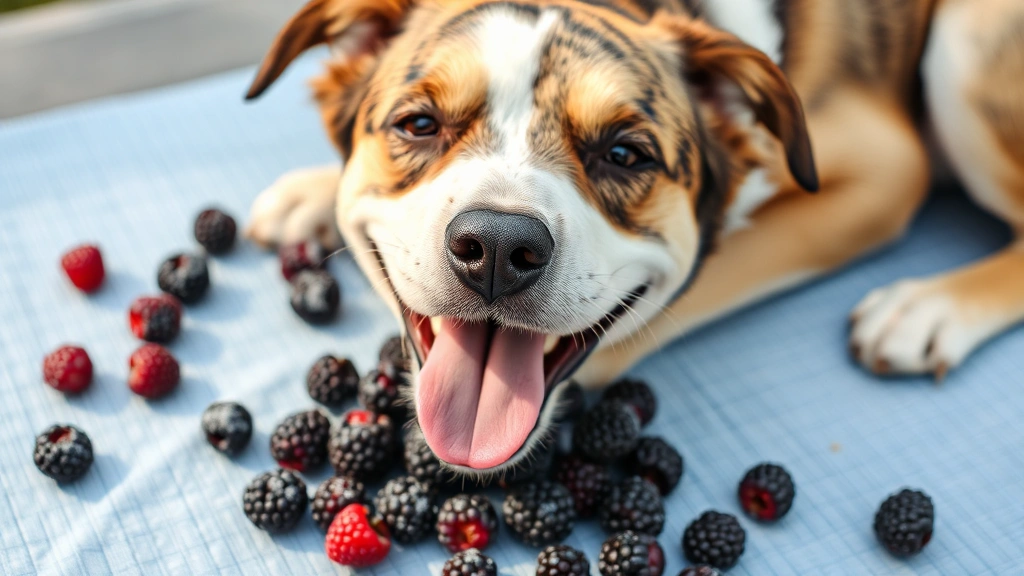
Blackberries vs Other Safe Fruits
Understanding how blackberries compare to other dog-friendly fruits helps you diversify your dog’s treat options. Like carrots and broccoli, blackberries are nutritious vegetable and fruit alternatives to traditional dog treats. When comparing to other berries and fruits:
Blueberries: Slightly higher in antioxidants but similar safety profile. Both are excellent choices for rotation.
Strawberries: Higher in vitamin C but contain more sugar. Blackberries are a better choice for weight-conscious dogs.
Raspberries: Comparable nutrition, but raspberries contain small amounts of xylitol in some varieties, making blackberries the safer choice.
Apples: Good treat but require seed removal (seeds contain cyanogenic compounds). Blackberries require no preparation beyond washing.
Watermelon: Higher water content makes it hydrating but lower in nutrients compared to blackberries.
You can also explore other healthy options like corn and cheese to create diverse treat rotations that keep your dog interested while maintaining nutritional balance.
Signs of Digestive Issues
Most dogs tolerate blackberries beautifully, but it’s important to recognize signs that your dog might be having trouble:
- Loose stools or diarrhea occurring within hours of consumption
- Vomiting or regurgitation
- Excessive gas or bloating
- Loss of appetite
- Lethargy or unusual behavior
- Abdominal discomfort or whining
Mild digestive upset typically resolves within 24 hours without intervention. Ensure your dog has access to fresh water and monitor their condition. If symptoms persist beyond a day or worsen, contact your veterinarian. These signs could indicate either sensitivity to blackberries specifically or an underlying digestive condition that warrants professional evaluation.
Some dogs experience temporary loose stools when introduced to any new food due to dietary changes. This doesn’t necessarily indicate an allergy or intolerance—it often simply means the digestive system needs time to adapt. Gradual introduction prevents most of these reactions.
Age and Health Considerations
Different life stages and health conditions require individualized approaches to blackberry treats:
Puppies: Young puppies can enjoy blackberries once they’re eating solid food, typically around 4-6 weeks. Start with very small portions to ensure their developing digestive systems handle them well. Blackberries can be mashed for younger puppies.
Adult Dogs: Healthy adult dogs have the most flexibility with blackberries and can enjoy them regularly as part of a balanced treat routine.
Senior Dogs: Older dogs often benefit from blackberries’ antioxidants and anti-inflammatory properties. Mashing or cutting them into smaller pieces accommodates dental issues common in senior dogs.
Dogs with Diabetes: While blackberries are lower in sugar than many fruits, diabetic dogs should only consume them under veterinary approval. Their veterinarian can determine appropriate portions based on their specific condition and medications.
Dogs with Kidney Disease: Generally safe, but check with your veterinarian about portion sizes and frequency, as dietary management is crucial for kidney disease.
Overweight Dogs: Blackberries make excellent low-calorie treats for weight management programs. They provide satisfaction and nutrition without excess calories.
Dogs with Pancreatitis: Consult your veterinarian before introducing any new foods, including blackberries, as dietary restrictions are often necessary for this condition.
Your veterinarian at your regular wellness visits can provide personalized recommendations based on your dog’s unique health profile, medications, and dietary needs. When in doubt, always prioritize professional veterinary guidance over general guidelines.
FAQ
Can dogs eat blackberries with seeds?
Yes, blackberry seeds are completely safe and digestible for dogs. The seeds pose no toxicity risk and contain beneficial compounds. Your dog’s digestive system will process them without difficulty.
How many blackberries can I give my dog daily?
For most dogs, 2-10 blackberries depending on size constitute an appropriate daily amount. Keep blackberries to no more than 10% of daily calories. A small dog might enjoy 2-3 berries, while a large dog could have a small handful.
Are frozen blackberries safe for dogs?
Frozen blackberries are perfectly safe and many dogs enjoy them as refreshing treats. Thaw them slightly if your dog has dental sensitivity, or serve them frozen for dogs who don’t mind the cold.
What should I do if my dog eats wild blackberries?
Wild blackberries are safe for dogs to eat. However, ensure they haven’t been treated with pesticides or herbicides. If you’re unsure about chemical exposure, contact your veterinarian. ASPCA resources can help identify safe foraging practices.
Can blackberries cause allergies in dogs?
Allergies to blackberries are rare but possible. Signs include itching, hives, facial swelling, or digestive upset. If you suspect an allergy, discontinue blackberries and consult your veterinarian about allergy testing.
Are blackberry leaves safe for dogs?
While not toxic, blackberry leaves and stems offer no nutritional value and can be choking hazards. Remove them before serving. The leaves are not poisonous, but the fruit is the beneficial part.
Can I give my dog blackberry juice or jam?
Avoid commercial blackberry juices and jams, as they often contain added sugars, artificial sweeteners (potentially including xylitol, which is toxic), and preservatives harmful to dogs. Whole fresh berries are always the best option.
How do blackberries compare to grapes for dogs?
Unlike grapes and raisins, which are toxic to dogs and can cause kidney failure, blackberries are completely safe and nutritious. Never feed grapes to your dog, but blackberries make an excellent alternative.





