
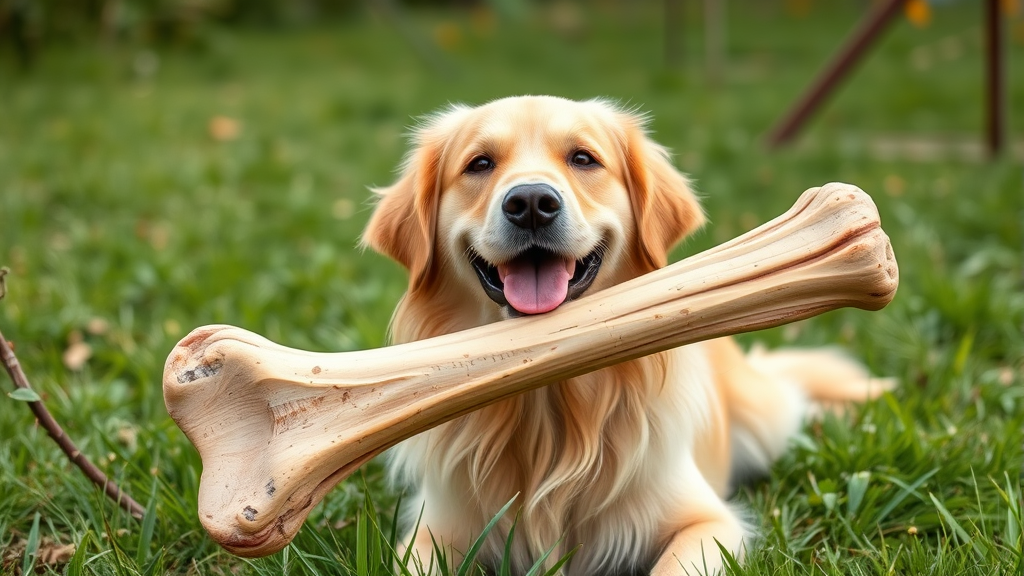
The question of whether dogs can safely eat bones has puzzled pet owners for generations. While the image of a dog happily gnawing on a bone seems natural and wholesome, the reality is far more complex. Understanding bone safety is crucial for every responsible dog owner, as the wrong choice can lead to serious health complications or even emergency veterinary visits.
This comprehensive guide will explore the intricate world of bone safety for dogs, examining which bones are safe, which should be avoided at all costs, and how to provide your canine companion with safe chewing alternatives. From raw versus cooked bones to size considerations and supervision requirements, we’ll cover everything you need to make informed decisions about your dog’s chewing habits.
Types of Bones: Raw vs. Cooked
The fundamental distinction between raw and cooked bones cannot be overstated when considering bone safety for dogs. Raw bones maintain their natural flexibility and moisture content, making them significantly safer than their cooked counterparts. When bones are subjected to heat during cooking, their molecular structure changes dramatically, becoming brittle and prone to splintering.
Raw bones contain natural enzymes and moisture that help maintain their structural integrity. These bones tend to compress and break in larger, more manageable pieces that dogs can handle more safely. Additionally, raw bones provide dental benefits by helping to scrape away plaque and tartar buildup as dogs chew, promoting better oral health.
Cooked bones, regardless of the cooking method used, pose significant dangers to dogs. The cooking process removes moisture and breaks down the bone’s natural flexibility, creating sharp, brittle fragments that can cause severe internal injuries. According to the FDA, cooked bones are responsible for numerous emergency veterinary visits each year due to choking, intestinal blockages, and internal lacerations.

Safe Bone Options for Dogs
When selecting appropriate bones for your dog, raw bones from reputable sources offer the safest option. Large, raw beef bones, particularly knuckle bones and marrow bones, provide excellent chewing opportunities for medium to large dogs. These bones are typically too large to swallow whole and maintain their structural integrity during chewing sessions.
Raw chicken necks and wings can be appropriate for smaller dogs when properly sized and supervised. These softer bones provide nutritional benefits and are generally digestible when consumed raw. However, it’s crucial to ensure these bones are fresh and sourced from reliable suppliers to minimize bacterial contamination risks.
Lamb bones, particularly shoulder bones and shanks, offer another safe raw option for dogs. These bones are typically softer than beef bones while still providing adequate chewing resistance. The American Veterinary Medical Association emphasizes the importance of proper handling and storage of raw bones to prevent bacterial growth and contamination.
When introducing bones to your dog’s diet, start with shorter supervised sessions to observe how your pet handles the bone. Some dogs are aggressive chewers who may break down bones too quickly, while others are more methodical in their approach. Understanding your dog’s chewing style is essential for selecting appropriate bone types and sizes.
Bones to Avoid at All Costs
Certain bones pose unacceptable risks to dogs and should never be offered under any circumstances. Cooked chicken bones top the list of dangerous options, as they splinter easily and can cause choking, intestinal punctures, or blockages. Many pet owners don’t realize that can dogs eat chicken bones is a question with a definitive answer: only raw chicken bones are potentially safe, and only for appropriate-sized dogs.
Pork bones, whether cooked or raw, present significant dangers due to their tendency to splinter and their high fat content, which can trigger pancreatitis in sensitive dogs. The dense nature of pork bones also makes them more likely to cause dental damage, including fractured teeth that require expensive veterinary treatment.
Fish bones, regardless of size, should always be avoided. These bones are extremely sharp and brittle, capable of causing severe internal injuries even in small quantities. Unlike other bones that may cause blockages, fish bones can puncture the digestive tract, leading to life-threatening internal bleeding.
Turkey bones, particularly those from holiday meals, pose similar risks to chicken bones but are often larger and more tempting to dogs. The ASPCA warns that turkey bones from cooked birds are especially dangerous due to their size and the likelihood of splintering.
Size and Breed Considerations
Selecting appropriate bone sizes based on your dog’s breed, size, and chewing habits is crucial for safety. Large breed dogs require substantial bones that cannot be swallowed whole, while small breeds need proportionally smaller options that won’t overwhelm their jaw capacity or digestive systems.
For toy breeds weighing under 10 pounds, even small raw bones can pose choking hazards. These dogs often benefit more from bone alternatives specifically designed for their size. Medium breeds, typically weighing 25-60 pounds, can handle medium-sized raw bones like beef ribs or lamb shanks when properly supervised.
Large and giant breeds, weighing over 60 pounds, can safely enjoy larger bones such as beef femur bones or knuckle bones. However, even these substantial dogs require supervision, as powerful jaws can break down bones more quickly than expected. The American Kennel Club recommends choosing bones that are larger than your dog’s mouth to prevent swallowing attempts.
Age considerations also play a vital role in bone safety. Puppies with developing teeth and senior dogs with potentially weakened dental structures may not be suitable candidates for hard bones. Puppies under six months should generally avoid bones altogether, while senior dogs may benefit from softer alternatives that still provide chewing satisfaction.
Supervision and Safety Measures
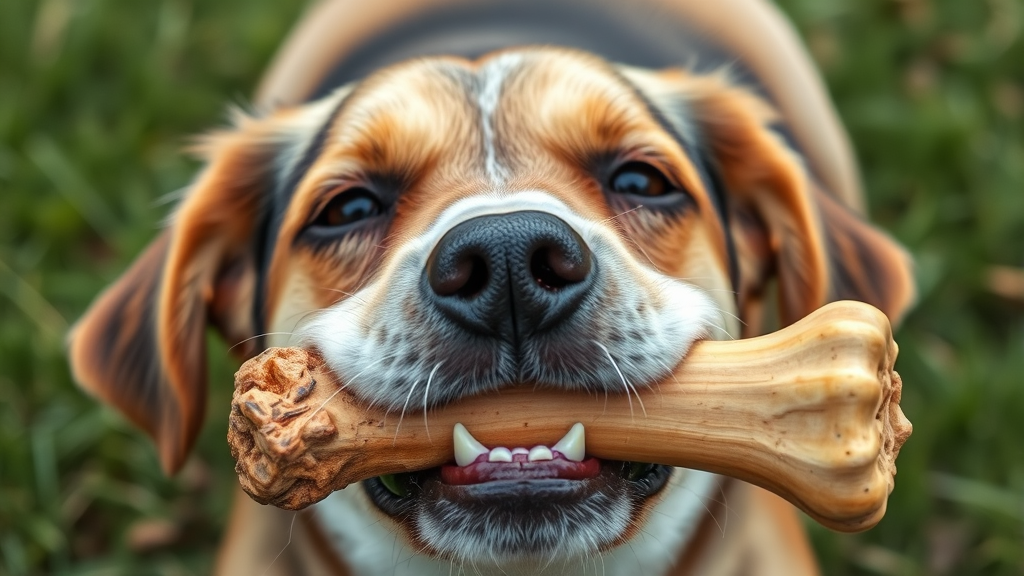
Proper supervision during bone-chewing sessions is non-negotiable for maintaining your dog’s safety. Never leave a dog unattended with a bone, as situations can change rapidly from safe chewing to potential emergencies. Establish a designated area for bone chewing where you can easily monitor your pet’s progress and intervene if necessary.
Time limits for bone-chewing sessions help prevent overconsumption and reduce the risk of digestive upset. Most veterinarians recommend limiting bone-chewing sessions to 15-30 minutes, depending on the dog’s size and the bone type. Remove bones when they become small enough to swallow whole or when sharp edges develop.
Environmental factors also influence bone safety. Provide bone-chewing opportunities in quiet areas where your dog won’t feel rushed or competitive. Multi-dog households require special attention, as resource guarding behaviors can lead to hasty consumption and increased choking risks.
Storage and handling of raw bones require careful attention to food safety principles. Keep raw bones refrigerated and use them within 2-3 days of purchase. Wash hands thoroughly after handling raw bones, and clean all surfaces that come into contact with the bones to prevent bacterial contamination.
Safe Alternatives to Real Bones
For pet owners seeking safer alternatives to real bones, numerous commercial options provide similar benefits without the associated risks. Understanding whether is rawhide bad for dogs helps inform decisions about traditional chew alternatives, while exploring options like are bully sticks safe for dogs provides insight into popular alternatives.
Dental chews specifically designed for dogs offer excellent alternatives that promote oral health while satisfying chewing instincts. These products are formulated to be digestible while providing appropriate resistance for dental cleaning. Look for products approved by the Veterinary Oral Health Council for maximum effectiveness.
Natural alternatives like antlers, when properly sized and sourced, can provide long-lasting chewing satisfaction. However, antlers require the same size considerations as bones and should be removed when they become small enough to swallow. Some dogs find antlers too hard, potentially causing dental damage, so monitor your pet’s response carefully.
Frozen treats and puzzle toys filled with appropriate foods can redirect chewing behaviors while providing mental stimulation. Consider freezing dog-safe broths or incorporating healthy treats like those discussed in articles about can dogs eat sardines or exploring whether are sardines good for dogs for homemade frozen alternatives.
Rope toys and rubber chew toys designed for heavy chewers provide safe outlets for persistent chewing behaviors. Choose products from reputable manufacturers that test for safety and durability. Replace worn toys promptly to prevent ingestion of small pieces that could cause intestinal blockages.
Emergency Signs and What to Do
Recognizing emergency signs related to bone consumption can mean the difference between a minor incident and a life-threatening situation. Immediate veterinary attention is required if your dog shows signs of choking, including pawing at the mouth, excessive drooling, difficulty breathing, or blue-tinged gums.
Gastrointestinal distress following bone consumption may indicate internal injuries or blockages. Watch for symptoms including persistent vomiting, inability to defecate, loss of appetite, lethargy, or signs of abdominal pain such as hunching or reluctance to move. These symptoms can develop hours or even days after bone consumption.
Dental emergencies can also result from inappropriate bone choices. Fractured teeth, bleeding gums, or obvious oral pain require prompt veterinary evaluation. The American Veterinary Dental College emphasizes that dental injuries can lead to serious infections if left untreated.
If you suspect your dog has consumed dangerous bone fragments, contact your veterinarian immediately, even if symptoms haven’t yet appeared. Time is crucial in preventing serious complications, and early intervention often results in better outcomes. Never attempt to induce vomiting unless specifically instructed by a veterinary professional, as this can cause additional injury with sharp bone fragments.
Keep your veterinarian’s emergency contact information readily available, along with the number for the nearest 24-hour emergency clinic. When calling for help, provide specific information about the type and amount of bone consumed, when consumption occurred, and any symptoms observed.
Frequently Asked Questions
Can puppies safely eat bones?
Puppies under six months should generally avoid bones altogether due to their developing digestive systems and softer teeth. Once puppies reach six months and have their adult teeth, appropriately sized raw bones may be introduced under strict supervision. Always consult your veterinarian before introducing bones to a puppy’s diet, as individual development varies significantly.
How long can I let my dog chew on a bone?
Limit bone-chewing sessions to 15-30 minutes depending on your dog’s size and chewing intensity. Remove bones when they become small enough to swallow whole, develop sharp edges, or when your dog shows signs of digestive upset. Never leave dogs unattended with bones, and always supervise the entire chewing session.
What should I do if my dog swallows a large piece of bone?
Contact your veterinarian immediately if your dog swallows a large bone fragment. Do not attempt to induce vomiting unless specifically instructed by a veterinary professional. Monitor your dog closely for signs of choking, difficulty breathing, vomiting, or changes in behavior, and seek emergency care if any concerning symptoms develop.
Are store-bought bones safer than bones from my kitchen?
Store-bought raw bones from reputable pet retailers are often safer than kitchen scraps because they’re specifically selected and prepared for pet consumption. Avoid giving dogs bones from your meals, especially cooked bones, as these pose significant splintering risks. When purchasing bones, choose fresh products from trusted sources and follow proper storage guidelines.
Can small dogs ever safely eat bones?
Small dogs can potentially enjoy appropriately sized raw bones under careful supervision, but the margin for error is much smaller than with larger breeds. Bones must be proportional to the dog’s mouth size and chewing capability. Many veterinarians recommend bone alternatives for small breeds due to the increased risk of choking and intestinal blockages.
How do I know if a bone is too hard for my dog?
If you can’t easily make an impression on the bone with your thumbnail, it may be too hard for your dog. Extremely hard bones can cause dental fractures, especially in aggressive chewers. Watch for signs of dental discomfort during or after chewing sessions, including pawing at the mouth, difficulty eating, or obvious oral pain.
What’s the difference between recreational and nutritional bones?
Recreational bones are large, raw bones meant for chewing exercise and dental health rather than consumption. Examples include large beef knuckle bones or marrow bones. Nutritional bones are smaller, softer bones that dogs can consume entirely, such as raw chicken necks. Both serve different purposes and require different safety considerations and supervision levels.





