
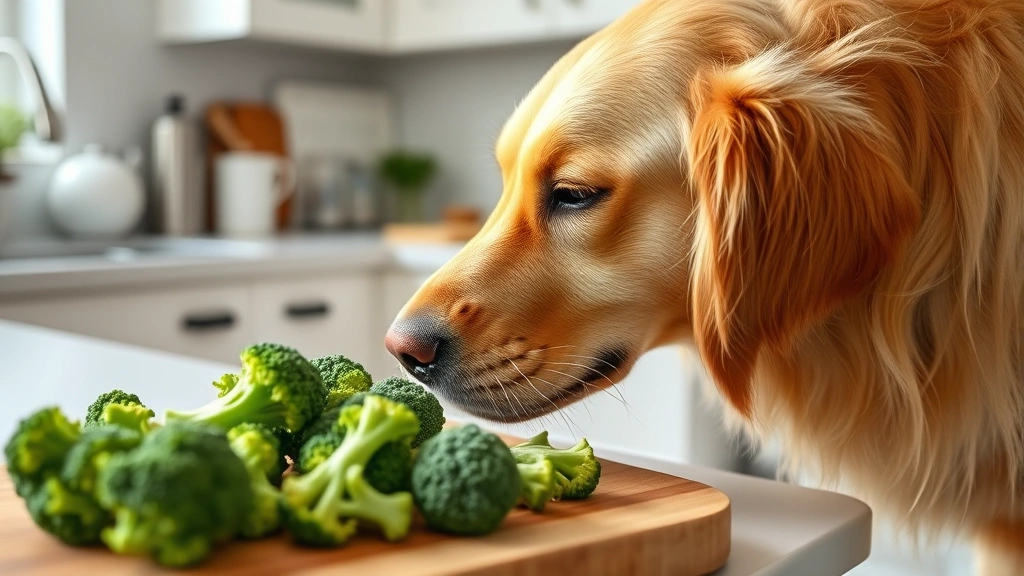
Can Dogs Eat Broccoli and Cauliflower? Safe or Not?
If you’re like most dog parents, you’ve probably wondered whether those leftover veggies from dinner are safe to share with your furry best friend. The kitchen floor is basically their favorite restaurant, right? So when you’re prepping a stir-fry or roasting vegetables, it’s natural to ask: can dogs eat broccoli and cauliflower? The short answer is yes—but there are definitely some important caveats you need to know about.
Broccoli and cauliflower are both nutrient-dense vegetables that can offer some genuine health benefits to your pup when served correctly. However, these cruciferous vegetables aren’t a free-for-all snack, and portion control is absolutely crucial. We’re talking about a vegetable that can actually cause some digestive upset if your dog goes overboard with it.
In this comprehensive guide, we’ll break down everything you need to know about feeding broccoli and cauliflower to your canine companion. Whether you’re thinking about adding these veggies to their regular diet or just want to know if it’s okay to toss them a piece under the table, we’ve got all the answers you need.
Broccoli Basics: Is It Safe?
Let’s address the elephant in the room: yes, dogs can absolutely eat broccoli. According to the American Kennel Club, broccoli is technically safe for canine consumption and isn’t toxic to dogs in any way. However, the operative word here is “technically.” Just because something is safe doesn’t mean your dog should be munching on it like it’s their primary food group.
When we talk about can dogs eat broccoli, we’re really discussing the importance of moderation. Broccoli contains compounds called isothiocyanates, which give the vegetable its distinctive flavor and many of its health-promoting properties. But here’s where it gets tricky: in large quantities, these compounds can irritate your dog’s digestive system and cause gastrointestinal upset.
The florets are the part most dogs will encounter, and they’re generally safe when given in appropriate amounts. The stems are also edible for dogs, though they’re tougher and might be a choking hazard for smaller breeds if not cut into manageable pieces. Some veterinarians suggest that broccoli should make up no more than 10% of your dog’s daily caloric intake to be safe.
One interesting thing to note: broccoli can actually be beneficial for your dog’s health when served properly. It’s low in calories, high in fiber, and contains vitamin C and potassium. Many pet owners have found that can dogs eat raw broccoli as a crunchy, low-calorie treat is perfect for weight management.
Cauliflower Safety for Dogs
Now, let’s talk about cauliflower—broccoli’s mild-mannered cousin that many dogs seem to prefer. Can dogs eat cauliflower? The answer is a resounding yes, and many veterinarians consider it slightly safer than broccoli for most dogs.
Cauliflower is less likely to cause digestive issues because it contains lower concentrations of those isothiocyanates we mentioned earlier. This makes it a potentially better option for dogs with sensitive stomachs or those prone to digestive upset. It’s still packed with nutrients like vitamin K, vitamin C, and antioxidants, making it a nutritious addition to your dog’s diet when given appropriately.
The creamy, softer texture of cauliflower also makes it less of a choking hazard compared to broccoli’s harder florets. For senior dogs or puppies who might have dental issues, cauliflower can be an excellent choice. You can even steam it until it’s soft and mashable for older pups who need something easier to chew.
Like broccoli, cauliflower should be given in moderation and without any added seasonings, butter, or sauces. Plain, cooked cauliflower is your safest bet, though some dogs do enjoy it raw as well.

Nutritional Benefits of Both Vegetables
Both broccoli and cauliflower bring some legitimate nutritional value to your dog’s plate. Let’s break down what makes these vegetables worth considering as part of your pup’s diet:
Broccoli offers:
- High fiber content for digestive health
- Vitamin C for immune system support
- Vitamin K for bone health and blood clotting
- Potassium for heart and muscle function
- Low calorie content (perfect for weight management)
- Antioxidants that may help reduce inflammation
Cauliflower provides:
- Choline for brain development and function
- Vitamin K for bone strength
- Folate for cell division and DNA synthesis
- Antioxidants including quercetin and kaempferol
- Very low calorie density (great for treating overweight dogs)
- Easier digestibility compared to broccoli
The research from veterinary nutritionists suggests that these vegetables can be excellent low-calorie training treats or meal toppers for dogs on weight management programs. Many veterinarians recommend them as healthier alternatives to commercial treats loaded with artificial ingredients and excess calories.
It’s worth noting that while these vegetables are nutritious, they shouldn’t replace your dog’s complete and balanced commercial or home-prepared diet. Dogs are primarily carnivorous animals, and vegetables should supplement their protein-rich meals, not dominate them.
Portion Guidelines and Serving Size
Here’s where the rubber meets the road: how much broccoli and cauliflower is actually safe for your dog? This is the question that separates responsible pet owners from those who accidentally make their pups sick.
The general rule of thumb is that treats (including vegetables) should constitute no more than 10% of your dog’s daily caloric intake. The remaining 90% should come from their regular, complete and balanced diet. For a typical 50-pound dog consuming roughly 1,000 calories per day, this means vegetable treats should clock in at around 100 calories or less.
Portion guidelines by dog size:
- Small dogs (under 20 lbs): A few small florets or 1-2 tablespoons of chopped cauliflower, 2-3 times per week
- Medium dogs (20-50 lbs): A small handful of broccoli florets or ¼ cup cauliflower, 2-3 times per week
- Large dogs (50+ lbs): A larger handful of florets or ½ cup cauliflower, 2-3 times per week
Start with smaller portions when introducing these vegetables to your dog’s diet. Every dog’s digestive system is different, and you’ll want to monitor for any signs of gas, bloating, or loose stools. If your pup tolerates it well, you can gradually increase the portion size up to the guidelines above.
Some dogs are more sensitive than others, so what works for your neighbor’s golden retriever might not work for your poodle. Individual tolerance varies based on breed, age, overall health, and existing digestive sensitivities.

How to Prepare Broccoli and Cauliflower
Preparation is absolutely critical when it comes to serving these vegetables safely to your canine companion. The way you prepare broccoli and cauliflower can make the difference between a healthy snack and a digestive disaster.
Raw preparation:
Raw broccoli and cauliflower are safe for dogs, and many pups actually prefer the crunchy texture. If you’re serving raw vegetables, make sure to cut them into appropriately sized pieces to prevent choking hazards. For small dogs, aim for pieces no larger than a pea. For larger dogs, you can go a bit bigger, but nothing larger than the size of a grape.
Raw vegetables also retain all their nutrients and require zero preparation time, making them convenient for busy pet parents. Some dogs actually find the crunch quite satisfying, almost like a natural toothbrush for their teeth.
Cooked preparation:
Steaming or boiling broccoli and cauliflower makes them softer and potentially easier to digest, especially for dogs with sensitive stomachs. Steam them until they’re tender but not mushy—usually about 5-10 minutes depending on the size of the florets. Steaming is preferable to boiling because it retains more nutrients that might leach into the water.
Cooked vegetables are particularly good for senior dogs or puppies who might struggle with raw vegetables. You can even mash steamed cauliflower and mix it into their regular kibble as a nutritious topper.
What to absolutely avoid:
- Never serve broccoli or cauliflower with garlic or onions (these are toxic to dogs)
- Avoid seasoning with salt, pepper, or other spices
- Don’t use butter, oils, or sauces
- Skip roasted versions if they’ve been cooked with garlic or oil
- Never serve pickled or fermented varieties
Plain, unseasoned vegetables are your only option here. We know it’s tempting to share your roasted veggie side dish, but those seasonings that make it delicious for humans can be harmful to your pup.
Potential Risks and Side Effects
While broccoli and cauliflower are generally safe, they’re not risk-free, especially when given in excessive amounts. Understanding the potential downsides helps you make informed decisions about your dog’s diet.
Digestive upset:
The most common side effect of excessive broccoli or cauliflower consumption is digestive upset. Dogs eating too much of these cruciferous vegetables often experience gas, bloating, and loose stools. The high fiber content and isothiocyanates can irritate the digestive tract, particularly in dogs with sensitive stomachs or existing digestive issues.
If your dog suffers from what to feed dog with diarrhea, adding broccoli or cauliflower is definitely not the solution. In fact, these vegetables could make the situation worse, so stick with more easily digestible options during recovery periods.
Choking hazards:
Particularly with broccoli, the firm florets can pose a choking risk if not cut into appropriate sizes. Puppies and small breeds are especially vulnerable, as are dogs who have a tendency to gulp their food without proper chewing.
Nutritional imbalance:
If vegetables start making up too large a portion of your dog’s diet, you risk creating nutritional imbalances. Dogs need adequate protein, fat, and other nutrients that vegetables alone can’t provide. Vegetables should always be supplementary, never primary.
Thyroid concerns:
Some sources suggest that cruciferous vegetables contain compounds called goitrogens that might interfere with thyroid function in very large quantities. While this is generally not a concern with the small portions we’re discussing, it’s worth noting, especially if your dog has pre-existing thyroid issues.
Healthy Vegetable Alternatives
If you want to diversify your dog’s vegetable intake or if your pup doesn’t tolerate broccoli and cauliflower well, there are plenty of other options to explore.
Are carrots good for dogs? Absolutely! Carrots are excellent for dental health and generally well-tolerated by most dogs. They’re naturally sweet, so many pups prefer them to other vegetables.
Can dogs eat pumpkin? Yes, and it’s actually one of the best vegetables you can give your dog. Pumpkin is excellent for digestive health and is often recommended by veterinarians for dogs with constipation or diarrhea.
Other dog-safe vegetables include:
- Green beans (low calorie, well-tolerated)
- Sweet potatoes (nutrient-dense, naturally sweet)
- Spinach (though in moderation due to oxalates)
- Cucumbers (hydrating and low-calorie)
- Zucchini (easy to digest, mild flavor)
- Peas (good protein content)
- Carrots (excellent for dental health)
The ASPCA maintains a comprehensive list of foods that are safe and unsafe for dogs. It’s worth bookmarking their resource for quick reference when you’re unsure about a particular food.
Frequently Asked Questions
Can puppies eat broccoli and cauliflower?
Puppies can eat broccoli and cauliflower, but only in very small amounts and less frequently than adult dogs. Puppies have more delicate digestive systems, and the high fiber content can upset their stomachs more easily. Wait until your puppy is at least 12 weeks old, and start with tiny portions. Consult your veterinarian before introducing any new foods to your puppy’s diet.
What should I do if my dog ate too much broccoli?
If your dog consumed a large amount of broccoli and is showing signs of digestive upset like vomiting, diarrhea, or extreme gas, contact your veterinarian. Most cases of mild digestive upset resolve on their own within 24 hours, but your vet might recommend withholding food for a few hours and then offering bland, easily digestible meals like plain boiled chicken and rice.
Can dogs eat broccoli stems?
Yes, broccoli stems are safe for dogs, though they’re tougher than the florets. Cut them into small, manageable pieces to prevent choking hazards. Some dogs might have trouble digesting the fibrous stems, so monitor your pup closely the first time you offer them.
Is frozen broccoli and cauliflower safe?
Frozen broccoli and cauliflower are perfectly safe for dogs, provided they don’t contain added seasonings or sauces. Many pet owners actually prefer frozen vegetables because they’re convenient and often just as nutritious as fresh. You can thaw them before serving or offer them frozen as a refreshing treat on hot days.
Can dogs with kidney disease eat broccoli and cauliflower?
Dogs with kidney disease should only eat broccoli and cauliflower under veterinary supervision. Depending on the stage of kidney disease, your vet might recommend limiting or avoiding these vegetables. Always consult your veterinarian before making dietary changes for a dog with existing health conditions.
How often can I give my dog broccoli and cauliflower?
Most healthy adult dogs can safely enjoy small portions of broccoli and cauliflower 2-3 times per week. This allows you to provide variety in their diet while minimizing the risk of digestive upset. Some dogs might tolerate daily small portions, but it’s better to err on the side of caution and space them out.
Are there any dogs that shouldn’t eat broccoli or cauliflower?
Dogs with sensitive stomachs, digestive disorders, or existing gastrointestinal issues should avoid or only minimally consume broccoli and cauliflower. Additionally, dogs with thyroid problems should have their vegetable intake monitored by their veterinarian. Senior dogs and puppies should also start with smaller portions. When in doubt, ask your vet!





