

Can Dogs Eat Broccoli?
As a dedicated dog owner, you naturally want to share your healthy eating habits with your furry companion. When you’re preparing meals and notice your dog’s eager eyes watching from across the kitchen, it’s tempting to toss them a piece of whatever you’re cooking. Broccoli, being a nutrient-rich vegetable that many humans enjoy, often becomes the subject of this question: can dogs actually eat it? The answer is nuanced and requires understanding both the benefits and potential risks associated with feeding broccoli to your canine friend.
The good news is that can dogs eat broccoli in moderation, and it can even offer some nutritional benefits. However, like many human foods, there are important guidelines and precautions you should follow to keep your dog safe and healthy. This comprehensive guide will explore everything you need to know about incorporating broccoli into your dog’s diet, including proper portions, preparation methods, and potential health concerns.
According to veterinary experts at the American Kennel Club, broccoli can be a safe treat when given appropriately. Understanding the specifics will help you make informed decisions about your pet’s nutrition and overall wellness.
Table of Contents
- Nutritional Benefits of Broccoli for Dogs
- Safety Concerns and Toxins
- Proper Portion Guidelines
- How to Prepare Broccoli for Dogs
- Alternative Vegetables for Dogs
- Signs Your Dog May Have Problems with Broccoli
- Frequently Asked Questions
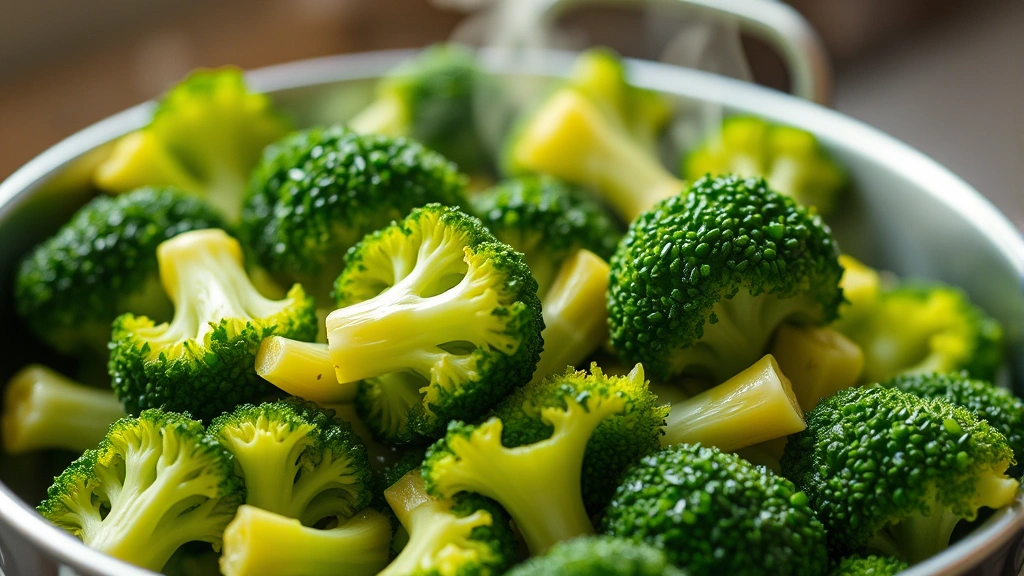
Nutritional Benefits of Broccoli for Dogs
Broccoli is packed with essential vitamins and minerals that can support your dog’s overall health when provided in appropriate amounts. This cruciferous vegetable contains vitamin C, which supports immune function and helps protect cells from oxidative damage. For dogs that may have compromised immune systems or are recovering from illness, the vitamin C content in broccoli can be particularly beneficial.
Additionally, broccoli provides vitamin K, which plays a crucial role in blood clotting and bone metabolism. Dogs that have dietary deficiencies or are in their senior years may benefit from the nutritional support that broccoli offers. The vegetable also contains fiber, which can aid in digestive health and help maintain regular bowel movements, particularly for dogs that struggle with occasional constipation.
Another significant advantage of broccoli is its low calorie content. When you’re looking for low-calorie treat options for weight management, can dogs have broccoli becomes an excellent choice. Many veterinarians recommend broccoli as a healthy snack for overweight dogs that need to lose weight without sacrificing treat satisfaction.
The mineral content in broccoli, including potassium and manganese, also contributes to bone health and metabolic function. These nutrients work together to support your dog’s overall well-being and can complement a balanced commercial dog food diet.
Safety Concerns and Toxins
While broccoli is generally safe for dogs, there are important safety considerations that every dog owner should understand. The primary concern with broccoli relates to a compound called isothiocyanates, which are naturally occurring chemicals found in cruciferous vegetables. In large quantities, these compounds can irritate your dog’s gastrointestinal tract and potentially cause more serious health issues.
According to the Humane Society, broccoli should only comprise a small percentage of your dog’s daily food intake. When consumed in excessive amounts, broccoli can cause gastric upset, including vomiting, diarrhea, and abdominal discomfort. The key to safe broccoli consumption is moderation and proper portion control.
Another consideration is the choking hazard that broccoli can pose, particularly for dogs that don’t chew their food thoroughly or have enthusiastic eating habits. The florets can become lodged in the throat or cause blockages in the digestive tract if consumed in large pieces. Always cut broccoli into appropriately sized pieces for your dog’s size and eating style.
For dogs with existing digestive issues or those prone to inflammatory bowel disease, broccoli may not be the best choice. can dogs have broccoli in these cases should be discussed with your veterinarian before introduction. The sulfur content in broccoli can sometimes exacerbate existing digestive conditions.
Proper Portion Guidelines
The general rule for feeding broccoli to dogs is that it should make up no more than 10% of their daily caloric intake. For most dogs, this translates to small, occasional treats rather than regular meal components. A typical safe serving would be a few small florets, depending on your dog’s size and overall diet.
Small dog breeds (under 10 pounds) should receive only one or two small florets at a time, while medium-sized dogs (10-50 pounds) can safely consume 3-4 small pieces. Large breed dogs (over 50 pounds) might handle up to a small handful of broccoli pieces, but this should still be occasional rather than daily. These portions should not be offered more than once or twice per week.
It’s essential to consider your dog’s overall diet when introducing broccoli. If your dog is already receiving all necessary nutrients from high-quality commercial dog food, broccoli serves purely as an occasional treat. The American Veterinary Medical Association emphasizes that treats should never comprise more than 10% of a dog’s daily caloric intake.
When introducing broccoli for the first time, start with an even smaller portion to monitor how your individual dog responds. Some dogs may have sensitivity to the vegetable even in small amounts, and observing your dog’s reaction over 24-48 hours is prudent before offering it again.
How to Prepare Broccoli for Dogs
The preparation method you choose significantly impacts the safety and nutritional value of broccoli for your dog. The safest and most recommended preparation is plain, steamed broccoli with no added seasonings, oils, or salt. Steaming preserves the nutritional content while making the broccoli softer and easier for your dog to digest and chew.
Raw broccoli can also be offered to dogs and provides the benefit of a satisfying crunch that many dogs enjoy. Raw broccoli requires more thorough chewing, which can help clean your dog’s teeth, though this benefit should be weighed against the increased choking risk for certain dogs. Always ensure raw broccoli is cut into appropriate, non-choking-hazard sizes.
Never prepare broccoli with butter, garlic, onions, or other seasonings commonly used in human cooking. Garlic and onions are toxic to dogs and can cause serious health problems. Similarly, avoid broccoli that has been cooked with salt, oil, or spices, as these additions can upset your dog’s stomach and contribute to obesity or pancreatitis.
For dogs with dental issues or senior dogs with compromised chewing ability, steamed and mashed broccoli can be mixed into their regular food to add nutritional value without creating a choking hazard. You might also consider freezing steamed broccoli pieces to create a refreshing treat on hot days.
When comparing broccoli to similar vegetables, you might wonder if can dogs eat cauliflower using the same preparation methods. The answer is yes, and cauliflower follows similar safety guidelines as broccoli. Both vegetables should be prepared plainly and offered in moderation.
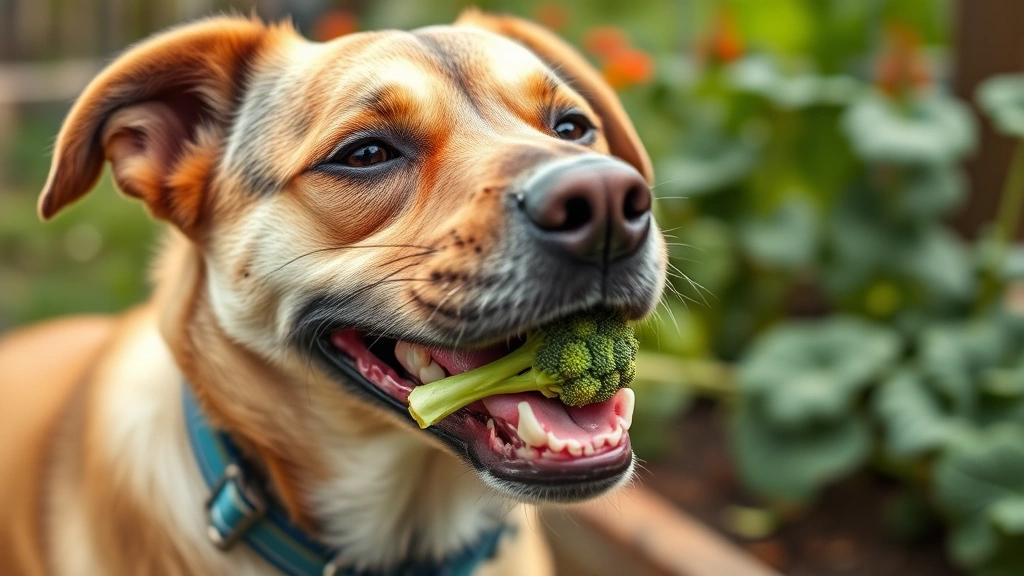
Alternative Vegetables for Dogs
While broccoli can be a nutritious occasional treat, variety in your dog’s diet is beneficial. Several other vegetables offer similar nutritional benefits without some of broccoli’s potential concerns. Carrots are an excellent alternative, offering dental health benefits, natural sweetness, and important vitamins without the digestive irritation potential of broccoli.
Green beans are another safe vegetable option that many dogs enjoy. They’re low in calories, high in fiber, and generally well-tolerated by dogs’ digestive systems. Pumpkin is also a popular choice, particularly for digestive support, and is well-documented as safe for dogs in appropriate quantities.
If you’re interested in other cruciferous vegetables, can dogs eat brussel sprouts is a valid question with a similar answer to broccoli: yes, but in very limited quantities. Brussels sprouts contain the same isothiocyanates as broccoli and should be offered even more sparingly than broccoli florets.
Sweet potatoes are another nutritious option, providing beta-carotene, vitamin C, and beneficial fiber. Unlike broccoli, sweet potatoes are less likely to cause digestive upset and can be offered slightly more frequently. Leafy greens like is spinach good for dogs is another consideration, though spinach should also be offered occasionally due to oxalic acid content.
Other safe vegetable options include zucchini, cucumbers, and asparagus (cut into appropriate sizes). When introducing any new vegetable to your dog’s diet, do so gradually and monitor for adverse reactions. Every dog’s digestive system is unique, and what works well for one dog may not suit another.
Signs Your Dog May Have Problems with Broccoli
After offering your dog broccoli, it’s important to monitor for any signs of digestive distress or adverse reactions. Common signs that your dog may not tolerate broccoli well include vomiting, diarrhea, constipation, or excessive gas. Some dogs may experience abdominal bloating or discomfort, which you might notice through restlessness or reluctance to eat subsequent meals.
If your dog shows any of these symptoms within 24-48 hours of consuming broccoli, it’s best to avoid offering it in the future. Some dogs have particularly sensitive digestive systems and simply cannot tolerate cruciferous vegetables regardless of portion size. This individual variation is completely normal and doesn’t indicate a problem with your dog’s diet overall.
In rare cases, excessive broccoli consumption can lead to thyroid issues, as cruciferous vegetables contain compounds that may interfere with iodine absorption. However, this concern is minimal when broccoli is offered as an occasional treat in appropriate portions. Dogs consuming broccoli as more than 10% of their daily food intake over extended periods are at greater risk.
Another potential issue is choking or intestinal blockage, particularly if large, uncut pieces are consumed. If you notice your dog struggling to swallow, excessive drooling, or signs of choking, seek immediate veterinary care. Additionally, if your dog exhibits lethargy, loss of appetite, or abdominal pain after consuming broccoli, contact your veterinarian promptly.
Frequently Asked Questions
Is raw broccoli safe for dogs to eat?
Yes, raw broccoli is safe for dogs in appropriate portions and sizes. Raw broccoli can provide a satisfying crunch and may offer dental health benefits. However, ensure it’s cut into non-choking-hazard sizes, and introduce it gradually to monitor your dog’s tolerance. Start with very small pieces to ensure your dog chews thoroughly rather than attempting to swallow large chunks.
How much broccoli can I give my dog daily?
Broccoli should not be offered daily but rather as an occasional treat 1-2 times per week at most. When offered, portion sizes should be small—typically 1-4 florets depending on your dog’s size. Remember that treats, including broccoli, should comprise no more than 10% of your dog’s daily caloric intake. For most dogs, this means broccoli is best served as an infrequent, special treat rather than a regular dietary component.
Can broccoli cause toxicity in dogs?
Broccoli is not toxic to dogs in the traditional sense, but it contains compounds called isothiocyanates that can cause gastrointestinal irritation in large quantities. Additionally, the stems and leaves can pose choking hazards. The key is moderation—small, occasional servings prepared plainly are generally safe, but excessive consumption could lead to digestive upset or other health issues. According to PetMD, the safety threshold for broccoli in dogs is well-established when portion sizes are respected.
What’s the best way to prepare broccoli for my dog?
The best preparation method is steamed plain broccoli with no added seasonings, salt, oil, or butter. Steaming makes the vegetable softer and easier to digest while preserving nutritional content. Cut the broccoli into small, appropriately-sized pieces for your dog. Raw broccoli is also acceptable but requires careful monitoring to prevent choking. Never use seasonings like garlic or onion, which are toxic to dogs, and avoid broccoli cooked with excessive salt or oil.
Should I be concerned about broccoli and thyroid function?
This is a legitimate concern in theory, but practically, it’s not a significant issue when broccoli is offered as an occasional treat in proper portions. Cruciferous vegetables contain goitrogens that can interfere with iodine absorption if consumed in very large quantities over extended periods. However, small, infrequent servings of broccoli pose minimal risk to thyroid function in healthy dogs receiving a balanced diet. Dogs with pre-existing thyroid conditions should consult their veterinarian before introduction.
Are there dogs that shouldn’t eat broccoli at all?
Certain dogs should avoid broccoli entirely or only under veterinary supervision. Dogs with inflammatory bowel disease, chronic diarrhea, or other digestive sensitivities may not tolerate broccoli well. Dogs with thyroid disorders should have broccoli consumption approved by their veterinarian first. Additionally, dogs with a history of choking or those prone to intestinal blockages should avoid broccoli due to the choking hazard. Always consult your veterinarian if your dog has any health conditions before introducing new foods.
Can puppies eat broccoli?
Puppies can eat broccoli in very small, carefully monitored amounts, but it’s generally better to wait until puppies are older before introducing it. Puppies have more sensitive digestive systems that are still developing, and broccoli’s potential for digestive upset makes it less ideal for young dogs. Once your puppy reaches 6-12 months of age and has demonstrated good digestive tolerance for other foods, small broccoli pieces can be introduced gradually. Always prioritize high-quality puppy food as the primary nutrition source and keep treats minimal.





