
Can Dogs Eat Burgers? What You Should Know
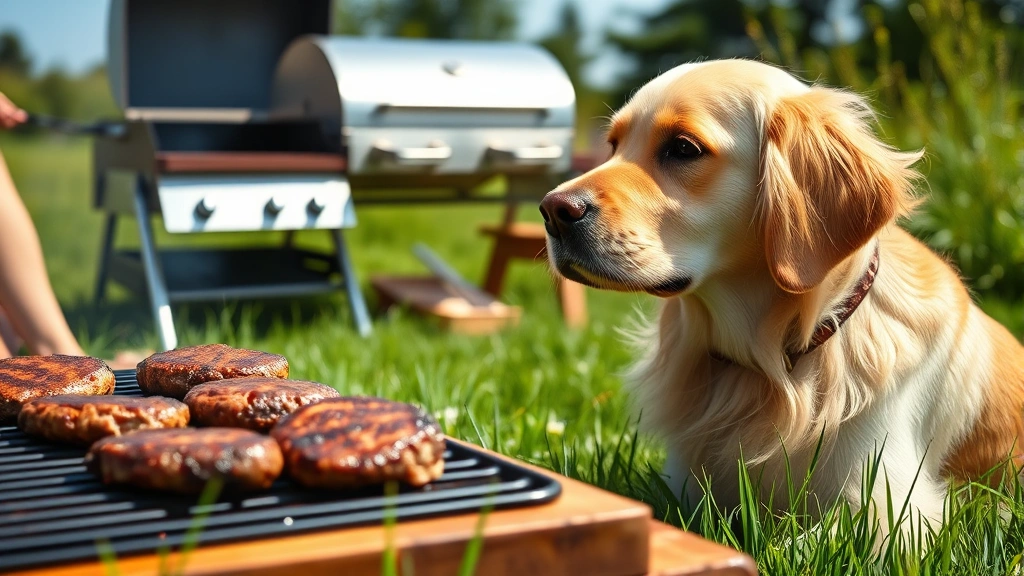
Your pup gives you those irresistible puppy dog eyes as you’re grilling up burgers for the family barbecue. Before you cave and toss Fido a patty, let’s talk about whether burgers are actually safe for dogs to eat. The short answer? It’s complicated, and it depends on what’s in that burger and how it’s prepared.
Burgers are a quintessential American favorite, but they’re not exactly designed with canine nutritional needs in mind. While some burger components might be dog-friendly in moderation, others can pose serious health risks to your furry best friend. Understanding what makes a burger potentially dangerous—and what makes it occasionally acceptable—can help you make informed decisions about treating your pup.
In this comprehensive guide, we’ll break down everything you need to know about dogs and burgers, from the beef itself to the toppings that could cause problems. Let’s dig in and find out how to keep your four-legged friend happy and healthy at your next cookout.
The Beef: The Main Event
Let’s start with the foundation of any burger: the beef patty. Dogs are omnivores with a strong carnivorous heritage, so lean meat is generally beneficial for them. Ground beef itself isn’t toxic to dogs, and in fact, it’s a common ingredient in many commercial dog foods. The protein content supports muscle development, and the nutrients in beef can contribute to a healthy coat and strong bones.
However, the beef in your burger often isn’t just plain ground meat. Most burger patties contain added salt, seasonings, and sometimes fillers that make them less than ideal for your pup. Additionally, the cooking method matters significantly. Beef that’s been grilled or cooked without added oils and seasonings is far safer than a burger loaded with garlic, onions, and excessive salt.
When considering whether your dog can have burger beef, think about how it’s prepared. Plain, unseasoned ground beef that’s been cooked thoroughly is the safest option. Avoid rare or undercooked beef, as it can contain harmful bacteria like E. coli and salmonella that are particularly dangerous for dogs with compromised immune systems.

Breaking Down Burger Components
A burger is more than just meat—it’s an entire ecosystem of ingredients. Each component plays a role in determining whether that burger is safe for your dog. Let’s examine each part of the typical burger construction.
The Bun: Most burger buns contain yeast, salt, and sometimes sugar. While bread itself isn’t toxic to dogs in small amounts, buns are often high in sodium and carbohydrates that dogs don’t need. Some buns also contain xylitol, an artificial sweetener that’s extremely toxic to dogs and can cause liver failure and hypoglycemia. Always check the ingredients if you’re considering letting your dog have a bun.
Cheese: Many burgers feature cheese, which is a point of debate among dog owners. Plain cheese in small quantities is generally okay for dogs who aren’t lactose intolerant, but cheese is high in fat and calories. A single slice of American cheese can contain excessive sodium for a small dog. If your burger has cheese, it’s better to remove it before offering any to your pup.
Condiments: This is where burgers become genuinely problematic for dogs. Ketchup and mustard contain sugar and salt, mayo is fatty, and relish often has added preservatives. Most concerning are the seasonings and additives in these condiments that serve no purpose for your dog’s diet and can upset their digestive system.
Pickles: While not toxic, pickles are high in sodium and can cause upset stomachs. They also offer zero nutritional value for your dog and aren’t worth the risk of digestive distress.
Dangerous Toppings to Avoid
Some burger toppings aren’t just unhealthy for dogs—they’re actively dangerous. This is the critical section that every dog owner needs to understand.
Onions and Garlic: These are absolutely non-negotiable. Onions and garlic contain thiosulfates, compounds that damage dogs’ red blood cells and cause hemolytic anemia. This toxicity applies whether these ingredients are raw, cooked, or powdered. Even small amounts can be harmful, and the effects are cumulative. A burger with fried onions or garlic powder is a serious health hazard for your dog.
Avocado: Some gourmet burgers feature avocado, which contains persin, a compound toxic to dogs. While the amount in a burger might not cause serious harm, it’s not worth the risk. Avocado can cause vomiting, diarrhea, and pancreatitis in dogs.
Bacon and Processed Meats: Bacon is tempting to share, but it’s extremely fatty and salty. High-fat foods can trigger pancreatitis in dogs, a serious and potentially life-threatening condition. Processed meats also contain nitrates and other preservatives that aren’t ideal for canine health.
Spicy Seasonings: Jalapeños, hot peppers, and spicy seasonings can irritate your dog’s digestive system and cause stomach upset. Dogs don’t enjoy spice the way humans do, and it serves no benefit to their diet.
Mushrooms: While some mushrooms are safe for dogs, many burger toppings use varieties that can be toxic. The safest approach is to remove all mushrooms before offering any burger to your pup.
Safe Burger Guidelines for Dogs
So can your dog have any burger at all? The answer is yes, but with strict guidelines. A plain, unseasoned beef patty in tiny portions can be an occasional treat, though it’s not nutritionally necessary for your dog.
The Plain Patty Approach: If you’re grilling burgers, set aside a small portion of plain ground beef before adding any seasonings or salt. Cook it thoroughly without any oils or condiments. This plain patty, cut into small pieces, can be an acceptable occasional treat. For a medium-sized dog, a piece or two is plenty. For small dogs, an even smaller amount is appropriate.
Portion Control: Remember that treats should make up no more than 10% of your dog’s daily caloric intake. A burger patty is calorie-dense, so a small piece goes a long way. If you give your dog a burger treat, reduce their regular food portions that day to maintain balance.
Frequency: Burgers shouldn’t be a regular part of your dog’s diet. Save them for occasional special occasions, not weekly barbecues. Your dog’s regular meals should provide all the nutrition they need.
The No-Toppings Rule: This cannot be overstated: remove all toppings before offering any burger to your dog. The bun, cheese, condiments, and vegetables should all stay on your plate. Plain beef only.
Health Concerns and Digestive Issues
Even when following safe burger guidelines, some dogs may experience digestive upset. High-fat foods like burgers can trigger various health issues, particularly in dogs with sensitive stomachs.
Pancreatitis Risk: The high fat content in burgers—especially those with cheese and bacon—can trigger pancreatitis, inflammation of the pancreas. This condition is painful and can become chronic. Symptoms include vomiting, diarrhea, abdominal pain, and lethargy. If your dog shows these signs after eating a burger, contact your veterinarian immediately.
Digestive Upset: Dogs with sensitive stomachs may experience diarrhea, vomiting, or constipation after eating burger meat. The high sodium content in most burgers can also cause excessive thirst and urination. If your dog has a history of digestive issues, it’s best to avoid burgers altogether.
Obesity Concerns: Regular burger consumption can contribute to weight gain, leading to obesity-related health problems including joint issues, diabetes, and heart disease. The calorie-dense nature of burgers makes them a poor choice for dogs prone to weight gain.
Sodium Sensitivity: Many dogs, particularly senior dogs and those with heart or kidney conditions, need to limit sodium intake. Burgers are typically high in salt, making them problematic for these dogs. Always consult your veterinarian before offering any burger to a dog with pre-existing health conditions.
According to the ASPCA’s nutrition guidelines, treats should be balanced with a dog’s regular diet to prevent nutritional imbalances and health issues.
Healthier Burger Alternatives
If you want to treat your dog at a barbecue without the risks of actual burgers, consider these healthier alternatives that still capture the spirit of the occasion.
Plain Grilled Chicken: Unseasoned, unskinned chicken breast is an excellent protein-rich treat. It’s leaner than beef and less likely to cause digestive upset. Grill a plain chicken breast alongside the burgers for your pup.
Lean Ground Turkey: Similar to ground beef but leaner, ground turkey can be cooked plain and offered in small portions. It provides protein without excessive fat.
Fruits and Vegetables: Many dogs enjoy watermelon (seedless), carrots, and green beans. These are low-calorie, nutritious alternatives that won’t upset their stomachs. Watermelon is particularly refreshing at summer barbecues.
Plain Sweet Potato: Cooked plain sweet potato is nutritious and satisfying. Many dogs find it delicious, and it’s packed with fiber and vitamins.
Dog-Specific Treats: Commercial dog treats designed for barbecues are formulated to be safe and nutritionally appropriate. These are always a better choice than human food.
Bone Broth: A small amount of unsalted bone broth can be a tasty, healthy treat. Some dogs go crazy for it, and it’s much safer than burger meat.
The American Kennel Club provides extensive resources on appropriate dog nutrition and treats for different breeds and sizes.
Frequently Asked Questions
Can my dog eat a burger with just ketchup and mustard?
No, even with just condiments, a burger isn’t ideal for your dog. Ketchup and mustard contain sugar, salt, and other additives that don’t benefit dogs. Additionally, if the beef patty was seasoned (which most burgers are), it’s still not safe. Stick to plain, unseasoned beef only, and in very small amounts.
What if my dog accidentally ate a burger with onions?
Contact your veterinarian or an emergency animal poison control center immediately. The ASPCA Animal Poison Control Center is available 24/7 at (888) 426-4435. Onion toxicity can be serious, and professional guidance is essential. Monitor your dog for symptoms including vomiting, diarrhea, weakness, and pale gums.
Is it okay to give my dog burger meat as a training treat?
While plain, unseasoned ground beef can technically be used as a training treat in very small amounts, there are better options. Freeze-dried meat treats, small pieces of chicken, or commercial training treats are safer and more appropriate. If you do use burger meat, make sure it’s completely plain and offered in tiny, pea-sized pieces.
Can dogs eat veggie burgers?
Most veggie burgers contain ingredients that aren’t ideal for dogs, including soy, various seasonings, and sometimes garlic or onion powder. Some veggie burgers also contain xylitol, which is toxic. It’s best to avoid veggie burgers entirely and stick to plain protein sources if you want to give your dog a burger-inspired treat.
How do I know if my dog has eaten something toxic from a burger?
Signs of toxicity vary depending on what your dog ate. For onion or garlic toxicity, watch for vomiting, diarrhea, lethargy, weakness, pale gums, and dark-colored urine. For xylitol toxicity, symptoms include vomiting, loss of coordination, lethargy, and seizures. For general digestive upset, watch for vomiting, diarrhea, abdominal pain, and loss of appetite. Contact your veterinarian if you notice any of these symptoms.
Can puppies eat burgers?
Puppies have more sensitive digestive systems than adult dogs and are more prone to upset stomachs. The high fat and sodium content in burgers makes them particularly inappropriate for puppies. Focus on providing balanced puppy food formulated for their growth and development needs. Save burger treats for when they’re fully grown, and even then, only in moderation.
What about homemade burgers I make for my dog?
If you’re making burgers specifically for your dog, keep them simple: just lean ground beef or turkey, cooked thoroughly without any oil, salt, or seasonings. Form small patties, cook them completely, and serve in tiny portions. However, plain cooked meat without the burger format is just as good and simpler to manage. Your dog doesn’t need the burger experience—they just need the protein.
Is it ever safe to share my burger with my dog?
In most cases, no. Your burger likely contains ingredients that aren’t safe for your dog, including onions, garlic, excessive salt, and various seasonings. Even if you remove the toppings, the beef patty itself is probably seasoned. The safest approach is to prepare plain meat separately for your dog rather than trying to salvage pieces from your burger.
According to UC Davis School of Veterinary Medicine, pet owners should consult with their veterinarians about appropriate treats and dietary additions to ensure they align with their individual dog’s health needs and dietary restrictions.
Can I give my dog a burger as a special occasion treat?
A very small piece of plain, unseasoned beef once or twice a year won’t likely cause serious harm to a healthy adult dog. However, there are much better special occasion treats available that are formulated with dogs in mind. Consider special dog treats, a trip to the dog park, or extra playtime instead. These alternatives are safer and equally enjoyable for your pup.





