

As a responsible dog owner, you’re always looking for healthy and safe treats to share with your furry companion. When autumn arrives and butternut squash becomes a staple in many households, you might wonder whether this orange, nutrient-rich vegetable can be safely shared with your dog. The good news is that butternut squash can indeed be a wonderful addition to your dog’s diet when prepared properly.
Butternut squash is packed with essential vitamins, minerals, and fiber that can provide numerous health benefits for dogs. However, like any human food, there are important considerations regarding preparation, portion sizes, and potential risks that every pet owner should understand before offering this vegetable to their canine friend.
Nutritional Benefits of Butternut Squash for Dogs
Butternut squash is a nutritional powerhouse that offers numerous health benefits for dogs when incorporated into their diet appropriately. This winter squash is low in calories but high in essential nutrients that support various aspects of canine health.
One of the most significant benefits of butternut squash is its high beta-carotene content, which converts to vitamin A in your dog’s body. Vitamin A is crucial for maintaining healthy vision, supporting immune function, and promoting proper cell growth and development. The American Kennel Club recognizes the importance of vitamin A in a dog’s diet for overall health maintenance.
The fiber content in butternut squash is particularly beneficial for dogs with digestive issues. This soluble fiber helps regulate bowel movements, supports healthy gut bacteria, and can aid in weight management by promoting feelings of fullness. Additionally, the potassium found in butternut squash supports proper muscle function and heart health, while vitamin C acts as an antioxidant that helps protect cells from damage.
Butternut squash also contains folate, which is essential for DNA synthesis and red blood cell formation. The magnesium present in this vegetable supports bone health and proper enzyme function. These nutrients work together to create a wholesome addition to your dog’s diet that can complement their regular dog food.
Safety Considerations and Preparation Methods
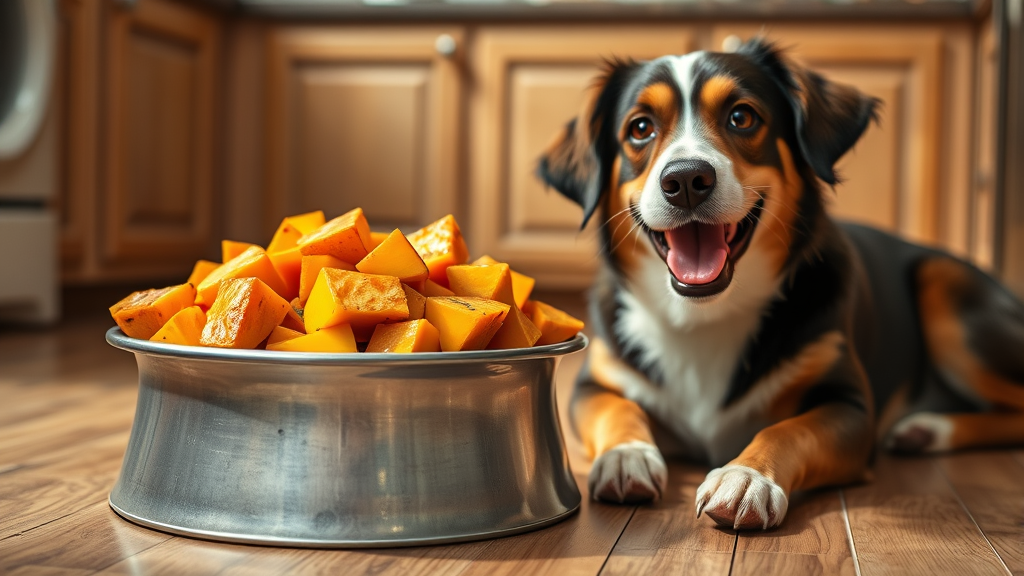
While butternut squash is generally safe for dogs, there are important safety considerations that pet owners must understand. The most critical aspect is proper preparation, as raw butternut squash can be difficult for dogs to digest and may pose choking hazards.
The skin and seeds of butternut squash should always be removed before serving to your dog. The tough skin can be difficult to digest and may cause intestinal blockage, while the seeds can present choking hazards. Always cook the squash thoroughly to make it easier for your dog to digest and to break down any potentially harmful compounds.
Never add seasonings, butter, oil, or other additives when preparing butternut squash for your dog. These additions can be harmful to dogs and may cause digestive upset or more serious health issues. Plain, cooked butternut squash is the safest option for your canine companion.
It’s also important to introduce butternut squash gradually into your dog’s diet. Start with small amounts to ensure your dog doesn’t experience any adverse reactions or digestive upset. Monitor your pet closely for any signs of allergic reactions or gastrointestinal distress when introducing any new food.
Proper Serving Sizes and Frequency
Determining the appropriate serving size of butternut squash for your dog depends on several factors, including your dog’s size, weight, activity level, and overall health status. As with any treat or supplement to your dog’s regular diet, moderation is key to preventing digestive issues and maintaining proper nutritional balance.
For small dogs weighing under 20 pounds, a few small cubes or about one tablespoon of cooked butternut squash is sufficient as an occasional treat. Medium-sized dogs weighing 20-50 pounds can safely consume up to two tablespoons, while larger dogs over 50 pounds may have up to three tablespoons of cooked butternut squash.
The frequency of serving butternut squash should be limited to 2-3 times per week at most. Remember that treats and supplemental foods should never exceed 10% of your dog’s daily caloric intake, according to veterinary nutritionists. The American Veterinary Medical Association emphasizes the importance of maintaining a balanced diet for optimal canine health.
Always consider your dog’s individual dietary needs and any existing health conditions. Dogs with diabetes may benefit from the fiber content in butternut squash, but portion control becomes even more critical. Consult with your veterinarian before making significant changes to your dog’s diet, especially if they have underlying health conditions.
Safe Preparation Methods for Dogs
Proper preparation of butternut squash is essential for ensuring your dog’s safety and maximizing the nutritional benefits. There are several safe cooking methods that make butternut squash digestible and enjoyable for dogs.
Steaming is one of the best preparation methods as it preserves most of the nutrients while making the squash soft and easy to digest. Cut the peeled butternut squash into small, manageable pieces and steam for 15-20 minutes until tender. This method requires no added oils or seasonings, making it the healthiest option for dogs.
Baking is another excellent preparation method. Cut the butternut squash into cubes, remove all skin and seeds, and bake at 400°F for 25-30 minutes until soft. Allow the squash to cool completely before serving to your dog. You can also roast larger pieces and then cut them into appropriate serving sizes.
Boiling is a simple method, though it may result in some nutrient loss. Place peeled and cubed butternut squash in boiling water and cook for 10-15 minutes until tender. Drain thoroughly and let cool before serving. Never add salt to the boiling water, as sodium can be harmful to dogs.
For dogs who enjoy frozen treats, you can freeze small portions of cooked butternut squash in ice cube trays. These frozen cubes make excellent summer treats and can help with teething puppies. Always supervise your dog when giving frozen treats to prevent choking.
Potential Risks and Side Effects
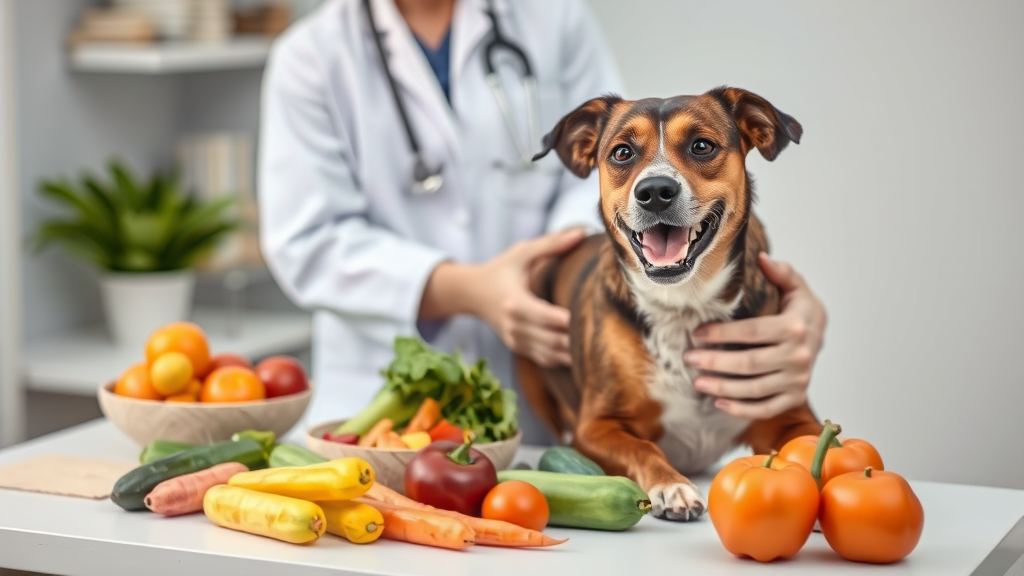
While butternut squash is generally safe for dogs, there are potential risks and side effects that pet owners should be aware of. Understanding these risks helps ensure that you can provide this nutritious treat safely and responsibly.
The most common side effect of feeding butternut squash to dogs is digestive upset, particularly if introduced too quickly or in large quantities. Symptoms may include diarrhea, gas, bloating, or stomach discomfort. The high fiber content, while beneficial in moderation, can cause digestive issues if consumed in excess.
Some dogs may be allergic to butternut squash, though this is relatively rare. Signs of an allergic reaction include itching, swelling, difficulty breathing, or gastrointestinal distress. If you notice any of these symptoms after feeding butternut squash to your dog, discontinue immediately and consult your veterinarian.
Dogs with certain health conditions may need to avoid or limit butternut squash consumption. Those with kidney disease should be cautious due to the potassium content, while diabetic dogs require careful monitoring of their carbohydrate intake. The National Center for Biotechnology Information provides research on dietary considerations for dogs with various health conditions.
Choking hazards can occur if butternut squash pieces are too large or if dogs attempt to eat the skin or seeds. Always ensure pieces are appropriately sized for your dog and properly prepared. Supervision during feeding is recommended, especially for dogs who tend to gulp their food quickly.
Alternative Vegetables for Dogs
If your dog doesn’t enjoy butternut squash or if you’re looking to diversify their vegetable intake, there are several other safe and nutritious options to consider. Many vegetables from the squash family and other plant foods can provide similar nutritional benefits.
Other types of squash are excellent alternatives, and you can learn more about can dogs eat squash varieties in general. Pumpkin is particularly popular among dog owners due to its digestive benefits and palatability. Zucchini offers similar nutritional benefits with a different texture that some dogs prefer.
Root vegetables like carrots and potatoes can also be healthy additions to your dog’s diet when prepared properly. Cruciferous vegetables such as broccoli and cauliflower provide different nutritional profiles and can add variety to your dog’s vegetable intake.
When introducing any new vegetable to your dog’s diet, follow the same guidelines as with butternut squash: introduce gradually, prepare properly without seasonings, and monitor for any adverse reactions. The Humane Society provides comprehensive information about safe and unsafe foods for pets.
Frequently Asked Questions
Can puppies eat butternut squash?
Puppies can eat butternut squash, but it should be introduced very gradually and in smaller portions than adult dogs. Their digestive systems are still developing, so start with tiny amounts of well-cooked, plain butternut squash. Always consult your veterinarian before introducing new foods to puppies, especially those under 12 weeks old.
Is raw butternut squash safe for dogs?
Raw butternut squash is not recommended for dogs as it’s difficult to digest and can cause gastrointestinal upset. The hard texture can also pose choking hazards. Always cook butternut squash thoroughly before offering it to your dog to ensure safety and digestibility.
How often can I give my dog butternut squash?
Butternut squash should be given as an occasional treat, no more than 2-3 times per week. Remember that treats should not exceed 10% of your dog’s daily caloric intake. Regular feeding of butternut squash as a daily treat is not recommended as it may cause nutritional imbalances.
Can dogs with sensitive stomachs eat butternut squash?
Dogs with sensitive stomachs may actually benefit from small amounts of well-cooked butternut squash due to its fiber content, which can aid digestion. However, introduce it very slowly and in tiny portions. If your dog has chronic digestive issues, consult your veterinarian before adding any new foods to their diet.
What should I do if my dog ate butternut squash seeds?
If your dog ate a few butternut squash seeds, monitor them closely for signs of digestive upset or choking. Small amounts of seeds may pass through naturally, but large quantities could cause blockages. Contact your veterinarian immediately if you notice vomiting, loss of appetite, lethargy, or difficulty defecating.
Can butternut squash help with my dog’s constipation?
The fiber content in butternut squash can help promote regular bowel movements and may aid dogs experiencing mild constipation. However, chronic constipation requires veterinary attention. If your dog frequently experiences digestive issues, consult your veterinarian for proper diagnosis and treatment rather than relying solely on dietary changes.
Are there any dogs that should avoid butternut squash completely?
Dogs with severe kidney disease may need to avoid butternut squash due to its potassium content. Additionally, dogs with known allergies to squash or cucurbit vegetables should avoid butternut squash. Dogs with diabetes should only consume butternut squash under veterinary supervision due to its natural sugar content. Always consult your veterinarian if your dog has any chronic health conditions.





