
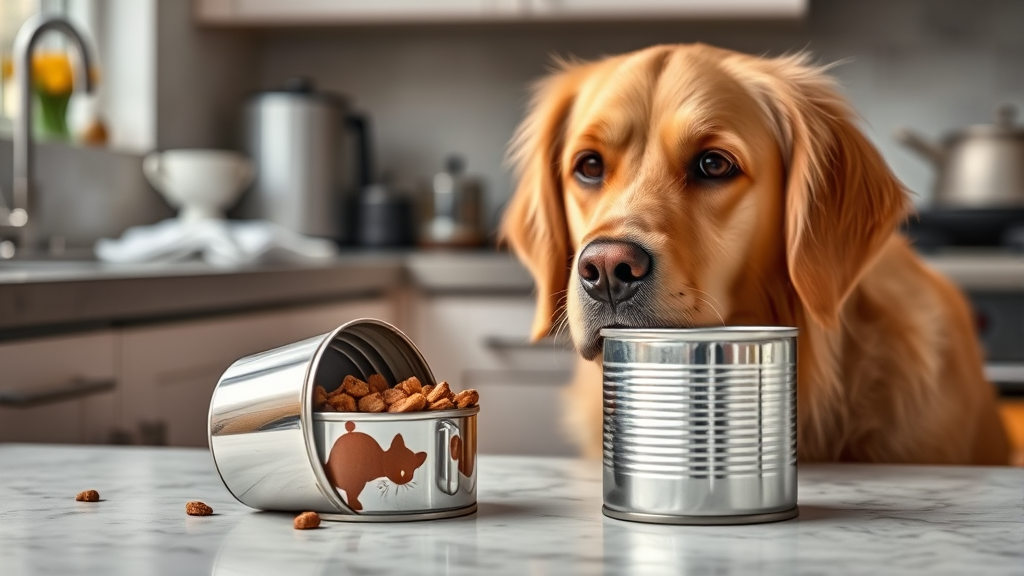
As a dog owner, you’ve probably caught your furry friend sneaking a bite of your cat’s food at some point. Whether it’s curiosity or simple opportunistic eating, dogs seem naturally drawn to their feline companion’s meals. But this common household scenario raises an important question: can dogs safely snack on canned cat food?
While an occasional nibble of canned cat food won’t likely harm your dog, it’s not the ideal snack choice for our canine companions. Cat food is specifically formulated to meet the unique nutritional needs of cats, which differ significantly from dogs’ requirements. Understanding these differences and the potential risks involved can help you make informed decisions about your pet’s diet and keep both your dog and cat healthy and happy.
Let’s dive deep into the nutritional science behind pet foods, explore the potential risks and benefits, and discover safer alternatives for your dog’s snacking needs.
Nutritional Differences Between Cat and Dog Food
The fundamental difference between cat and dog nutrition lies in their evolutionary backgrounds. Cats are obligate carnivores, meaning they require specific nutrients found only in animal tissue to survive. Dogs, on the other hand, are omnivores who can derive nutrition from both plant and animal sources. This biological distinction drives the formulation of their respective foods.
Canned cat food typically contains significantly higher protein levels than dog food, often ranging from 10-14% protein on a wet weight basis compared to dog food’s 8-10%. This increased protein content reflects cats’ higher metabolic protein requirements. Additionally, cat food contains elevated levels of fat, usually around 5-8% compared to dog food’s 4-6% fat content.
One of the most critical differences involves taurine, an amino acid that cats cannot synthesize on their own. According to the American Veterinary Medical Association, while dogs can produce taurine naturally, cats must obtain it from their diet, making it an essential additive in cat food formulations.
Cat food also contains higher concentrations of vitamins A and D, along with specific fatty acid profiles that cater to feline needs. The caloric density of canned cat food is typically higher than dog food, reflecting cats’ need for energy-dense nutrition in smaller portions.
Safety Concerns and Health Risks
While canned cat food isn’t toxic to dogs, several health concerns arise from regular consumption. The high protein and fat content can lead to digestive upset, including diarrhea, vomiting, and stomach discomfort. Dogs with sensitive stomachs are particularly susceptible to these issues.
The elevated fat content poses a more serious concern for dogs prone to pancreatitis. PetMD experts note that the rich, fatty nature of cat food can trigger pancreatitis episodes in susceptible dogs, a potentially life-threatening condition requiring immediate veterinary attention.
Obesity represents another significant risk. Cat food’s higher caloric density means dogs consuming it regularly may gain excessive weight, leading to joint problems, diabetes, and other obesity-related health issues. A single can of cat food can contain 20-30% more calories than an equivalent amount of dog food.
For dogs with existing kidney or liver conditions, the high protein content in cat food can exacerbate these health problems. The kidneys must work harder to process the excess protein, potentially worsening kidney function over time.
Some dogs may also experience allergic reactions to ingredients more commonly found in cat food, such as certain protein sources or preservatives. It’s worth noting that cat food can be problematic for dogs with food sensitivities.
What Happens with Occasional Consumption
If your dog occasionally sneaks a bite of canned cat food, don’t panic. Most healthy dogs can handle small amounts without experiencing serious adverse effects. The immediate response typically depends on your dog’s size, overall health, and digestive sensitivity.
Small dogs are more likely to experience digestive upset from even small amounts due to their size and faster metabolisms. Large dogs may tolerate occasional consumption better, though this doesn’t make it advisable. The American Kennel Club emphasizes that while occasional consumption isn’t dangerous, it shouldn’t become a habit.
Common short-term effects of occasional cat food consumption include mild stomach upset, loose stools, or temporary changes in appetite. These symptoms typically resolve within 24-48 hours as the food moves through the digestive system.
However, even occasional consumption can reinforce problematic behaviors. Dogs may become more persistent in seeking out cat food if they’ve been rewarded with tasty bites in the past. This behavioral conditioning can make it increasingly difficult to keep dogs away from cat feeding areas.
Long-Term Effects of Regular Consumption
Regular consumption of canned cat food poses more serious health risks for dogs. The consistently high protein and fat intake can lead to chronic digestive issues, including inflammatory bowel conditions and persistent diarrhea.
Weight gain and obesity are almost inevitable consequences of regular cat food consumption. The excess calories, combined with the rich nutrient profile, can quickly lead to unwanted pounds. The Centers for Disease Control and Prevention recognizes pet obesity as a growing concern that can significantly impact a dog’s quality of life and lifespan.
Kidney and liver strain represents another serious long-term concern. The organs responsible for processing and eliminating excess protein work overtime when dogs regularly consume cat food, potentially leading to organ dysfunction over time.
Nutritional imbalances can also develop. While cat food provides abundant protein and fat, it may not supply the proper ratios of other nutrients dogs need, such as specific vitamins, minerals, and carbohydrates essential for canine health.
Safer Snack Alternatives for Dogs
Instead of allowing access to cat food, consider these healthier snack alternatives that satisfy your dog’s cravings while supporting their nutritional needs. High-quality dog treats specifically formulated for canine nutrition provide the safest option for regular snacking.
Fresh fruits and vegetables make excellent low-calorie treats. Carrots, green beans, apple slices (without seeds), and blueberries offer natural sweetness and beneficial nutrients. These options provide fiber, vitamins, and antioxidants while helping maintain healthy weight.
Lean proteins like small pieces of cooked chicken breast, turkey, or fish can satisfy dogs who seem drawn to the protein-rich taste of cat food. These treats should be prepared without seasoning, oils, or additives that could upset sensitive stomachs.
Commercial dog treats designed to mimic the taste and texture of higher-protein foods can help redirect your dog’s attention from cat food. Look for treats with limited ingredients and avoid those with excessive artificial additives or preservatives.
Frozen treats made from dog-safe ingredients, such as plain yogurt with berries or frozen bone broth, can provide engaging snacks that keep dogs occupied and satisfied. These options are particularly useful for dogs who seem to eat out of boredom rather than hunger.
Tips for Preventing Access to Cat Food
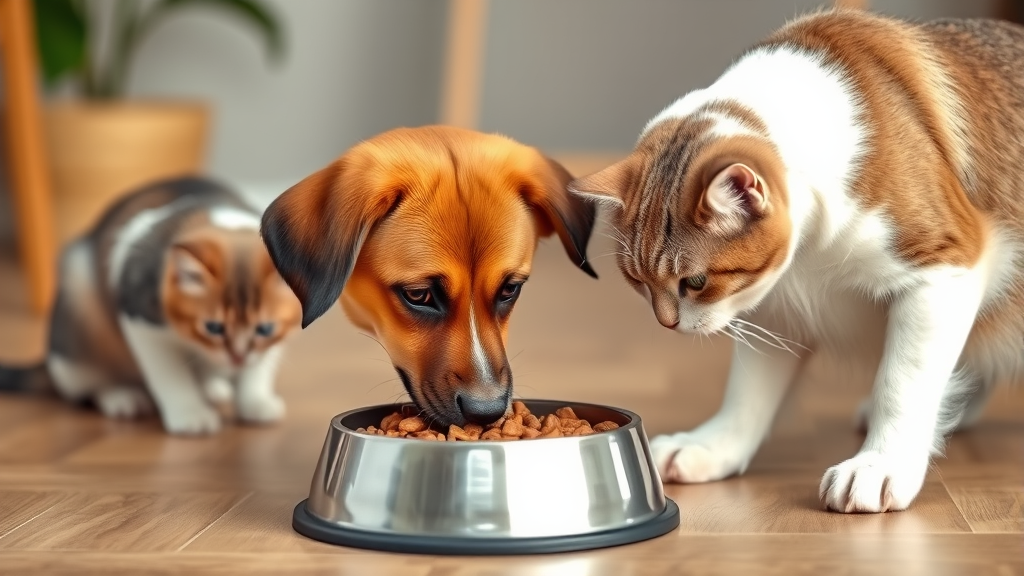
Preventing your dog from accessing cat food requires strategic planning and consistent implementation. Feeding cats in elevated locations, such as on counters, cat trees, or specially designed feeding stations, keeps food out of reach of most dogs.
Scheduled feeding times for cats, rather than leaving food available all day, reduces opportunities for dogs to sneak snacks. Remove any remaining cat food after your cat finishes eating, storing it in secure containers that dogs cannot access.
Baby gates can create separate feeding areas for cats and dogs, allowing cats to eat undisturbed while preventing canine interference. Choose gates with openings large enough for cats but too small for dogs, or install gates at heights cats can jump but dogs cannot reach.
Training commands like “leave it” or “stay” can help control dogs around cat feeding areas. Consistent reinforcement and positive rewards for appropriate behavior help establish boundaries. Interestingly, some dog owners wonder about other cat-related items, such as whether dogs can eat catnip or if they should be concerned about their pets’ interactions with feline items.
Consider automatic feeders designed specifically for cats, which can be programmed to open only for cats wearing special collars or tags. These high-tech solutions effectively prevent dogs from accessing cat food while ensuring cats receive their meals on schedule.
When to Consult Your Veterinarian
Certain situations warrant immediate veterinary consultation regarding your dog’s consumption of cat food. If your dog experiences persistent vomiting, severe diarrhea, or signs of abdominal pain after eating cat food, contact your veterinarian promptly.
Dogs with existing health conditions, particularly those affecting the kidneys, liver, or pancreas, should be evaluated by a veterinarian if they’ve consumed significant amounts of cat food. These conditions make dogs more susceptible to complications from inappropriate nutrition.
Signs of pancreatitis, including lethargy, loss of appetite, vomiting, and abdominal tenderness, require emergency veterinary care. The AVMA’s poison control resources can provide guidance in emergency situations.
If your dog has consumed large quantities of cat food or shows any concerning symptoms, don’t wait to see if they improve. Early intervention often leads to better outcomes and can prevent minor issues from becoming serious health problems.
Regular veterinary checkups provide opportunities to discuss your pet’s diet and address any concerns about inappropriate food consumption. Your veterinarian can offer personalized advice based on your dog’s specific health status and needs.
For multi-pet households where food sharing is an ongoing issue, veterinary behaviorists can provide strategies for managing feeding situations and reducing food-related conflicts between pets. Some owners also wonder about cross-species sensitivities, such as whether dogs can be allergic to cats.
Frequently Asked Questions
Is it okay if my dog ate a small amount of canned cat food once?
Yes, a small amount of canned cat food consumed once is unlikely to harm a healthy dog. Monitor for any digestive upset like vomiting or diarrhea, but most dogs will process it without issues. However, it’s important to prevent future access to maintain your dog’s optimal health and avoid developing problematic eating habits.
Why does my dog prefer cat food over dog food?
Dogs often prefer cat food because it’s higher in protein and fat, making it more palatable and aromatic than typical dog food. The rich smell and taste appeal to dogs’ natural instincts, similar to how they might prefer high-value treats over regular kibble. This preference doesn’t indicate that cat food is better for them nutritionally.
Can eating cat food cause long-term health problems in dogs?
Regular consumption of cat food can lead to several long-term health issues including obesity, kidney strain, liver problems, and nutritional imbalances. The high protein and fat content, while not toxic, isn’t formulated for dogs’ nutritional needs and can cause organ stress over time. Occasional consumption is less concerning than regular feeding.
How can I stop my dog from eating the cat’s food?
Effective strategies include feeding cats in elevated locations, using scheduled feeding times rather than free-feeding, installing baby gates to separate feeding areas, and training your dog with commands like “leave it.” Consistency and positive reinforcement are key to success. Consider automatic feeders that only open for cats wearing special collars.
What should I do if my dog ate a whole can of cat food?
Monitor your dog closely for signs of digestive upset including vomiting, diarrhea, lethargy, or loss of appetite. Provide fresh water and withhold food for a few hours to let their stomach settle. If symptoms persist beyond 24 hours, are severe, or if your dog has existing health conditions, contact your veterinarian for guidance.
Are there any dog foods that taste similar to cat food?
Some high-protein dog foods and treats may appeal to dogs who seem drawn to cat food’s rich taste. Look for dog foods with higher protein content, freeze-dried meat treats, or premium dog foods with limited ingredients. These options provide appropriate nutrition while satisfying your dog’s preference for richer flavors.
Can puppies eat cat food safely?
Puppies should not eat cat food regularly as their growing bodies have specific nutritional requirements that cat food cannot meet appropriately. The high protein and fat content can be particularly problematic for developing digestive systems. Puppies need specially formulated puppy food to support proper growth and development. If a puppy accidentally consumes cat food, monitor for digestive upset and consult your veterinarian if concerns arise.





