

As pet owners, we often wonder about the safety of various plants and herbs around our furry companions. One question that frequently arises is whether dogs can safely enjoy catnip – that famous feline favorite that sends cats into euphoric states. While catnip is widely known for its effects on cats, many dog owners are curious about its impact on their canine friends.
The good news is that catnip (Nepeta cataria) is generally considered safe for dogs and won’t cause serious harm if consumed in small amounts. However, understanding the nuances of how catnip affects dogs versus cats, potential benefits, risks, and proper usage is crucial for responsible pet ownership. This comprehensive guide will explore everything you need to know about dogs and catnip interactions.
What Is Catnip and How Does It Work?
Catnip is a perennial herb belonging to the mint family (Lamiaceae), scientifically known as Nepeta cataria. This aromatic plant contains a compound called nepetalactone, which is responsible for the intense reactions we observe in cats. According to the Encyclopedia Britannica, nepetalactone acts as a natural insect repellent and affects the olfactory system of cats through specialized receptors.
The herb has been used for centuries in traditional medicine and as a natural remedy for various ailments in both humans and animals. Native to Europe and parts of Asia, catnip now grows wild throughout North America and is commonly cultivated in gardens worldwide. The plant produces small, white or pale purple flowers and has a distinctive minty, lemony scent that becomes more pronounced when the leaves are crushed.
When cats encounter catnip, the nepetalactone binds to receptors in their nasal tissue, triggering a cascade of neurological responses that can result in rolling, rubbing, vocalization, and apparent euphoria. This reaction typically lasts 10-15 minutes and affects approximately 70-80% of cats, with sensitivity being hereditary.

How Catnip Affects Dogs Differently Than Cats
While many pet owners wonder can dogs have catnip, the reality is that dogs respond very differently to this herb compared to their feline counterparts. Dogs lack the same olfactory receptors that make cats so sensitive to nepetalactone, which means they don’t experience the characteristic “high” that cats do.
Research from the National Center for Biotechnology Information indicates that canines process plant compounds differently due to their distinct genetic makeup and receptor systems. Instead of stimulation, dogs may experience mild sedative effects from catnip, if any reaction occurs at all.
Most dogs show little to no interest in catnip when presented with it. Some may sniff it briefly and walk away, while others might show mild curiosity but nothing resembling the intense attraction cats display. When dogs do consume small amounts of catnip, they’re more likely to experience calming effects rather than excitement.
The question does catnip work on dogs has a nuanced answer – while it doesn’t produce the same dramatic effects seen in cats, some dogs may experience subtle behavioral changes, typically involving relaxation or mild digestive benefits.
Safety Considerations for Dogs and Catnip
When considering whether is catnip bad for dogs, pet owners will be relieved to know that catnip is generally recognized as safe for canines. The ASPCA’s list of toxic and non-toxic plants does not include catnip among dangerous substances for dogs.
However, like any plant material, catnip should be given in moderation. Large quantities could potentially cause mild gastrointestinal upset, including nausea, vomiting, or diarrhea. The key is understanding that “safe” doesn’t mean “unlimited,” and responsible portion control is essential.
Quality matters significantly when it comes to catnip products. Organic, pesticide-free catnip is always the safest choice for pets. Commercial catnip products should be sourced from reputable manufacturers who follow pet safety standards and avoid harmful additives or preservatives.
Dogs with existing health conditions, particularly those affecting the digestive or nervous systems, should only be given catnip under veterinary supervision. Pregnant or nursing dogs should also avoid catnip, as its effects on developing puppies haven’t been thoroughly studied.
Potential Benefits of Catnip for Dogs
While catnip doesn’t produce the euphoric effects in dogs that it does in cats, there are several potential benefits that some dog owners have reported. Traditional herbalists have long used catnip as a mild digestive aid, and this application may extend to canines as well.
Some dogs may experience mild relaxation effects from catnip, which could be beneficial for anxious or stressed pets. The herb’s natural sedative properties might help calm nervous dogs during thunderstorms, fireworks, or other stressful situations, though this effect is typically quite subtle.
Catnip has historically been used as a natural insect repellent, and according to research published in Scientific Reports, nepetalactone can be effective against mosquitoes and other insects. While this doesn’t translate to direct benefits when consumed, catnip plants in the garden might help deter pests from areas where dogs play.
The mint family properties of catnip may also provide mild digestive support, potentially helping with minor stomach upset or gas. However, these benefits are generally mild and shouldn’t replace proper veterinary care for digestive issues.
Risks and Side Effects to Watch For
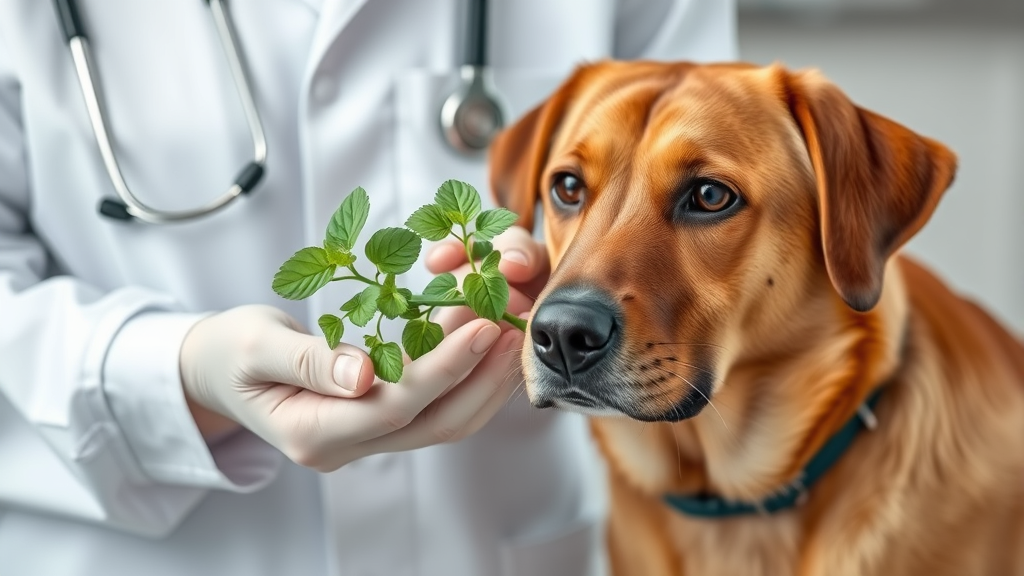
Although catnip is considered safe for dogs, pet owners should be aware of potential side effects and monitor their dogs carefully when introducing any new plant material. The most common issues arise from overconsumption rather than toxicity.
Gastrointestinal upset is the primary concern when dogs consume too much catnip. Symptoms may include vomiting, diarrhea, excessive drooling, or loss of appetite. These effects are typically mild and resolve on their own, but they indicate that the amount given was too large for that particular dog.
Some dogs may experience increased urination after consuming catnip, as it has mild diuretic properties. While not dangerous, this could be inconvenient for indoor dogs or those with limited access to outdoor bathroom breaks.
Rarely, dogs might show signs of mild sedation or lethargy after consuming catnip. Unlike cats who become energetic, dogs are more likely to become sleepy. While this isn’t harmful, owners should be prepared for this possibility and ensure their dog has a comfortable place to rest.
It’s worth noting that dogs can develop sensitivities to various plants, and catnip is no exception. Just as some dogs might wonder can dogs be allergic to cats, individual sensitivities to plant materials can occur. Signs of sensitivity include excessive scratching, skin irritation, or respiratory symptoms.
How to Safely Introduce Catnip to Your Dog
If you decide to offer catnip to your dog, proper introduction is crucial for safety and effectiveness. Start with very small amounts – just a pinch of dried catnip or a few fresh leaves – to gauge your dog’s reaction and tolerance.
Fresh catnip can be offered as an occasional treat, but it should be thoroughly washed and organic when possible. Dried catnip can be sprinkled on food or offered directly, but again, moderation is key. Never exceed more than a teaspoon for large dogs or half a teaspoon for smaller breeds.
Monitor your dog closely for at least 2-4 hours after the first introduction to catnip. Watch for any signs of digestive upset, unusual behavior, or allergic reactions. If your dog shows no interest in catnip, don’t force the issue – this is completely normal for canines.
Some pet owners incorporate catnip into homemade dog treats or use it as a training reward for dogs who do show interest. However, commercial dog treats with catnip should be chosen carefully, ensuring they’re specifically formulated for canines and don’t contain harmful additives.
Similar to concerns about other herbs like is peppermint safe for dogs or can dogs have peppermint, the key is moderation and observation of your individual dog’s response.
Safe Alternatives to Catnip for Dogs
For dog owners looking for herbs that might provide similar benefits to what catnip offers cats, there are several dog-friendly alternatives worth considering. These options are specifically known to be safe and potentially beneficial for canines.
Chamomile is an excellent calming herb for dogs and can help with anxiety and digestive issues. Unlike catnip, chamomile has been extensively studied for its effects on dogs and is widely recommended by veterinarians for stress relief.
Lavender is another popular choice for promoting relaxation in dogs. The scent alone can have calming effects, and dried lavender can be used in dog beds or as a natural air freshener in areas where dogs spend time.
Valerian root, while having a strong odor that some dogs find appealing, can provide natural calming effects similar to what some owners hope to achieve with catnip. However, like catnip, it should be used sparingly and under guidance.
For digestive support, herbs like is rosemary safe for dogs or can dogs have rosemary in small amounts can be beneficial. Ginger and fennel are also dog-safe options that may help with minor digestive issues.
The American Kennel Club provides additional information about natural remedies and herbs that are safe for dogs, emphasizing the importance of consulting with veterinarians before introducing new supplements or herbs to your dog’s routine.
Frequently Asked Questions
Can dogs eat catnip safely?
Yes, dogs can safely consume small amounts of catnip without harm. While it won’t produce the same euphoric effects seen in cats, catnip is generally non-toxic to dogs. However, moderation is essential – large quantities could cause mild gastrointestinal upset including nausea or diarrhea.
Will catnip make my dog high like it does cats?
No, catnip will not make dogs “high” like it does cats. Dogs lack the specific olfactory receptors that respond to nepetalactone, the active compound in catnip. Instead of stimulation, dogs are more likely to experience mild sedative effects or show no reaction at all.
How much catnip can I give my dog?
For dogs, start with just a pinch of dried catnip or a few fresh leaves. Large dogs should not exceed one teaspoon, while smaller dogs should have no more than half a teaspoon. Always introduce catnip gradually and monitor your dog’s reaction before offering more.
What are the signs of catnip toxicity in dogs?
True catnip toxicity is rare in dogs, but overconsumption can cause mild gastrointestinal upset. Watch for symptoms like vomiting, diarrhea, excessive drooling, loss of appetite, or unusual lethargy. These effects typically resolve on their own but indicate the amount given was too large.
Can puppies have catnip?
It’s best to avoid giving catnip to puppies under six months old, as their digestive systems are still developing. For older puppies, use even smaller amounts than you would for adult dogs and consult with your veterinarian first, especially if the puppy has any health concerns.
Are there any dogs that shouldn’t have catnip?
Dogs with existing digestive issues, nervous system disorders, or those taking medications should avoid catnip unless approved by a veterinarian. Pregnant or nursing dogs should also avoid catnip as its effects on developing puppies haven’t been thoroughly studied.
What should I do if my dog ate a large amount of catnip?
If your dog consumed a large quantity of catnip, monitor them closely for signs of gastrointestinal upset. Provide fresh water and withhold food for a few hours if vomiting occurs. Contact your veterinarian if symptoms persist beyond 24 hours or if your dog shows signs of severe distress, difficulty breathing, or extreme lethargy.





