As a loving dog owner, you’ve probably caught your furry friend giving you those irresistible puppy eyes while you’re enjoying a delicious cheese snack. The question “can dogs eat cheese?” is one that many pet parents ask, and for good reason. Cheese is a beloved human food that seems harmless enough, but when it comes to our four-legged companions, the answer isn’t quite as simple as yes or no.
Understanding what foods are safe for dogs is crucial for maintaining their health and happiness. While cheese can be a tasty treat for many dogs, there are important considerations regarding lactose tolerance, fat content, and portion sizes that every responsible pet owner should understand. Let’s explore the ins and outs of feeding cheese to dogs, so you can make informed decisions about this popular dairy product.
Can Dogs Eat Cheese? The Basic Answer
The short answer is that most dogs can eat cheese in moderation, but it’s not a simple yes for every pup. Unlike their wolf ancestors who were purely carnivorous, domestic dogs have evolved alongside humans and developed some ability to digest dairy products, though not to the same extent as humans.
The key factors that determine whether your dog can safely enjoy cheese include their individual lactose tolerance, overall health status, and the type of cheese you’re considering. Many dogs can handle small amounts of cheese without any issues, while others may experience digestive upset even from tiny portions.
According to the American Kennel Club, cheese can be safe for dogs when given as an occasional treat, but it should never make up a significant portion of their diet. The high fat and sodium content in most cheeses means they should be treated as special occasions rather than regular snacks.
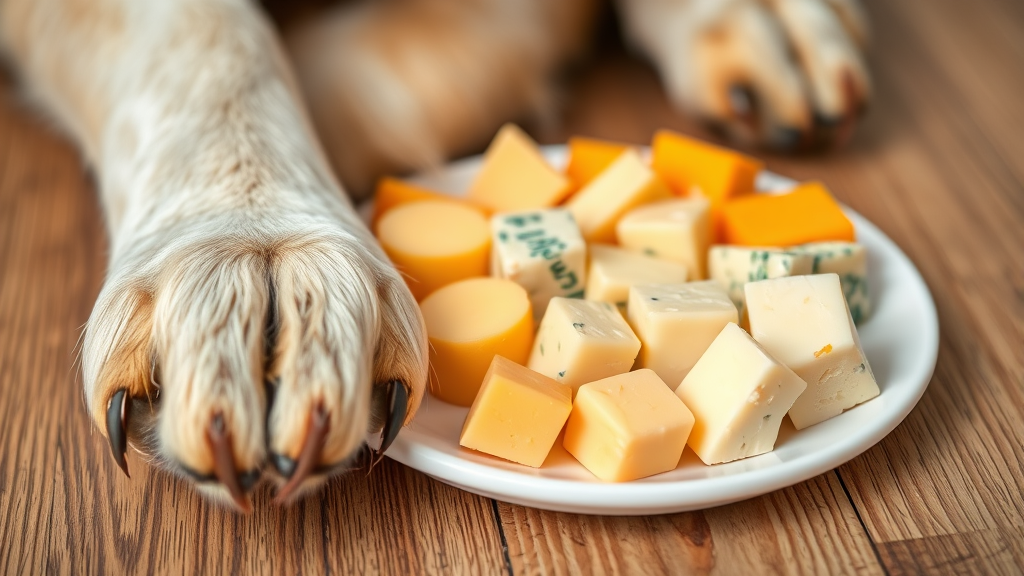
Understanding Lactose Intolerance in Dogs
Lactose intolerance is the primary concern when it comes to dogs and dairy products. Most adult dogs have reduced levels of lactase, the enzyme responsible for breaking down lactose found in milk and dairy products. This means that consuming dairy can lead to digestive issues for many canines.
Puppies are born with higher levels of lactase to help them digest their mother’s milk, but these levels typically decrease as they mature and are weaned. By adulthood, many dogs have significantly reduced ability to process lactose, though the degree varies from dog to dog.
Signs of lactose intolerance in dogs include diarrhea, gas, bloating, vomiting, and general stomach discomfort. If you notice any of these symptoms after giving your dog cheese, it’s best to avoid dairy products in the future and consult with your veterinarian.
Nutritional Benefits of Cheese for Dogs
When dogs can tolerate it, cheese does offer some nutritional benefits. Cheese is rich in protein, which is essential for muscle development and maintenance. It also contains calcium for strong bones and teeth, as well as vitamin A for healthy vision and immune function.
Some cheeses also provide vitamin B12, which supports nervous system function, and phosphorus for bone health. However, it’s important to note that dogs should be getting these nutrients primarily from their regular, balanced dog food rather than relying on cheese as a source.
The American Veterinary Medical Association emphasizes that treats, including cheese, should make up no more than 10% of a dog’s daily caloric intake to maintain proper nutrition balance.
Types of Cheese: Safe vs. Dangerous Options
Not all cheeses are created equal when it comes to canine consumption. Some varieties are safer choices, while others should be completely avoided.
Safer Cheese Options:
- Mozzarella: Lower in fat and sodium compared to many other cheeses
- Cottage cheese: Generally easier to digest and lower in lactose
- String cheese: Convenient portion sizes and typically lower in additives
- Cheddar (mild): In very small amounts, can be acceptable for some dogs
Cheeses to Avoid:
- Blue cheese: Contains roquefortine C, which is toxic to dogs
- Roquefort: Also contains harmful compounds that can cause serious health issues
- Feta: Very high in sodium, which can be dangerous for dogs
- Goat cheese: Often contains herbs and seasonings that may be harmful
- Cream cheese: High in fat and often contains additives
Always check the ingredient list of any cheese before sharing with your dog, as many varieties contain garlic, onion powder, or other seasonings that are toxic to canines.

Portion Control and Feeding Guidelines
When it comes to feeding cheese to dogs, moderation is absolutely critical. Even for dogs who tolerate dairy well, cheese should only be given as an occasional treat due to its high calorie and fat content.
For small dogs (under 20 pounds), a cube of cheese about the size of a dice is typically sufficient. Medium dogs (20-50 pounds) can handle slightly larger portions, roughly the size of two dice. Large dogs (over 50 pounds) might be able to enjoy a piece about the size of three dice, but no more.
These portions should be given no more than a few times per week, and always as part of the 10% treat allowance in their daily diet. Remember that cheese is calorie-dense, so adjust their regular meals accordingly if you’ve given them cheese that day.
Potential Health Risks and Side Effects
Beyond lactose intolerance, there are several other health risks associated with feeding cheese to dogs. The high fat content can contribute to obesity and may trigger pancreatitis in susceptible dogs. Pancreatitis is a serious condition that can be life-threatening and requires immediate veterinary attention.
The high sodium content in many cheeses can also be problematic, especially for dogs with heart conditions or kidney disease. Excessive sodium intake can lead to increased thirst, urination, and in severe cases, sodium poisoning.
Some dogs may also have specific allergies to dairy proteins, which is different from lactose intolerance. Allergic reactions can manifest as skin irritation, itching, ear infections, or gastrointestinal upset. The ASPCA provides comprehensive information about foods that can be problematic for pets.
Healthy Alternatives to Cheese
If your dog can’t tolerate cheese or you’re looking for healthier treat options, there are many alternatives that can satisfy their craving for something special. Fresh fruits like apple slices (without seeds), blueberries, or small pieces of banana can make excellent treats.
Vegetables such as carrots, green beans, or cucumber slices provide crunch and nutrients without the high fat content of cheese. For dogs who enjoy the creamy texture of cheese, plain yogurt (without artificial sweeteners) can be a better option as it contains beneficial probiotics and typically has lower lactose levels.
Commercial dog treats specifically formulated for training or special occasions are also excellent alternatives, as they’re designed with canine nutritional needs in mind.
Frequently Asked Questions
How much cheese can I give my dog safely?
The amount depends on your dog’s size, but generally, small dogs should get no more than a dice-sized cube, medium dogs can have two dice-sized pieces, and large dogs can handle up to three dice-sized portions. These amounts should only be given occasionally, not daily, and should count toward their daily treat allowance of 10% of total calories.
What should I do if my dog ate too much cheese?
If your dog consumed a large amount of cheese, monitor them closely for signs of digestive upset such as vomiting, diarrhea, or excessive gas. Ensure they have access to fresh water and contact your veterinarian if symptoms are severe or persist for more than 24 hours. According to the Humane Society, it’s always better to err on the side of caution when it comes to pet health.
Can puppies eat cheese?
Puppies have higher levels of lactase than adult dogs, so they may tolerate small amounts of cheese better. However, their digestive systems are still developing, and it’s generally recommended to wait until they’re at least 12 weeks old and fully weaned before introducing any dairy products. Always start with very small amounts and consult your veterinarian first.
Is lactose-free cheese safe for dogs?
Lactose-free cheese eliminates the primary digestive concern for dogs, but it still contains high levels of fat, sodium, and calories. While it may be easier for lactose-intolerant dogs to digest, it should still be given in moderation and only as an occasional treat.
What are the signs that my dog is lactose intolerant?
Common signs of lactose intolerance in dogs include diarrhea, gas, bloating, stomach rumbling, vomiting, and general discomfort after consuming dairy products. These symptoms typically appear within a few hours of eating cheese or other dairy items. If you notice these signs, discontinue giving dairy products and consult your veterinarian.
Can cheese be used for training treats?
Small pieces of low-fat cheese can be effective training treats for dogs who tolerate dairy well, as most dogs find cheese highly motivating. However, due to the high calorie content, use it sparingly and consider alternating with healthier, lower-calorie training treats to prevent weight gain and digestive issues.
Are there any breeds that should never eat cheese?
While there aren’t specific breeds that should never eat cheese, some breeds are more prone to conditions that make cheese problematic. Breeds susceptible to pancreatitis (such as Miniature Schnauzers and Yorkshire Terriers) should be especially cautious with high-fat foods like cheese. Dogs with known heart conditions or kidney disease should also avoid high-sodium foods regardless of breed.