
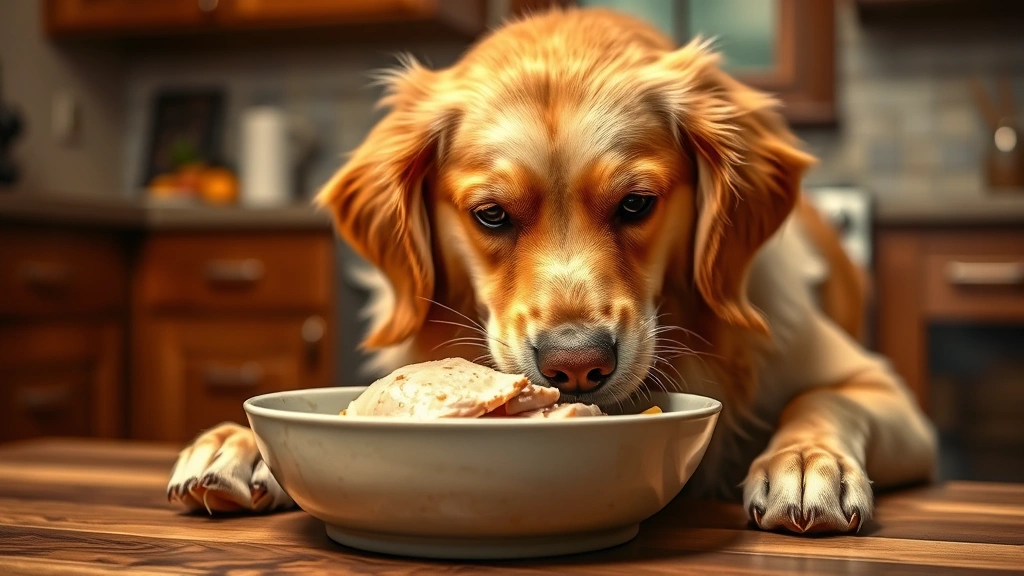
Yes, can dogs eat chicken? Absolutely! In fact, chicken is one of the safest and most nutritious proteins you can offer your furry best friend. But before you start tossing drumsticks under the table, there’s actually a lot more to know about serving chicken safely to your pup. Think of this guide as your golden ticket to becoming a chicken-serving pro.
Table of Contents
- Why Chicken Is a Canine Superstar
- Raw vs. Cooked Chicken: Which Is Better for Dogs?
- Chicken Preparation: The Right Way to Serve It
- Chicken Bones: A Major No-No
- How Much Chicken Can Dogs Safely Eat?
- Chicken for Different Life Stages: Puppies, Adults, and Seniors
- Chicken and Allergies: Is Your Dog Sensitive?
- Chicken Skin and Fat: To Include or Exclude?
- Store-Bought Chicken Products: Read Those Labels
- Chicken as a Training Treat: Smart Strategies
- When to Call the Vet: Red Flags and Concerns
- Frequently Asked Questions
- The Bottom Line: Chicken Is a Winner
Why Chicken Is a Canine Superstar
Dogs aren’t exactly known for being picky eaters—they’d probably devour a shoe if given the chance. But chicken? That’s the real deal. Chicken is packed with lean protein, B vitamins, and essential amino acids that support muscle development, energy levels, and overall health. It’s basically nature’s multivitamin wrapped in delicious poultry. Many commercial dog foods use chicken as their primary ingredient because it’s affordable, digestible, and dogs absolutely love it. Whether your pup is a growing puppy or a senior citizen, chicken can be part of a balanced diet at any life stage.
Raw vs. Cooked Chicken: Which Is Better for Dogs?
Here’s where things get spicy—literally and figuratively. Cooked chicken is generally the safer choice for most dog owners. When you cook chicken thoroughly (no pink inside!), you eliminate harmful bacteria like salmonella and campylobacter that could make your dog sick. Boiled or baked chicken without seasonings is the gold standard. Some raw feeders swear by raw chicken diets, and while raw diet supplementation has proponents, it requires careful handling and knowledge of food safety. If you’re considering raw chicken, chat with your vet first. Most pet parents find cooked chicken to be the safest, easiest option that still delivers all the nutritional benefits.
Chicken Preparation: The Right Way to Serve It
Not all chicken is created equal when it comes to dog nutrition. Plain, unseasoned chicken is your best friend here. No garlic, no onions, no excessive salt—these ingredients are toxic to dogs or can cause digestive upset. Boiled, grilled, or baked chicken breast is ideal. Remove all bones (cooked bones can splinter and cause serious injury), skin, and any fatty bits. If your dog has a sensitive stomach, plain boiled chicken is your MVP. Cut it into appropriate bite-sized pieces based on your dog’s size. A Great Dane gets bigger chunks than a Chihuahua, obviously. Let the chicken cool completely before serving—nobody wants a burnt doggy tongue.
Chicken Bones: A Major No-No
Let’s be crystal clear: cooked chicken bones are absolutely off-limits. When chicken bones are cooked, they become brittle and splinter easily, creating sharp fragments that can puncture your dog’s mouth, throat, or digestive tract. This can lead to choking, blockages, or internal bleeding—all serious emergencies. Raw bones are technically safer (they’re softer and less likely to splinter), but they still carry risks and require proper handling. If you want to give your pup something to gnaw on, stick with dental health feeding practices that recommend dog-safe chews specifically designed for that purpose. When in doubt, remove every single bone.
How Much Chicken Can Dogs Safely Eat?
Portion control matters, even with healthy foods. Chicken should typically make up no more than 10% of your dog’s daily caloric intake—the other 90% should come from a balanced commercial diet or other whole foods. For a 50-pound dog, that’s roughly 3-4 ounces of cooked chicken per day. Smaller dogs need less, larger dogs can handle more. If you’re using chicken as a training treat, those calories count too. It’s easy to get excited and overfeed when your pup gives you those irresistible puppy dog eyes, but obesity is a serious health issue in dogs. Check with your vet about appropriate portions based on your specific dog’s age, weight, and activity level. Every dog is unique, and breed-specific feeding needs can vary significantly.
Chicken for Different Life Stages: Puppies, Adults, and Seniors
Your dog’s life stage matters when it comes to chicken. Puppies need more protein and calories to support growth, so chicken can be a fantastic addition to their diet—just ensure it’s part of a complete, balanced puppy formula. Adult dogs thrive on moderate chicken portions as part of their regular diet. Senior dogs often benefit from lean proteins like chicken because it supports muscle maintenance without excessive fat. Nursing dog nutrition is another special case; lactating mothers need extra calories and protein, making chicken an excellent choice during this demanding period. Always introduce chicken gradually to avoid digestive upset, regardless of age.

Chicken and Allergies: Is Your Dog Sensitive?
While chicken is generally well-tolerated, some dogs develop allergies or sensitivities to poultry. Signs include itching, ear infections, vomiting, diarrhea, or excessive licking. If your dog shows these symptoms after eating chicken, elimination diets can help identify the culprit. Some dogs are actually allergic to chicken more often than other proteins—it’s one of the most common food allergens in dogs. If your pup falls into this category, turkey or duck might be better alternatives. During allergy season supplements might help, but avoiding chicken entirely is the most straightforward solution for allergic dogs.
Chicken Skin and Fat: To Include or Exclude?
Here’s the thing about chicken skin: it’s delicious but fatty. While a little fat is fine for healthy dogs, excessive fat can cause pancreatitis—a serious and painful inflammation of the pancreas. For most dogs, skinless chicken breast is the safest choice. Dogs with pancreatitis history, obesity issues, or sensitive stomachs should definitely skip the skin. Thighs and drumsticks contain more fat than breasts, so if you’re serving those, remove the skin. Lean meat is always the better choice for our four-legged friends.
Store-Bought Chicken Products: Read Those Labels
Not all chicken products are created equal. Rotisserie chicken from the grocery store often contains garlic, onions, and excessive salt—all problematic for dogs. Pre-seasoned chicken, breaded chicken, and chicken nuggets are also no-gos. Canned chicken packed in water (not oil or broth with additives) can work in a pinch, but fresh is always better. Commercial dog foods with chicken are formulated to meet nutritional standards, so they’re a reliable option. When in doubt, cook plain chicken at home. It takes five minutes and gives you complete control over what your dog consumes.
Chicken as a Training Treat: Smart Strategies
Chicken makes an excellent, high-value training treat because dogs go absolutely bonkers for it. Cut it into tiny pieces so you can reward frequently without overfeeding. Freeze small portions for longer-lasting treats. Mix chicken with other safe foods to stretch your supply. Just remember those training treats count toward daily caloric intake. If you’re doing intensive training sessions, you might need to reduce your dog’s regular meals slightly to compensate. Balance is key to keeping your pup healthy while maintaining motivation during training.
When to Call the Vet: Red Flags and Concerns
Most dogs handle chicken beautifully, but watch for warning signs. If your dog vomits, has diarrhea, seems lethargic, or refuses to eat after consuming chicken, contact your vet. If your dog accidentally ate cooked chicken bones, monitor closely for signs of distress—difficulty eating, drooling, abdominal pain, or constipation warrant immediate veterinary attention. Choking is an emergency. If your dog seems uncomfortable or shows behavioral changes, don’t wait—call your vet. It’s always better to be safe than sorry when it comes to your pup’s health.
Frequently Asked Questions
Can dogs eat chicken every day?
Yes, dogs can eat chicken daily as part of a balanced diet, but it should be properly prepared (cooked, unseasoned, boneless) and portion-controlled. Chicken shouldn’t exceed 10% of daily caloric intake. Many dogs eat chicken daily as their primary protein source in commercial dog foods without issues. However, variety is beneficial, so mixing chicken with other protein sources like beef, fish, or turkey is ideal.

Is chicken safe for dogs with upset stomachs?
Absolutely. Plain boiled chicken is often recommended for dogs with digestive issues because it’s bland, easily digestible, and gentle on the stomach. Many vets suggest boiled chicken and rice as a temporary diet for dogs recovering from gastroenteritis. Just ensure it’s completely plain with no seasonings or additives.
Can dogs eat chicken skin?
While small amounts of chicken skin won’t hurt most dogs, it’s high in fat and can cause pancreatitis in susceptible dogs. For overweight dogs or those with pancreatitis history, skinless chicken is the better choice. Remove skin before serving to be safe.
What about chicken by-products in dog food?
Chicken by-products include organs, beaks, and other parts not typically consumed by humans. While less appetizing to us, they’re actually nutritious and safe for dogs. Many quality dog foods include chicken by-products as legitimate protein sources. Check ingredient labels—named sources like “chicken meal” are better than vague “meat by-products.”
Can puppies eat chicken?
Yes, puppies can eat chicken as part of a complete, balanced diet formulated for growth. Chicken provides essential proteins for muscle development. Always ensure it’s part of a puppy-specific diet that meets AAFCO standards for proper nutrition during this critical growth phase.
Is rotisserie chicken safe for dogs?
Store-bought rotisserie chicken is often seasoned with garlic, onions, and excessive salt—all potentially harmful to dogs. While the plain meat itself is safe, most commercial rotisserie chickens aren’t suitable for dogs. Stick with home-cooked plain chicken instead.
The Bottom Line: Chicken Is a Winner
So, can dogs eat chicken? Yes, yes, and yes again! Chicken is a nutritious, delicious, and generally safe protein for dogs of all ages and sizes. The key is proper preparation: cook it thoroughly, remove all bones, skip the seasonings, and serve it in appropriate portions. Whether you’re using it as a training treat, mixing it into meals, or serving it as a special snack, plain cooked chicken is a fantastic addition to your dog’s diet. Just remember to introduce it gradually, monitor for any adverse reactions, and always consult your vet if you have concerns about your individual dog’s dietary needs. Your pup will thank you with tail wags and those adorable puppy dog eyes!





