
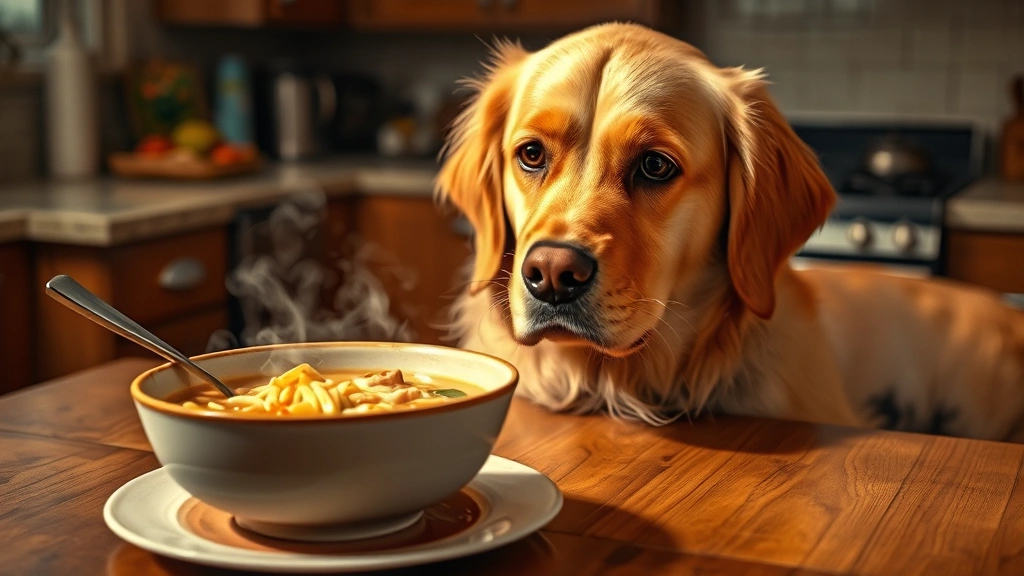
Can Dogs Eat Chicken Noodle Soup? Vet Advice & Safety Guide
Chicken noodle soup is a comfort food staple for many households, and it’s natural to wonder if your furry friend can enjoy a bowl too. While the idea of sharing this warm, savory dish with your dog might seem harmless, the reality is more nuanced. Most commercial and homemade chicken noodle soups contain ingredients that can be problematic for dogs, from excessive sodium to potentially toxic seasonings.
The short answer is: plain chicken noodle soup without added seasonings, garlic, onions, and excess salt is generally safe in small amounts, but most store-bought and homemade versions aren’t ideal for regular consumption. Before you ladle out a bowl for your pup, it’s important to understand which ingredients pose risks and what safer alternatives exist.
Ingredients Breakdown: What’s Safe and What’s Not
Understanding individual ingredients helps you make informed decisions about what your dog can consume. Chicken noodle soup typically contains chicken, noodles, broth, water, and various vegetables and seasonings. Let’s examine each component:
Chicken: Plain, cooked chicken is excellent for dogs and provides lean protein. It’s one of the safest ingredients in the soup. However, ensure it’s boneless and skinless, as cooked chicken bones can splinter and cause intestinal damage.
Noodles: Plain egg noodles or pasta are generally safe for dogs in moderation. They’re not particularly nutritious but won’t cause harm if given occasionally. The carbohydrates can contribute to weight gain if given too frequently, so portion control matters.
Broth: While chicken broth can be beneficial for dogs, commercial varieties often contain excessive sodium and artificial additives. Low-sodium or sodium-free broths are preferable if you want to give your dog broth-based foods.
Vegetables: Many soups contain vegetables like carrots, broccoli, and corn. These are generally safe, though some pose specific concerns depending on preparation method.

Sodium Concerns in Chicken Noodle Soup
The biggest issue with most chicken noodle soups is sodium content. A single serving of commercial chicken noodle soup can contain 800-1000mg of sodium, while an adult dog of moderate size should consume only 100-200mg of sodium daily, depending on their size and health status.
According to the Association of American Feed Control Officials (AAFCO), adult dogs require only 0.06% sodium in their diet, which most commercial soups far exceed. Excessive sodium consumption can lead to:
- Increased thirst and urination
- High blood pressure
- Heart and kidney problems over time
- Sodium ion poisoning in severe cases
Dogs with existing heart, kidney, or liver conditions are particularly vulnerable to sodium-related complications. If your dog has any of these health issues, chicken noodle soup should be avoided entirely.
Toxic Ingredients to Avoid
Beyond sodium, several ingredients commonly found in chicken noodle soup are toxic to dogs:
Garlic and Onions: These are members of the Allium family and are toxic to dogs in any form—raw, cooked, powdered, or dried. They damage red blood cells and can cause hemolytic anemia. Even small amounts can be problematic, and symptoms may appear 24-72 hours after ingestion. For more information, see our guide on can dogs eat onions.
Garlic powder: Often used as a seasoning in commercial soups, garlic powder is particularly concentrated and dangerous.
Mushrooms: While some mushrooms are safe, certain varieties are highly toxic. Since it’s difficult to identify which type is in soup, it’s best to avoid. Learn more about mushroom safety for dogs.
Xylitol: Some low-sugar or “diet” soups contain this artificial sweetener, which is extremely toxic to dogs and can cause liver failure.
Excessive fat: High-fat broths can trigger pancreatitis, a painful and potentially serious condition.
The ASPCA Animal Poison Control Center regularly receives calls about pets ingesting toxic ingredients from human foods, with onions and garlic being among the most common culprits in soups.
Homemade vs. Commercial Soup
Commercial Soups: Store-bought chicken noodle soup is convenient but problematic for dogs. These products contain high sodium levels, preservatives, artificial flavors, and often include garlic powder or onion powder as seasonings. The ingredient list may also include MSG and other additives that aren’t ideal for canine consumption.
Homemade Soups: Making soup yourself gives you complete control over ingredients. You can create a dog-friendly version by:
- Using boneless, skinless chicken breast
- Cooking plain egg noodles or rice separately
- Using low-sodium or homemade broth with no added salt
- Including dog-safe vegetables like carrots and green beans
- Avoiding all garlic, onions, and excessive seasoning
- Keeping fat content minimal
Even homemade versions should be given sparingly, as they’re not nutritionally balanced for dogs and can displace their regular diet.
Safe Alternatives for Your Dog
If you want to give your dog a warm, comforting meal similar to chicken noodle soup, consider these safer options:
Dog-Friendly Chicken and Rice: Cook plain chicken breast and plain white or brown rice, then mix with low-sodium broth. This provides similar comfort without the risks.
Bone Broth for Dogs: Specialized dog bone broths are available that are formulated specifically for canine nutritional needs and contain no harmful additives. These can be poured over kibble for added nutrition and appeal.
Vegetable and Chicken Mix: Combine cooked chicken with dog-safe vegetables like carrots and green beans for a nutritious alternative.
Commercial Dog Soups: Several pet food companies make broths and soups specifically formulated for dogs, with appropriate sodium levels and no toxic ingredients.
Pumpkin and Chicken: Mix cooked chicken with plain pumpkin puree for a soothing meal that aids digestion.
Portion Guidelines and Frequency
If you’ve prepared a homemade chicken noodle soup without any toxic ingredients and with minimal sodium, you can offer it to your dog occasionally, following these guidelines:
- Small dogs (under 25 lbs): 1/4 to 1/2 cup, once monthly or less
- Medium dogs (25-50 lbs): 1/2 to 1 cup, once monthly or less
- Large dogs (over 50 lbs): 1 to 1.5 cups, once monthly or less
These portions should replace part of their regular meal, not be added on top of it. Treats and human foods should make up no more than 10% of your dog’s daily caloric intake, with 90% coming from complete and balanced commercial or veterinary-approved diets.
Always introduce any new food gradually. Start with a small amount and wait 24 hours to observe for digestive upset, allergic reactions, or other adverse effects before offering again.
When to Call Your Vet
Contact your veterinarian immediately if your dog exhibits any of these symptoms after consuming chicken noodle soup:
- Vomiting or diarrhea
- Lethargy or unusual fatigue
- Loss of appetite
- Excessive drooling
- Abdominal pain or bloating
- Difficulty breathing
- Tremors or seizures
- Pale gums or unusual bleeding
- Increased thirst or urination
If you believe your dog has ingested soup containing garlic, onions, xylitol, or toxic mushrooms, contact your vet or the ASPCA Poison Control Center at (888) 426-4435 immediately. Time is critical with certain toxins.
FAQ
Can dogs eat chicken noodle soup from restaurants?
No, restaurant chicken noodle soup is not recommended for dogs. It typically contains high sodium, garlic, onions, and other seasonings that aren’t safe for canine consumption. Restaurant portions are also designed for humans and would be excessive for most dogs.
Is the broth in chicken noodle soup safe for dogs?
The broth itself depends on its ingredients and sodium content. Plain, low-sodium chicken broth without garlic or onions is safe in small amounts. However, most commercial broths contain too much sodium and additives. Always check the label for garlic powder, onion powder, and xylitol.
What should I do if my dog accidentally ate chicken noodle soup?
If your dog consumed a small amount of commercial chicken noodle soup, monitor them closely for 24-48 hours for signs of upset stomach or toxicity. If they consumed soup containing garlic or onions, or if they ate a large quantity, contact your vet immediately. Have the soup label available to share ingredients with your veterinarian.
Can puppies eat chicken noodle soup?
Puppies have more sensitive digestive systems than adult dogs and should not eat chicken noodle soup. Their nutritional needs are very specific, and human foods can upset their developing digestive systems. Stick to high-quality puppy food formulated for their age and size.
Are there health benefits to giving dogs chicken soup?
While chicken itself is nutritious for dogs, the benefits don’t outweigh the risks of commercial soup. If you want to provide the benefits of chicken and broth, prepare a dog-friendly version with plain chicken, low-sodium broth, and safe vegetables instead.
Can dogs eat egg noodles from soup?
Plain, cooked egg noodles are safe for dogs in moderation. They’re not particularly nutritious but won’t cause harm. However, noodles in soup are typically seasoned and mixed with high-sodium broth, so it’s best to avoid them in that context.
What about homemade chicken noodle soup made without salt?
Homemade soup without salt, garlic, onions, and other toxic ingredients is significantly safer than commercial versions. However, it should still only be given occasionally as a treat, not as a regular meal, since it’s not nutritionally balanced for dogs. Always ensure all ingredients are dog-safe before serving.





