

Can Dogs Eat Chicken Skin? Safety Tips and Advice
If you’re like most dog owners, you’ve probably wondered whether it’s safe to share your dinner scraps with your furry best friend. Chicken skin is one of those foods that sits in a gray area—it’s tempting to toss it to your pup, but is it actually safe? The short answer is: it depends. While chicken skin isn’t toxic to dogs, there are several important considerations you need to know before making it a regular part of your dog’s diet.
Chicken is widely recognized as a healthy protein source for dogs, and many commercial dog foods include it as a primary ingredient. However, the skin—that crispy, flavorful outer layer we humans love—presents a different nutritional profile than plain chicken meat. Understanding the nuances of feeding chicken skin to your dog can help you make informed decisions that keep your pup happy and healthy.
In this comprehensive guide, we’ll explore everything you need to know about chicken skin and canine nutrition, from the potential benefits to the risks you should watch out for. Whether you’re wondering if occasional treats are okay or considering it as a dietary staple, we’ve got all the answers you need.
Nutritional Profile of Chicken Skin
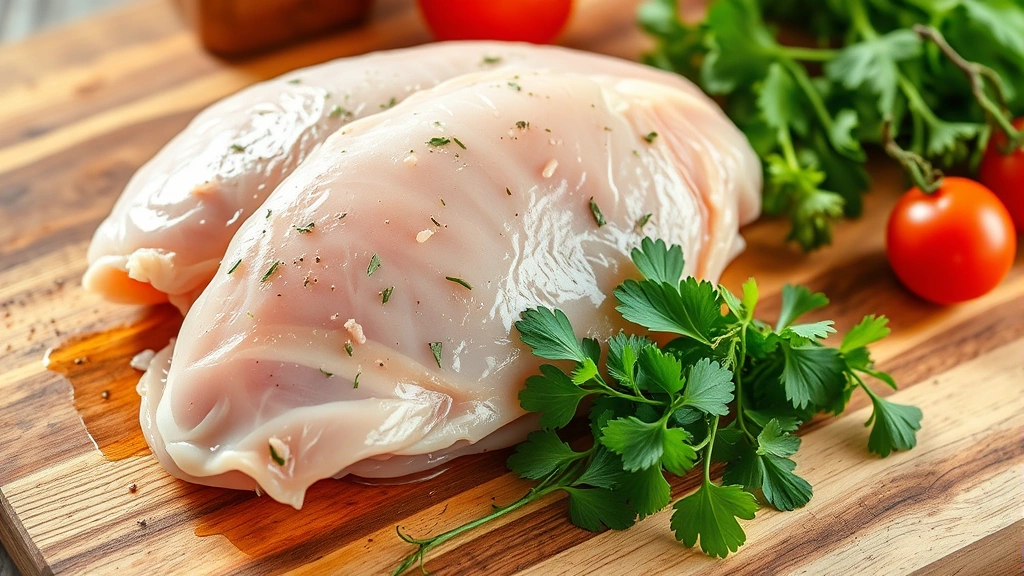
To understand whether chicken skin is appropriate for your dog, we need to break down its nutritional composition. Chicken skin is primarily composed of fat and protein, with very little carbohydrates. A 100-gram serving of cooked chicken skin contains approximately 48 grams of fat and 39 grams of protein, making it an extremely fatty food compared to skinless chicken breast.
The fat content in chicken skin is where things get interesting. While dogs do need dietary fat for healthy skin, coat, and brain function, the amount matters significantly. The fat in chicken skin is largely saturated fat, which differs from the beneficial omega-3 and omega-6 fatty acids that dogs require for optimal health. This means that while chicken skin provides calories and some nutritional value, it’s not the most balanced way to meet your dog’s fat requirements.
Chicken skin also contains some B vitamins, selenium, and phosphorus—nutrients that support various bodily functions. However, the high caloric density means you’re getting these nutrients alongside a massive amount of fat. For comparison, skinless chicken breast provides similar protein content with a fraction of the fat, making it a more nutritionally efficient choice for most dogs.
Safety Concerns for Dogs
Now let’s address the elephant in the room: is chicken skin actually safe for dogs? The answer is nuanced, and several factors come into play.
Fat Content and Pancreatitis Risk
The primary concern with feeding chicken skin to dogs is the high fat content. Diets high in fat can trigger pancreatitis, an inflammation of the pancreas that ranges from mild to life-threatening. According to the American Animal Hospital Association, pancreatitis is one of the most common digestive disorders in dogs, and dietary fat is a well-known trigger.
Dogs with a history of pancreatitis, those prone to obesity, or senior dogs should absolutely avoid chicken skin. Even healthy dogs can develop pancreatitis from a single high-fat meal or from cumulative high-fat diets over time. The risk increases with certain breeds, including Schnauzers, Terriers, and Poodles, which have a genetic predisposition to the condition.
Choking and Digestive Issues
Chicken skin can present physical hazards depending on how it’s prepared. Crispy, fried chicken skin might splinter or create choking hazards, particularly for enthusiastic eaters or smaller dogs. Additionally, the richness of chicken skin can cause gastrointestinal upset, including diarrhea, vomiting, or general digestive distress in sensitive dogs.
If your dog isn’t accustomed to fatty foods, introducing chicken skin could trigger an upset stomach. Some dogs have sensitive digestive systems that simply can’t handle the fat load, regardless of the amount consumed.
Sodium and Seasonings
Most of the chicken skin we encounter has been seasoned with salt, garlic, onions, or other spices. These seasonings can be harmful to dogs. Garlic and onions are toxic to dogs and can damage their red blood cells, while excessive sodium can lead to salt poisoning. This is why plain, unseasoned chicken skin is essential if you’re going to offer it at all.

Preparation Methods Matter
If you decide that chicken skin is appropriate for your dog, how you prepare it makes all the difference in terms of safety and nutrition.
Best Preparation Practices
The safest way to prepare chicken skin for dogs is to boil or bake it plain, without any seasonings, oils, or salt. Remove the skin from cooked chicken that you’ve prepared for yourself, and offer it to your dog only if it hasn’t been seasoned. Never give your dog fried chicken skin, as the cooking oil adds unnecessary calories and fat.
When preparing chicken skin specifically for your dog, consider baking boneless, skinless chicken breasts and then removing just the skin after cooking. This gives you complete control over the preparation method and ensures no harmful seasonings are involved. Cut the skin into small, manageable pieces to reduce choking risk.
Cooking Methods to Avoid
Avoid deep-fried chicken skin entirely—it’s loaded with excess oil and often heavily seasoned. Grilled chicken skin can work if it’s not basted with butter or barbecue sauce. Rotisserie chicken skin, while tempting, typically contains added salt and seasonings that aren’t appropriate for dogs. Store-bought seasoned chicken products should never be shared with your pup.
Understanding how to properly cook chicken for your dog ensures you’re making the healthiest choice possible. If you’re interested in learning more about how to cook chicken for dogs, we have a detailed guide that covers various preparation methods and recipes.
Portion Control Guidelines
If your dog is healthy and you’ve decided that occasional chicken skin treats are appropriate, portion control is absolutely critical.
The 10% Rule
The general rule of thumb for dog treats is that they should comprise no more than 10% of your dog’s daily caloric intake, with the remaining 90% coming from their regular balanced diet. Given that chicken skin is extremely calorie-dense—approximately 320 calories per ounce—even a small amount can quickly exceed this threshold.
For a 50-pound dog consuming approximately 1,000-1,200 calories daily, the 10% treat allowance equals about 100-120 calories. This means just one-third of an ounce of chicken skin would use up the entire treat allowance. This illustrates how easy it is to overfeed chicken skin to your dog.
Frequency Recommendations
For healthy dogs without pancreatitis history or weight concerns, chicken skin should be an occasional treat, not a regular occurrence. Once a week or less frequently is ideal. Many veterinarians recommend reserving chicken skin for special occasions rather than making it a routine treat.
Puppies, senior dogs, and those with any health concerns should have chicken skin even more rarely, if at all. When in doubt, consult with your veterinarian about whether chicken skin is appropriate for your individual dog’s health profile and dietary needs.
Signs of Overfeeding
Watch for signs that your dog may have consumed too much chicken skin or fatty foods. These include vomiting, diarrhea, abdominal pain (indicated by whining, hunching, or reluctance to move), loss of appetite, or lethargy. If your dog exhibits any of these symptoms after consuming chicken skin, contact your veterinarian immediately, as these could indicate pancreatitis or other serious conditions.
Healthier Alternatives
If you’re looking for ways to treat your dog that are safer and more nutritious than chicken skin, plenty of excellent options exist.
Skinless Chicken
The obvious alternative is skinless chicken breast or thighs, which provide protein and nutrients without the excessive fat. Cooked plain chicken breast is an excellent, low-fat treat that most dogs love. It’s versatile enough to use as training treats or meal toppers.
If you’re wondering whether chicken is good for dogs, the answer is absolutely yes—as long as it’s prepared properly and given in appropriate quantities. Plain cooked chicken is one of the safest and most nutritious treats you can offer.
Other Protein Options
Consider offering other healthy protein treats like plain cooked turkey, beef, or fish. Fish like salmon provides beneficial omega-3 fatty acids that support skin and coat health. If you’re curious about other animal proteins, you might explore whether dogs can eat salmon skin, though similar cautions about fat content apply.
Fruit and Vegetable Treats
Low-calorie alternatives include dog-safe fruits and vegetables like apples (without seeds), carrots, green beans, pumpkin, and blueberries. These provide nutrients and fiber without the fat concerns associated with chicken skin. Many dogs enjoy these options just as much as meat treats.
Commercial Healthy Treats
Look for commercial dog treats specifically formulated to be low-fat and nutritionally balanced. Many brands offer protein-based treats without excessive fat content. Check the ingredient list and nutritional information to ensure you’re choosing a quality product.
Related Chicken Safety Considerations
When discussing chicken skin, it’s important to address related chicken parts and their safety for dogs.
Chicken Bones
You might be wondering about other chicken components. For instance, whether dogs can eat chicken bones is an important question. Raw chicken bones can be safer than cooked ones, which splinter easily and pose serious choking and intestinal perforation risks. However, raw bones still carry salmonella contamination risks, so they should be handled carefully.
Chicken Feet
Another chicken part sometimes offered to dogs is chicken feet. If you’re curious about this option, learn more about whether dogs can eat chicken feet. Chicken feet offer different nutritional benefits than skin and are generally lower in fat, making them a potentially safer alternative if properly prepared.
Allergies and Sensitivities
Some dogs develop allergies or sensitivities to chicken. If your dog has never tolerated chicken well or shows signs of food sensitivity, chicken skin should definitely be avoided. Learn more about this possibility by exploring whether dogs can be allergic to chicken. Common symptoms include itching, ear infections, digestive upset, or skin inflammation.
Frequently Asked Questions
Is chicken skin toxic to dogs?
Chicken skin is not toxic to dogs, but it’s not ideal due to its high fat content. The main concern is pancreatitis risk from excessive fat consumption, not toxicity. Plain, unseasoned chicken skin in tiny amounts is unlikely to cause immediate harm in healthy dogs, but it shouldn’t be a regular part of their diet.
Can dogs eat crispy fried chicken skin?
Fried chicken skin should be avoided entirely. The cooking oil adds excessive calories and fat, and the crispy texture can pose choking hazards. Additionally, fried chicken is often heavily seasoned with salt, garlic, or onions, which are harmful to dogs. Stick to plain, boiled, or baked chicken skin if you choose to offer it at all.
How much chicken skin can a dog safely eat?
For a healthy dog, chicken skin should be limited to tiny amounts—think a piece the size of a pea or smaller—and only occasionally. Given its caloric density, even small amounts quickly exceed recommended treat allowances. Most veterinarians recommend avoiding chicken skin altogether in favor of safer alternatives.
What should I do if my dog ate a large amount of chicken skin?
If your dog consumed a significant amount of chicken skin, monitor them closely for signs of pancreatitis or gastrointestinal upset: vomiting, diarrhea, abdominal pain, or lethargy. Contact your veterinarian if any symptoms develop. In some cases, especially with dogs predisposed to pancreatitis, veterinary intervention may be necessary.
Is chicken skin better for dogs than other fatty meats?
Chicken skin isn’t necessarily better than other fatty meats—it’s similarly problematic from a fat content perspective. Turkey skin, duck skin, and other poultry skins present similar concerns. If you’re going to offer poultry treats, skinless options are consistently safer choices.
Can senior dogs eat chicken skin?
Senior dogs should avoid chicken skin. Older dogs often have reduced activity levels and slower metabolisms, making them more prone to obesity and pancreatitis. Additionally, senior dogs are more likely to have existing health conditions that make high-fat foods risky. Stick to lean protein sources for aging pups.
Are there any health benefits to chicken skin for dogs?
While chicken skin does contain protein and some vitamins, the high fat content outweighs the benefits for most dogs. The same nutrients found in chicken skin are available in healthier, lower-fat sources. There’s no compelling nutritional reason to include chicken skin in your dog’s diet when better alternatives exist.
Can dogs eat chicken skin if they’re not overweight?
Even lean, active dogs should have chicken skin only in moderation. Weight isn’t the only concern—pancreatitis can affect dogs of any weight. Additionally, consistently high-fat diets can contribute to obesity and other health issues over time. Healthy weight doesn’t mean unlimited fatty foods are safe.





