
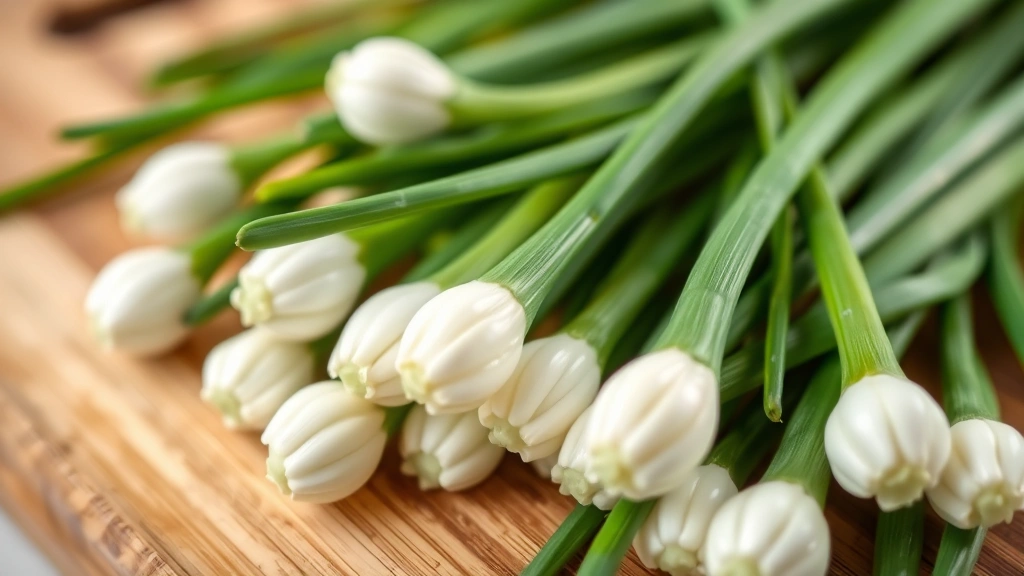
Can Dogs Eat Chives? Important Safety Information
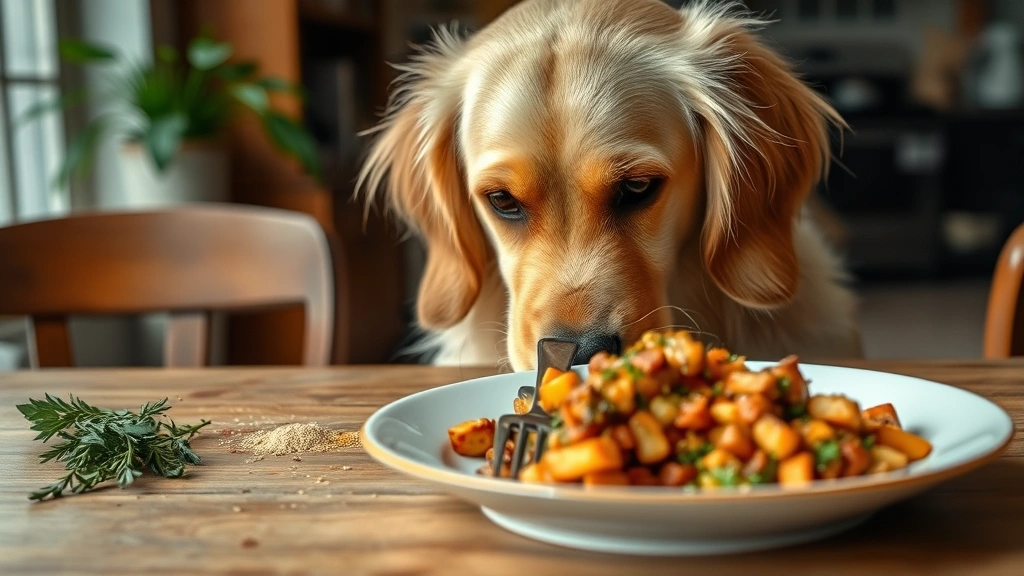
Picture this: you’re chopping up a delicious omelet, garnishing your baked potato, or preparing a creamy dip, and your furry best friend is sitting right there with those big, hopeful eyes. You might be wondering if sharing a little bit of those green chives would be harmless. After all, they’re just herbs, right? Well, here’s the truth that might surprise you: dogs should never eat chives, and it’s crucial that every dog owner understands why.
Chives are a staple in many kitchens, beloved for their mild onion-like flavor and nutritional benefits for humans. However, what’s safe and delicious for us can be downright dangerous for our canine companions. The reason is surprisingly straightforward—chives belong to the allium family, which includes some of the most toxic plants for dogs. Whether raw, cooked, dried, or powdered, chives pose a real threat to your dog’s health.
In this comprehensive guide, we’ll explore everything you need to know about chives and dogs, including why they’re dangerous, what symptoms to watch for, and what you should do if your pup accidentally ingests them. By the end, you’ll be equipped with the knowledge to keep your four-legged friend safe from this common kitchen hazard.
Why Are Chives Toxic to Dogs?
Chives contain compounds called thiosulfates, which are the culprits behind their toxicity to dogs. These naturally occurring sulfur compounds break down red blood cells in your dog’s body, leading to a condition called hemolytic anemia. Unlike humans, dogs lack the necessary enzymes to metabolize these compounds safely, making even small amounts potentially problematic.
The toxicity level depends on several factors, including your dog’s size, age, and overall health. A tiny Chihuahua is at much greater risk from a small amount of chives than a large German Shepherd, but no dog is completely safe from their effects. The concerning part is that the damage can accumulate over time, meaning that repeated small exposures could cause serious problems even if a single incident seems minor.
It’s also worth noting that all parts of the chive plant are toxic—the green tops, the white bulbs, and everything in between. The concentration of thiosulfates is actually highest in the bulb portion, but the leaves still contain enough to cause harm. This is why it’s essential to keep chives completely away from your dog’s reach, whether fresh from the garden or dried in your spice rack.
Understanding the Allium Family
To truly grasp why chives are dangerous, you need to understand the allium family better. This plant family includes garlic, onions, leeks, and shallots—all of which are toxic to dogs. If you’re wondering about can dogs eat onions or considering whether can dogs eat garlic, the answer is a resounding no for all of them.
What makes the allium family so universally dangerous is the presence of those thiosulfates we mentioned. According to the ASPCA Animal Poison Control Center, all members of this plant family pose a risk to dogs and should be avoided entirely. The toxicity isn’t about the amount of flavor or how mild the taste might be—it’s purely about the chemical composition.
Interestingly, cats are even more susceptible to allium toxicity than dogs, with their red blood cells being more vulnerable to damage. This means if you have both cats and dogs, you need to be extra vigilant about keeping all allium plants and foods away from your pets. The good news is that understanding this connection helps you quickly identify other foods that might be risky.
Symptoms of Chive Poisoning in Dogs
Knowing what to look for is half the battle in protecting your dog. Symptoms of chive poisoning don’t always appear immediately—they can develop over several hours or even days, depending on the amount consumed. Here are the key warning signs to watch for:
- Lethargy and weakness: Your normally energetic pup might seem unusually tired or reluctant to move around.
- Vomiting: This is often one of the first signs and indicates your dog’s body is reacting to the toxin.
- Diarrhea: Gastrointestinal upset is common with chive ingestion.
- Abdominal pain: Your dog might whimper, have a hunched posture, or show reluctance to eat.
- Pale gums: This indicates anemia and is a more serious sign that the toxins are affecting red blood cell production.
- Rapid or labored breathing: As anemia develops, your dog’s body works harder to oxygenate tissues.
- Jaundice: A yellowish tint to the gums and whites of the eyes suggests liver involvement.
- Dark-colored urine: This is a serious sign indicating hemoglobin in the urine and warrants immediate veterinary attention.
The severity of symptoms correlates with the amount of chives consumed and your individual dog’s sensitivity. Some dogs might show only mild symptoms, while others could develop severe anemia. This unpredictability is precisely why prevention is so important—you don’t want to gamble with your dog’s health.
How Much Chives Are Dangerous?
This is the question every worried dog owner asks after their pet has eaten something questionable. Unfortunately, there’s no perfectly safe threshold for chives—any amount is technically risky. However, research suggests that the toxic dose is approximately 0.5% of your dog’s body weight in fresh chives.
To put this in perspective, a 10-pound dog would need to consume about 0.05 pounds (roughly 0.8 ounces or about 23 grams) of fresh chives to potentially show symptoms. A 50-pound dog would need about 4 ounces. While this might seem like a lot, it’s easier to consume than you’d think when chives are mixed into food or if your dog gets into a garden or potted plant.
The problem is compounded by the fact that dried chives are more concentrated than fresh ones. A small sprinkle of dried chives contains much more of the toxic compound per volume than the same amount of fresh chives. Additionally, the concentration of thiosulfates varies depending on the growing conditions and the specific variety of chive.
Given this uncertainty, the safest approach is to treat any amount of chives as potentially dangerous. Even if your dog ate just a small piece and seems fine, it’s worth monitoring closely or calling your veterinarian for guidance. They can assess your specific situation based on your dog’s size, age, and health status.
What to Do If Your Dog Eats Chives
If you catch your dog in the act or discover they’ve eaten chives, don’t panic—but do act quickly. Here’s a step-by-step guide to follow:
- Remain calm: Your dog will pick up on your anxiety, and panic won’t help the situation. Take a deep breath and focus on what needs to be done.
- Determine what was eaten: Try to figure out how much chives your dog consumed and whether they were fresh, cooked, or dried. This information will be valuable for your vet.
- Contact your veterinarian immediately: Don’t wait to see if symptoms develop. Call your vet right away and describe the situation. They may recommend bringing your dog in for evaluation or monitoring.
- Consider contacting poison control: The ASPCA Poison Control Center is available 24/7 and can provide specific guidance. There is a consultation fee, but it’s worth the peace of mind and expert advice.
- Don’t induce vomiting without guidance: While you might think inducing vomiting would help, this isn’t always the right approach. If you’re wondering about how to make your dog throw up, wait for professional guidance before attempting it. Your vet will advise whether vomiting is appropriate based on the specific situation.
- Monitor closely: Watch for any of the symptoms mentioned earlier. Keep track of your dog’s eating, drinking, and bathroom habits.
- Follow veterinary recommendations: Your vet might recommend blood work to check your dog’s red blood cell count and liver function. This monitoring is crucial for early detection of problems.
Remember, it’s always better to err on the side of caution. What seems like a minor incident might develop into something more serious, and early intervention can make all the difference in your dog’s recovery.
Prevention Tips for Pet Owners
The best medicine is prevention. Here are practical steps to keep your dog safe from chives:
- Store chives safely: Keep fresh chives in a sealed container in the refrigerator, not on the counter where curious dogs might reach them. Store dried chives in a high cabinet, not in a low spice rack.
- Secure your garden: If you grow chives at home, fence off your garden or use raised beds that your dog can’t access. Chives are surprisingly easy to grow, but that accessibility makes them a hazard.
- Be cautious with potted plants: Chives in decorative pots are particularly tempting to dogs. Place them in areas your dog cannot reach, or consider removing them entirely if you have a particularly curious or determined pup.
- Read food labels: Some prepared foods, seasonings, and broths contain chives or allium powder. When considering can dogs eat chicken broth, always check the ingredients to ensure it doesn’t contain onions, garlic, or chives.
- Inform family and guests: Make sure everyone in your household and any visitors understand that chives are toxic to your dog. Well-meaning friends might try to share food without realizing the danger.
- Train your dog: While you’re preventing access, also train your dog to avoid unknown foods. The “leave it” command can be a lifesaver in situations where your dog encounters something dangerous.
- Know what seasonings are safe: Understanding what seasonings can dogs have helps you confidently prepare dog-friendly meals and treats.
Safe Herb Alternatives for Dogs
Just because chives are off-limits doesn’t mean your dog can’t enjoy the flavor and nutritional benefits of herbs. Many herbs are not only safe but actually beneficial for dogs:
- Parsley: Fresh parsley (in moderation) can freshen your dog’s breath and provides vitamins and minerals. Avoid the curly variety in large quantities.
- Basil: This aromatic herb is safe for dogs and can add flavor to their food. It has anti-inflammatory properties too.
- Turmeric: Known for its anti-inflammatory benefits, turmeric is safe for dogs and is often recommended for joint health.
- Ginger: A small amount of fresh ginger can help with digestion and nausea in dogs.
- Peppermint: In small amounts, peppermint can aid digestion and freshen breath.
When introducing any new herb or ingredient to your dog’s diet, do so gradually and in small amounts. Every dog is different, and some might have sensitivities to certain herbs. If you’re ever unsure, consult your veterinarian before adding something new.
It’s also important to remember that while these herbs are safe, they should be given in moderation as part of a balanced diet. They’re best used as occasional additions to regular meals rather than staple ingredients. The foundation of your dog’s nutrition should come from high-quality commercial dog food or veterinarian-approved homemade diets.
Frequently Asked Questions
Are chives toxic to dogs in all forms?
Yes, chives are toxic to dogs regardless of their form. Whether they’re fresh, cooked, dried, powdered, or freeze-dried, the thiosulfates that make them dangerous remain present. Cooking doesn’t break down these compounds, so even chives in cooked dishes pose a risk to your dog.
What’s the difference between chives and green onions?
Chives and green onions (also called scallions) are different plants, though they’re both in the allium family. Green onions are actually immature onions, while chives are a distinct plant species. Both are toxic to dogs, so the distinction doesn’t really matter for safety purposes—your dog should avoid both.
Can a small amount of chives really hurt my dog?
While a tiny amount might not cause immediate, obvious symptoms, it’s still not safe. The damage from thiosulfates can accumulate over time, and individual sensitivity varies. Some dogs might show symptoms from a small amount, while others might not show signs until they’ve consumed more. The safest approach is to prevent any consumption.
How long after eating chives will my dog show symptoms?
Symptoms can appear anywhere from a few hours to several days after consumption. This delayed response is one reason why prevention is so important—by the time you notice something is wrong, significant damage might already be occurring. If you know your dog ate chives, don’t wait for symptoms; contact your vet immediately.
Is there an antidote for chive poisoning?
Unfortunately, there’s no specific antidote for allium toxicity. Treatment is supportive and focuses on managing symptoms, providing IV fluids if necessary, and monitoring blood work to track red blood cell levels. In severe cases, dogs might need blood transfusions. This is why prevention is absolutely critical.
What should I do if my dog ate a chive plant from a garden?
Follow the same protocol as if your dog ate chives from the kitchen: contact your veterinarian or poison control immediately. Garden chives might actually be more dangerous because you might not know exactly how much your dog consumed. Provide as much detail as you can about when and how much you think your dog ate.
Are chive seeds dangerous too?
Yes, chive seeds contain the same toxic compounds as the rest of the plant. If your dog got into chive seeds, whether from the plant itself or from dried seed packets, treat it as a chive ingestion and contact your vet.
Can dogs have chive-flavored treats?
No. Any treat that contains chives, chive powder, or chive flavoring is unsafe for your dog. Always read ingredient lists carefully on commercial dog treats. If you’re making homemade treats, stick to dog-safe ingredients and avoid anything from the allium family entirely.
What if my dog ate something prepared with chives but seems fine?
Even if your dog seems perfectly fine, don’t assume everything is okay. Symptoms can be delayed, and the damage might not be immediately apparent. Contact your veterinarian for guidance. They might recommend monitoring at home or bringing your dog in for blood work to establish a baseline and check for any changes in red blood cell levels.
How is chive poisoning diagnosed?
Your veterinarian will likely perform blood work to check your dog’s red blood cell count and look for signs of hemolytic anemia. They might also check liver and kidney function. The diagnosis is typically based on a combination of the history of chive ingestion, clinical symptoms, and blood work results. The American Kennel Club provides additional resources on recognizing poisoning symptoms.





