
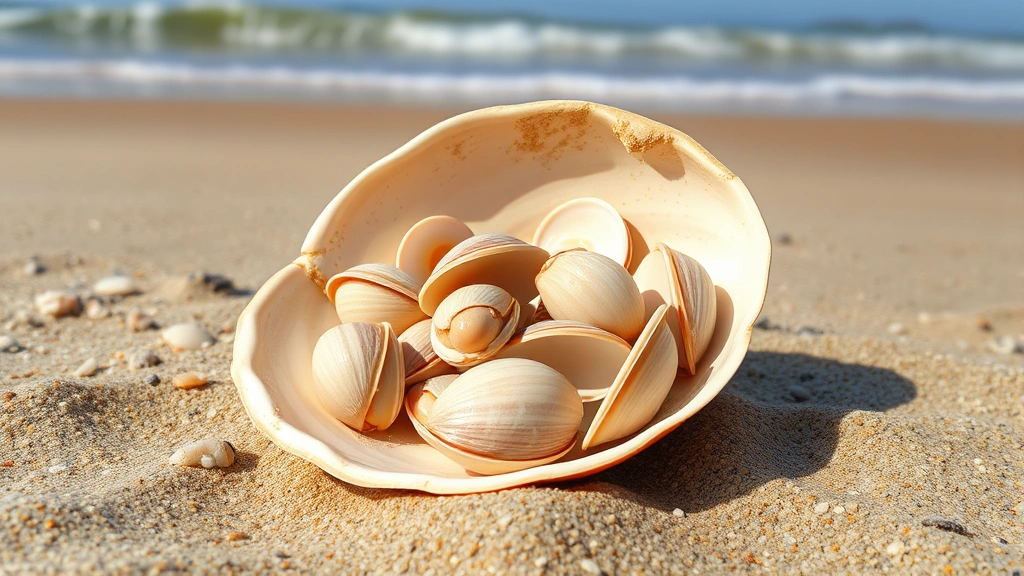
Can Dogs Eat Clams?
As a dog owner, you’ve likely wondered about which human foods are safe to share with your furry companion. If you’re a seafood lover or enjoy coastal dining, you may have asked yourself whether clams are a safe treat for your dog. The good news is that clams can indeed be a nutritious addition to your dog’s diet when prepared properly. However, like many human foods, there are important guidelines to follow to ensure your pet’s safety and health.
Clams are shellfish packed with essential nutrients including protein, vitamins, and minerals that can benefit your dog’s overall wellness. However, the way clams are prepared—whether they’re raw, cooked, canned, or seasoned—makes a significant difference in whether they’re appropriate for your canine friend. Understanding the proper serving methods and potential risks is crucial before offering clams to your dog.
This comprehensive guide explores everything you need to know about feeding clams to your dog, including nutritional benefits, preparation methods, portion sizes, and potential health concerns. We’ll also compare clams to other seafood options your dog might enjoy.
Table of Contents
- Nutritional Benefits of Clams for Dogs
- Safety Considerations and Risks
- How to Safely Prepare Clams
- Serving Size and Frequency Guidelines
- Other Seafood Options for Dogs
- Signs of Allergic Reactions
- Frequently Asked Questions
Nutritional Benefits of Clams for Dogs
Clams are an excellent source of lean protein, which is essential for maintaining your dog’s muscle mass and supporting various bodily functions. These shellfish also contain important B vitamins, particularly B12, which aids in energy metabolism and nervous system function. Additionally, clams provide valuable minerals like iron, zinc, and selenium that contribute to immune system health and overall vitality.
One of the standout benefits of clams is their high content of omega-3 fatty acids, which promote healthy skin and coat condition in dogs. These healthy fats also support cognitive function and can help reduce inflammation in aging dogs. When you compare clams to other seafood options dogs can enjoy, they rank among the most nutrient-dense choices available.
The protein content in clams is particularly impressive, offering a complete amino acid profile that supports muscle development and repair. For dogs on weight management programs, clams can be an excellent low-calorie protein source that keeps them satisfied without excessive calories.

Clams also contain taurine, an amino acid that’s especially important for heart health in dogs. While dogs can synthesize taurine naturally, having it present in their diet provides additional cardiovascular support. This makes clams a particularly beneficial treat for senior dogs or those with heart concerns.
Safety Considerations and Risks
While clams can be safe for dogs, several important safety considerations must be addressed before feeding them to your pet. Raw or undercooked clams may contain harmful bacteria, parasites, or toxins that can cause serious health issues. Proper cooking is essential to eliminate these potential pathogens and make clams safe for consumption.
Another significant concern is the possibility of domoic acid accumulation in clams, a natural neurotoxin that can cause amnesic shellfish poisoning in dogs. This toxin is more prevalent during certain times of the year and in specific coastal regions. If you’re harvesting clams yourself, it’s crucial to check local advisories about toxin levels before offering them to your dog.
Canned clams often contain high levels of sodium, which can be problematic for dogs, particularly those with heart conditions or hypertension. The added salt in processed clam products makes fresh, plain cooked clams a much safer choice. Additionally, clams in oil or other heavy sauces should be avoided entirely.
Some dogs may have shellfish allergies, which can manifest as itching, digestive upset, or more severe reactions. Always introduce clams to your dog’s diet gradually and monitor for any adverse symptoms. If your dog has never consumed shellfish before, consult with your veterinarian before offering clams.
How to Safely Prepare Clams
The preparation method is absolutely critical when feeding clams to your dog. Fresh clams should always be thoroughly cooked before serving to your pet. Boiling is the safest cooking method, as it eliminates bacteria and parasites while maintaining nutritional value. Simply boil the clams in plain water without any added salt, seasoning, or garlic until the shells open—typically 5-10 minutes depending on clam size.
After cooking, remove the clam meat from the shell and chop it into appropriate bite-sized pieces based on your dog’s size. Discard the shells entirely, as they pose a choking hazard and can cause intestinal blockages. You can serve the cooked clam meat plain or mix it with your dog’s regular food.
If you’re considering other seafood alternatives like tuna, remember that the same cooking and preparation principles apply. Never serve clams with butter, garlic, onions, or any other seasonings that might be harmful to dogs. Garlic and onions, in particular, are toxic to canines and should never be included in any dog food preparation.
For canned clams, rinse them thoroughly under fresh water to remove excess sodium before serving to your dog. However, fresh cooked clams remain the preferred option due to lower sodium content and better nutritional profile. Store leftover cooked clams in an airtight container in the refrigerator for up to three days.

Serving Size and Frequency Guidelines
The appropriate serving size for clams depends on your dog’s weight and overall diet composition. As a general rule, treats should not comprise more than 10% of your dog’s daily caloric intake. For small dogs (under 20 pounds), a few small pieces of cooked clam once or twice weekly is sufficient. Medium-sized dogs (20-50 pounds) can safely consume a tablespoon or two of cooked clam meat, while larger dogs can handle up to a quarter cup.
Start with very small portions when introducing clams to your dog’s diet, especially if they’ve never consumed shellfish before. This allows their digestive system to adjust and lets you monitor for any adverse reactions. Gradually increase the portion size over several weeks if no negative symptoms appear.
Clams should be considered an occasional treat rather than a dietary staple. Incorporating variety into your dog’s diet is important for ensuring balanced nutrition. If you’re interested in other seafood options, you might explore whether dogs can have shrimp or the safety of feeding crab to dogs.
For dogs with existing health conditions such as kidney disease, high blood pressure, or heart problems, consult your veterinarian before introducing clams. Some dogs may need to avoid shellfish entirely due to their medical history or dietary restrictions.
Other Seafood Options for Dogs
If you’re interested in offering your dog seafood treats, several options provide similar nutritional benefits to clams. Fish is generally safe for dogs and offers excellent protein and omega-3 fatty acids. Salmon is particularly beneficial, though some dog owners wonder about whether dogs can eat salmon skin—the answer is yes when cooked properly.
Sardines are another excellent seafood option that many dogs enjoy. These small fish are packed with nutrients and are less likely to contain harmful levels of mercury compared to larger fish species. Always choose sardines packed in water rather than oil when possible.
When offering any seafood to your dog, the same basic principles apply: cook thoroughly, avoid seasonings and additives, remove all bones, and serve in appropriate portions. The variety these different seafood options provide can keep your dog’s diet interesting while maintaining nutritional balance.
Signs of Allergic Reactions and When to Contact Your Vet
While clam allergies in dogs are relatively rare, they can occur in some individuals. Common signs of an allergic reaction include itching or scratching, particularly around the face, paws, or ears. Your dog might also experience digestive upset such as vomiting, diarrhea, or loss of appetite within a few hours of consuming clams.
More severe allergic reactions can include swelling of the face, lips, or tongue, difficulty breathing, or hives on the skin. If you notice any of these symptoms, contact your veterinarian immediately or visit an emergency animal clinic if symptoms are severe.
Some dogs may develop food sensitivities rather than true allergies, manifesting as mild gastrointestinal disturbances or changes in stool consistency. If you notice these signs, discontinue feeding clams and consult your vet about alternative treats.
It’s also important to monitor for signs of shellfish poisoning from domoic acid, which can include tremors, disorientation, drooling, or unusual behavior. While this is less common in domesticated dogs, awareness is important if you’re harvesting clams from coastal areas.
Frequently Asked Questions
Can dogs eat raw clams?
No, dogs should never eat raw clams. Raw clams may contain harmful bacteria, parasites, and toxins that can cause serious illness. Always cook clams thoroughly by boiling until the shells open before offering them to your dog. This eliminates potential pathogens and makes them safe for consumption.
Are canned clams safe for dogs?
Canned clams can be safe for dogs if they’re rinsed thoroughly to remove excess sodium. However, fresh cooked clams are a better option due to their lower salt content and superior nutritional profile. Always check the ingredient list on canned clam products to ensure no harmful additives are present.
How much clam meat can I give my dog?
Serving size depends on your dog’s weight. Small dogs can have a few small pieces once or twice weekly, medium dogs can have about a tablespoon or two, and large dogs can handle up to a quarter cup. Remember that treats should comprise no more than 10% of your dog’s daily caloric intake.
Can clams cause digestive problems in dogs?
While properly cooked plain clams are generally well-tolerated, some dogs may experience mild digestive upset when trying shellfish for the first time. Introduce clams gradually in small portions and monitor your dog’s response. If your dog develops persistent diarrhea or vomiting, discontinue feeding clams and consult your veterinarian.
Are clam shells safe for dogs to chew?
No, clam shells should never be given to dogs. They pose a significant choking hazard and can cause intestinal blockages if swallowed. Always remove all meat from shells and discard the shells safely in the trash where your dog cannot access them.
Can puppies eat clams?
Puppies can eat cooked plain clams in very small portions once they’re eating solid food, but it’s best to wait until your puppy is at least a few months old. Always introduce new foods gradually and consult your veterinarian before offering clams to your young dog, as their digestive systems are still developing.
Is it safe to harvest and cook my own clams for my dog?
Yes, you can harvest and cook your own clams if you follow proper safety guidelines. Check local advisories regarding toxin levels in your area before harvesting. Cook clams thoroughly by boiling in plain water, remove all meat from shells, and serve in appropriate portions. Always ensure clams come from clean, unpolluted water sources.





