
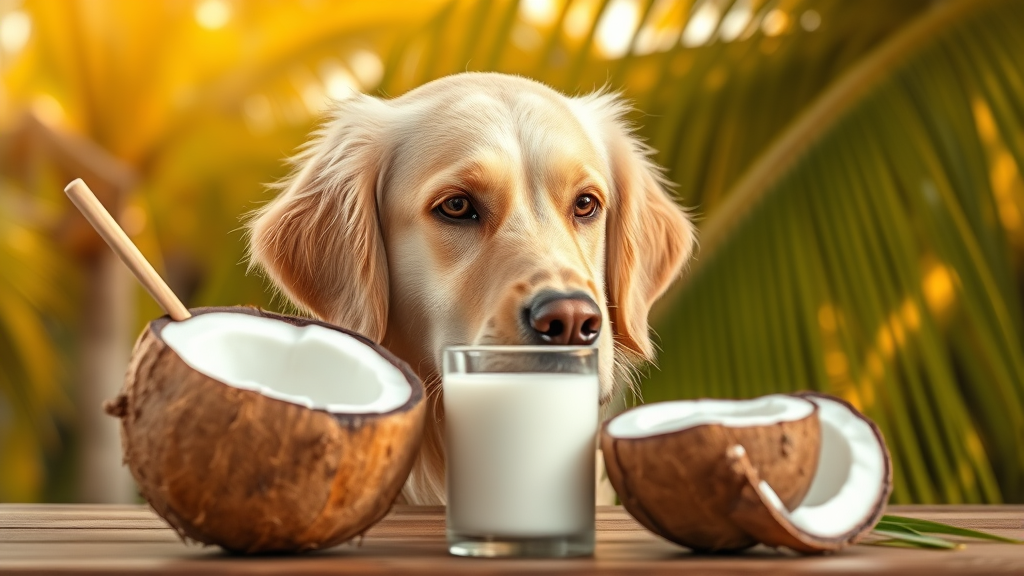
As a responsible dog owner, you’ve likely wondered about the safety of various human foods for your furry companion. Coconut milk has gained popularity in human diets due to its creamy texture and potential health benefits, but when it comes to our canine friends, the answer isn’t as straightforward. Understanding whether coconut milk is safe for dogs requires examining its nutritional profile, potential benefits, and possible risks.
While coconut milk isn’t toxic to dogs in the same way that chocolate or grapes are, it’s not necessarily the best choice for your pet’s diet either. The high fat content and other factors make it a treat that should be approached with caution. Let’s explore everything you need to know about coconut milk and dogs to make informed decisions about your pet’s nutrition.
What Is Coconut Milk and Its Nutritional Profile
Coconut milk is extracted from the grated flesh of mature coconuts, creating a rich, creamy liquid that’s naturally dairy-free. Unlike coconut water, which is the clear liquid found inside young coconuts, coconut milk is much thicker and contains significantly more calories and fat. The commercial varieties available in stores often contain additional ingredients like guar gum, carrageenan, and preservatives.
From a nutritional standpoint, coconut milk is incredibly high in saturated fat, with a single cup containing approximately 57 grams of fat and 552 calories. It also provides medium-chain triglycerides (MCTs), which are easier to digest than other types of fat, along with small amounts of protein, fiber, and various minerals including manganese, copper, and iron.
The fat content in coconut milk is what makes it particularly concerning for dogs. While dogs can process fats better than humans in some ways, the sheer concentration in coconut milk can overwhelm their digestive system. Additionally, many commercial coconut milk products contain additives that weren’t designed with canine consumption in mind.

Safety Concerns and Potential Risks
The primary concern with coconut milk for dogs revolves around its extremely high fat content. Dogs consuming too much fat can develop pancreatitis, a serious and potentially life-threatening condition where the pancreas becomes inflamed. This is especially problematic for dogs with a history of pancreatitis, obesity, or those prone to digestive issues.
Another significant concern is the caloric density of coconut milk. Regular consumption can quickly lead to weight gain and obesity in dogs, which brings its own set of health problems including joint issues, diabetes, and cardiovascular problems. The American Veterinary Medical Association emphasizes the importance of maintaining proper weight in pets for overall health.
Some dogs may also experience gastrointestinal upset from coconut milk, including diarrhea, vomiting, or stomach discomfort. This is particularly true for dogs that aren’t accustomed to high-fat foods or those with sensitive stomachs. The medium-chain triglycerides, while generally easier to digest, can still cause issues in some dogs when consumed in large quantities.
Commercial coconut milk products may contain additives like carrageenan, which has been linked to digestive inflammation in some studies. While research is ongoing, it’s another factor to consider when evaluating whether dogs can have coconut milk safely.
Potential Health Benefits for Dogs
Despite the concerns, coconut milk does offer some potential benefits when given in very small amounts. The medium-chain triglycerides (MCTs) found in coconut milk can be more easily absorbed and metabolized than other fats, potentially providing quick energy for dogs. Some pet owners and holistic veterinarians believe MCTs may support cognitive function in senior dogs.
Coconut milk contains lauric acid, which has antimicrobial and antiviral properties. In theory, this could help support your dog’s immune system, though the amount your dog would safely consume is unlikely to provide significant therapeutic benefits. The National Institutes of Health has studied some antimicrobial properties of coconut compounds, though research specific to dogs is limited.
For dogs with certain skin conditions, some veterinarians suggest that the healthy fats in coconut products might help improve coat quality and skin health. However, this is typically achieved through topical applications or specially formulated supplements rather than direct consumption of coconut milk.
It’s important to note that while these potential benefits exist, they don’t outweigh the risks for most dogs. If you’re interested in coconut-based benefits for your pet, discussing alternatives like coconut flesh or coconut products designed for dogs with your veterinarian would be more appropriate.
Safe Serving Guidelines and Portions
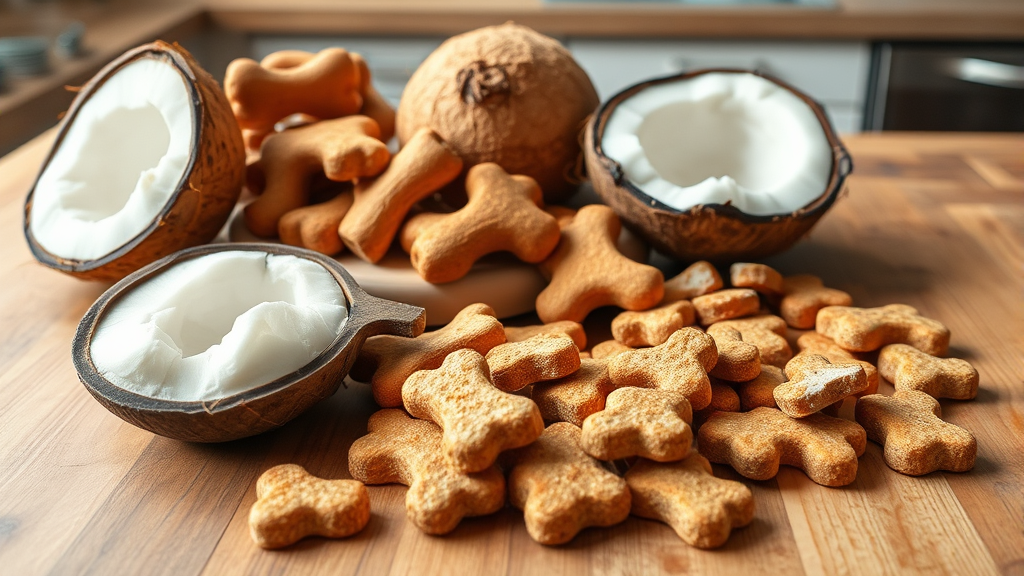
If you decide to give your dog coconut milk despite the risks, it should only be given in very small amounts and infrequently. A general guideline would be no more than a teaspoon for small dogs (under 20 pounds) or a tablespoon for larger dogs, and only as an occasional treat rather than a regular part of their diet.
Always choose unsweetened, additive-free coconut milk if you’re going to share any with your dog. Avoid products with artificial sweeteners, especially xylitol, which is toxic to dogs. Light coconut milk, which has been diluted with water, contains less fat and may be a slightly safer option than full-fat varieties.
Before introducing any new food to your dog’s diet, including coconut milk, it’s essential to consult with your veterinarian. They can assess your individual dog’s health status, dietary needs, and any risk factors that might make coconut milk particularly problematic. Dogs with pancreatitis, obesity, or sensitive stomachs should avoid coconut milk entirely.
Monitor your dog closely after giving them any coconut milk. Watch for signs of digestive upset, changes in appetite, or unusual behavior. If you notice any adverse reactions, discontinue giving coconut milk immediately and contact your veterinarian if symptoms persist or worsen.
Better Alternatives to Coconut Milk
Instead of coconut milk, there are several safer alternatives that can provide similar satisfaction for your dog. Plain water should always be your dog’s primary beverage, but if you’re looking for occasional treats, consider bone broth made specifically for dogs. Commercial dog-safe bone broths are low in sodium and free from harmful ingredients like onions and garlic.
If you’re interested in dairy alternatives because your dog enjoys milk but is lactose intolerant, there are commercial lactose-free products made specifically for dogs. These are formulated with canine nutritional needs in mind and don’t carry the same risks as coconut milk.
For dogs who enjoy coconut flavor, small pieces of fresh coconut flesh might be a better option than coconut milk. Fresh coconut is lower in fat per serving and doesn’t contain the additives found in processed coconut milk. However, it should still be given sparingly due to its fat content.
Coconut water is another alternative worth considering. While it should also be given in moderation due to its potassium content, it’s much lower in fat than coconut milk and may be better tolerated by dogs. The American Kennel Club provides guidance on various coconut products for dogs.
Warning Signs and When to Contact Your Vet
If your dog has consumed coconut milk, it’s important to know what signs to watch for that might indicate a problem. Immediate concerns include vomiting, diarrhea, loss of appetite, lethargy, or signs of abdominal pain such as hunched posture or reluctance to move.
More serious symptoms that require immediate veterinary attention include severe vomiting or diarrhea, signs of dehydration, difficulty breathing, or any symptoms of pancreatitis. Pancreatitis symptoms can include severe abdominal pain, vomiting, diarrhea, loss of appetite, and lethargy. The condition can be life-threatening and requires prompt medical treatment.
Long-term consumption of high-fat foods like coconut milk can lead to gradual weight gain, which brings its own health risks. Regular weigh-ins and body condition assessments with your veterinarian can help catch weight-related issues early. The ASPCA Animal Poison Control Center is available 24/7 if you’re concerned about anything your dog has consumed.
Keep in mind that some dogs may have delayed reactions to new foods. Even if your dog seems fine immediately after consuming coconut milk, continue monitoring them for 24-48 hours for any changes in behavior, appetite, or bathroom habits.
If your dog regularly consumes dairy products or other high-fat foods without issue, they may be more tolerant of coconut milk, but this doesn’t eliminate the risks entirely. Each dog is individual, and what works for one may not work for another.
Frequently Asked Questions
Can puppies drink coconut milk?
Puppies should not be given coconut milk. Their digestive systems are even more sensitive than adult dogs, and the high fat content can cause severe digestive upset or pancreatitis. Puppies should stick to their mother’s milk or puppy formula until they’re weaned, then transition to high-quality puppy food and water.
Is canned coconut milk different from carton coconut milk for dogs?
Canned coconut milk is typically much thicker and higher in fat content than the coconut milk sold in cartons in the refrigerated section. Both pose risks for dogs, but canned coconut milk is generally more concentrated and therefore more problematic. If you must give your dog coconut milk, diluted carton varieties would be slightly safer, though still not recommended.
What should I do if my dog drank a lot of coconut milk?
If your dog has consumed a large amount of coconut milk, contact your veterinarian immediately. Monitor your dog closely for signs of digestive upset, pancreatitis, or other adverse reactions. Don’t wait for symptoms to appear if the amount consumed was significant. Your vet may recommend bringing your dog in for evaluation or monitoring at home with specific instructions.
Can dogs with pancreatitis ever have coconut milk?
Dogs with a history of pancreatitis should never be given coconut milk. The high fat content can trigger another episode of pancreatitis, which can be life-threatening. These dogs require strict low-fat diets, and coconut milk is far too high in fat to be safe for them under any circumstances.
Are there any coconut milk products made specifically for dogs?
While there aren’t many coconut milk products specifically formulated for dogs, some pet companies do make coconut-flavored treats or supplements that are safer than regular coconut milk. These products are formulated with appropriate fat levels and serving sizes for dogs. Always check with your veterinarian before introducing any new products to your dog’s diet.
How does coconut milk compare to regular dairy milk for dogs?
Both coconut milk and regular dairy milk pose risks for dogs, but for different reasons. Regular milk can cause lactose intolerance symptoms in many dogs, while coconut milk’s primary concern is its extremely high fat content. Neither should be regular parts of a dog’s diet, but if given occasionally in small amounts, the choice between them depends on your individual dog’s tolerances and health status.
Can I use coconut milk to make homemade dog treats?
Using coconut milk in homemade dog treats is not recommended due to its high fat content. If you want to make coconut-flavored treats for your dog, consider using small amounts of coconut flour or fresh coconut flesh instead. Always consult recipes specifically designed for dogs and approved by veterinary nutritionists to ensure the treats are safe and nutritionally appropriate.





