

Is Coconut Water Safe for Dogs? Vet Insights
Coconut water has become a trendy beverage for health-conscious humans, but pet owners often wonder if this tropical drink is safe to share with their furry companions. While coconut water isn’t toxic to dogs, the answer to whether your pup can enjoy it safely is more nuanced than a simple yes or no. Understanding the nutritional composition, potential benefits, and risks will help you make informed decisions about your dog’s hydration and diet.
As veterinarians increasingly field questions about alternative beverages for dogs, it’s important to examine what coconut water actually contains and how it compares to plain water and other hydration options. This guide explores the science behind coconut water safety for canines, drawing on veterinary expertise and nutritional research to provide you with evidence-based recommendations.
What Is Coconut Water?
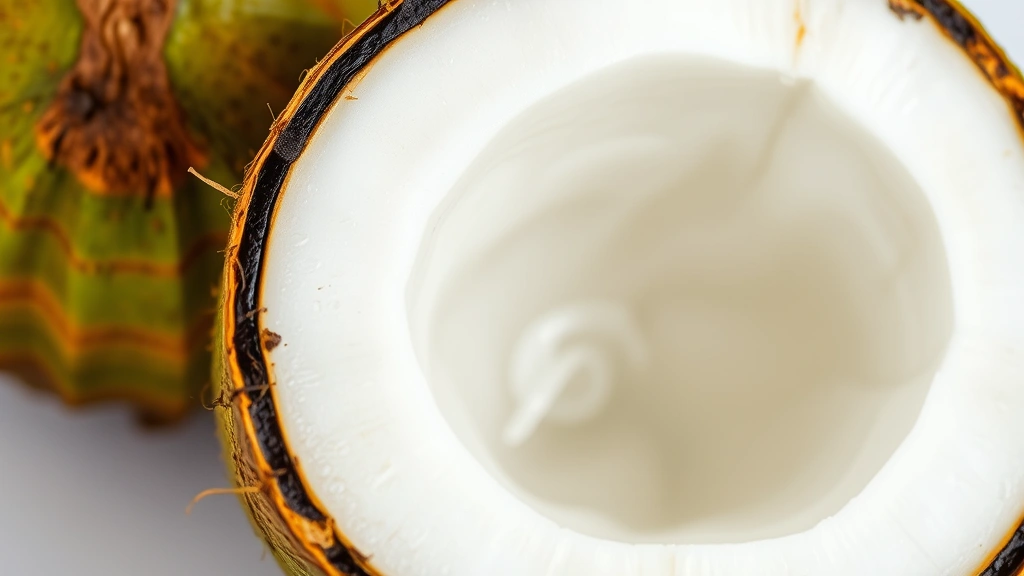
Coconut water is the clear liquid found inside young, green coconuts. It’s different from coconut milk, which is extracted from the white flesh of mature coconuts. This distinction is important for dog owners, as coconut milk contains significantly higher fat content and poses different nutritional considerations than coconut water.
The liquid develops naturally as the coconut matures and serves as a nutrient reservoir for the growing coconut fruit. It contains electrolytes, amino acids, vitamins, and minerals, which is why it’s marketed as a natural sports drink for humans. The composition varies slightly depending on the coconut’s maturity level, with younger coconuts typically containing more water and fewer nutrients per volume.
Commercial coconut water products available in grocery stores are typically extracted from young coconuts and may be packaged as pure coconut water or blended with other juices and additives. For dogs, the form you choose matters significantly, as added sugars and preservatives can create health concerns beyond the coconut water itself.
Safety Profile for Dogs
The good news: coconut water is not toxic to dogs. Unlike foods such as bacon or chocolate, coconut water won’t poison your pet if they accidentally ingest it. However, non-toxic doesn’t automatically mean beneficial or recommended as a regular dietary component.
Veterinarians generally classify coconut water as safe in small quantities for most healthy adult dogs. The American Kennel Club acknowledges that coconut products can be included in canine diets with appropriate caution. However, certain dogs should avoid it entirely or only consume it under veterinary supervision.
Dogs with specific health conditions—including kidney disease, heart conditions, or pancreatitis—should not consume coconut water without explicit veterinary approval. The electrolyte content, while beneficial for some situations, can be problematic for dogs with compromised organ function.
Nutritional Content Analysis
Understanding what’s actually in coconut water helps explain why veterinarians recommend caution. A typical 8-ounce serving of pure coconut water contains approximately:
- Potassium: 600-650mg (significant amount for small dogs)
- Sodium: 250mg
- Magnesium: 60mg
- Calcium: 60mg
- Carbohydrates: 9-12g (mostly natural sugars)
- Calories: 45-50
- Protein: 2g
- Fat: Less than 1g
The electrolyte profile is what makes coconut water interesting nutritionally. For humans engaged in intense exercise, this electrolyte composition supports rehydration. For dogs, however, the situation differs considerably. Dogs obtain adequate electrolytes through properly formulated commercial dog food, and their electrolyte needs vary based on activity level, health status, and individual metabolism.
The potassium content deserves particular attention. While potassium is essential for muscle function and heart health, excessive intake can cause hyperkalemia (elevated blood potassium), especially in dogs with kidney problems or those taking certain medications. A 10-pound dog consuming just a few ounces of coconut water could receive a substantial portion of their daily potassium needs, depending on their existing diet.
Potential Health Benefits
Some dog owners and alternative veterinarians suggest coconut water offers benefits for canine health. Let’s examine these claims through an evidence-based lens.
Hydration Support: Coconut water does contain electrolytes that support hydration. However, plain water remains superior for most dogs. The electrolyte benefit only becomes relevant in specific situations, such as after vomiting or diarrhea, and even then, veterinary electrolyte solutions are preferable because they’re formulated specifically for canine needs.
If your dog has experienced diarrhea, consult your veterinarian before offering any beverage beyond water. Veterinary-prescribed electrolyte solutions are formulated with the correct sodium-potassium-chloride ratios for dogs, unlike coconut water.
Antioxidant Properties: Coconut water contains some antioxidants, including lauric acid and other polyphenols. While these compounds have antioxidant properties in laboratory studies, the practical significance for dogs consuming small amounts of coconut water remains unclear. Dogs receive antioxidants from their regular diet, and there’s insufficient evidence that coconut water provides additional meaningful antioxidant benefits.
Digestive Support: Some proponents claim coconut water aids digestion. However, research supporting this claim in canines is minimal. The natural sugars in coconut water could actually cause digestive upset in dogs with sensitive stomachs, potentially worsening rather than improving digestive health.

Risks and Concerns
Sugar Content: The most significant concern with coconut water for dogs is sugar content. While naturally occurring, the 9-12 grams of sugar per 8-ounce serving can contribute to obesity and dental problems in dogs. This is particularly problematic for dogs already receiving treats or for those with diabetes or prediabetic conditions.
Even healthy dogs don’t require sugary beverages. Their nutritional needs are met through balanced dog food, and added sugar provides empty calories without nutritional benefit. For overweight dogs or those prone to weight gain, coconut water is an unnecessary source of calories.
Sodium and Potassium Imbalances: Dogs with heart disease, kidney disease, or hypertension need carefully controlled sodium and potassium intake. The mineral content in coconut water, while moderate for humans, can be problematic for these dogs. Additionally, some commercial coconut water products contain added sodium, further complicating the mineral balance.
Additives in Commercial Products: Many bottled coconut water products contain added sugars, artificial sweeteners, or preservatives. Some use xylitol as a sweetener—a substance extremely toxic to dogs that can cause liver failure and hypoglycemia even in small quantities. Always read labels carefully if you’re considering any coconut water product for your dog.
Caffeine Content: Some coconut water products, particularly those marketed as enhanced beverages, may contain caffeine from added ingredients. Caffeine is toxic to dogs and should always be avoided.
Digestive Upset: Some dogs experience gastrointestinal upset after consuming coconut water. The natural sugars and unfamiliar components can trigger diarrhea, vomiting, or stomach discomfort, especially in dogs with sensitive digestive systems or those not accustomed to novel foods.
Proper Serving Guidelines
If you’ve consulted with your veterinarian and determined that your specific dog can safely consume coconut water, follow these guidelines:
- Use Pure Coconut Water Only: Select products with no added sugars, sodium, artificial sweeteners, or other additives. The ingredient list should contain only coconut water.
- Offer Sparingly: Limit coconut water to occasional treats, not regular hydration. A few tablespoons once or twice weekly for a medium-sized dog is a reasonable upper limit.
- Dilute When Possible: Consider diluting coconut water with water to reduce sugar and electrolyte concentration. A 1:1 or 1:2 ratio (coconut water to water) maintains hydration benefits while reducing potential risks.
- Monitor Your Dog: Watch for adverse reactions including vomiting, diarrhea, or behavioral changes. Discontinue use immediately if any negative symptoms appear.
- Avoid for Specific Conditions: Never offer coconut water to dogs with kidney disease, heart conditions, diabetes, pancreatitis, or those taking medications affecting electrolyte balance without explicit veterinary approval.
- Account for Total Diet: Remember that any treats, including coconut water, should comprise no more than 10% of your dog’s daily caloric intake. Adjust regular meals accordingly if offering coconut water.
Better Hydration Alternatives
Rather than coconut water, consider these superior hydration options for your dog:
Plain Water: This remains the gold standard for canine hydration. Fresh, clean water should be available to your dog at all times. It contains no sugars, additives, or excess minerals that could cause problems.
Dog-Specific Electrolyte Solutions: If your dog needs electrolyte replacement due to illness, vomiting, or diarrhea, veterinary-formulated electrolyte solutions are specifically designed for canine needs. Your veterinarian can recommend appropriate products.
Bone Broth: Unsalted, homemade bone broth (with no onions or garlic) provides hydration plus collagen and amino acids. Offer in small quantities as an occasional treat, not as primary hydration.
Low-Sodium Vegetable Broth: Similar to bone broth, low-sodium vegetable broth can provide variety while supporting hydration. Ensure it contains no harmful ingredients like onions or garlic.
Watermelon or Cucumber: These water-rich vegetables provide hydration with minimal calories and natural nutrients. They’re excellent alternatives for dogs seeking something beyond plain water.
For dogs with specific health concerns, always consult your veterinarian about appropriate hydration strategies. If your dog has experienced dietary issues or has food sensitivities similar to how some dogs react to broccoli, your vet can recommend hydration options tailored to your pet’s needs.
FAQ
Can puppies drink coconut water?
Puppies should not consume coconut water. Their developing systems are particularly sensitive to electrolyte imbalances and excess sugars. Puppies require carefully balanced nutrition, and coconut water provides unnecessary complications. Stick to fresh water and age-appropriate puppy food formulated for their developmental needs.
What if my dog accidentally drank coconut water?
A small accidental ingestion of pure coconut water is unlikely to cause serious problems in most healthy dogs. Monitor your dog for signs of digestive upset over the next 24 hours. If your dog consumed a large quantity or a product containing xylitol or other harmful additives, contact your veterinarian or poison control immediately.
Is coconut water better than regular water for active dogs?
No. For most active dogs, plain water remains the best hydration choice. Dogs don’t require the electrolyte composition of coconut water during normal exercise. After intense activity or in hot weather, plain water is appropriate. Only in cases of significant fluid loss from vomiting or diarrhea do electrolyte solutions become necessary, and veterinary formulations are preferable.
Can dogs with kidney disease have coconut water?
Dogs with kidney disease should not consume coconut water without explicit veterinary approval. The potassium and sodium content can complicate kidney disease management and worsen the condition. Your veterinarian will provide specific dietary guidelines for dogs with kidney problems.
Is coconut oil different from coconut water for dogs?
Yes, significantly. Coconut oil is extracted from the flesh of mature coconuts and is high in saturated fat. While some veterinarians discuss potential benefits of small amounts of coconut oil for dogs, it’s entirely different from coconut water. Coconut oil should only be offered under veterinary guidance and in minimal quantities, as excessive fat intake can cause pancreatitis.
Can I give my dog coconut water with added electrolytes?
Products marketed as coconut water with added electrolytes are not recommended for dogs. These products are designed for human consumption and their electrolyte ratios don’t match canine needs. If your dog requires electrolyte replacement, use veterinary-formulated solutions specifically designed for dogs.
What about coconut water for senior dogs?
Senior dogs should avoid coconut water, particularly if they have any age-related health conditions such as kidney disease, heart problems, or diabetes—all common in aging dogs. The sugar content may also contribute to weight gain or dental problems in older dogs. Consult your senior dog’s veterinarian about appropriate hydration strategies tailored to their specific health status.





