
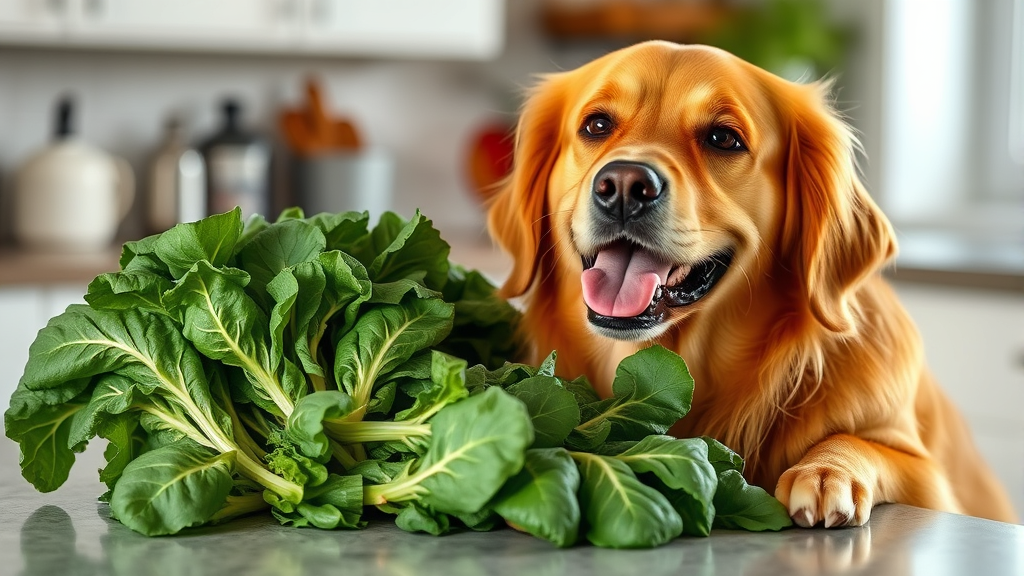
Many dog owners find themselves wondering about the safety of various human foods for their furry companions, and collard greens are no exception. These nutrient-dense leafy vegetables are a staple in many kitchens, packed with vitamins and minerals that benefit human health. But when it comes to sharing these greens with your canine friend, it’s essential to understand both the potential benefits and risks involved.
The short answer is yes, dogs can eat collard greens in moderation, but there are important considerations every pet owner should know before adding them to their dog’s diet. From proper preparation methods to understanding potential digestive issues, this comprehensive guide will help you make informed decisions about incorporating collard greens into your dog’s meal plan safely and effectively.
Nutritional Benefits of Collard Greens for Dogs
Collard greens are nutritional powerhouses that can provide several health benefits for dogs when served appropriately. These dark, leafy vegetables are rich in vitamins A, C, and K, which support immune function, skin health, and proper blood clotting. The high vitamin A content is particularly beneficial for maintaining healthy vision and supporting your dog’s immune system.
The calcium content in collard greens can contribute to strong bones and teeth, while the iron helps maintain healthy blood circulation. Additionally, these greens contain folate, which is essential for proper cell division and DNA synthesis. The antioxidants present in collard greens, including beta-carotene and lutein, help combat free radicals and may reduce inflammation in your dog’s body.
Fiber is another significant component of collard greens that can aid in digestive health. When introduced gradually and in appropriate amounts, the fiber content can help regulate bowel movements and support a healthy gut microbiome. However, it’s important to note that too much fiber can cause digestive upset, which is why moderation is key when feeding collard greens to dogs.
Safety Considerations and Potential Risks
While collard greens can be beneficial for dogs, there are several safety considerations to keep in mind. One of the primary concerns is the oxalate content in these vegetables. Oxalates can bind with calcium and potentially contribute to the formation of kidney stones in susceptible dogs. This is particularly important for dogs with a history of urinary issues or kidney problems.
Another consideration is the potential for digestive upset, especially when collard greens are introduced suddenly or fed in large quantities. Dogs have shorter digestive tracts than humans and may have difficulty processing large amounts of fibrous vegetables. Symptoms of digestive distress can include gas, bloating, diarrhea, or stomach discomfort.
The American Kennel Club emphasizes the importance of introducing new foods gradually to monitor your dog’s reaction. Some dogs may also be allergic to certain vegetables, though this is relatively uncommon with collard greens. It’s always wise to start with very small amounts and observe your dog for any adverse reactions before increasing the serving size.
Proper Preparation Methods for Dogs
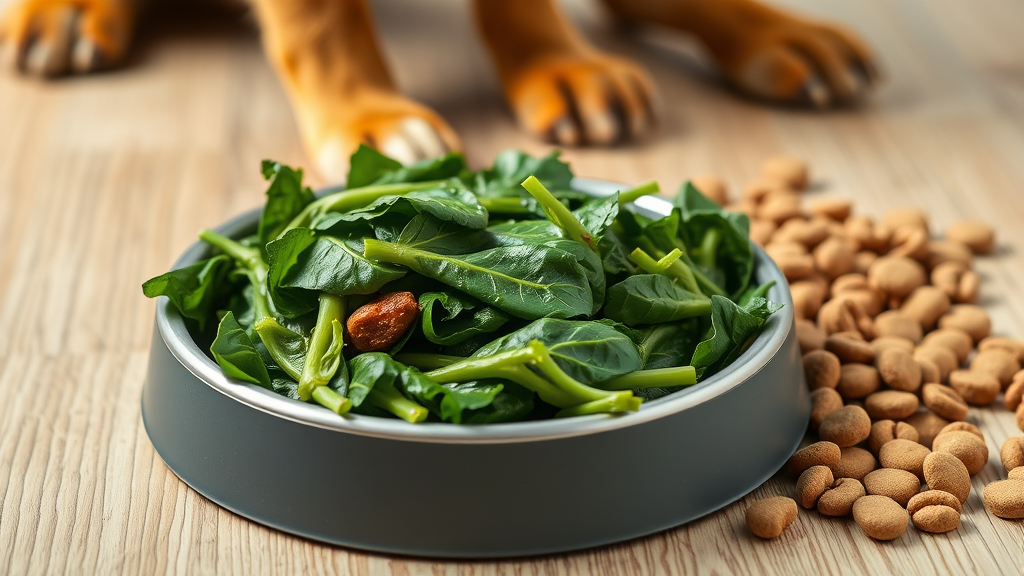
Proper preparation of collard greens is crucial for making them safe and digestible for your dog. Raw collard greens can be difficult for dogs to digest and may cause more digestive upset than cooked varieties. The best approach is to steam or lightly boil the collard greens until they are tender, which helps break down the tough fibers and makes the nutrients more bioavailable.
When preparing collard greens for your dog, avoid adding any seasonings, oils, butter, or salt. These additives can be harmful to dogs and may cause digestive issues or other health problems. Garlic and onions, commonly used in human preparations of collard greens, are particularly toxic to dogs and should never be included. Similar to how you might prepare broccoli for your dog, simplicity is key.
After cooking, allow the collard greens to cool completely before serving them to your dog. You can chop them into small, manageable pieces that are appropriate for your dog’s size. Some pet owners prefer to puree cooked collard greens and mix them with their dog’s regular food, which can make them easier to digest and more appealing to picky eaters.
Appropriate Serving Sizes and Frequency
Determining the right serving size of collard greens for your dog depends on several factors, including your pet’s size, weight, and overall health status. As a general rule, vegetables should make up no more than 10% of your dog’s daily caloric intake. For a small dog weighing 10-20 pounds, a tablespoon of cooked, chopped collard greens once or twice a week is typically sufficient.
Medium-sized dogs (20-50 pounds) can generally handle 2-3 tablespoons of prepared collard greens per serving, while larger dogs (over 50 pounds) may be able to consume up to 1/4 cup. However, these are general guidelines, and individual dogs may have different tolerances. The American Veterinary Medical Association recommends consulting with your veterinarian before making significant changes to your dog’s diet.
Frequency is just as important as serving size. Collard greens should be considered an occasional treat rather than a daily staple. Offering them once or twice per week allows you to provide variety in your dog’s diet while minimizing the risk of digestive upset or nutrient imbalances. Just like when considering cauliflower for your pet, moderation ensures safety and enjoyment.
Dogs with Special Health Conditions
Certain health conditions may affect whether collard greens are appropriate for your dog. Dogs with kidney disease or a history of kidney stones should avoid collard greens due to their oxalate content. The oxalates can exacerbate existing kidney problems and potentially contribute to stone formation. If your dog has any kidney-related health issues, consult your veterinarian before introducing any new vegetables to their diet.
Dogs with sensitive stomachs or inflammatory bowel disease may also need to avoid collard greens or consume them in very limited quantities. The high fiber content can sometimes worsen digestive symptoms in dogs with these conditions. Additionally, dogs taking certain medications, particularly blood thinners, should be monitored closely if consuming collard greens due to the high vitamin K content, which can affect blood clotting.
Diabetic dogs may benefit from the low glycemic index of collard greens, but portion control becomes even more critical to maintain stable blood sugar levels. Always work with your veterinarian to determine if collard greens are appropriate for dogs with special dietary needs or health conditions. The FDA’s guidance on pet nutrition provides additional resources for understanding your dog’s dietary requirements.
Alternative Vegetables for Your Dog
If collard greens don’t seem suitable for your dog or if you’re looking for variety in their vegetable intake, there are several excellent alternatives to consider. Brussels sprouts offer similar nutritional benefits with potentially less oxalate content, though they should also be prepared properly and served in moderation to avoid gas and digestive upset.
Green beans are often considered one of the safest vegetables for dogs, providing fiber, vitamins, and minerals without many of the concerns associated with leafy greens. Carrots are another excellent option, offering beta-carotene and a satisfying crunch that many dogs enjoy. They can be served raw or cooked and are generally well-tolerated by most dogs.
For dogs who enjoy squash varieties, both squash and zucchini provide excellent nutritional value with lower oxalate content than collard greens. Sweet potatoes are also popular among pet owners due to their natural sweetness and high vitamin A content. The Humane Society provides comprehensive information about safe and unsafe foods for dogs, helping you make informed choices about your pet’s diet.
Signs to Watch For After Feeding
After introducing collard greens to your dog’s diet, it’s important to monitor them closely for any signs of adverse reactions. Digestive upset is the most common issue and may manifest as loose stools, diarrhea, excessive gas, or vomiting. These symptoms typically appear within 6-12 hours of consumption and may indicate that your dog is sensitive to collard greens or that the portion size was too large.
Other signs to watch for include changes in appetite, lethargy, or unusual behavior. Some dogs may experience allergic reactions, though this is rare with collard greens. Signs of an allergic reaction can include itching, skin redness, swelling, or difficulty breathing. If you notice any of these symptoms, discontinue feeding collard greens immediately and contact your veterinarian.
It’s also important to monitor your dog’s urination patterns, especially if they have a history of kidney issues. Increased frequency of urination, straining, or changes in urine color could indicate problems related to oxalate consumption. Keep a food diary when introducing new vegetables like collard greens, noting the amount given, your dog’s reaction, and any symptoms observed. This information can be valuable for your veterinarian if issues arise.
According to ASPCA guidelines, any significant changes in your dog’s behavior or health after consuming new foods warrant veterinary attention. When in doubt, it’s always better to err on the side of caution and seek professional advice.
Frequently Asked Questions
Can puppies eat collard greens?
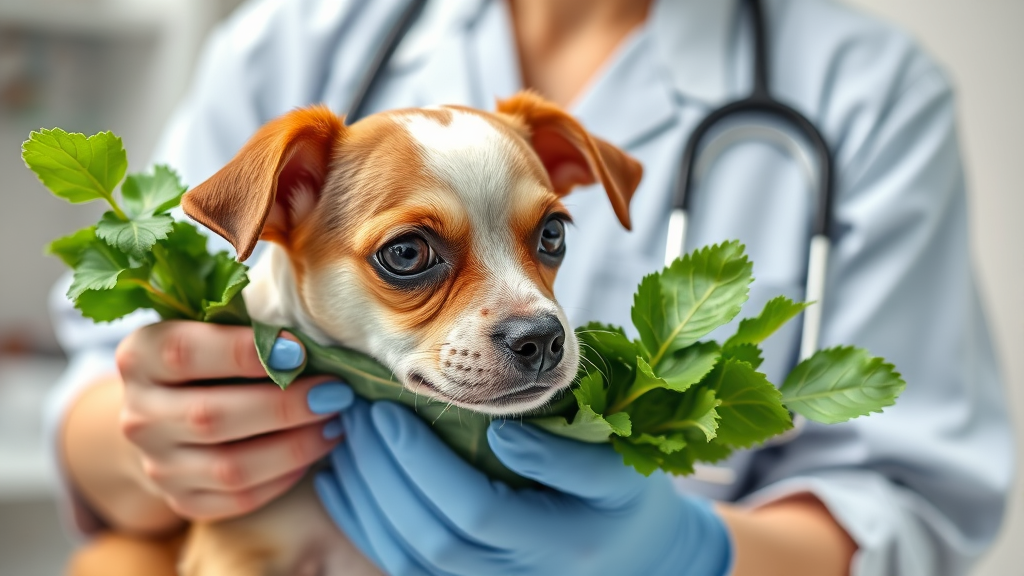
Puppies can eat small amounts of properly prepared collard greens, but their digestive systems are more sensitive than adult dogs. It’s best to wait until puppies are at least 12 weeks old and have been eating solid food regularly before introducing any new vegetables. Start with very small amounts and consult your veterinarian first, as puppies have specific nutritional requirements that should primarily be met through high-quality puppy food.
Are raw collard greens safe for dogs?
While raw collard greens aren’t toxic to dogs, they’re not recommended due to their tough, fibrous texture that can be difficult to digest. Raw collard greens may cause more digestive upset than cooked ones and can be harder for dogs to break down. Steaming or lightly boiling collard greens makes them safer and more digestible while maintaining most of their nutritional value.
How often can I give my dog collard greens?
Collard greens should be offered as an occasional treat, not a regular part of your dog’s diet. Once or twice per week is generally sufficient for most dogs. Remember that vegetables should make up no more than 10% of your dog’s total daily caloric intake, and collard greens should be just one component of any vegetable treats you provide.
Can dogs with kidney disease eat collard greens?
Dogs with kidney disease or a history of kidney stones should generally avoid collard greens due to their oxalate content. Oxalates can bind with calcium and potentially worsen kidney problems or contribute to stone formation. If your dog has kidney issues, consult your veterinarian before introducing any new vegetables to their diet.
What should I do if my dog ate too many collard greens?
If your dog consumed a large amount of collard greens, monitor them closely for signs of digestive upset such as vomiting, diarrhea, or excessive gas. Ensure they have access to fresh water and consider withholding food for 12-24 hours to allow their digestive system to settle. Contact your veterinarian if symptoms are severe or persist for more than 24 hours.
Are collard green stems safe for dogs?
Collard green stems are not recommended for dogs as they’re much tougher and more fibrous than the leaves. The stems can be difficult to digest and may pose a choking hazard, especially for smaller dogs. Always remove the stems and use only the leafy portions when preparing collard greens for your dog.
Can I mix collard greens with my dog’s regular food?
Yes, mixing small amounts of properly prepared collard greens with your dog’s regular food can be a good way to introduce them gradually. This method often makes the vegetables more appealing to picky eaters and can help prevent digestive upset by diluting the fiber content. Start with very small amounts mixed into their usual meal and gradually increase if your dog tolerates them well.





