
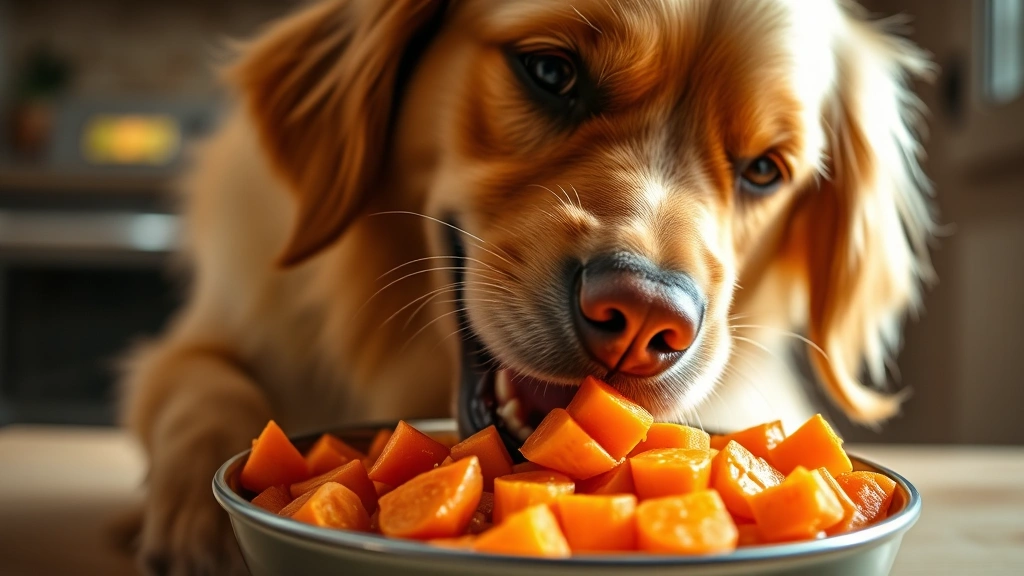
Can Dogs Eat Cooked Carrots? Vet-Approved Insights
If you’ve ever caught your furry friend eyeing your dinner plate with those irresistible puppy-dog eyes, you’ve probably wondered whether it’s safe to toss them a piece of carrot. The good news? Cooked carrots are not only safe for dogs—they’re actually a nutritious treat that many veterinarians recommend! But before you start feeding your pup carrots at every meal, let’s dig into what you need to know about this crunchy vegetable and how to serve it safely.
Carrots have been a staple in dog treats and training rewards for good reason. They’re low in calories, packed with vitamins, and offer a satisfying texture that dogs love. Whether your dog is a picky eater or a trash-can-on-four-legs, understanding how to properly incorporate carrots into their diet can be a game-changer for their health and happiness.
In this comprehensive guide, we’ll explore everything from nutritional benefits to preparation methods, portion sizes, and potential risks. By the end, you’ll be a carrot-feeding expert ready to give your pup this wholesome snack with confidence.
Are Cooked Carrots Safe for Dogs?
Absolutely! Cooked carrots are completely safe for dogs and are frequently recommended by veterinarians as a healthy snack option. Unlike some human foods that can be toxic to canines, carrots present no known risks when prepared properly. The cooking process actually makes certain nutrients more bioavailable for your dog’s digestive system, meaning their body can absorb and utilize these nutrients more effectively.
When you cook carrots, the cell walls break down, making it easier for your dog’s digestive tract to process them. This is particularly beneficial for senior dogs or those with sensitive stomachs. The softened texture also reduces the choking risk that might exist with raw carrots, especially for dogs who tend to gulp their food without much chewing.
However, it’s important to note that while cooked carrots are safe, they should always be prepared without added seasonings, salt, or butter. Plain, simple preparation is key to keeping this treat healthy for your four-legged friend. If you’re considering adding vegetables to your dog’s diet more broadly, you might want to explore safe vegetables for dogs to diversify their options.
Nutritional Benefits of Carrots for Dogs
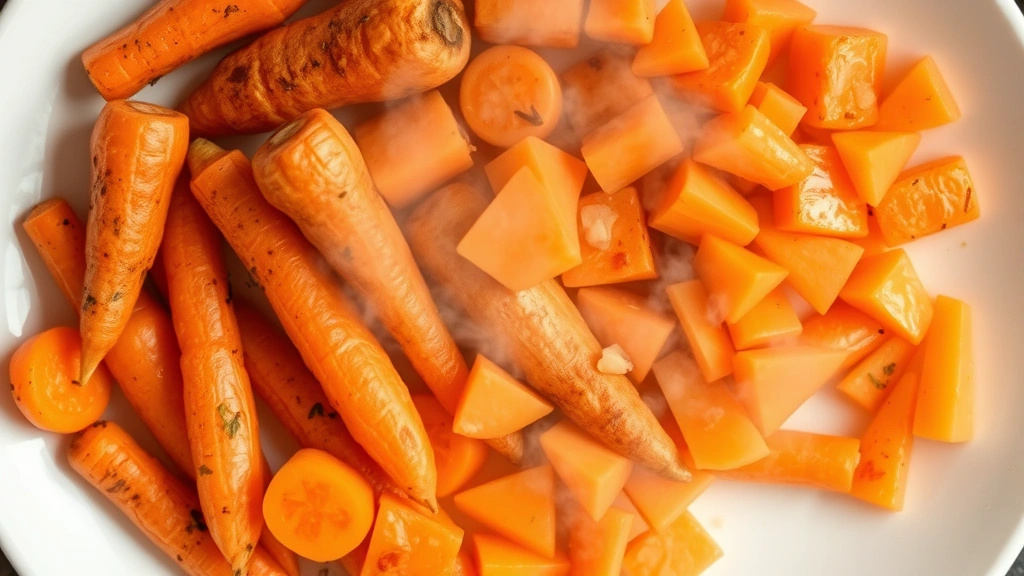
Carrots are nutritional powerhouses that offer impressive health benefits for your canine companion. They’re rich in beta-carotene, which converts to vitamin A in your dog’s body—essential for maintaining healthy vision, skin, and immune function. One medium carrot contains about 184 micrograms of beta-carotene, making it an excellent natural source of this vital nutrient.
Beyond vitamin A, cooked carrots provide:
- Fiber: Supports digestive health and helps maintain healthy bowel movements
- Potassium: Important for heart health and muscle function
- Vitamin K: Contributes to bone health and blood clotting
- Vitamin C: Supports immune system function and collagen production
- Antioxidants: Help protect cells from oxidative damage and may reduce inflammation
The low-calorie nature of carrots (only about 25 calories per medium carrot) makes them an excellent choice for weight-conscious pups. If you’re thinking about your dog’s overall nutrition and how treats fit into their diet, understanding how much food should I feed my dog is crucial for maintaining optimal health.
Research from the Association of American Feed Control Officials (AAFCO) emphasizes that treats should comprise no more than 10% of a dog’s daily caloric intake, with the remaining 90% coming from their regular balanced diet. This guideline helps ensure that while your dog enjoys healthy treats like carrots, they’re still receiving complete and balanced nutrition from their primary food source.
How to Prepare Cooked Carrots for Dogs
Preparing cooked carrots for your dog is straightforward and requires minimal effort. The key is keeping things simple and avoiding any additives that might upset their stomach or add unnecessary calories.
Boiling Method (Most Common):
- Wash fresh carrots thoroughly under running water to remove dirt and pesticides
- Cut carrots into appropriate sizes (see portion guidelines below)
- Place carrots in a pot of water without any salt or seasoning
- Bring water to a boil and simmer for 10-15 minutes until carrots are soft
- Drain completely and allow to cool before serving
- Store leftovers in an airtight container in the refrigerator for up to 5 days
Steaming Method (Preserves More Nutrients):
- Prepare carrots as described above
- Place in a steamer basket over boiling water
- Steam for 12-15 minutes until tender
- Cool completely before serving to your dog
Baking Method:
- Preheat oven to 375°F (190°C)
- Arrange cut carrots on a baking sheet
- Bake for 20-25 minutes until soft
- Cool thoroughly before offering to your pup
Never use microwave cooking with carrots intended for dogs, as it can create uneven heat distribution and potentially burn your dog’s mouth. Always ensure carrots are completely cooled before serving.
Portion Guidelines and Frequency
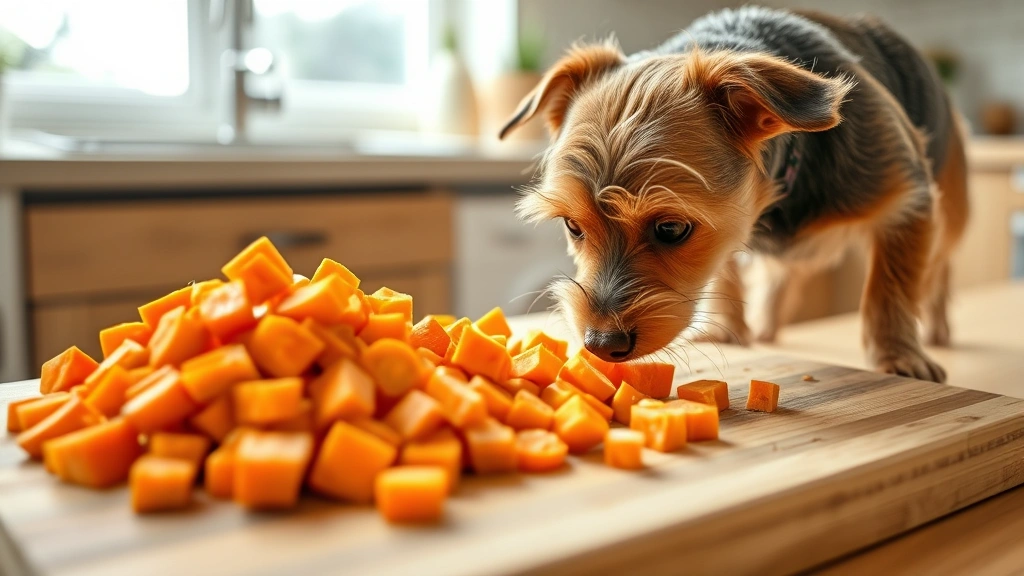
While carrots are healthy, moderation is essential. The appropriate portion size depends on your dog’s size, age, and overall diet. Here’s a practical breakdown:
- Small Dogs (Under 10 lbs): 1-2 small carrot pieces, 2-3 times per week
- Medium Dogs (10-50 lbs): 1-2 medium carrot chunks, 3-4 times per week
- Large Dogs (Over 50 lbs): 2-3 medium carrot pieces, up to 5 times per week
A helpful rule of thumb is that treats (including carrots) should never exceed 10% of your dog’s daily caloric intake. For example, if your dog requires 1,000 calories per day, treats should total no more than 100 calories. Since each medium carrot contains approximately 25 calories, this means a medium-sized dog could safely consume about 4 medium carrots daily as treats without disrupting their balanced diet.
If you’re incorporating cooked carrots into your dog’s meal plan alongside other foods, consider exploring homemade dog food recipes that include carrots as a nutritious ingredient rather than just an occasional treat.
Raw vs. Cooked Carrots: Which is Better?
Both raw and cooked carrots are safe for dogs, but each has distinct advantages and considerations. Understanding the differences helps you choose the best option for your individual dog’s needs.
Raw Carrots:
- Retain maximum vitamins and nutrients
- Provide natural teeth-cleaning action through chewing
- Offer satisfying crunch that many dogs enjoy
- Present choking risk for aggressive chewers or senior dogs
- May be harder to digest for dogs with sensitive stomachs
- Can be stringy and get stuck between teeth
Cooked Carrots:
- Easier to digest for most dogs
- Softer texture reduces choking hazard
- More bioavailable nutrients for elderly or compromised digestive systems
- Better suited for puppies and senior dogs
- Slightly reduced nutrient content due to cooking
- More convenient for portion control
For most healthy adult dogs, raw carrots are excellent—particularly as a teeth-cleaning snack. However, cooked carrots are superior for puppies, seniors, and dogs with digestive issues. Many vets suggest offering both varieties to maximize benefits. If you’re exploring the broader topic of are carrots good for dogs, you’ll find that the answer is an emphatic yes, regardless of preparation method.
Potential Risks and Precautions
While cooked carrots are generally very safe, there are a few precautions to keep in mind to ensure your dog enjoys them without complications.
Choking Hazard: Even though cooked carrots are softer than raw ones, they can still pose a choking risk if served in large chunks or to dogs who don’t chew properly. Always cut carrots into appropriately sized pieces—roughly the size of your dog’s mouth or smaller.
Digestive Upset: Introducing carrots too quickly or in excessive amounts can cause mild digestive upset, including loose stools or diarrhea. Introduce carrots gradually and monitor your dog’s response. If your dog has a sensitive stomach, consult your veterinarian before adding carrots to their diet.
Sugar Content: While carrots are relatively low in sugar compared to many fruits, they do contain natural sugars. For diabetic dogs, consult your vet about appropriate portion sizes. The AAFCO provides guidelines for managing diabetic dogs’ diets, and your veterinarian can offer personalized recommendations.
Allergic Reactions: Though rare, some dogs may have allergies to carrots. Signs include itching, hives, swelling, or gastrointestinal distress. If you notice any of these symptoms after offering carrots, discontinue and consult your veterinarian immediately.
Nutrient Imbalance: Never use carrots as a meal replacement. Dogs require complete and balanced nutrition from their primary diet. Carrots should complement, not replace, their regular food. If you’re considering more substantial dietary changes, review information about can dogs eat sweet potatoes and other wholesome options that can be incorporated into balanced meal plans.
According to the ASPCA, maintaining proper nutrition is crucial for preventing obesity and related health issues in dogs. Treats like carrots can be part of a healthy lifestyle when offered appropriately alongside regular exercise and balanced meals.
Easy Carrot Recipes for Dogs
Ready to get creative with carrots? Here are some simple, dog-approved recipes that incorporate this nutritious vegetable:
Simple Carrot Bites:
- Cook carrots as described above
- Cut into bite-sized pieces
- Freeze on a baking sheet for 2 hours
- Transfer to freezer bags for long-term storage
- Serve frozen on hot days for a refreshing treat
Carrot and Pumpkin Treats:
- Mix 1 cup cooked, mashed carrots with 1 cup canned pumpkin (not pie filling)
- Add 2 cups whole wheat flour
- Form into small balls or press into ice cube trays
- Freeze overnight
- Offer as occasional treats (maximum 2-3 per day for medium dogs)
Carrot and Chicken Broth Popsicles:
- Cook carrots until very soft
- Blend with low-sodium chicken broth (unsalted)
- Pour into ice cube trays or popsicle molds
- Freeze completely
- Serve as a cooling treat during warm months
Homemade Carrot Dog Biscuits:
- Mix 2 cups whole wheat flour, 1 cup cooked mashed carrots, and 1 egg
- Add 2 tablespoons unsalted peanut butter (xylitol-free)
- Knead into dough and roll out
- Cut into shapes and bake at 350°F for 20 minutes until firm
- Cool completely before storing in an airtight container
These recipes make excellent additions to your dog’s treat rotation. For more comprehensive feeding ideas, explore homemade dog food recipes that include balanced nutrition guidelines from veterinary nutritionists.
Frequently Asked Questions
How often can I give my dog cooked carrots?
Most healthy dogs can enjoy cooked carrots 3-5 times per week as treats, as long as they don’t exceed 10% of daily caloric intake. However, individual dogs have different needs, so consult your veterinarian for personalized recommendations based on your dog’s age, size, and health status.
Can puppies eat cooked carrots?
Yes! Cooked carrots are safe and beneficial for puppies. In fact, the soft texture makes them ideal for young dogs. Start with small pieces and introduce gradually to ensure their developing digestive systems tolerate them well. Puppies can typically enjoy cooked carrots 2-3 times per week.
Are cooked carrots good for senior dogs?
Absolutely. Senior dogs often benefit from cooked carrots due to their softer texture, lower calorie content, and nutrient density. The easier digestibility makes them particularly suitable for older dogs with compromised digestive systems. Many senior dogs also appreciate the gentle chewing required for cooked carrots compared to harder treats.
Can dogs with diabetes eat cooked carrots?
While carrots are lower in sugar than many fruits, diabetic dogs should have limited portions. Consult your veterinarian about appropriate serving sizes, as individual dogs with diabetes have specific dietary requirements. Your vet may recommend specific portion guidelines or suggest alternatives better suited to your dog’s condition.
What should I do if my dog has an allergic reaction to carrots?
Discontinue offering carrots immediately and contact your veterinarian. Allergic reactions may include itching, hives, swelling of the face or throat, vomiting, or diarrhea. Your vet can determine whether it’s a true allergy or intolerance and recommend suitable alternatives. Keep a record of the reaction to help your vet provide better guidance.
Can cooked carrots replace meals?
No. Carrots should never replace your dog’s regular meals. While nutritious, carrots lack complete and balanced nutrition required for optimal health. They should comprise no more than 10% of daily caloric intake, with the remaining 90% coming from a complete and balanced dog food formulated by veterinary nutritionists.
How long can I store cooked carrots for my dog?
Cooked carrots stored in an airtight container in the refrigerator last 4-5 days. Frozen cooked carrots can be stored for up to 3 months. Always check for signs of spoilage (mold, off-smell, or unusual appearance) before serving to your dog.
Are there any dogs that shouldn’t eat carrots?
Most dogs can safely eat cooked carrots. However, dogs with severe digestive issues, certain allergies, or specific medical conditions may need to avoid them. Additionally, dogs on restricted diets for medical reasons should have any dietary additions approved by their veterinarian first. When in doubt, consult your vet before introducing new foods.





