
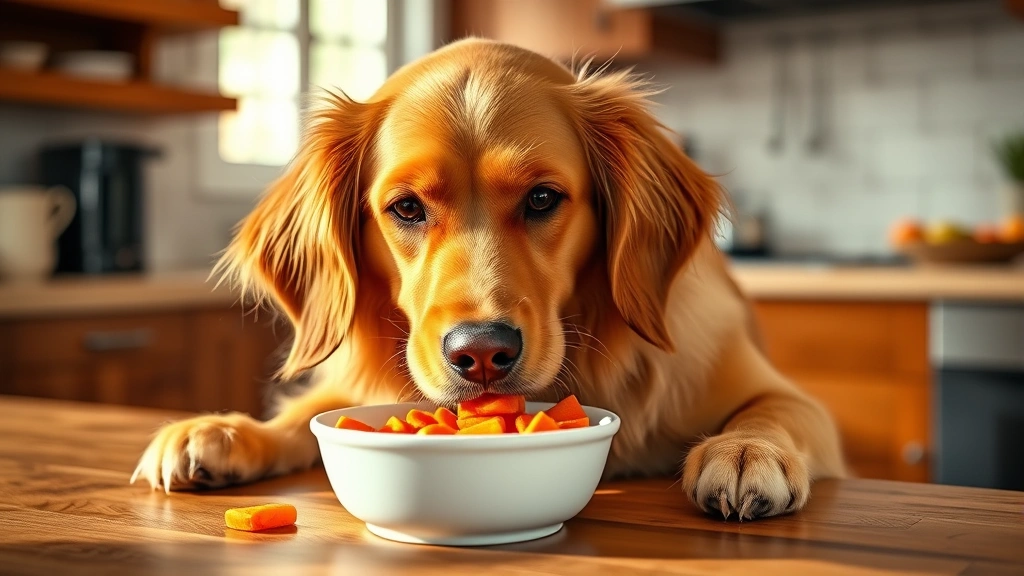
Can Dogs Eat Cooked Carrots? A Healthy Treat Guide
If you’ve ever caught your furry friend eyeing your dinner plate with those irresistible puppy-dog eyes, you’ve probably wondered what human foods are actually safe for them. Carrots are one of those vegetables that pop up in conversations about dog nutrition all the time, and for good reason! The answer to “can dogs eat cooked carrots?” is a resounding yes, but there’s more to the story than just a simple thumbs-up.
Cooked carrots can be a fantastic addition to your dog’s diet, offering nutritional benefits without the risks associated with many other human foods. Whether you’re looking to add variety to their meals, reward good behavior with a healthy treat, or simply understand what’s safe to share from your kitchen, this comprehensive guide will walk you through everything you need to know about feeding cooked carrots to your canine companion.
Let’s dig into the orange goodness and discover why veterinarians often recommend carrots as one of the best vegetable options for dogs!
Nutritional Benefits of Cooked Carrots
Carrots are nutritional powerhouses for dogs, packed with vitamins, minerals, and beneficial compounds that support overall health. When you cook carrots, you’re actually making some of their nutrients more bioavailable, meaning your dog’s body can absorb them more effectively. This is particularly true for beta-carotene, which converts to vitamin A in your dog’s system.
Vitamin A is crucial for maintaining healthy vision, supporting immune function, and promoting skin and coat health. Dogs with dull coats or eye issues might benefit from the vitamin A boost that carrots provide. Fiber content in carrots supports digestive health, which is why they’re often recommended for dogs experiencing digestive issues or needing help maintaining a healthy weight.
Beyond the major nutrients, cooked carrots contain potassium for heart health, antioxidants that fight free radicals, and manganese for bone development. Unlike many commercial dog treats loaded with preservatives and artificial ingredients, carrots are a whole food option that delivers genuine nutritional value. When you’re considering whether carrots are good for dogs, the nutritional profile makes a compelling case.
The low-calorie nature of carrots (about 25 calories per medium carrot) makes them an excellent choice for weight management. If your dog needs to shed a few pounds, cooked carrots can satisfy their desire for treats without contributing significantly to calorie overload.
Safety Guidelines for Dogs
While cooked carrots are generally very safe for dogs, there are important guidelines to follow to ensure you’re serving them responsibly. The good news is that carrots are non-toxic to dogs, meaning you don’t need to worry about accidental poisoning if your pup sneaks a piece off the counter.
When exploring safe vegetables for dogs, carrots consistently rank among the safest options. However, safety goes beyond just toxicity—it includes proper preparation, appropriate portions, and understanding your individual dog’s health status.
Always ensure carrots are cooked thoroughly to eliminate any potential bacterial contamination and to soften them appropriately. Avoid adding salt, butter, spices, or seasonings that could upset your dog’s stomach or contribute to health issues. Plain, cooked carrots are the way to go. If you’re preparing carrots for yourself and want to share with your dog, rinse off any added seasonings under cool water before serving.
Dogs with certain health conditions should have veterinary approval before significantly changing their diet. If your dog has kidney disease, diabetes, or other chronic conditions, consult your vet before making carrots a regular treat. Additionally, dogs with dental problems might struggle with cooked carrots if they’re still too firm, so ensure they’re soft enough for easy consumption.
How to Prepare Cooked Carrots
Preparing cooked carrots for your dog is incredibly simple, but doing it right ensures maximum safety and nutritional benefit. Here are the most effective methods:
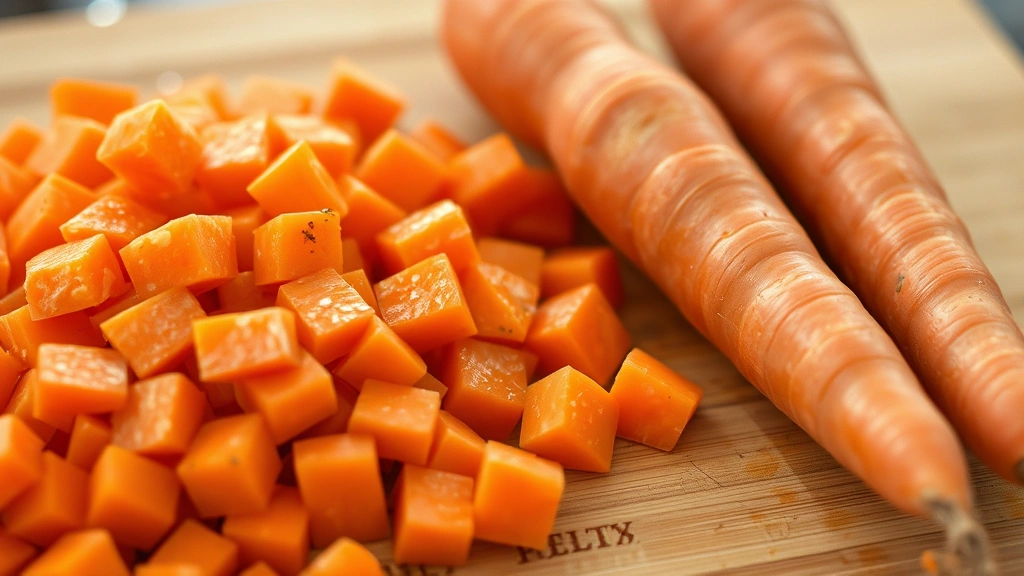
Boiling Method: This is the most common and safest approach. Simply cut carrots into appropriate-sized pieces (we’ll discuss sizes shortly), place them in a pot of water, and boil for 10-15 minutes until they’re soft enough to easily pierce with a fork. Drain thoroughly and let them cool completely before serving. Boiling is ideal because it doesn’t add any fats or oils that could cause digestive upset.
Steaming Method: Steaming preserves slightly more nutrients than boiling and is equally safe. Place carrot pieces in a steamer basket over boiling water for 12-18 minutes until tender. This method is fantastic because you’re not leaching nutrients into boiling water.
Slow Cooker Method: If you’re already using your slow cooker for family meals, you can add plain carrots and cook them on low for 6-8 hours. This is convenient for preparing larger batches to portion out throughout the week.
Never use the microwave to cook carrots for dogs, as uneven heating can create hot spots that might burn your dog’s mouth. Always prioritize safety over convenience when it comes to your pet’s food preparation.
Proper Serving Sizes and Portions
Understanding appropriate portion sizes is critical for maintaining your dog’s overall nutritional balance and preventing digestive issues. The general rule is that treats—including vegetable treats—should comprise no more than 10% of your dog’s daily caloric intake, with the remaining 90% coming from their regular balanced diet.
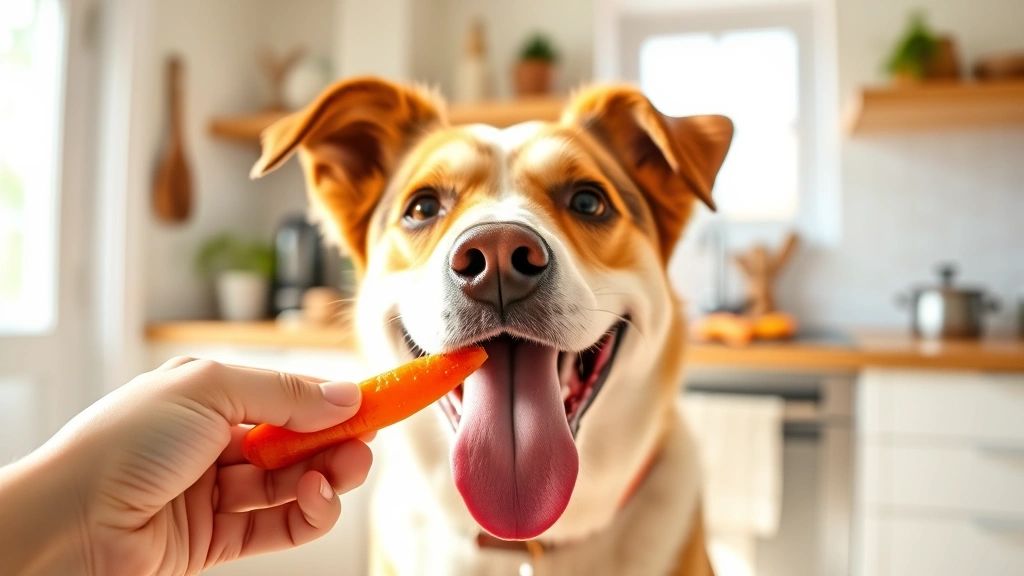
For a typical medium-sized dog (25-50 pounds), serving 1-2 cooked carrot pieces a few times per week is appropriate. Smaller dogs (under 25 pounds) should receive smaller portions, perhaps just half a carrot or one small piece. Larger breeds (over 50 pounds) can handle larger portions but should still follow the 10% treat rule.
When determining how much to feed, consider your dog’s current diet and caloric needs. If you’re unsure about how much food you should feed your dog, consult with your veterinarian to establish a baseline before adding treats.
Start with small portions when first introducing cooked carrots to your dog’s diet. Some dogs have sensitive stomachs and might experience mild digestive upset if too much fiber is introduced suddenly. Monitor your dog for 24-48 hours after the first serving to ensure there are no adverse reactions.
If your dog shows interest in carrots and tolerates them well, you can gradually increase to a regular serving schedule. Many dog owners find that serving cooked carrots 2-3 times per week provides variety without overdoing it on any single food item.
Raw vs. Cooked: Which Is Better?
This is one of the most common questions about carrots and dogs, and the answer depends on several factors. Both raw and cooked carrots are safe for dogs, but they offer slightly different benefits and considerations.
Cooked carrots have several advantages: they’re easier to digest, the nutrients are more bioavailable (especially beta-carotene), they’re softer and safer for senior dogs or those with dental issues, and they pose no choking hazard. Cooked carrots are also easier for dogs with sensitive stomachs to tolerate.
Raw carrots offer their own benefits: they provide natural teeth cleaning through chewing action, they retain slightly more vitamin C and other heat-sensitive nutrients, and many dogs enjoy the satisfying crunch. However, raw carrots do pose a potential choking hazard for enthusiastic eaters, and they’re harder to digest.
For most dogs, cooked carrots are the safer, more digestible option, especially for puppies, seniors, and dogs with existing digestive sensitivities. However, healthy adult dogs with good teeth can enjoy both raw and cooked varieties. The key is ensuring whatever form you choose is appropriate for your individual dog’s age, health status, and chewing habits.
Potential Concerns and Considerations
While cooked carrots are generally very safe, there are a few considerations worth discussing. Understanding these potential concerns helps you make informed decisions about your dog’s diet.
Digestive Sensitivity: Some dogs have particularly sensitive stomachs and might experience loose stools or mild diarrhea when trying new foods, including carrots. If your dog has a history of digestive issues, introduce cooked carrots very gradually. If problems persist, discontinue them and consult your vet. For dogs experiencing digestive upset, your vet might have specific recommendations about what to feed a dog with diarrhea.
Sugar Content: While carrots contain natural sugars, they’re relatively low in overall sugar content compared to many fruits. However, diabetic dogs should have their carrot consumption monitored and approved by their veterinarian.
Choking Hazard: Always cut cooked carrots into appropriate sizes for your dog. Puppies and dogs who gulp food without chewing should receive smaller, softer pieces.
Nutritional Imbalance: Carrots should never replace your dog’s complete and balanced diet. They’re a supplement to proper nutrition, not a substitute. Always ensure the bulk of your dog’s calories come from high-quality dog food formulated to meet their specific needs.
Allergies: Though rare, some dogs can be allergic to carrots. Signs of allergic reaction include itching, hives, swelling, or gastrointestinal upset. If you notice these symptoms after serving carrots, discontinue immediately and contact your veterinarian.
Creative Ways to Serve Cooked Carrots
Once you’ve confirmed your dog enjoys cooked carrots, there are numerous creative ways to incorporate them into their diet and treat routine:
- Carrot Ice Cubes: Blend cooked carrots with a bit of low-sodium broth, pour into ice cube trays, and freeze. These make refreshing treats on hot days.
- Mixed with Regular Food: Top your dog’s regular kibble with small pieces of cooked carrots for added nutrition and variety.
- Training Treats: Cut cooked carrots into small cubes and use them as low-calorie training rewards.
- Frozen Carrot Pops: Mix pureed cooked carrots with plain yogurt and freeze for a probiotic-rich treat.
- Carrot and Sweet Potato Mix: Combine cooked carrots with cooked sweet potatoes for a nutrient-dense combination.
- Homemade Treat Incorporation: Include cooked carrots in homemade dog food recipes for added vegetables and fiber.
- Carrot Puree: Blend cooked carrots into a puree and mix with their regular food for picky eaters.
Frequently Asked Questions
How often can I give my dog cooked carrots?
Cooked carrots can be given 2-4 times per week as part of a balanced diet. Some dogs can tolerate daily small portions, but variety is important for nutritional balance. Always ensure treats don’t exceed 10% of daily caloric intake.
Can puppies eat cooked carrots?
Yes, puppies can eat cooked carrots! In fact, they’re an excellent choice for puppies because they’re soft, nutritious, and safe. Cut them into very small pieces appropriate for your puppy’s size, and introduce them gradually to ensure digestive tolerance.
Are there any dogs that shouldn’t eat cooked carrots?
Most dogs can safely eat cooked carrots, but those with severe kidney disease, diabetes, or certain food allergies should have veterinary approval first. Senior dogs with dental problems can eat cooked carrots as long as they’re soft enough to chew easily.
Can I give my dog carrots every day?
While cooked carrots are safe, giving them every day might reduce dietary variety and could contribute to digestive upset in sensitive dogs. 2-4 times weekly is generally considered optimal, though some dogs do fine with daily small portions.
What’s the difference between cooked and raw carrots for dogs?
Cooked carrots are easier to digest, have more bioavailable nutrients, and are safer for seniors and puppies. Raw carrots offer natural teeth cleaning through chewing but pose a higher choking risk and are harder to digest.
Should I add anything to cooked carrots before serving?
Never add salt, butter, oil, or seasonings to carrots intended for your dog. Plain, unseasoned cooked carrots are the safest and healthiest option. Any added ingredients could upset their stomach or contribute to health problems.
How do I know if my dog has an allergic reaction to carrots?
Signs of allergic reaction include itching, hives, facial swelling, vomiting, or diarrhea. If you notice any of these symptoms after serving carrots, discontinue immediately and contact your veterinarian.
Can cooked carrots help with my dog’s weight loss?
Yes! Cooked carrots are very low in calories (about 25 per medium carrot) and high in fiber, making them excellent for weight management. They can satisfy your dog’s desire for treats without significant caloric contribution.
Is it better to puree or chop cooked carrots?
This depends on your dog’s age and dental health. Senior dogs or those with dental issues benefit from pureed carrots, while healthy adult dogs typically prefer small, bite-sized pieces. Puppies should receive appropriately small pieces to prevent choking.
Can I mix cooked carrots with my dog’s regular food?
Absolutely! Mixing small pieces of cooked carrots with regular kibble is a great way to add nutrition and variety. This method also helps disguise carrots for picky eaters.





