

As a responsible dog owner, you’ve probably found yourself wondering whether you can share your favorite foods with your furry companion. Potatoes are a staple in many households, and it’s natural to question whether these versatile tubers are safe for your dog to enjoy. The good news is that cooked potatoes can indeed be a safe and nutritious treat for most dogs when prepared and served correctly.
Understanding what foods are safe for your canine companion is crucial for their health and wellbeing. While dogs have different dietary requirements than humans, certain human foods can provide valuable nutrients and serve as healthy treats when given in moderation. Cooked potatoes fall into this category, but there are important guidelines to follow to ensure your dog’s safety and health.
Nutritional Benefits of Cooked Potatoes for Dogs
Cooked potatoes offer several nutritional advantages that can benefit your dog’s health when incorporated appropriately into their diet. These starchy vegetables are rich in essential vitamins and minerals that support various bodily functions in canines.
Potatoes are an excellent source of vitamin C, which acts as an antioxidant and supports immune system function. They also contain significant amounts of potassium, which is essential for proper muscle and nerve function, including heart health. The vitamin B6 found in potatoes helps with brain development and function, while also supporting the production of important neurotransmitters.
The fiber content in cooked potatoes can aid in digestive health, promoting regular bowel movements and supporting beneficial gut bacteria. Additionally, potatoes provide complex carbohydrates that can serve as a good energy source for active dogs. The American Kennel Club notes that potatoes can be part of a balanced diet when prepared properly.
Iron, another important mineral found in potatoes, supports healthy blood cell formation and oxygen transport throughout your dog’s body. The magnesium content helps with bone development and muscle function, making cooked potatoes a potentially beneficial addition to your dog’s treat rotation.
Safe Preparation Methods for Dogs
The key to safely feeding potatoes to your dog lies in proper preparation. Always ensure that potatoes are thoroughly cooked before offering them to your pet, as raw potatoes contain solanine, a toxic compound that can be harmful to dogs. Boiling, baking, or steaming are the safest cooking methods.
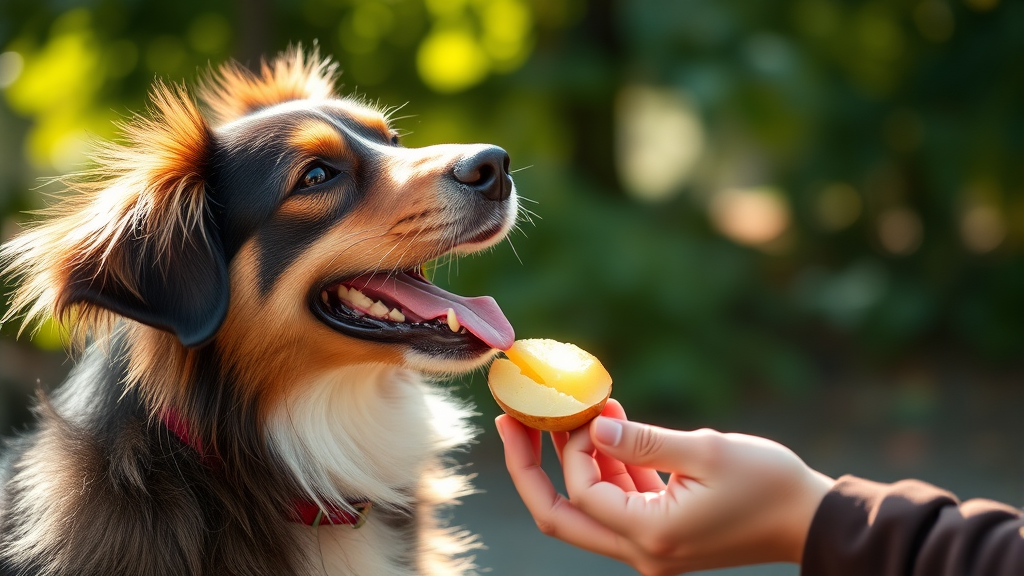
When preparing potatoes for your dog, avoid adding any seasonings, salt, butter, oil, or other additives that could be harmful. Plain, cooked potatoes are the safest option. Remove the skin before serving, as potato skins can be difficult for dogs to digest and may contain higher concentrations of solanine, especially if the potato has any green coloration.
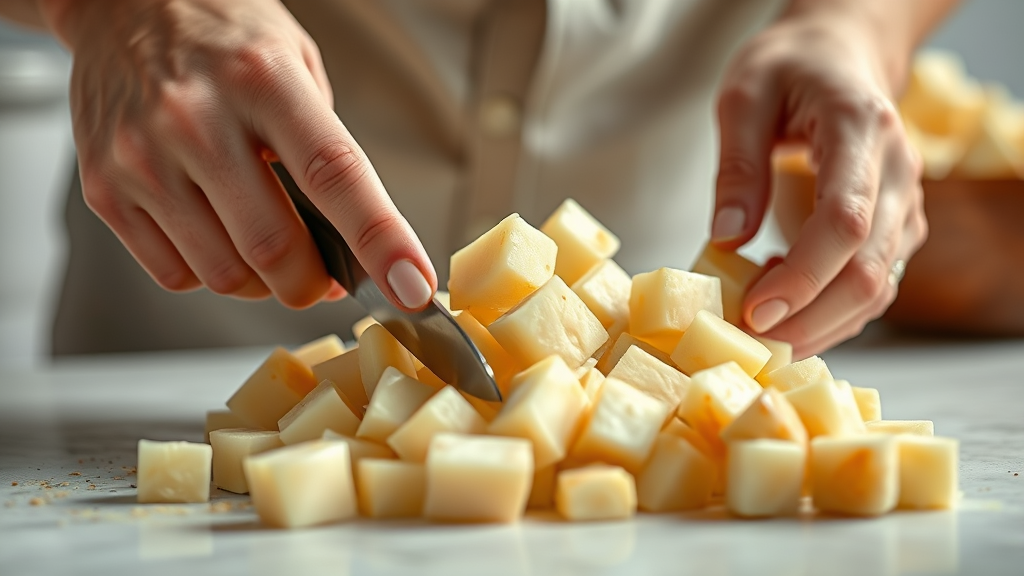
Cut the cooked potato into appropriate-sized pieces based on your dog’s size to prevent choking hazards. For small dogs, dice the potato into small cubes, while larger dogs can handle bigger pieces. Always allow the potato to cool completely before serving to prevent burns to your dog’s mouth and throat.
It’s worth noting that while mashed potatoes might seem like an easier option, they often contain ingredients that aren’t safe for dogs. Stick to plain, simply cooked potato pieces for the safest approach.
Portion Control and Feeding Guidelines
Moderation is crucial when feeding cooked potatoes to your dog. While they can be a healthy treat, potatoes should never replace your dog’s regular, balanced dog food. The American Veterinary Medical Association recommends that treats should make up no more than 10% of your dog’s daily caloric intake.
For small dogs (under 20 pounds), a few small cubes of cooked potato once or twice a week is sufficient. Medium-sized dogs (20-60 pounds) can have slightly larger portions, while large dogs (over 60 pounds) can handle more substantial amounts. However, even for large dogs, a serving shouldn’t exceed a few tablespoons of cooked potato.
Monitor your dog’s reaction when introducing potatoes for the first time. Start with very small amounts and gradually increase if your dog tolerates them well. Some dogs may experience digestive upset if given too much too quickly. Watch for signs of stomach discomfort, changes in bowel movements, or allergic reactions.
Consider your dog’s overall diet and activity level when determining appropriate portions. Active dogs may be able to handle slightly more carbohydrates, while sedentary or overweight dogs should receive smaller portions to avoid unnecessary calorie intake.
Potential Risks and Precautions
While cooked potatoes are generally safe for most dogs, there are several important risks and precautions to consider. Raw potatoes pose the greatest danger due to their solanine content, which can cause vomiting, diarrhea, and more severe symptoms in dogs. Green potatoes or those with green spots should never be given to dogs, as they contain higher levels of this toxic compound.
Dogs with diabetes should avoid potatoes due to their high glycemic index, which can cause blood sugar spikes. Similarly, overweight dogs should consume potatoes sparingly, as they are calorie-dense and can contribute to weight gain. The FDA’s guidelines on pet nutrition emphasize the importance of maintaining appropriate caloric intake for optimal health.
Some dogs may develop food allergies or sensitivities to potatoes, though this is relatively uncommon. Signs of an allergic reaction include itching, skin irritation, digestive upset, or respiratory issues. If you notice any of these symptoms after feeding potatoes to your dog, discontinue immediately and consult your veterinarian.
Potato-based commercial dog foods have been linked to dilated cardiomyopathy (DCM) in some cases, according to FDA investigations. While occasional potato treats are different from potato-heavy diets, it’s important to maintain variety in your dog’s nutrition.
Alternative Potato Options and Similar Foods
If you’re looking for alternatives to regular potatoes or want to provide variety in your dog’s treats, there are several safe options to consider. Sweet potatoes are often considered a healthier option for dogs, as they’re lower on the glycemic index and packed with beta-carotene, fiber, and vitamins.
Other safe carbohydrate alternatives include plain cooked rice, which is gentle on the stomach and often recommended for dogs with digestive issues. Pumpkin is another excellent choice, providing fiber and nutrients while being easy to digest. The Humane Society provides comprehensive lists of safe foods for dogs.
When considering whether potatoes are good for dogs, it’s important to compare them with other vegetables. Carrots, green beans, and broccoli can provide similar nutritional benefits with fewer calories and carbohydrates.
For dogs that enjoy the texture of potatoes, you might also consider corn as an occasional treat, though it should be given in small amounts and always removed from the cob to prevent choking hazards.
When to Avoid Potatoes Completely
There are specific situations when potatoes should be completely avoided in your dog’s diet. Dogs with confirmed potato allergies or sensitivities should never be given any form of potato, regardless of preparation method. Additionally, dogs with diabetes or pre-diabetic conditions should avoid potatoes due to their impact on blood sugar levels.
If your dog is on a weight management plan or struggling with obesity, potatoes should be eliminated from their treat rotation in favor of lower-calorie alternatives. Puppies under six months old should also avoid potatoes, as their digestive systems are still developing and may not handle complex carbohydrates well.
Dogs with certain digestive conditions, such as inflammatory bowel disease or chronic pancreatitis, may need to avoid potatoes as they can be difficult to digest and may trigger flare-ups. Always consult with your veterinarian before introducing new foods if your dog has any existing health conditions.
According to veterinary nutrition experts, dogs recovering from gastrointestinal illness should stick to bland, easily digestible foods and avoid potatoes until they’ve fully recovered.
Frequently Asked Questions
Can dogs eat potato skins?
It’s best to remove potato skins before feeding potatoes to your dog. Potato skins can be difficult to digest and may contain higher concentrations of solanine, especially if the potato has any green coloration. The skin also poses a potential choking hazard and may cause digestive upset in sensitive dogs.
How often can I give my dog cooked potatoes?
Cooked potatoes should be given as an occasional treat, not a regular part of your dog’s diet. Once or twice a week in small portions is generally safe for most healthy dogs. Remember that treats should never exceed 10% of your dog’s daily caloric intake, and potatoes are relatively high in calories and carbohydrates.
Are instant mashed potatoes safe for dogs?
Instant mashed potatoes are not recommended for dogs as they often contain additives, preservatives, and seasonings that can be harmful to canines. If you want to give your dog something similar to mashed potatoes, prepare plain potatoes at home without any additives.
What should I do if my dog ate raw potatoes?
If your dog consumed raw potatoes, especially green ones, monitor them closely for signs of solanine poisoning including vomiting, diarrhea, lethargy, or difficulty breathing. Contact your veterinarian immediately if you notice any concerning symptoms. Small amounts of raw potato may not cause serious issues, but it’s better to err on the side of caution.
Can diabetic dogs eat cooked potatoes?
Diabetic dogs should generally avoid potatoes due to their high glycemic index, which can cause blood sugar spikes. If you have a diabetic dog, consult with your veterinarian about appropriate treat options that won’t interfere with their blood sugar management. There are many diabetes-friendly alternatives available.
Are sweet potatoes better than regular potatoes for dogs?
Sweet potatoes are often considered a better choice for dogs as they have a lower glycemic index, more fiber, and higher levels of beta-carotene and other beneficial nutrients. However, both should be given in moderation as treats rather than meal replacements. The choice between regular and sweet potatoes often depends on your dog’s individual health needs and preferences.
Can I give my dog leftover baked potatoes from dinner?
Only if the baked potato was prepared without any seasonings, butter, salt, or other additives that could be harmful to dogs. Plain baked potato flesh (without the skin) that has been allowed to cool completely can be a safe treat. However, if the potato was prepared with human seasonings, it’s best to avoid giving it to your dog and prepare a plain potato specifically for them instead.





