

Can Dogs Eat Cookies? Complete Vet Advice on Safety & Risks
Your dog gives you those irresistible puppy-dog eyes as you enjoy a warm cookie, and you wonder: can dogs eat cookies? The short answer is complicated. While some plain cookies might not cause immediate harm, most commercial and homemade cookies contain ingredients that pose serious health risks to dogs. As a responsible pet owner, understanding which cookies are safe and which are dangerous can prevent costly vet visits and keep your furry friend healthy.
In this comprehensive guide, we’ll explore the truth about dogs and cookies, examine specific ingredients that make them problematic, and provide practical alternatives your dog will love. Whether you’re dealing with chocolate chip cookies, sugar-laden treats, or specialty bakes, you’ll learn exactly what’s safe to share and what to keep firmly off-limits.
Can Dogs Eat Cookies? The Basic Answer
The straightforward answer is: most cookies are not safe for dogs. While an occasional plain, unsweetened cookie might not cause serious harm to a large dog, cookies are fundamentally designed for human taste preferences and nutritional needs—not canine health. Dogs have different digestive systems, metabolic rates, and caloric requirements than humans, making even seemingly innocent treats potentially problematic.
According to the Association of American Feed Control Officials (AAFCO), dogs require specific nutritional profiles that include appropriate protein, fat, and carbohydrate ratios. Cookies disrupt this balance significantly. Additionally, many cookies contain xylitol, chocolate, raisins, macadamia nuts, or excessive salt—ingredients that are toxic to dogs.
The safest approach is treating cookies as strictly off-limits for your canine companion. However, if your dog accidentally eats a cookie or two, don’t panic immediately. Understanding what’s in that cookie and monitoring your dog’s response is crucial. Most dogs can handle small amounts of plain cookies without serious consequences, but this doesn’t mean it’s recommended.
Dangerous Cookie Ingredients for Dogs
Several common cookie ingredients pose serious health threats to dogs. Knowing these dangerous substances helps you make informed decisions and prevent accidental poisonings:
Chocolate
Chocolate is one of the most well-known dog toxins. It contains theobromine and caffeine, compounds that dogs metabolize much more slowly than humans. Dark chocolate and baking chocolate are most dangerous, containing higher theobromine concentrations than milk chocolate. Even small amounts can cause vomiting, diarrhea, rapid heart rate, tremors, and seizures. In severe cases, chocolate toxicity is fatal.
Xylitol (Artificial Sweetener)
This sugar substitute appears in many “sugar-free” cookies and baked goods. Xylitol is extremely toxic to dogs, causing rapid insulin release that leads to severe hypoglycemia (low blood sugar). Symptoms appear within 30 minutes and include lethargy, vomiting, loss of coordination, and seizures. Xylitol can also cause liver failure. Even small amounts are dangerous.
Raisins and Currants
Found in oatmeal cookies, bran cookies, and trail mix varieties, raisins and currants are toxic to dogs despite being safe for humans. The exact toxic component remains unknown, but these fruits cause kidney failure in dogs. Symptoms include vomiting, diarrhea, lethargy, and decreased appetite, often appearing 24-72 hours after ingestion.
Macadamia Nuts
Macadamia nuts appear in some specialty cookies and are toxic to dogs. They cause weakness, depression, vomiting, tremors, and hyperthermia. While rarely fatal, macadamia nut toxicity requires veterinary treatment.
Excessive Sugar and Fat
Beyond specific toxic ingredients, cookies are typically loaded with sugar and fat. Dogs don’t need added sugars, and excessive sugar consumption contributes to obesity, dental disease, and diabetes. High-fat cookies can trigger pancreatitis, a painful inflammation of the pancreas requiring emergency veterinary care.
Salt
Overly salted cookies can cause sodium ion toxicity in dogs, leading to excessive thirst, urination, vomiting, and neurological issues. This is particularly concerning in small dogs or those with heart conditions.
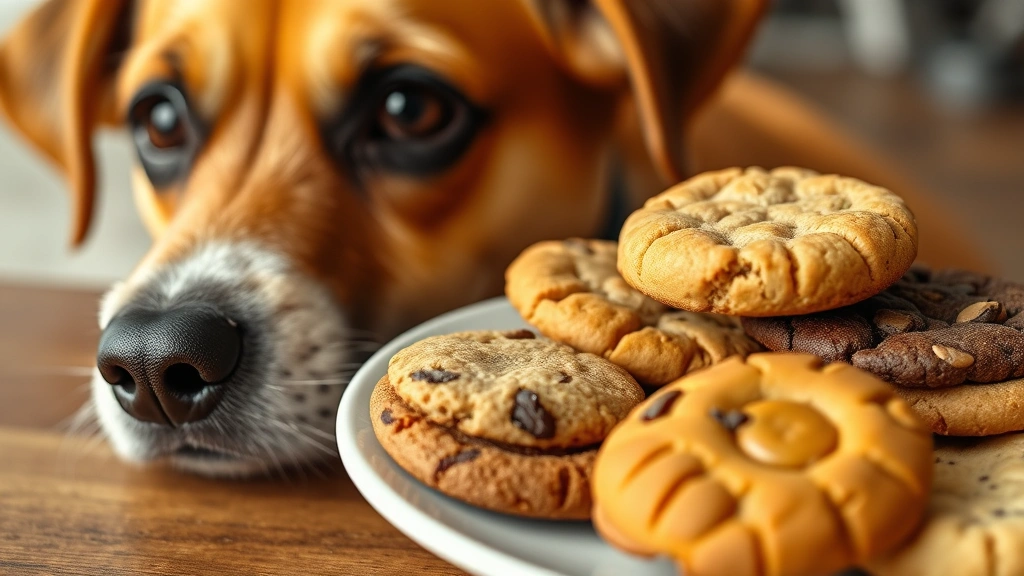
Specific Cookie Types: Safe or Unsafe?
Chocolate Chip Cookies
Unsafe—do not give to dogs. These contain both chocolate and typically high sugar content. Even one chocolate chip cookie can cause problems for small dogs.
Oatmeal Cookies
Usually unsafe. Most commercial oatmeal cookies contain raisins, added sugars, and butter. However, plain oatmeal (prepared without sugar, salt, or additives) is actually safe for dogs in moderation. Check ingredients carefully, as raisins are often hidden in oatmeal varieties.
Sugar Cookies
Generally unsafe. Plain sugar cookies without chocolate might not cause acute toxicity, but the excessive sugar content isn’t healthy for dogs. They provide empty calories without nutritional benefit and can contribute to obesity and dental problems.
Peanut Butter Cookies
Potentially unsafe—check ingredients carefully. Peanut butter itself is safe for dogs (and many dogs love it), but commercial peanut butter cookies often contain xylitol, excessive sugar, and salt. If you make homemade peanut butter cookies using dog-safe ingredients and no xylitol, small amounts might be acceptable. Always verify peanut butter brands don’t contain xylitol before using.
Ginger Cookies
Mostly safe in moderation. Ginger is actually beneficial for some dogs, particularly those with digestive upset or nausea. However, most commercial ginger cookies contain sugar and spices that aren’t ideal for dogs. Plain, homemade ginger treats are safer alternatives.
Fortune Cookies
Safe but pointless. Plain fortune cookies contain minimal ingredients and aren’t toxic, but they offer no nutritional value. The paper fortune inside poses a choking hazard, so remove it first.
Digestive Biscuits
Unsafe. Despite their name suggesting digestive benefits, these cookies are high in sugar and salt. They’re designed for human digestion and aren’t appropriate for dogs.
Signs Your Dog Ate Something Dangerous
If your dog consumed cookies containing toxic ingredients, watch for these warning signs:
- Immediate symptoms (within 30 minutes to 2 hours): Vomiting, diarrhea, excessive drooling, tremors, rapid heart rate, restlessness
- Delayed symptoms (6-24 hours): Lethargy, loss of appetite, weakness, depression, abdominal pain
- Severe symptoms: Seizures, loss of consciousness, difficulty breathing, uncontrolled muscle movements
- Xylitol-specific symptoms: Hypoglycemia signs appearing rapidly—disorientation, seizures, collapse
- Chocolate toxicity: Increased heart rate, hyperactivity, muscle tremors, excessive panting
If your dog shows any concerning symptoms after cookie consumption, contact your veterinarian or emergency animal hospital immediately. Bring the cookie packaging if available so your vet can assess ingredient risks. Time is critical with certain toxins like xylitol.
Dog-Friendly Cookie Alternatives
Your dog doesn’t need to feel left out during snack time. Numerous dog-safe alternatives satisfy the treat craving without health risks:
Homemade Dog Cookies
Make cookies specifically for dogs using safe ingredients: peanut butter (xylitol-free), pumpkin puree, carrots, apples, and whole wheat flour. These treats are affordable, healthy, and let you control exactly what goes into them. Many simple recipes require just 3-4 ingredients.
Commercial Dog Treats
Quality dog treat brands formulate products with canine nutrition in mind. Look for treats without artificial sweeteners, excessive salt, or potentially harmful ingredients. Brands certified by the AAFCO meet established nutritional standards.
Fruits and Vegetables
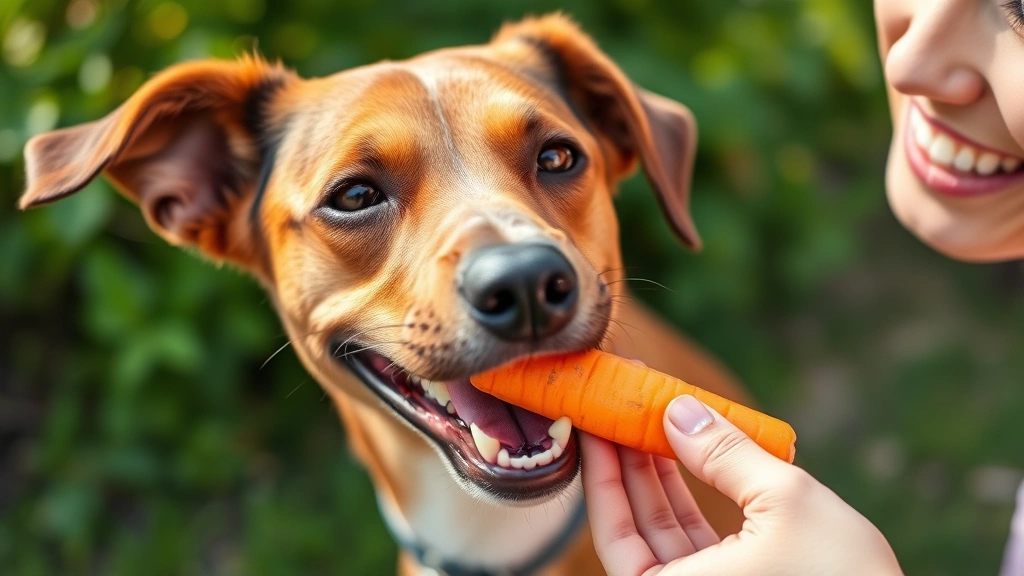
Many dogs enjoy fresh fruits and vegetables as treats. Safe options include carrots, apples (without seeds), broccoli, corn, pumpkin, and bananas. These provide natural sweetness, fiber, and nutrients without processed ingredients. Carrots are particularly excellent—they’re low-calorie, help clean teeth, and most dogs find them delicious.
Peanut Butter Chews
Plain peanut butter (verified xylitol-free) can be spread on toys or served in small amounts. Some dogs enjoy frozen peanut butter treats, which last longer and provide enrichment. This gives the satisfaction of a special treat without cookie risks.
Dental Chews
Specifically formulated dental chews clean teeth while satisfying the chewing instinct. These are often tastier to dogs than cookies and provide actual health benefits.
Protein-Based Treats
Plain cooked chicken, turkey, beef, or salmon (without seasoning or bones) makes excellent treats. These provide protein and satisfy dogs’ carnivorous nature far better than grain-based cookies.
Prevention Tips for Cookie Safety
The best approach to cookie safety is prevention. These practical strategies keep your dog safe:
- Store cookies securely: Keep cookies in closed containers on high shelves or in cabinets your dog can’t access. Dogs are surprisingly resourceful when motivated by enticing smells.
- Educate family members: Ensure everyone in your household understands that cookies are off-limits for dogs. Kids especially need to understand why they shouldn’t sneak treats to their furry friend.
- Clean up immediately: Don’t leave cookies out on counters or tables. Clean crumbs promptly, as even small amounts of toxic cookies can cause problems.
- Check labels: Always read cookie ingredient lists, particularly looking for xylitol, chocolate, raisins, and macadamia nuts. Xylitol sometimes appears under alternative names.
- Provide alternatives: Keep dog-safe treats readily available so your dog has something to enjoy when you’re eating cookies. This satisfies their desire for a treat without health risks.
- Know your vet’s emergency number: Keep your veterinarian’s phone number and your nearest emergency animal hospital number easily accessible.
- Monitor portion sizes: Even safe dog treats should comprise no more than 10% of daily caloric intake. Excessive treats, even safe ones, contribute to obesity and health problems.
Understanding cookie dangers and maintaining vigilance prevents most cookie-related emergencies. Dogs depend on us to make safe choices on their behalf.
FAQ
What should I do if my dog ate a chocolate chip cookie?
First, don’t panic. Monitor your dog closely for symptoms like vomiting, diarrhea, rapid heart rate, or tremors. If your dog weighs over 50 pounds and ate one cookie, the risk is lower than for small dogs. However, contact your veterinarian or ASPCA Animal Poison Control Center (888-426-4435) for guidance. Have the cookie packaging available so they can assess theobromine content. Your vet may recommend observation, induced vomiting, or activated charcoal depending on the amount consumed and your dog’s size.
Are homemade cookies safer than store-bought?
Homemade cookies can be safer if you control ingredients and avoid toxic substances. However, many homemade cookies still contain excessive sugar, butter, and potentially dangerous ingredients. Homemade cookies specifically formulated for dogs (using recipes designed for canine consumption) are far safer than either store-bought human cookies or casually made homemade treats.
Can puppies eat cookies?
No. Puppies are even more vulnerable to cookie dangers than adult dogs. Their developing bodies are more sensitive to toxins, and their smaller size means toxic doses are lower. Additionally, puppies need carefully balanced nutrition for proper growth. Cookies disrupt this balance and can cause developmental problems. Stick to age-appropriate puppy treats instead.
What about sugar-free cookies?
Be extremely cautious. Sugar-free cookies often contain xylitol, which is far more dangerous than regular sugar. Always check the ingredient list for xylitol or artificial sweeteners. If a cookie is labeled “sugar-free,” assume it contains artificial sweeteners unless the ingredient list explicitly states otherwise.
Is one cookie really that dangerous?
One plain cookie usually won’t cause serious harm to a large dog, but “usually” isn’t a guarantee. Toxicity depends on the cookie type, dog size, dog’s individual sensitivity, and ingredients. A single chocolate cookie might be fine for a 100-pound Labrador but potentially dangerous for a 5-pound Chihuahua. The safest approach is treating all cookies as off-limits.
Can dogs eat mushrooms or onions that might be in cookies?
No. Both mushrooms (particularly wild varieties) and onions are toxic to dogs. Onions contain compounds that damage red blood cells, causing hemolytic anemia. If your cookie contains either ingredient, keep it completely away from your dog.
What’s the best treat to give my dog instead?
Plain carrots, plain cooked chicken, or dog-specific treats formulated by reputable brands are excellent alternatives. These provide satisfaction and nutrition without health risks. Consult your veterinarian for personalized recommendations based on your dog’s age, size, and health status.





