

Can Dogs Eat Corn Chips? Safety Tips and Advice
We’ve all been there—you’re munching on a bag of corn chips while relaxing on the couch, and suddenly your furry best friend gives you those irresistible puppy dog eyes. Before you toss them a handful, though, you might want to pump the brakes and ask yourself: can dogs actually eat corn chips safely? The answer isn’t as straightforward as a simple yes or no, and it’s definitely worth exploring if you want to keep your pup healthy and happy.
Corn chips might seem like a harmless snack, but they come packed with ingredients and nutritional profiles that don’t always align with what dogs need. As a responsible pet parent, understanding what your dog can and cannot eat is crucial for preventing digestive upset, weight gain, and other health complications down the road.
In this comprehensive guide, we’ll break down everything you need to know about dogs and corn chips—the good, the bad, and the absolutely avoid-at-all-costs. Whether you’re a new dog owner or a seasoned pro, you’ll find practical safety tips and expert advice to help you make informed decisions about your dog’s snacking habits.
Can Dogs Eat Corn Chips?
The short answer is: technically yes, but it’s not recommended. Plain, unsalted corn chips in tiny quantities won’t cause immediate harm to most dogs, but they offer absolutely zero nutritional benefit and come with several potential downsides. Think of corn chips as the canine equivalent of junk food—they’re not poisonous, but they’re definitely not something you should make a regular habit of feeding your pet.
Dogs have different dietary requirements than humans. While we might enjoy the salty, crispy satisfaction of corn chips, your dog’s digestive system is designed to process whole foods and quality proteins, not processed snacks filled with artificial ingredients. If you’re curious about what else your pup shouldn’t snack on, you might want to check out our guide on can dogs eat chips for a broader perspective on salty snacks.
The real issue with corn chips isn’t always the corn itself. Many dogs can tolerate plain corn just fine—in fact, can dogs eat corn is a question with a surprisingly positive answer when we’re talking about plain, cooked corn without additives. However, the way corn chips are processed, seasoned, and prepared makes them problematic for your furry companion.
Nutritional Content and Concerns
Let’s dive into what’s actually in those corn chips your dog is eyeing. A typical serving of corn chips contains corn meal, vegetable oil, and salt—sometimes lots of salt. For humans, that translates to a tasty snack. For dogs, it’s a nutritional minefield.
Salt Content: This is perhaps the biggest concern. Most commercial corn chips contain excessive amounts of sodium, which can lead to sodium ion toxicity in dogs if consumed in large quantities. Even small amounts of extra salt aren’t great for your pup’s health, potentially contributing to hypertension and kidney stress over time.
Fat Content: Corn chips are typically fried in vegetable oil, making them high in fat. While dogs do need fat in their diet, the type and amount matter significantly. Excessive fat consumption can lead to pancreatitis, a serious and painful inflammation of the pancreas that requires veterinary intervention.
Lack of Nutritional Value: Corn chips are essentially empty calories. They don’t provide the vitamins, minerals, or proteins that dogs need to thrive. If your dog is filling up on corn chips, they’re missing out on nutrient-dense foods that actually support their health.
Artificial Additives: Many corn chip brands include artificial flavors, colors, and preservatives. Some dogs may have sensitivities or allergies to these additives, potentially causing digestive upset or allergic reactions.
Health Risks Associated with Corn Chips
Understanding the specific health risks associated with corn chips can help you make better decisions about your dog’s diet. Here’s what you need to know:
Pancreatitis: This is perhaps the most serious concern. The high fat content in corn chips can trigger pancreatitis in susceptible dogs, especially breeds predisposed to the condition. Symptoms include vomiting, abdominal pain, lethargy, and diarrhea. According to the ASPCA, pancreatitis can be life-threatening if not treated promptly.
Obesity: Regular consumption of high-calorie, low-nutrition foods like corn chips contributes to weight gain. Overweight dogs face increased risks of diabetes, joint problems, heart disease, and shortened lifespans. Dogs only need about 10% of their daily calories from treats—corn chips can quickly exceed this limit.
Digestive Issues: The high fat and salt content can cause digestive upset, including diarrhea, vomiting, and constipation. Some dogs may also experience gas and bloating after consuming corn chips.
Sodium Ion Toxicity: In extreme cases, excessive salt consumption can lead to hypernatremia (elevated sodium in the bloodstream). This condition can cause neurological symptoms, excessive thirst, and kidney damage.
Choking Hazard: While less common with corn chips than with larger treats, the crunchy texture can occasionally pose a choking risk, particularly for dogs who don’t chew their food properly.
If you’re looking at alternative snacking options, you might also want to understand what what can dogs drink besides water to ensure you’re not inadvertently offering unhealthy beverages alongside snacks.

Safer Snack Alternatives
Now that we’ve covered why corn chips aren’t ideal, let’s talk about what your dog actually enjoys eating that’s good for them. The good news? There are plenty of delicious, healthy alternatives that will make your pup just as happy—and keep their tail wagging without the guilt.
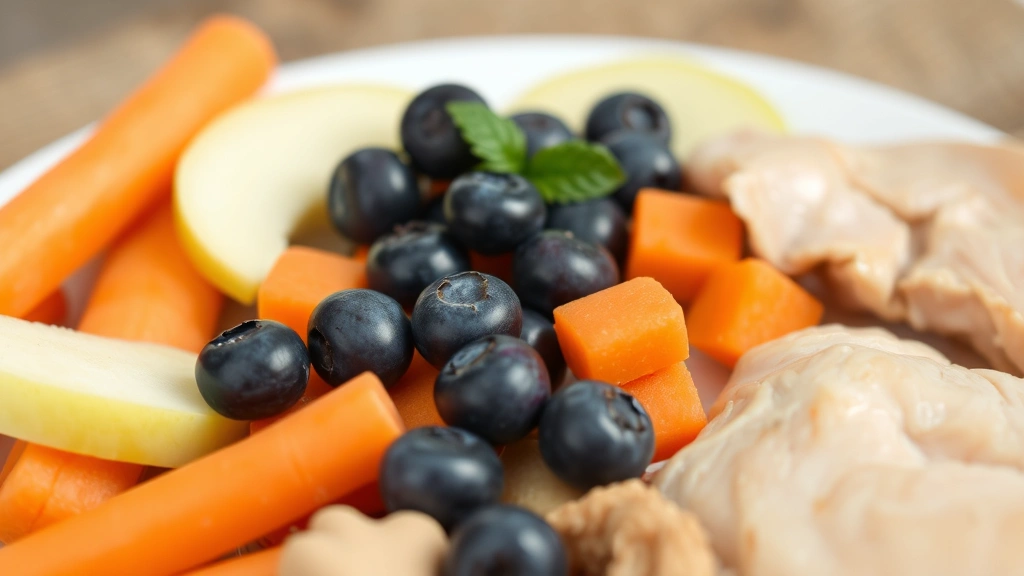
Fresh Fruits and Vegetables: Carrots, apples (without seeds), blueberries, and green beans are excellent choices. They’re low in calories, high in fiber, and provide real nutritional benefits. Carrots are especially great because they’re crunchy like chips and help clean your dog’s teeth.
Protein-Based Treats: Plain cooked chicken, turkey, or lean beef are protein powerhouses that dogs love. You can offer them as-is or freeze them for a refreshing summer treat. These options satisfy your dog’s natural carnivorous instincts while providing essential amino acids.
Commercial Dog Treats: Look for high-quality, grain-free options with minimal ingredients and no artificial additives. Check labels for recognizable ingredients you can pronounce. The American Kennel Club offers guidelines on choosing quality treats.
Peanut Butter (Xylitol-Free): Plain peanut butter is a dog favorite, though it should be given in moderation due to fat content. Make absolutely certain it doesn’t contain xylitol, which is toxic to dogs.
Frozen Treats: Freeze plain yogurt, broth, or mashed banana for a cooling snack that’s especially appreciated during hot weather.
Portion Control Guidelines
If you absolutely must give your dog corn chips occasionally, understanding portion control is critical. Remember the 10% rule: treats should comprise no more than 10% of your dog’s daily caloric intake.
For Small Dogs (under 10 lbs): A maximum of 3-5 corn chips occasionally is the absolute limit. These tiny pups have very small caloric needs, and even a small handful can represent a significant portion of their daily intake.
For Medium Dogs (10-50 lbs): You might offer 5-10 corn chips as an extremely occasional treat, though even this is pushing it nutritionally.
For Large Dogs (over 50 lbs): While they could technically handle slightly more, there’s no good reason to feed them corn chips at all. Their size doesn’t make the nutritional profile any better.
Here’s the thing: if you’re considering whether to give your dog corn chips, you might also want to explore related foods. For instance, can dogs eat tortilla chips and can dogs eat Doritos are questions with similarly cautious answers. The more flavored and seasoned the snack, the worse it is for your pup.
Key Portion Rules:
- Never make corn chips a regular treat
- Only offer plain, unsalted varieties
- Account for the treat calories in their daily total
- Pair any treat with plenty of fresh water
- Monitor your dog for any digestive upset for 24 hours after
When to Contact Your Vet
While a corn chip or two won’t typically cause an emergency, knowing when to call your veterinarian is crucial. Contact your vet immediately if your dog shows any of these symptoms after consuming corn chips:
- Persistent vomiting or diarrhea: Lasting more than a few hours can indicate digestive distress or pancreatitis
- Abdominal pain: Whining, hunching, or reluctance to move suggests internal discomfort
- Lethargy: Unusual tiredness or lack of interest in normal activities
- Loss of appetite: Refusing meals following treat consumption
- Excessive thirst or urination: Can indicate electrolyte imbalance from excess salt
- Difficulty breathing: Seek emergency care immediately
- Neurological symptoms: Seizures, confusion, or unusual behavior
According to PetMD, many cases of pancreatitis require hospitalization and IV fluids, so it’s better to err on the side of caution. If you’re unsure whether your dog needs immediate attention, call your vet’s emergency line—they can help you assess the situation.
For a better understanding of what your dog should actually be eating, you might want to revisit whether is corn safe for dogs in general, which provides a more nuanced look at corn as an ingredient in dog food versus processed snacks.
Frequently Asked Questions
What should I do if my dog ate a large bag of corn chips?
First, don’t panic. Contact your veterinarian immediately and describe how much your dog consumed and when. Provide the ingredient list if possible. Your vet may recommend monitoring at home or bringing your dog in for an examination. Watch for symptoms like vomiting, diarrhea, or abdominal pain over the next 24-48 hours. In cases of large consumption, especially in small dogs, your vet might recommend inducing vomiting or other interventions.
Are there any corn chips that are safe for dogs?
Plain, unsalted, unflavored corn chips are technically the “safest” option if you absolutely must offer them, but they’re still not recommended. Most commercial corn chips contain salt and other additives that aren’t ideal for dogs. Homemade, unsalted corn chips would be slightly better, but there’s still no nutritional benefit, so they’re best avoided entirely.
Can dogs eat corn if they can’t eat corn chips?
Yes! Plain, cooked corn is actually quite different from corn chips. Corn chips are processed and often heavily salted, while plain corn kernels are a relatively benign ingredient. Many commercial dog foods include corn as a filler ingredient. However, always remove the corn from the cob before serving, as the cob itself can cause intestinal blockages.
What are the signs of pancreatitis in dogs?
Pancreatitis symptoms include acute vomiting, diarrhea, abdominal pain (hunched posture), lethargy, loss of appetite, and sometimes fever. Chronic pancreatitis may present as recurring episodes of these symptoms. This is a serious condition requiring immediate veterinary attention. VCA Animal Hospitals provides detailed information about pancreatitis diagnosis and treatment.
How can I tell if my dog has a food sensitivity?
Common signs include itching and scratching, ear infections, vomiting, diarrhea, or chronic gas. If you suspect your dog has a sensitivity to corn chips or other foods, keep a food diary and discuss symptoms with your vet. They may recommend an elimination diet to identify the problematic ingredient.
Are flavored corn chips worse than plain ones?
Absolutely. Flavored varieties like cheese, BBQ, or spicy corn chips contain additional seasonings and additives that are even more problematic for dogs. Garlic and onion powder, common in flavored chips, are actually toxic to dogs. Never give your pup flavored corn chips under any circumstances.
What’s the best way to train my dog not to beg for my snacks?
Consistency is key. Never reward begging with food, even “just this once.” When your dog begs, redirect their attention to a toy or treat-dispensing puzzle. Feed your dog before you eat so they’re less motivated by hunger. Keep snacks out of reach and establish a rule that human food is off-limits. This protects your dog’s health and reduces the temptation entirely.





